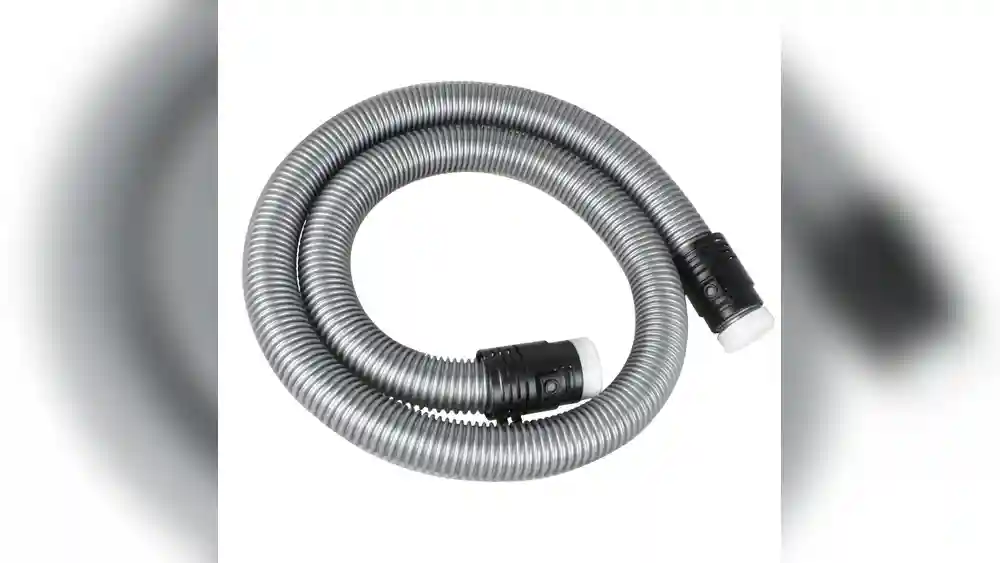
The 2 inch vacuum cleaner hose is a crucial part of many cleaning systems, especially in commercial and heavy-duty environments. While most home vacuums use smaller hoses, the 2 inch size offers unique benefits—such as improved airflow, greater debris capacity, and compatibility with industrial equipment. If you’re considering upgrading your vacuum or selecting a new hose for your workshop, understanding the features, uses, and important buying factors for this hose size will help you make the right choice.
Why Choose A 2 Inch Vacuum Cleaner Hose?
A 2 inch hose is not simply bigger—it’s designed for specific tasks and environments. The larger diameter allows for more airflow, which means it can pick up larger debris and cover more area quickly. This hose is common in:
- Workshops
- Construction sites
- Car washes
- Industrial cleaning
You’ll often see these hoses paired with wet/dry vacuums, dust extractors, and central vacuum systems. Compared to smaller hoses, 2 inch hoses rarely clog, even when collecting sawdust, chunks of drywall, or leaves.
Performance Data
To illustrate the difference, here’s a comparison of airflow between typical hose sizes:
| Hose Diameter | Max Airflow (CFM) | Typical Use |
|---|---|---|
| 1.25 inch | 75 | Home vacuums |
| 1.5 inch | 100 | Shop vacs |
| 2 inch | 140 | Industrial vacuums |
With a 2 inch hose, the higher CFM (cubic feet per minute) means cleaning is faster and more efficient—especially when dealing with larger messes.
Key Features Of 2 Inch Vacuum Cleaner Hoses
Not all 2 inch hoses are the same. Here are the main features to look for:
Material
Most hoses are made from:
- PVC: Flexible, affordable, but can kink under heavy use.
- Polyethylene: Durable, resistant to chemicals.
- Rubber: Very flexible, long-lasting, but heavier.
Some hoses also have a steel wire spiral inside for extra strength.
Length Options
Hoses come in lengths from 6 feet up to 50 feet or more. Longer hoses give more reach, but can reduce suction if the vacuum isn’t powerful enough.
Flexibility
A good hose should bend easily without collapsing. Crush-resistant hoses are ideal for harsh environments.
Connection Type
Check the ends: some hoses have quick-connect cuffs for easy attachment, while others use standard screw-on connectors. Compatibility with your vacuum is crucial.
Static Dissipation
For workshops, a static dissipative hose prevents build-up of static electricity, which can be dangerous around dust or flammable materials.

Credit: www.amazon.com
Common Uses For 2 Inch Hoses
The 2 inch vacuum hose shines in tasks that smaller hoses can’t handle well. Here are practical examples:
- Woodworking Shops: Collects sawdust and wood chips efficiently, connecting to table saws and sanders.
- Construction Cleanup: Picks up drywall chunks, nails, and heavy debris without clogging.
- Car Washes: Used for vacuuming car interiors; the large diameter speeds up cleaning.
- Flood Cleanup: Removes water and mud from basements using wet/dry vacs.
- Commercial Spaces: Cleans large floor areas in malls, factories, and warehouses.
One non-obvious insight: in woodworking, a 2 inch hose reduces dust buildup in tools, protecting motors and improving air quality.
Choosing The Right 2 Inch Hose
Selecting the right hose is more than just measuring diameter. Consider these factors:
Compatibility
Not all vacuums accept a 2 inch hose. Check your machine’s inlet size and whether adapters are needed. Some hoses are universal, but others require specific fittings.
Length Vs. Power
Long hoses are convenient, but suction drops with length. The drop can be significant—about 10% loss for every 10 feet. If your vacuum is less powerful, choose a shorter hose.
Durability
Industrial environments require heavy-duty hoses. Look for reinforced walls, thick material, and crush-proof designs. For home or light use, lighter hoses are easier to store.
Weight
A 2 inch hose is heavier than standard hoses. If you’ll be moving the hose a lot, check its weight per foot. Some hoses weigh over 1 pound per foot.
Price Range
Prices vary widely. A 25 foot, high-quality hose can cost $70–$120, while basic models start around $35. Invest in quality if you need reliability.
Comparison Table
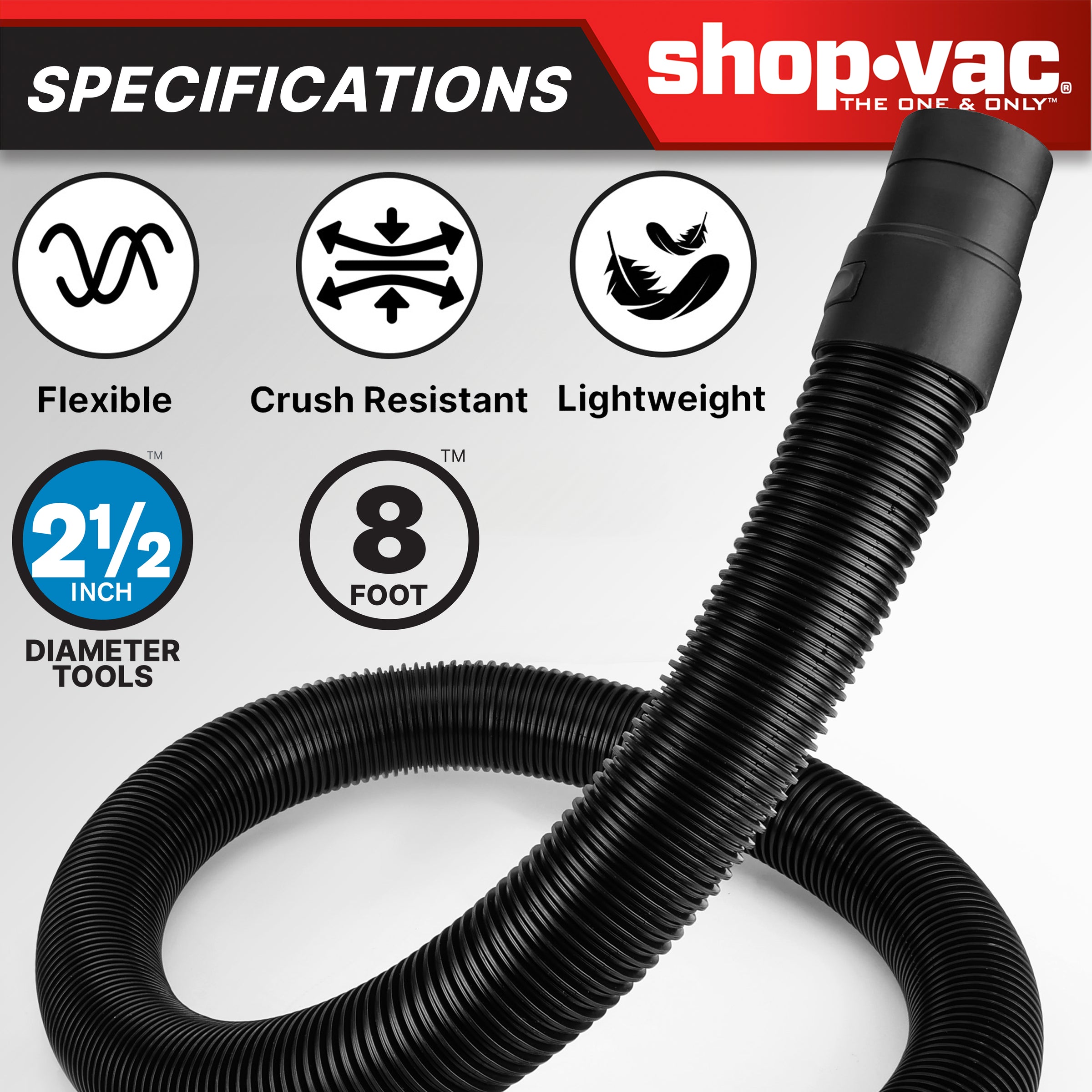
Here’s a comparison of popular 2 inch hoses:
| Brand | Material | Length | Weight (per ft) | Price (25 ft) |
|---|---|---|---|---|
| Shop-Vac | PVC | 25 ft | 0.8 lbs | $45 |
| Flexaust | Polyethylene | 25 ft | 1.2 lbs | $110 |
| Dust Right | Rubber | 25 ft | 1.0 lbs | $85 |
Credit: www.shopvac.com
Installation Tips And Common Mistakes
Installing a 2 inch vacuum hose isn’t difficult, but the following tips and mistakes are important:
Tips
- Measure twice: Confirm your vacuum inlet size and needed length.
- Use proper connectors: Cuffs or adapters should fit tightly to avoid leaks.
- Support long hoses: Use hooks or wall mounts to prevent sagging and kinks.
- Check for static: In dusty environments, consider hoses with static dissipation.
Common Mistakes
- Ignoring compatibility: Not all hoses fit every vacuum. Adapters may be needed.
- Buying too long: Longer hoses can reduce suction; buy only as much length as you really need.
- Cheap material: Low-cost hoses often kink and collapse, lowering performance.
- Skipping maintenance: Hoses collect debris and dust inside; clean regularly to keep airflow strong.
One practical tip: after installation, run the vacuum for 5 minutes with the hose attached to check for leaks and suction loss.
Maintenance And Longevity
To get the most from your hose, regular maintenance is essential.
Cleaning
Vacuum hoses can get blocked over time. To clean:
- Disconnect the hose from the vacuum.
- Run water through the hose (for wet/dry hoses).
- Use a long brush or broom handle to push out stuck debris.
- Dry thoroughly before reconnecting.
For dry-use hoses, blowing compressed air through can clear dust.
Storage
Store hoses in a cool, dry place. Coiling the hose loosely prevents kinks and cracks. Hanging the hose on wall hooks is best for longer hoses.
Lifespan
A quality hose lasts 3–5 years with regular use. Industrial hoses may last less if exposed to harsh chemicals or heavy abrasion.
Comparison Table: Maintenance Needs
| Hose Material | Cleaning Method | Expected Lifespan | Maintenance Frequency |
|---|---|---|---|
| PVC | Water flush | 3 years | Monthly |
| Polyethylene | Air blow | 5 years | Every 2 weeks |
| Rubber | Water flush | 4 years | Monthly |
Safety Considerations
Many users overlook safety with vacuum hoses. Here’s what to keep in mind:
- Static electricity: Large hoses can build up static, especially in dry environments. This is dangerous near flammable materials.
- Trip hazards: Long hoses can cause accidents; keep the path clear and use bright-colored hoses if possible.
- Proper ventilation: Using a vacuum hose in tight spaces may stir up dust; wear masks in industrial areas.
A non-obvious safety insight: after vacuuming liquids, always disconnect and dry the hose to prevent mold growth inside.
Environmental Impact
Choosing the right hose also affects the environment. Durable hoses reduce waste by lasting longer. Some brands offer recyclable hoses or use recycled materials. When disposing of an old hose, check local recycling rules. Avoid burning or landfilling, as plastics can release toxins.

Credit: www.shopvac.com
Frequently Asked Questions
What Types Of Vacuums Use A 2 Inch Hose?
Most industrial vacuums, wet/dry shop vacs, and central vacuum systems use 2 inch hoses. These vacuums are designed to handle heavier debris and larger cleaning areas.
How Do I Know If A 2 Inch Hose Will Fit My Vacuum?
Check your vacuum’s inlet or port size. If it’s 2 inches, the hose should fit directly. If not, you may need an adapter. Always check the manufacturer's guide or product details.
Can A 2 Inch Hose Be Used For Both Wet And Dry Cleaning?
Yes, many 2 inch hoses are wet/dry rated. But confirm the hose material—PVC and rubber are best for wet use, while polyethylene is mainly for dry debris.
What Is The Best Way To Store A 2 Inch Vacuum Hose?
Store the hose coiled loosely in a dry area. Using wall hooks or a hose reel prevents kinks and damage. Avoid storing it outdoors or in direct sunlight.
Are There Any Health Risks With Using A 2 Inch Vacuum Hose?
The main risks are dust inhalation and static shock. Wear a mask when cleaning dusty areas, and use static dissipative hoses in workshops.
The 2 inch vacuum cleaner hose is a smart investment for anyone needing powerful, efficient cleaning—whether in a workshop, business, or for large home projects. By knowing the features, uses, and maintenance tips, you can choose a hose that meets your needs and lasts for years. For more technical details and standards about vacuum hoses, visit Wikipedia.