A vacuum cleaner is a household tool most people use weekly, sometimes daily. But many wonder: How long does a vacuum cleaner last? The answer depends on several factors, from build quality to usage habits. If you’ve ever found your vacuum losing suction, making strange noises, or simply refusing to turn on, you know how important lifespan is. Understanding what affects durability can help you choose the right model, maintain it better, and save money in the long run.
This article dives deep into the average lifespan of a vacuum cleaner, what influences it, and how you can extend it. You’ll find practical advice, real-world examples, and even some data that most people overlook. Whether you’re shopping for a new vacuum or trying to keep your current one running, this guide will help you make smart decisions.
How Long Does A Vacuum Cleaner Typically Last?
Most vacuum cleaners last between 5 to 8 years. This average comes from studies, manufacturer claims, and user surveys. However, there are big differences depending on the type, quality, and how you use it.
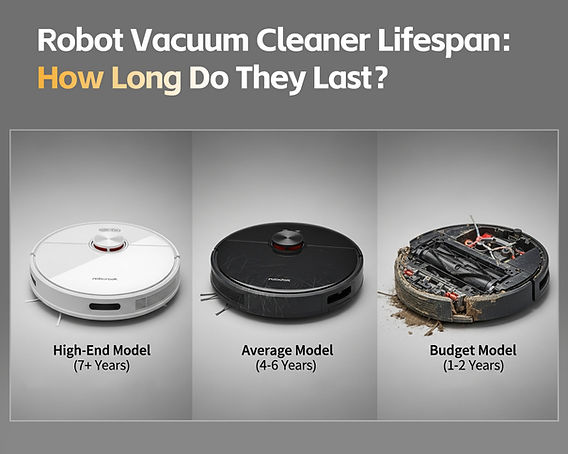
Budget models often last about 3–5 years. Mid-range vacuums usually make it to 6–8 years. High-end brands sometimes reach 10 years or more. But these numbers aren’t set in stone. Proper care, light use, and regular maintenance can push the lifespan further.
Real-world Data
A 2022 survey by a consumer group found:
- 60% of users replaced their vacuum after 6 years
- Only 15% had a vacuum last longer than 10 years
- Most failures happened due to motor issues or loss of suction
Here’s a comparison of average lifespans for different types:
| Vacuum Type | Average Lifespan (years) | Common Failure Point |
|---|---|---|
| Upright | 7 | Motor |
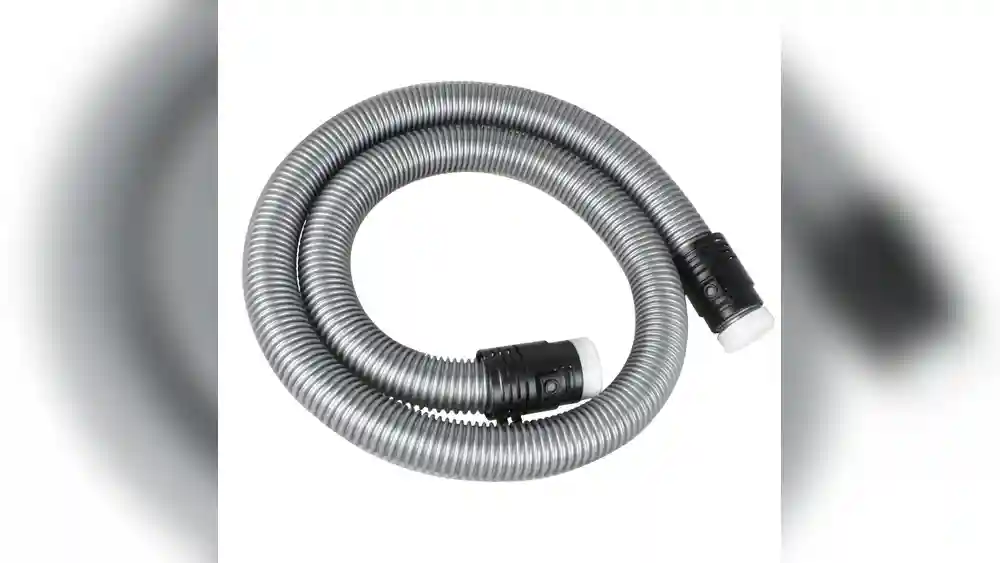
| Canister | 8 | Hose |
| Stick | 5 | Battery |
| Robot | 4 | Battery |
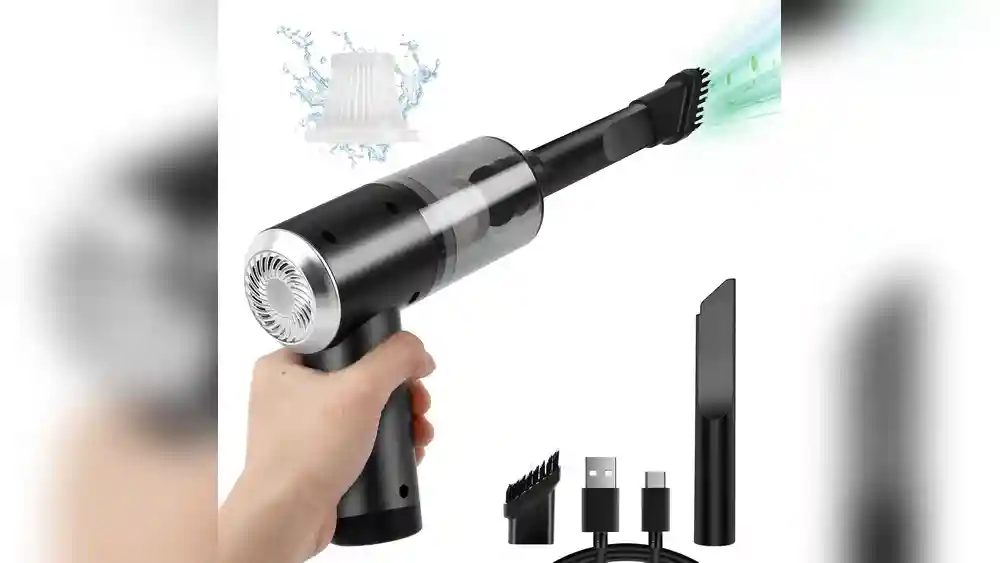
| Handheld | 3 | Battery |
Factors Affecting Vacuum Cleaner Lifespan
Build Quality And Brand
The materials and engineering matter a lot. Metal parts last longer than plastic. Well-known brands like Dyson, Miele, and Hoover often offer better durability. Budget brands may cut corners, leading to shorter lifespans.
Frequency Of Use
Vacuuming daily wears out parts faster than weekly cleaning. A family with kids and pets will demand more from their vacuum than a single person in a small apartment.
Maintenance Habits
Simple steps like emptying the bag or bin, cleaning filters, and checking for blockages can add years to your vacuum’s life. Neglecting these tasks leads to motor strain and reduced suction.
Flooring Type
Carpeted homes require stronger suction and more frequent cleaning. This increases wear compared to homes with mostly hard floors.
Storage Conditions
Leaving a vacuum in a damp basement or a hot garage can cause parts to corrode or degrade. Storing it in a dry, clean place keeps components in better shape.
Power Source
Cordless vacuums rely on batteries, which degrade over time. Replacing the battery can extend life, but eventually other parts wear out. Corded vacuums usually last longer because they don’t have this issue.
Signs Your Vacuum Cleaner Is Nearing The End
Knowing when your vacuum is close to failing can save frustration and prevent bigger costs.
- Loss of suction – If cleaning performance drops even after filter and bag changes, the motor may be failing.
- Strange noises – Grinding, whining, or rattling often signal worn bearings or a damaged motor.
- Burning smell – This is usually a sign of electrical or motor issues.
- Frequent clogs – Old vacuums may struggle with airflow, leading to more blockages.
- Broken parts – Cracked hoses, damaged wheels, or snapped belts become common as vacuums age.
How To Make Your Vacuum Cleaner Last Longer
You can squeeze extra years from your vacuum with some simple habits:
Clean Filters Regularly
Dirty filters block airflow, making the motor work harder. Most vacuums have HEPA or foam filters. Wash or replace them every 1–3 months, depending on usage.
Empty The Bag Or Bin Often
Don’t wait until it’s full. A crowded dust bag or bin reduces suction and strains the motor. Empty it when it’s half or two-thirds full.
Check For Blockages
Inspect hoses, brushes, and nozzles for hair, string, or debris. Removing them prevents motor overload.
Replace Belts And Brush Rolls
Worn belts or brush rolls reduce cleaning power. Replace them every 1–2 years, or when you notice wear.
Store Properly
Keep your vacuum in a dry, clean space. Avoid places with moisture or high heat, which damage parts over time.
Use Correct Settings
Many vacuums have settings for carpet, hard floor, or delicate surfaces. Using the right mode reduces strain on the motor and brush.
Service When Needed
If your vacuum is still under warranty, get professional repairs. For older models, weigh repair costs against buying new.
Credit: us.mova.tech
Comparing Lifespan By Vacuum Type
Different vacuum types have unique strengths and weaknesses. Here’s a look at how each holds up over time:
| Type | Strengths | Weaknesses | Longevity Tips |
|---|---|---|---|
| Upright | Strong suction, good for carpets | Heavy, belts wear out | Replace belts, clean filters |
| Canister | Flexible, good for hard floors | Hoses crack, more parts | Check hoses, store carefully |
| Stick | Lightweight, easy to use | Battery degrades fast | Replace battery, clean filters |
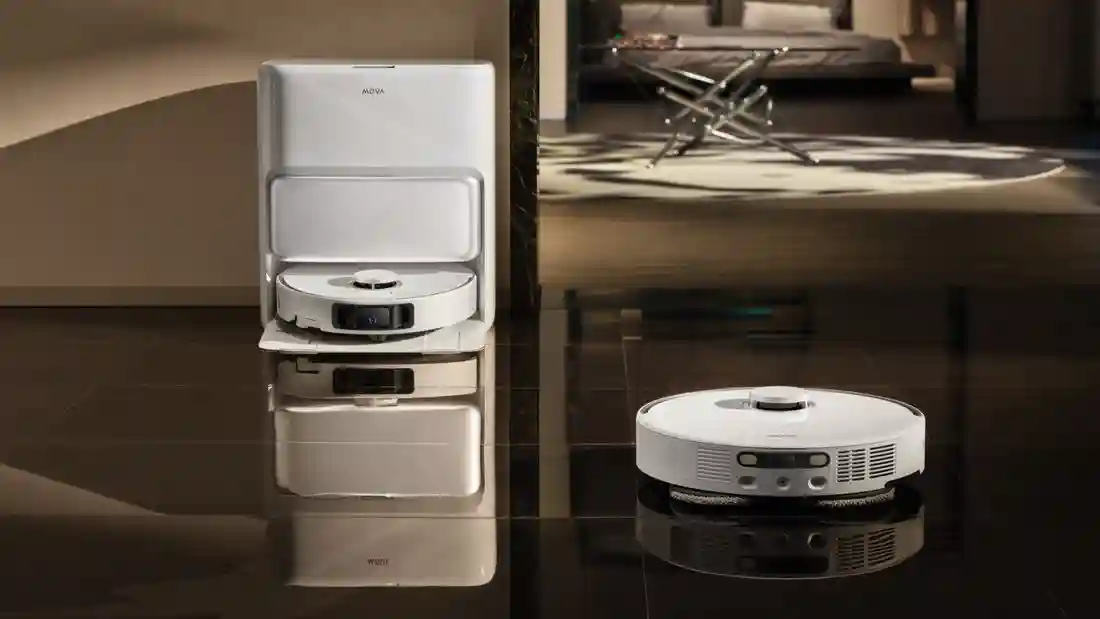
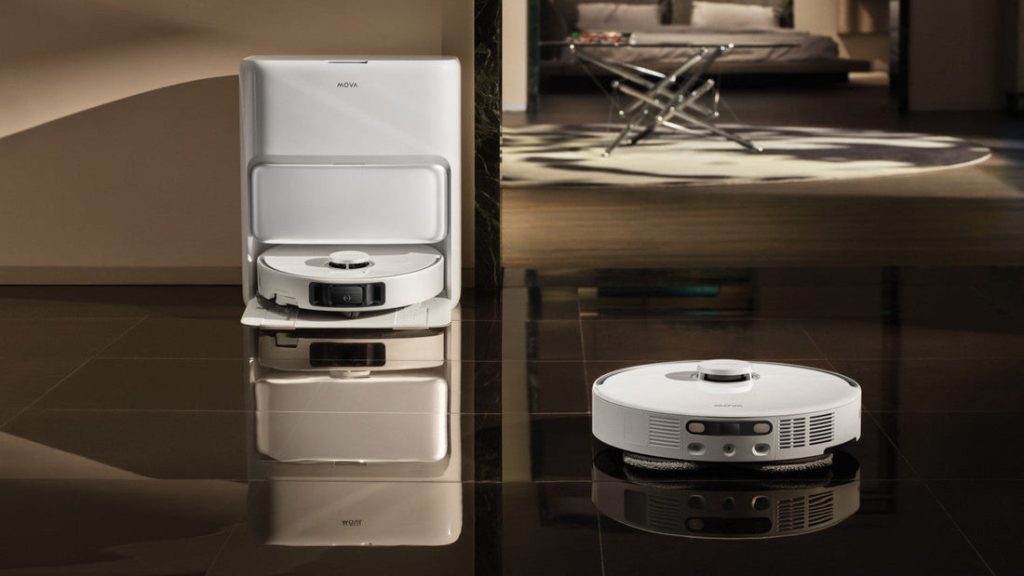
| Robot | Automated cleaning | Small dust bin, battery issues | Empty often, update firmware |
| Handheld | Portable, quick jobs | Small battery, limited power | Charge properly, avoid moisture |
Is It Worth Repairing An Old Vacuum Cleaner?
Sometimes, fixing an old vacuum can be cheaper than buying new. But not always. Here’s when repair makes sense:
- The motor still works and only minor parts need replacing
- The brand is high-end, and parts are easy to find
- The vacuum is less than 5 years old
Repairs become less practical when:
- The motor fails (often expensive)
- The vacuum is more than 8 years old
- Replacement parts are hard to find
- Repair costs exceed half the price of a new model
Non-obvious insight: Many people don’t realize that replacing a battery in a cordless vacuum is often cheaper than buying a new one. However, motors and circuit boards are trickier and costlier.

Credit: robotklinsmann.com
What Makes A Vacuum Cleaner Last Longer Than Average?
Some vacuums outlive the average. Here’s what they usually have in common:
- High-quality materials: Metal parts, strong plastics, and durable wheels
- Simple design: Fewer moving parts means less can break
- Easy access to parts: Filters, belts, and batteries that are simple to replace
- Good warranty: Brands with long warranties often build for durability
A practical tip: Check if the vacuum you want has parts available online. If belts, filters, and batteries are easy to find, you’ll keep your machine running longer.
Common Mistakes That Shorten Vacuum Lifespan
Avoid these to make your vacuum last:
- Ignoring filter maintenance
- Overfilling the dust bin or bag
- Using the wrong setting for the floor type
- Storing in damp or hot places
- Pulling the cord to unplug
- Vacuuming liquids (unless designed for wet use)
- Neglecting strange sounds or smells
Non-obvious insight: Many users forget to check the brush roll for tangled hair or string. This causes the motor to work harder and shortens lifespan.
Vacuum Cleaner Brands With The Longest Lifespans
Some brands have a reputation for lasting longer. A consumer report highlighted these:
- Miele: Many models last up to 20 years
- Dyson: Known for strong motors and durable materials
- Hoover: Reliable mid-range options
- Shark: Good value, but lifespan is usually shorter than premium brands
According to user reviews, Miele vacuums are often used for over a decade, especially with regular maintenance.
When Should You Replace Your Vacuum Cleaner?
Replace your vacuum when:
- It costs more to repair than to buy new
- Suction is weak even after maintenance
- Motor or battery fails
- Parts are no longer available
- You need features your old vacuum lacks (like HEPA filtration or pet hair tools)
Modern vacuums offer better filtration, quieter operation, and easier maintenance. Upgrading can improve air quality and cleaning efficiency.
How To Choose A Vacuum Cleaner That Will Last
When shopping for a new vacuum, focus on these points:
- Build quality: Look for sturdy materials
- Replaceable parts: Filters, belts, and batteries should be easy to change
- Warranty: Longer warranties signal durability
- User reviews: Check for reports of early failures
- Brand reputation: Stick with brands known for lasting products
Don’t be fooled by fancy features or low prices. A simple, well-built vacuum often lasts longer than a complex model with weak parts.
Frequently Asked Questions
What Is The Average Lifespan Of A Vacuum Cleaner?
Most vacuums last 5–8 years. Budget models may need replacing after 3–5 years. High-end brands can last up to 10 years or more with proper care.
How Can I Make My Vacuum Cleaner Last Longer?
Clean filters, empty the bag or bin often, check for blockages, replace worn parts, and store your vacuum in a dry place. Regular maintenance is key.
Is It Better To Repair Or Replace An Old Vacuum?
Repair is worth it if your vacuum is less than 5 years old, and the motor still works. Replace if repairs cost more than half the price of a new model or parts are unavailable.
Do Cordless Vacuums Last As Long As Corded Ones?
No. Cordless vacuums rely on batteries, which degrade over time. Most last 3–5 years, while corded models often reach 6–8 years or more.
Which Vacuum Cleaner Brand Lasts The Longest?
Miele is known for long-lasting vacuums, sometimes up to 20 years. Dyson and Hoover also have good reputations for durability.
Vacuum cleaners are essential tools, but they don’t last forever. Knowing how to care for them, what to look for when buying, and when to replace them can save you money and hassle. For more detailed statistics and brand comparisons, visit Consumer Reports. By understanding the real-life lifespan of a vacuum cleaner, you’ll be able to make smart choices and enjoy a cleaner home for years to come.
Credit: www.techtongbo.com