Keeping your Shark robot vacuum in top shape means more than just pressing “clean” and letting it roam your floors. One of the most basic—but also most important—tasks is emptying the dust cup. Ignore this, and you’ll soon notice your robot isn’t cleaning as well, gets stuck more often, or even stops working until you fix the issue. Fortunately, the process is straightforward once you understand it, and you don’t need any special tools. Still, many people make avoidable mistakes—like spilling dust everywhere or damaging sensors—just because they miss a key detail.
This article will take you through everything you need to know about emptying the dust cup of your Shark robot vacuum. We’ll go step-by-step, explain why regular emptying matters, and clear up common confusion about cleaning schedules. You’ll also learn how to clean the cup fully, what to watch out for, and how to handle models with self-emptying bases.
By the end, you’ll be able to keep your Shark robot running smoothly for years, with less hassle and better cleaning results.
Why Emptying The Shark Robot Dust Cup Matters
Many Shark robot users think emptying the dust cup is just a minor task. But this simple routine actually plays a big role in both the performance and lifespan of your vacuum. When the dust cup fills up, several issues can arise:
- Reduced suction power: A full cup restricts airflow, making it harder for the robot to pick up dirt.
- More frequent clogs: Dust and hair can block the filter or passageways, causing errors.
- Battery drain: The robot works harder, using more energy to try and clean.
- Odor buildup: Old dust and debris can create unpleasant smells if not emptied.
Some Shark models even stop mid-clean and alert you to empty the dust cup. Ignoring the dust cup can lead to sensor errors or even motor damage over time. Regular emptying isn’t just about cleanliness—it’s about protecting your investment and ensuring consistent cleaning.
Understanding Your Shark Robot Dust Cup
Shark robot vacuums have a removable dust cup—sometimes called a dustbin or dirt container. The cup is designed for easy removal and cleaning. Depending on your model, the cup may be at the back or top of the vacuum. It connects directly to the main suction path, so all dust, debris, and hair pass through it.
Main Dust Cup Features
- Release button: Lets you remove the cup without tools.
- Max fill line: Shows when the cup is full.
- Filter compartment: Holds one or more filters (foam, felt, or HEPA).
- Trap door: Opens for emptying dust without removing the filter.
Knowing these features will help you empty and clean the cup properly.
How Often Should You Empty The Dust Cup?
The right schedule depends on your cleaning habits, home size, and how much dust or pet hair you have. Shark recommends checking the dust cup after every use, but you might not need to empty it every time. Consider these guidelines:
- After every cleaning cycle: Best for homes with pets, carpets, or high dust.
- Every 2–3 cycles: For light cleaning, small apartments, or mostly hard floors.
- Immediately if performance drops: If you notice less suction or more noise, check the cup.
A good habit is to empty the dust cup before it reaches the max fill line. Don’t wait for the robot to stop or alert you.
Step-by-step: How To Empty Shark Robot Dust Cup
Let’s walk through the process. You’ll find it quick once you’ve done it a few times, but it’s important to follow each step carefully to avoid mess or damage.
- Power off the robot
- For safety, always press the power button to turn off the robot before handling the dust cup. If your model has a dock, you can also lift the robot off the dock.
- Locate the dust cup
- Most Shark robots have the dust cup at the back or top. Look for a release button or latch near the dust cup compartment.
- Press the release button
- Hold the robot steady and press the release button. The cup should pop out smoothly. Don’t force it—if it feels stuck, check for debris or make sure you’ve pressed the button fully.
- Remove the dust cup
- Pull the dust cup out gently. Keep it level to avoid spilling dust.
- Open the trap door
- Hold the cup over a trash bin. Press the trap door release (usually on the bottom or side). Dust and debris should fall out easily.
- Tap out stubborn debris
- If some dirt or hair sticks inside, tap the cup gently against the bin. Use your fingers or a small brush to loosen any clumps.
- Check and clean the filter
- Most Shark dust cups contain a filter. Remove it and tap off loose dust. If the filter is very dirty, rinse it with cold water (see next section).
- Close the trap door
- Make sure the trap door snaps shut. This prevents leaks or dust escaping back into the robot.
- Reinstall the dust cup
- Slide the clean cup back into the robot until you hear a click. Power the robot back on, or return it to the dock.
Common Mistakes To Avoid
- Forcing the cup: If it won’t come out, don’t pull hard—check for hidden latches or debris.
- Skipping filter cleaning: A clogged filter can cause errors even if the cup is empty.
- Not closing the trap door: This can lead to dust spills inside the robot.
Cleaning The Dust Cup For Deep Maintenance
Just emptying the dust isn’t always enough. Every few weeks, you should wash the dust cup to keep it fresh and prevent buildup. Here’s how to do a full cleaning:
- Empty the dust cup as above
- Remove the filter(s)
- Take out any foam, felt, or HEPA filters. Set them aside for separate cleaning.
- Rinse the dust cup
- Use lukewarm water. Swirl the water inside the cup to remove fine dust and leftover debris. Don’t use soap or harsh chemicals—they can damage the plastic.
- Scrub if needed
- For sticky residue, use a soft brush or cloth.
- Dry completely
- Shake out all water and let the cup air dry for at least 24 hours. Never reinstall a wet dust cup—it can damage the robot or promote mold growth.
- Clean the filters
- Rinse foam and felt filters under water, squeeze gently, and let them air dry fully. Replace the HEPA filter if it’s worn or not washable (check your model).
How Often To Deep Clean
- Every 1–2 months: For most homes.
- More often: If you have pets, allergies, or heavy use.
Deep cleaning prevents odor, mold, and performance drops.
The Role Of Filters: Cleaning And Replacement
Many Shark robot users overlook the importance of filters. The dust cup catches big debris, but filters trap fine dust and allergens. If these clog up, your robot’s suction drops—even with an empty cup.
Types Of Filters In Shark Robots
- Foam filters: Washable, trap fine dust.
- Felt filters: Also washable, catch smaller particles.
- HEPA filters: Often not washable; traps allergens and micro-dust.
Check your manual to see which filters your model has and whether they’re washable.
How To Clean Filters
- Foam and felt: Rinse gently under cold water. Don’t use soap. Squeeze out water and air dry for 24 hours.
- HEPA: Tap out dust, or replace as directed. Never wash a non-washable HEPA filter.
Replacement Schedule
- Foam/felt: Replace every 6–12 months, depending on wear.
- HEPA: Replace every 12–24 months, or if cleaning doesn’t restore airflow.
A clean filter keeps your Shark robot running quietly and efficiently.
Handling Shark Robots With Self-emptying Bases
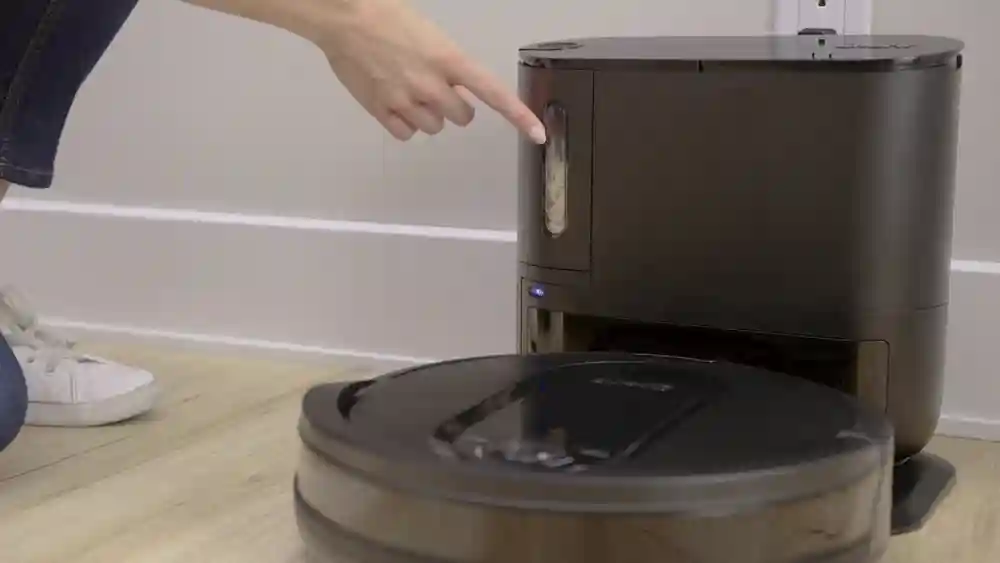
Some newer Shark robots have a self-emptying base (like the Shark IQ or Shark AI series). These bases let the robot empty its own dust cup after each clean, storing debris in a larger bag or bin. If you have this feature, your routine changes:
How Self-emptying Works
- After cleaning, the robot docks and automatically transfers dust from its cup into the base.
- The base holds weeks of debris before you need to empty or replace the bag.
Your Role
- Empty the base bag: When the base alerts you (usually after 30 days for average homes).
- Check the robot cup: Every few weeks, open and check for stuck debris or clogs.
- Clean filters: As with standard models, wash or replace filters regularly.
Manual Emptying Still Needed?
Yes—sometimes. If you notice the robot isn’t emptying properly, or if you vacuum up a lot of pet hair or large debris, check and empty the robot cup by hand.
Table: Standard Vs. Self-emptying Models
| Feature | Standard Shark Robot | Self-Emptying Shark Robot |
|---|---|---|
| Manual Emptying Needed | After 1–3 uses | Every few weeks (robot cup) |
| Filter Cleaning | Monthly | Monthly |
| Base Bag/Canister | N/A | Replace/empty monthly |
| User Effort | Higher | Lower |
Self-emptying bases add convenience, but don’t skip manual checks.
Troubleshooting: When You Can’t Remove Or Empty The Dust Cup
Sometimes, the Shark dust cup won’t come out or won’t empty fully. Here’s what you can do:
Dust Cup Stuck
- Check for obstructions: Hair or debris can jam the release latch.
- Firm, gentle pressure: Press and hold the release button—don’t yank.
- Consult the manual: Some models have a safety lock or need a special motion.
Trap Door Won’t Open
- Clear visible debris: Use a cloth or brush to clear the latch area.
- Don’t force it: If stuck, soak the dust cup (without the filter) in warm water, then try again.
Dust Won’t Fall Out
- Tap gently: Tap the side of the cup on the bin, not the plastic door.
- Use a tool: A soft brush or even a chopstick can help dislodge stubborn clumps.
Table: Common Dust Cup Problems And Solutions
| Problem | Likely Cause | Solution |
|---|---|---|
| Cup won’t release | Jammed latch or debris | Clear debris, press release fully |
| Trap door stuck | Dust buildup in hinge | Soak and clean, don’t force |
| Dust stuck inside | Moisture or sticky debris | Use brush/chopstick, deep clean |
If problems continue, contact Shark support or refer to your user manual.

Credit: www.reddit.com
Pro Tips For Cleaner, Healthier Dust Cup Maintenance
Beyond the basics, there are a few tips and tricks that can make emptying and cleaning your Shark robot dust cup even easier and more effective:
- Wear a mask: If you have allergies or asthma, consider wearing a mask to avoid breathing in dust when emptying.
- Empty outside: For very dusty homes or when emptying after a long time, do it outside to prevent dust clouds indoors.
- Brush around the cup compartment: Dust can build up around the cup’s slot inside the robot—wipe this area monthly.
- Use a can of compressed air: Blow out dust from tricky corners or the cup’s filter compartment.
- Replace the dust cup if cracked: Cracks or broken seals can reduce suction and leak dust.
- Check for pet hair tangles: Long hair can wrap around the filter or trap door—remove it by hand or with scissors.
- Don’t overfill: Always empty before reaching the max line, especially if your robot runs on a schedule.
Many beginners overlook the cup’s seals and edges. Dust buildup here can cause the cup to fit poorly, affecting performance. Wipe these with a damp cloth during your deep cleaning routine.
How A Clean Dust Cup Boosts Robot Performance
You might wonder if emptying the cup really makes a difference. In fact, studies and user tests show that a clean dust cup improves vacuum efficiency by up to 30%. That means your robot picks up more dust and cleans faster. If you have pets, regular emptying also reduces odors and keeps allergens under control.
For those with allergies, a clean cup and filter can lower the amount of dust and dander released back into the air. This is especially important with Shark robots, which recirculate air through their filter systems.
What If You Forget To Empty The Dust Cup?
It happens—sometimes you forget to empty the dust cup for a few cycles. Here’s what you might notice:
- The robot leaves more crumbs or hair behind.
- The robot returns to its dock before finishing.
- Error messages or beeping (on newer models).
- Unpleasant smells when the robot runs.
If you notice these signs, stop and empty the dust cup right away. Then check and clean the filter and dust cup compartment. Running the robot with a full cup repeatedly can shorten the motor’s life and lead to more expensive repairs.
How Shark Robots Compare To Other Brands For Dust Cup Maintenance
If you’ve owned other robot vacuums before, you might wonder how Shark’s design compares. In general, Shark dust cups are known for:
- Easy removal: Most models have a one-button release.
- Accessible filters: Filters are easy to reach and clean.
- Clear max lines: It’s simple to see when the cup is full.
Brands like iRobot Roomba and Roborock have similar dust bin sizes, but some require more steps for filter cleaning. Shark’s trap door system makes emptying less messy, but cups can still jam if not cleaned regularly. Overall, Shark offers a balance of convenience and effective cleaning.
When To Replace The Dust Cup
Dust cups are durable, but they don’t last forever. Replace the dust cup if you notice:
- Cracks or holes: These can leak dust and reduce suction.
- Broken trap door: If the door won’t close or latch.
- Worn seals: If dust escapes around the edges.
Most users only need to replace the cup every 2–3 years, depending on use. You can buy genuine replacements from Shark or authorized retailers.
Shark Robot Dust Cup: Safety And Hygiene Tips
A clean dust cup isn’t just about performance—it’s also about safety. Dust contains bacteria, allergens, and sometimes even mold. Here’s how to stay safe:
- Wash hands after emptying: Always wash with soap and water.
- Don’t touch your face: Avoid touching eyes or mouth while emptying.
- Keep away from children: Store the dust cup out of reach, especially if you have little ones or pets.
- Sanitize occasionally: Wipe the cup with a mild disinfectant (not bleach) if you’re concerned about germs.
If you have allergies or sensitivities, wear gloves and a mask during cleaning.

Credit: www.reddit.com
How To Make Emptying The Dust Cup Easier
Some users find the dust cup messy or awkward to empty. Here’s how to make it simpler:
- Use a lined trash can: This catches dust and makes disposal cleaner.
- Hold the cup low: Keep the cup inside the trash can before opening the trap door.
- Empty more often: Smaller amounts of dust are less likely to spill or create clouds.
If your model’s cup is too small, consider scheduling the robot to clean more often, so each session collects less debris.
Innovations In Shark Dust Cup Design
Shark continues to update its robot vacuum designs. Newer models have:
- Larger dust cups: Up to 0.7 liters, so you empty less often.
- Anti-allergen seals: Prevent dust leaks when handling the cup.
- Self-cleaning brushrolls: Reduce hair tangles that can block the cup.
These features make maintenance easier, but the basic emptying process remains the same.

Credit: www.youtube.com
Environmental Considerations
Emptying the dust cup is a small task, but it’s worth thinking about the environmental impact. Shark robot dust cups are reusable, but filters and dust bags (in self-emptying bases) need replacement.
- Recycle filters: Where possible, recycle old filters according to local guidelines.
- Compost dust: If you vacuum up only natural dirt and pet hair (no plastics or chemicals), you can compost the contents.
- Avoid single-use bags: If you want less waste, choose a model with a reusable base canister.
These steps help reduce your environmental footprint.
Table: Average Dust Cup Capacity By Shark Model
To help you plan your cleaning routine, here’s a look at typical dust cup capacities for popular Shark robot models.
| Shark Model | Dust Cup Capacity (liters) | Recommended Emptying Frequency |
|---|---|---|
| Shark ION R101AE | 0.6 L | After every use |
| Shark IQ RV1001AE | 0.7 L | After 1–2 uses |
| Shark AI Robot XL | 0.7 L | After 2–3 uses |
| Shark EZ Robot | 0.5 L | After every use |
Check your manual for the exact capacity and adjust your schedule as needed.
Frequently Asked Questions
How Do I Know When The Shark Robot Dust Cup Is Full?
Most Shark robots have a max fill line on the dust cup. If debris is at or above this line, it’s time to empty. Some models alert you with a light or message. If suction drops or the robot leaves dirt behind, check the cup right away.
Can I Wash The Shark Robot Dust Cup With Soap?
You can rinse the dust cup with lukewarm water. Shark recommends not using soap or harsh chemicals because they can damage the plastic or leave residue. For stubborn dirt, use a soft brush. Let the cup dry fully before reinstalling.
What Should I Do If The Dust Cup Won’t Go Back In?
Check for obstructions—sometimes a piece of debris blocks the slot. Make sure the filter is seated correctly and the trap door is closed. Align the cup carefully and push until you hear a click. If it still won’t fit, consult your manual or Shark support.
How Often Should I Replace Shark Robot Filters?
Foam and felt filters should be replaced every 6–12 months. HEPA filters last 12–24 months, depending on use and cleaning. If you notice reduced suction or persistent odor after cleaning, it’s time to replace the filter.
Where Can I Find Official Instructions For My Shark Model?
Visit the official Shark website or your product’s manual. For more details, check the Shark Clean Support page.
Taking care of your Shark robot dust cup is simple once you know the steps. With regular emptying, cleaning, and a few smart habits, your robot will stay efficient, last longer, and keep your home healthier and cleaner.