Dyson vacuums have earned a reputation for strong suction, smart engineering, and innovative design. But what really sets them apart is their range of vacuum attachments. Whether you’re cleaning carpets, sofas, car interiors, or delicate blinds, the right tool can make all the difference.
If you’ve ever wondered what all those strange-shaped heads and brushes are for, you’re not alone. Let’s look at the different vacuum attachments for Dyson, how they work, and when to use each one for the best cleaning results.
Understanding Dyson Attachments
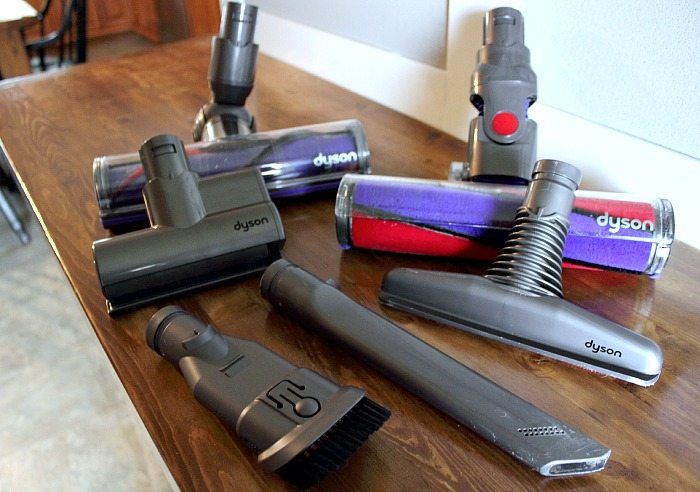
Dyson vacuums come with a variety of attachments—sometimes called tools or heads. These are designed for specific surfaces or cleaning challenges. Not all Dyson models include every tool, but most offer several core attachments and some specialized ones. Using the right attachment can improve cleaning efficiency, protect surfaces, and even extend the life of your vacuum. Many people don’t realize just how much better their vacuum performs with the correct tool.
Essential Dyson Vacuum Attachments
Some attachments are included with nearly every Dyson vacuum. These are the ones you’ll reach for most often.
Combination Tool
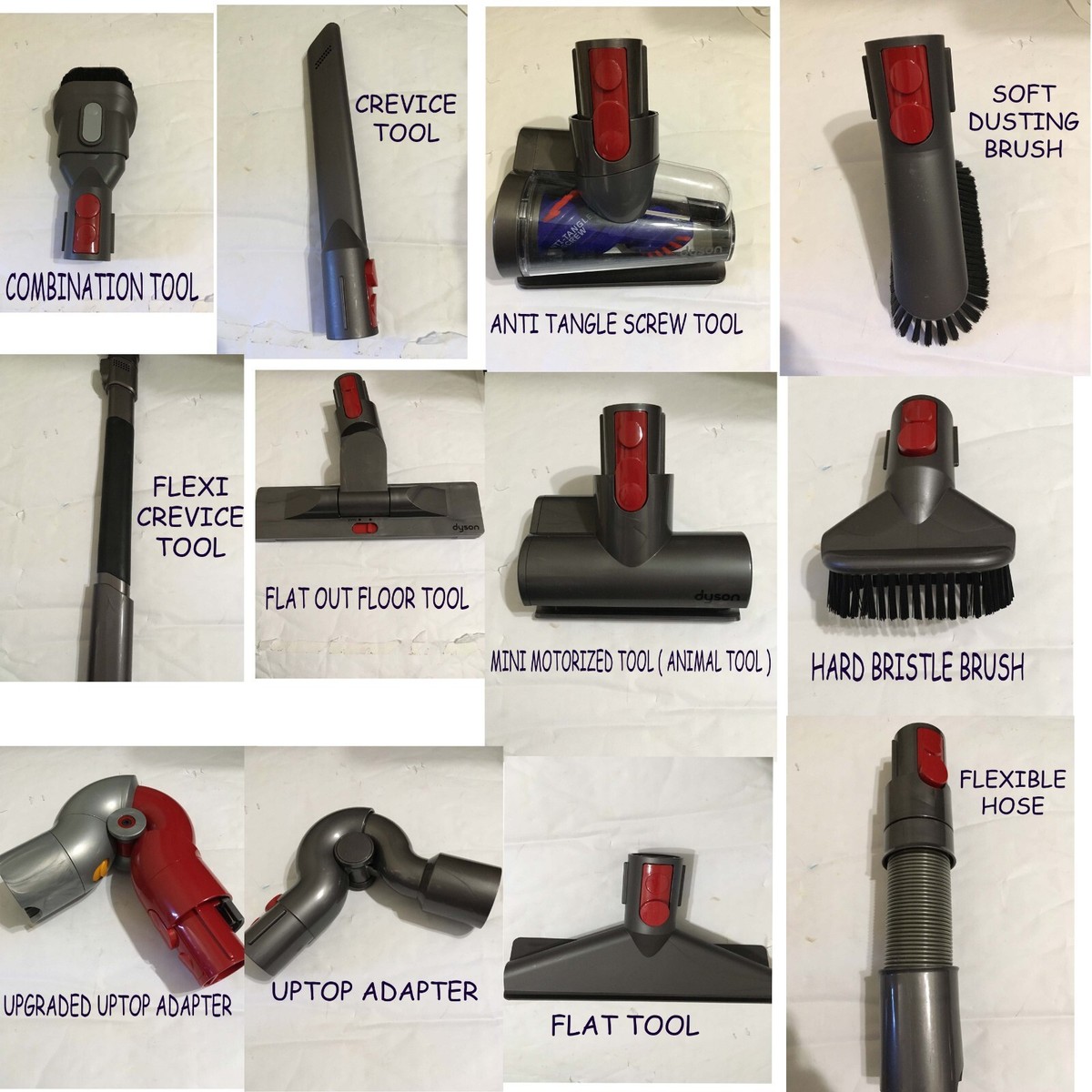
The Combination Tool is a two-in-one attachment that switches between a wide nozzle and a brush. The nozzle handles crumbs and larger debris on hard surfaces, while the brush is helpful for dusting shelves, keyboards, or vents. Its versatility means you can switch tasks quickly without changing attachments.
Crevice Tool
The Crevice Tool is long and narrow, designed to reach into tight spaces. It’s ideal for cleaning corners, along baseboards, between sofa cushions, and inside car seats. Its slim shape helps you access spots that larger heads can’t reach.
Mini Motorized Tool
This compact, powered brush is perfect for pet hair, lint, or ground-in dirt on upholstery and stairs. The brush bar spins rapidly, lifting stubborn debris that a suction-only tool might leave behind. If you have pets or fabric-covered furniture, this attachment is a must.
Soft Dusting Brush
The Soft Dusting Brush uses gentle bristles to lift dust from delicate surfaces like lampshades, blinds, and electronics. This is a safer way to clean fragile items compared to harsher brushes, reducing the risk of scratches or static buildup.
Mattress Tool
This flat, wide tool is made for cleaning mattresses, cushions, and even car seats. It removes dust mites, allergens, and fine particles from fabric surfaces. Many users overlook the value of this tool, but regular use can help reduce allergens in the bedroom.
:max_bytes(150000):strip_icc()/vacuum-attachment-chart-1-940813e61a5346bb88e4145ac5b8b2f2.jpg)
Credit: www.realsimple.com
Specialized Dyson Attachments
Some Dyson attachments are designed for particular cleaning tasks or environments. These may not come standard with every model but can be purchased separately.
Stubborn Dirt Brush
The Stubborn Dirt Brush features stiff bristles that loosen dried mud, ground-in dirt, or debris on carpets and high-traffic areas. It’s especially useful for entryways, doormats, or the floor of your car.
Up-top Adapter
This clever adapter bends and locks at different angles, making it easier to clean high shelves, cabinet tops, and ceiling fans. Attach a brush head to the Up-Top Adapter, and you can dust places that are usually out of reach without a ladder.
Extension Hose
The Extension Hose stretches your reach by up to 50 inches (127 cm), useful for cleaning stairs, cars, or under furniture. It’s flexible and helps you tackle awkward spots without lifting the main vacuum body.
Flexi Crevice Tool
Similar to the standard crevice tool but with a flexible, extendable neck. It bends to reach behind appliances, under car seats, or into deep corners. If you have a lot of hard-to-reach spaces, this tool can save time and effort.
Articulating Hard Floor Tool
This attachment swivels and pivots, making it ideal for cleaning hardwood, tile, or laminate floors. The soft bristles capture fine dust, while the tool glides smoothly to avoid scratching delicate surfaces. Its low profile means it fits under furniture easily.
Dyson Floor Heads: The Main Cleaning Attachments
The floor head, sometimes called the cleaner head, is the primary tool for everyday cleaning. Dyson offers different heads for different surfaces. Here’s how they compare:
| Floor Head | Best For | Special Features |
|---|---|---|
| Direct Drive Cleaner Head | Carpets, rugs | Motorized brush bar, deep cleaning |
| Soft Roller Cleaner Head | Hard floors | Gentle on surfaces, picks up fine dust and large debris |
| High Torque Cleaner Head | All floor types | Automatically adjusts suction, handles tough dirt |
| Laser Slim Fluffy Head | Hard floors | Laser reveals hidden dust, ultra-soft roller |
Direct Drive Cleaner Head
This is Dyson’s standard motorized head for carpets and rugs. The spinning brush bar drives deep into carpet fibers, removing embedded dirt. It’s less ideal for hard floors, as the stiff bristles can scatter debris.
Soft Roller (fluffy) Cleaner Head
Designed for hard surfaces, the Soft Roller Head uses a soft, textured roller to pick up dust and large particles without scratching. It’s especially effective on hardwood and tile floors.
High Torque Cleaner Head
Found on premium Dyson models, this head senses the floor type and adjusts the suction automatically. It works well on both carpets and hard floors, making it a good all-in-one solution.
Laser Slim Fluffy Head
One of Dyson’s newest innovations, this head uses a green laser to illuminate fine dust on hard floors. It helps you see dirt you’d otherwise miss, and the soft roller collects both large and tiny particles efficiently.
Comparing Dyson Attachments
Not sure which attachment to use? Here’s a quick comparison to help you pick the right tool for the job:
| Attachment | Best Use | Surface Types |
|---|---|---|
| Crevice Tool | Tight spaces, corners | All |
| Mini Motorized Tool | Pet hair, upholstery | Fabric, carpet |
| Soft Dusting Brush | Delicate dusting | Electronics, blinds |
| Stubborn Dirt Brush | Ground-in dirt | Carpet, car mats |
| Articulating Hard Floor Tool | Fine dust, hard floors | Wood, tile, laminate |
Hidden Benefits And Advanced Tips
Most users focus on the main floor head and ignore smaller attachments. But knowing when to swap tools can save time and protect your home.
- Use the right tool for delicate cleaning: The soft dusting brush is much less likely to scratch TV screens or piano keys than a general-purpose brush.
- Mattress tool for allergies: Regularly vacuuming your mattress with the mattress tool can reduce dust mites and allergy symptoms—something even experienced users forget.
- Up-Top Adapter for fan blades: Instead of climbing a chair, connect a soft brush to the Up-Top Adapter and dust ceiling fans or tall shelves safely from the ground.
- Flexi Crevice Tool for behind appliances: Dust and crumbs often gather behind the fridge or washer. The Flexi Crevice Tool can reach these spots without moving heavy items.
- Mini Motorized Tool for pet beds: Pet hair can be stubborn on fabric surfaces. The motorized brush lifts more hair than suction alone.
Many people don’t realize that the wrong attachment can reduce suction or spread dust. For example, using a motorized head on delicate flooring may cause scratches, while a soft roller won’t clean carpets deeply.
Credit: www.ebay.com
How To Clean And Maintain Dyson Attachments
Keeping your attachments clean makes your vacuum more effective and lasts longer.
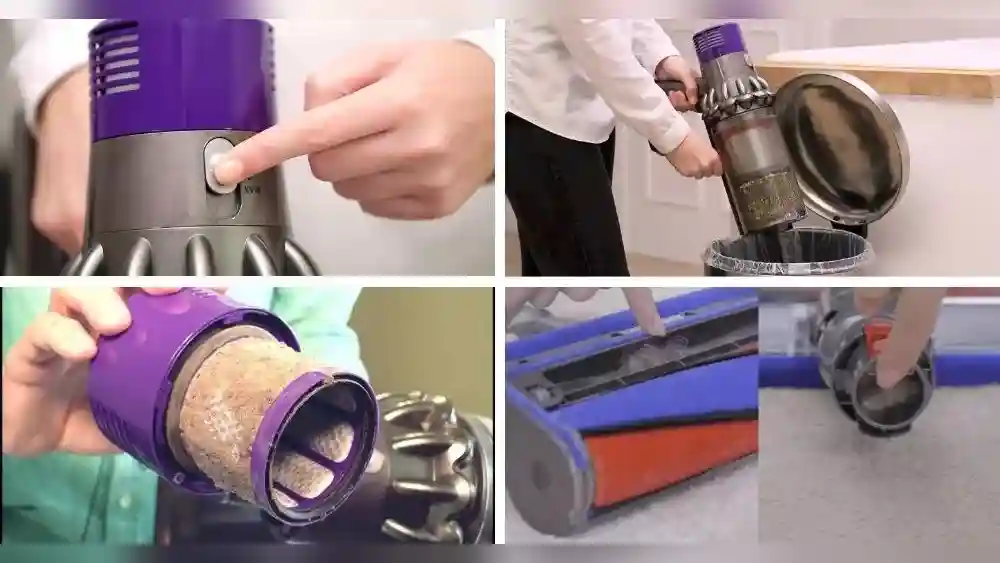
- Washable parts: Some tools, like the soft roller and dusting brush, have washable parts. Rinse with cold water only and let them dry completely before reattaching.
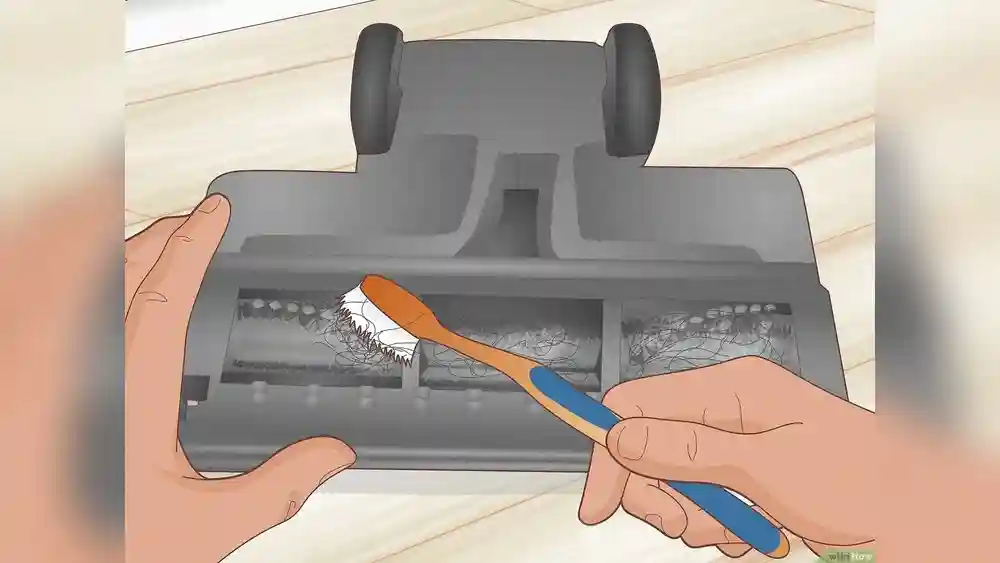
- Remove hair and threads: Hair can wrap around brush bars. Carefully cut and pull out any tangles to keep the tool working well.
- Check for clogs: If you notice reduced suction, detach the tool and check for blockages. Even small pieces of debris can affect performance.
- Store correctly: Use Dyson’s onboard storage or a dedicated wall mount to keep tools organized and easy to reach.
Neglecting maintenance can lead to reduced suction, noisier operation, or even damage to your vacuum. It’s a simple task that makes a big difference.
Choosing The Right Attachment For The Job
With so many options, picking the right attachment can be confusing. Here are some examples to make it easier:
- Cleaning car interiors: Use the crevice tool for tight spots, the mini motorized tool for seats, and the extension hose for under seats.
- Blinds and lampshades: The soft dusting brush gently removes dust without static buildup.
- Pet hair on couches: The mini motorized tool or stubborn dirt brush works best.
- High shelves and crown molding: Combine the Up-Top Adapter with a dusting brush for easy access.
It’s smart to keep your most-used tools handy and store the rest nearby. Over time, you’ll learn which attachments work best for your unique cleaning needs.
Credit: www.creeklinehouse.com
Are Dyson Attachments Interchangeable?
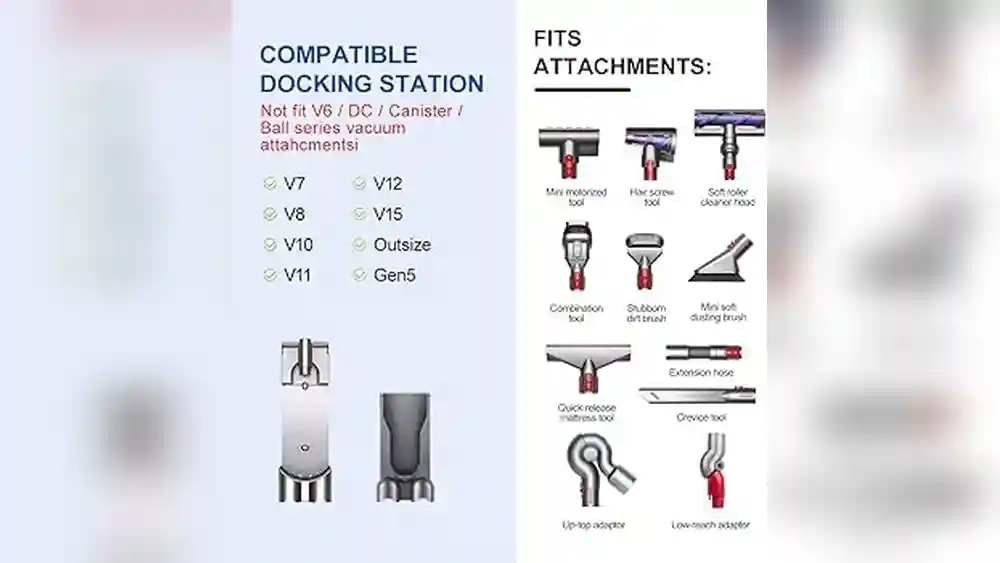
Not all Dyson attachments fit every model. Most recent Dyson cordless vacuums (like the V7, V8, V10, V11, V15) use the same “quick release” system, making it easy to swap tools between models. However, older vacuums may use a different connector.
When buying extra tools, check compatibility with your specific Dyson model. Some users make the mistake of buying a tool only to find it doesn’t fit their vacuum.
The Value Of Genuine Dyson Tools
You can find third-party attachments online, often at a lower price. But genuine Dyson tools are engineered for the best fit, airflow, and durability. Non-Dyson tools sometimes fit poorly, leak air, or even damage your vacuum. For important jobs—like cleaning delicate electronics or high-value flooring—using the genuine article is the safest bet. For more on Dyson’s engineering and innovation, you can visit their official site: Dyson Official.
When To Upgrade Or Add Attachments
Your cleaning needs may change over time. If you move to a home with more hard floors, consider the soft roller or articulating hard floor tool. New Dyson attachments are released regularly, with features like lasers or improved dust pickup.
Investing in the right tool can save you hours of cleaning and prevent wear on your vacuum.
Frequently Asked Questions
What Is The Best Dyson Attachment For Pet Hair?
The Mini Motorized Tool is highly effective on pet hair, especially on upholstery, stairs, and car seats. The spinning brush bar lifts hair and dander that a suction-only tool may leave behind. For floors, the Direct Drive Cleaner Head works well on carpets, while the Soft Roller Head is great for removing pet hair from hard surfaces.
Are Dyson Attachments Compatible With All Models?
Most modern Dyson cordless vacuums use a “quick release” system, so tools are often interchangeable between models like the V7, V8, V10, V11, and V15. However, older models and some corded vacuums have different connectors. Always check your model number before buying new attachments to avoid compatibility issues.
How Do I Clean Dyson Vacuum Attachments?
Wash soft brushes and rollers in cold water only, and let them dry completely before reusing. Remove hair and threads from brush bars by cutting them free. For hard plastic tools, wipe with a damp cloth. Never use soap or harsh chemicals, as these can damage the parts.
Is It Worth Buying Third-party Dyson Attachments?
While third-party attachments can be cheaper, genuine Dyson tools are designed for the best fit, airflow, and performance. Off-brand tools may not fit securely and could reduce suction or even damage your vacuum. For critical cleaning tasks, it’s usually safer to use Dyson-branded tools.
Why Does My Dyson Lose Suction When Using Some Attachments?
Reduced suction often means a tool is clogged with debris or hair. Check for blockages and clean the attachment as needed. Using the wrong tool for the surface can also reduce effectiveness—for example, using a soft roller on thick carpet.
If the problem continues, check your vacuum’s filters and dust bin.
The right Dyson vacuum attachment can transform your cleaning routine. By matching the tool to the task, you’ll get faster, deeper results and protect your home’s surfaces. Understanding each attachment’s purpose lets you make the most of your Dyson and keeps your home cleaner with less effort.