Are Robot Vacuum Cleaners Worth It?
Robot vacuum cleaners promise easy cleaning, less effort, and more free time. Many people wonder if these small, smart devices are really a good investment or just a gadget. As a friendly mentor, I’ll help you look at the facts, examples, and common mistakes to help you decide if robot vacuums are worth it for your home.
How Robot Vacuum Cleaners Work
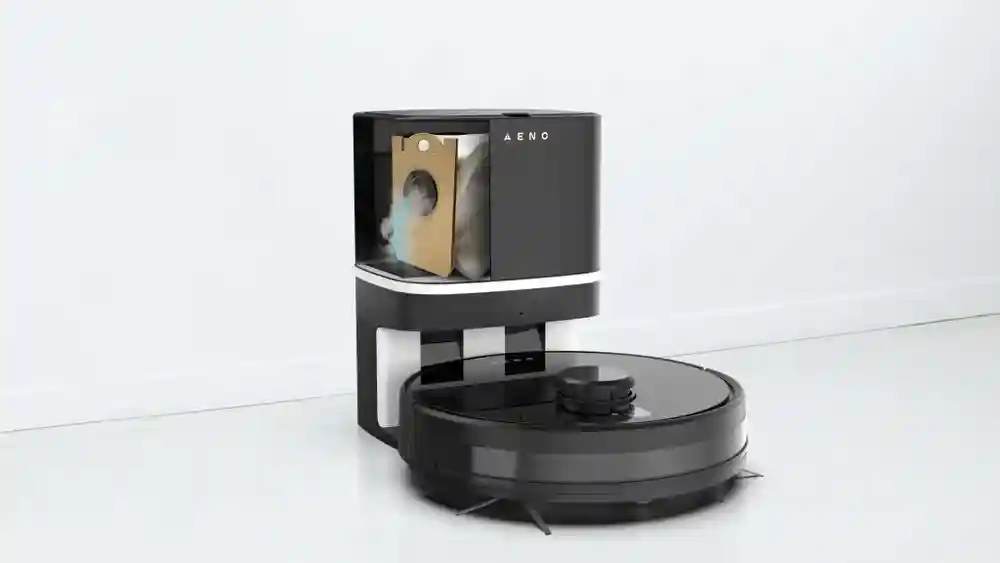
Robot vacuums use sensors, motors, and software to clean floors automatically. They move around your home, picking up dust, hair, and crumbs. Most models connect to Wi-Fi, let you schedule cleaning times, and return to their charging dock when finished.
They use different navigation systems. Some are random, bumping into walls and furniture, while others use laser mapping or cameras to clean more efficiently. High-end models often create a map of your home and let you control them from your phone.
Pros And Cons Of Robot Vacuum Cleaners
Robot vacuums sound great, but they have clear strengths and weaknesses. Here’s an honest look:
Pros
- Convenience: You don’t need to vacuum yourself. Schedule cleanings or just press a button.
- Saves Time: Many users say robot vacuums save them 2-4 hours per week.
- Frequent Cleaning: They can clean daily, keeping floors free of dust and allergens.
- Smart Features: Some models avoid pet messes, remember room layouts, and suggest cleaning schedules.
- Compact Design: Their small size lets them clean under beds, sofas, and tables.
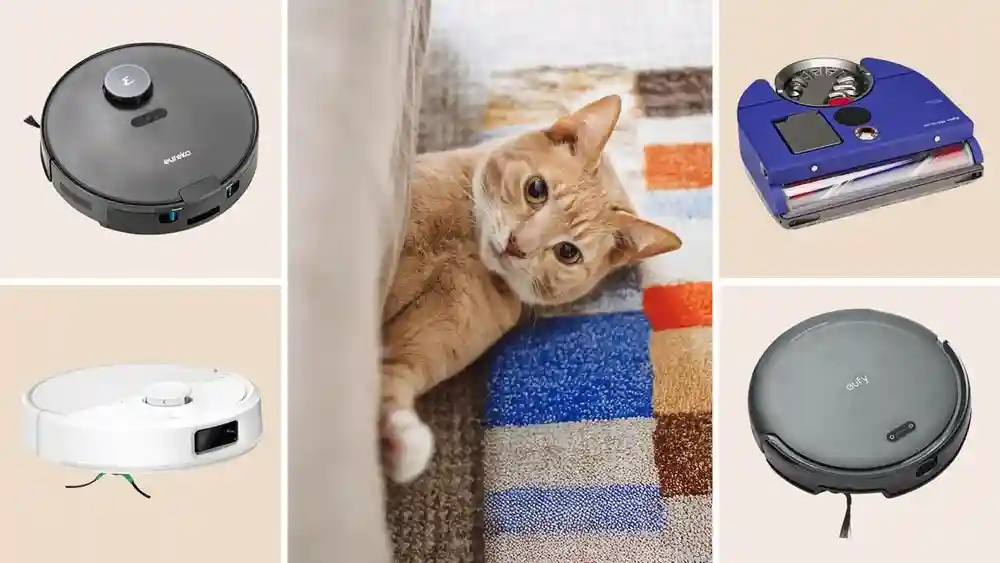
- Good for Pet Owners: Many owners report fewer pet hairs and less dander.
Cons
- Not Deep Cleaners: Robot vacuums usually don’t match the power of upright or canister vacuums.
- Maintenance: You must empty the dustbin often and clean brushes and sensors.
- Navigation Issues: Cheaper models can miss spots or get stuck.
- Battery Life: Lower-end robots may need frequent charging.
- Initial Cost: Quality models are expensive, from $250 up to $1,000+.
- Noise: Some models are noisy, especially on hard floors.
Comparing Robot Vacuums To Traditional Vacuums
To decide if robot vacuums are worth it, compare them to regular vacuums. Here’s a clear table:
| Feature | Robot Vacuum | Traditional Vacuum |
|---|---|---|
| Cleaning Power | Moderate | High |
| Ease of Use | Very Easy | Manual |
| Coverage | Good for floors | Floors, furniture, stairs |
| Maintenance | Frequent small tasks | Less frequent, bigger tasks |
| Price Range | $150–$1,200 | $50–$700 |
Non-obvious insight: Robot vacuums are best for regular, light cleaning. For deep cleaning or carpets, traditional vacuums still win.
Key Features To Consider When Buying
If you decide a robot vacuum is worth trying, focus on features that really matter:
- Navigation Technology: Laser, camera, or random movement. Laser is best for complex homes.
- Battery Life: Look for at least 90 minutes per charge for medium-sized homes.
- Dustbin Size: Larger bins mean less emptying, especially if you have pets.
- App Control: Useful for scheduling, maps, and setting no-go zones.
- Carpet Performance: Not all robots handle carpets well. Some models boost suction automatically.
- Obstacle Avoidance: Newer models avoid wires, shoes, and pet messes.
- Noise Level: Quieter models are better for apartments.
Here’s a quick comparison of popular robot vacuum features:
| Model | Navigation | Battery | Dustbin | App Control | Carpet Boost | Noise |
|---|---|---|---|---|---|---|
| Roomba s9+ | Laser Mapping | 120 min | 400 ml | Yes | Yes | Medium |
| Eufy RoboVac 11S | Random | 100 min | 600 ml | No | No | Quiet |
| Roborock S7 | Laser Mapping | 180 min | 470 ml | Yes | Yes | Medium |
Practical tip: Don’t pay extra for features you won’t use. For example, if you don’t have carpets, ignore carpet boost.

Credit: www.amazon.com
Real-life Examples And Data
Many robot vacuum owners report real changes in their daily lives. According to a 2022 survey by Statista, 68% of robot vacuum users said their homes felt cleaner and more comfortable. Another study found that robot vacuums reduce dust mites by up to 60% with regular use.
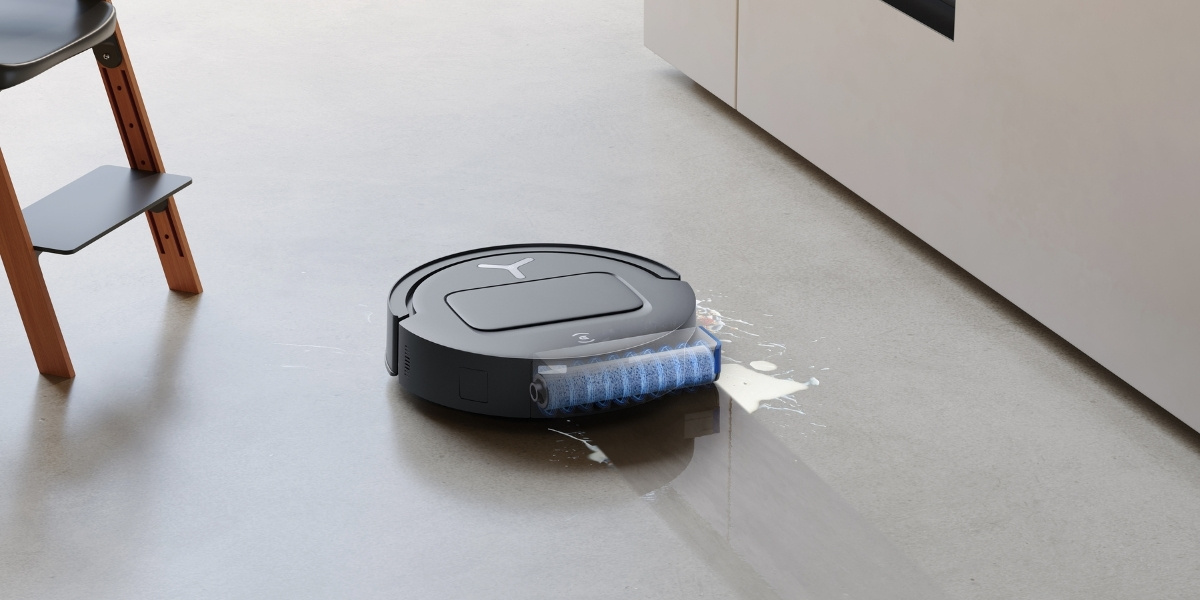
A family with two dogs said their Roomba cut visible pet hair by half. In a busy apartment, a robot vacuum helped keep dust away, especially under furniture. One common mistake: expecting the robot to handle big messes or deep stains. Robot vacuums are better for maintenance cleaning, not for tough jobs.
Cost Analysis: Are They Worth The Money?
Robot vacuums cost more than most regular vacuums. Let’s look at the numbers.
- Entry-level models: $150–$300
- Mid-range models: $300–$600
- High-end models: $600–$1,200
But the average US household spends 4–6 hours per month vacuuming. If a robot vacuum saves most of this time, the value can be high, especially for busy families.
Another factor is maintenance costs. Brushes, filters, and batteries need replacing every 6–18 months. This usually adds $30–$80 per year.
Here’s a simple cost comparison:
| Type | Initial Cost | Yearly Maintenance | Time Saved |
|---|---|---|---|
| Robot Vacuum | $500 | $60 | 50–60 hours/year |
| Traditional Vacuum | $200 | $40 | 0 hours/year |
If you value your free time, the cost may be worth it. But if you have a small home or enjoy cleaning, a robot vacuum may not be needed.
Credit: www.ecovacs.com
Common Mistakes When Choosing Or Using Robot Vacuums
Beginners often make mistakes that reduce the value of their robot vacuum:
- Buying the cheapest model: Cheap robots often get stuck, miss spots, and break sooner.
- Ignoring maintenance: Dustbins, brushes, and sensors need regular cleaning or the robot won’t work well.
- Not preparing the home: Wires, socks, and toys can block the robot. Pick up clutter for best results.
- Expecting deep cleaning: Robot vacuums are for daily upkeep, not heavy-duty jobs.
- Skipping software updates: Many robots improve over time with updates. Check for new features.
Non-obvious insight: Some homes need two robots—one for upstairs and one for downstairs—if you have stairs and want full coverage.
Who Should Buy A Robot Vacuum?
Robot vacuums are ideal for:
- Busy professionals and parents
- People with pets
- Allergy sufferers needing regular dust removal
- Anyone wanting daily cleaning without effort
- Elderly or disabled people who have trouble vacuuming
They may not suit:
- Homes with many steps (robots can’t climb stairs)
- People who enjoy manual cleaning
- Those with tight budgets

Credit: www.eufy.com
Environmental Impact And Longevity
Robot vacuums use less energy than most traditional vacuums. Most models consume 20–40 watts during use, compared to 500–1,000 watts for regular vacuums. They also last 3–5 years with proper care. Recycling the batteries and parts is important for reducing waste.
Are Robot Vacuum Cleaners Worth It?
Robot vacuum cleaners are worth it if you want convenience, time savings, and regular cleaning. They don’t replace deep cleaning, but they keep floors tidy. If you’re busy, have pets, or struggle with manual cleaning, a robot vacuum can improve your life.
But if you expect spotless carpets or dislike maintenance, you may be disappointed. Think about your home, cleaning needs, and budget. Try to match the features with your lifestyle, not just the price.
For more detailed data and comparisons, see this Wikipedia article.
Frequently Asked Questions
Do Robot Vacuums Work On All Floor Types?
Most robot vacuums handle hard floors, tile, and low-pile carpets. Some models have trouble on thick carpets or rugs. Always check the product specs before buying.
Can Robot Vacuums Clean Corners And Edges?
Robot vacuums use side brushes to clean edges, but corners may not be perfect. Manual cleaning is still needed for deep corners.
How Often Should I Clean The Dustbin And Brushes?
Empty the dustbin every 1–3 days, especially with pets. Clean the brushes and sensors weekly for best performance.
Do Robot Vacuums Avoid Stairs And Obstacles?
Yes, most use drop sensors to avoid stairs. Higher-end models can avoid wires, shoes, and pet messes. Always check your floors before starting.
Are Robot Vacuums Noisy?
Noise levels vary. Quiet models work at 55–65 decibels, while some reach 70+ decibels. Choose a quieter model if you live in an apartment or want less disturbance.
Robot vacuums are changing how we clean. They offer real convenience, but they are not magic. If you match the right features to your needs, they can be a helpful addition to your home.