Every homeowner wants vacuuming to be quick and easy. But what happens when your Shark vacuum suddenly becomes hard to push on carpet? Many Shark users feel frustrated when their vacuum’s brush roll seems to drag, stall, or refuse to move smoothly. Instead of gliding over your carpet, it feels like pushing a heavy box. This problem is more common than you think, but it often has simple solutions. Understanding why your Shark brush roll is hard to push and how to fix it can save you time, money, and a lot of arm pain.
Let’s break down the most common reasons, explore ways to make your Shark vacuum easier to use, and share expert tips for smoother cleaning. Whether you have thick plush carpet or a short pile, this guide will help you solve the problem for good.
Why Is My Shark Brush Roll Hard To Push On Carpet?
The main reason your Shark vacuum is hard to push is excess resistance between the brush roll and the carpet. But the story doesn’t end there. Several factors come together to create this resistance:
- Carpet Thickness: High-pile and plush carpets increase friction.
- Brush Roll Settings: Wrong settings can make pushing difficult.
- Suction Power: Too much suction can “stick” the vacuum to your carpet.
- Clogged Filters or Rollers: Dirt and hair block smooth movement.
- Height Adjustment: Incorrect height settings often cause drag.
- Worn or Tangled Brush Roll: Old or tangled brushes can stall.
- Vacuum Weight: Heavier models require more effort on soft carpets.
Many users are surprised to learn that even a nearly new Shark vacuum can become hard to push with the wrong settings. Let’s look at each cause in detail and uncover how to fix them.
Not Obvious: Static Electricity
One lesser-known reason some vacuums drag on carpet is static build-up. As the brush roll spins quickly over synthetic carpet fibers, it can produce static electricity. This sometimes causes the vacuum to “stick” to the carpet in certain weather conditions, especially when the air is very dry.
If you notice your vacuum is harder to move in winter, static could be a small factor.
Carpet Type And Its Impact
Carpet type is the number one factor that affects how easily a vacuum moves.
High-pile And Plush Carpets
High-pile carpets have longer fibers and are very soft. While they feel great underfoot, they create more resistance for vacuum brush rolls. Plush carpets, with their deep, thick fibers, cause even more drag. Your Shark vacuum may feel almost stuck or refuse to glide.
If you have a new high-pile carpet, you might notice your vacuum is much harder to use than before. The brush roll can sink into the deep fibers, making it difficult to push and pull the vacuum, especially if you have a heavier Shark model.
Some users even report that the vacuum leaves marks or tracks on plush carpet, which is a sign that the settings or brush roll type might not match the carpet.
Low-pile And Berber Carpets
Low-pile carpets and Berber carpets have shorter, denser fibers. Shark vacuums move much more easily over these surfaces. If you recently changed your carpet, you might notice your vacuum’s behavior changed.
Low-pile and Berber carpets are often found in offices, apartments, and homes with a modern style. On these carpets, the vacuum glides more smoothly and you rarely need to adjust settings. However, if you still feel resistance, double-check for clogs or improper height settings, since these can affect even low-pile carpets.
Area Rugs
Area rugs, especially those with a thick pile or rubber backing, can also create extra resistance. Sometimes the vacuum will “grab” the rug and try to pull it up, making it hard to push.
A common beginner mistake is to vacuum a lightweight area rug with a powerful vacuum set to maximum suction. The rug may bunch up, wrinkle, or even get pulled off the floor. To avoid this, use the gentlest suction setting and, if possible, turn off the brush roll.
Comparison Of Carpet Types And Vacuum Resistance
| Carpet Type | Ease of Pushing Shark Vacuum | Common Issues |
|---|---|---|
| High-Pile/Plush | Hard | Brush stalls, vacuum sticks |
| Low-Pile/Berber | Easy | Occasional snagging |
| Medium-Pile | Moderate | Some resistance |
| Area Rugs | Varies | Rug lifts, vacuum grabs |
If you have a high-pile carpet, expect a bit more resistance. But if it feels impossible to push, something else is likely wrong.
Extra Insight: Carpet Padding
Many people overlook the effect of carpet padding. Thick or soft padding under your carpet increases the "give" underfoot. It also means the vacuum can sink deeper into the carpet, increasing resistance. If your home has extra-cushioned carpet, your vacuum may need a higher height setting than usual.
Shark Vacuum Settings And Adjustments
Most Shark vacuums come with several settings for different floor types. Choosing the wrong setting is a common mistake.
Suction Control
Shark vacuums often have a suction control slider or dial. If the suction is set to maximum, the vacuum can “lock” itself to the carpet, making it nearly impossible to push. Reduce the suction setting for thick carpets.
Some Shark models have a physical vent on the hose or handle that you can open to allow extra airflow. Many users forget about this simple feature, but it can make vacuuming plush carpets much easier.
Brush Roll Speed
Some Shark models allow you to adjust the brush roll speed or even turn it off. For deep carpets, a slower speed or the “carpet” setting works best.
The right brush roll speed also helps prevent damage to delicate carpet fibers. If your carpet is new or has a warranty, always check the care instructions before using a high-speed brush roll.
Height Adjustment
Many Shark vacuums have a height adjustment knob or lever. Setting the vacuum too low for a thick carpet causes the brush roll to dig in, increasing resistance. Always match the vacuum height to your carpet thickness.
If you have pets that shed a lot, you might be tempted to use a lower height for “deeper cleaning. ” But this often makes the vacuum much harder to push and can wear out your carpet faster.
Choosing The Right Setting
If your Shark has a “Carpet/Low Pile” and “Carpet/High Pile” switch, use the “High Pile” for thick carpets. For area rugs, use the gentlest setting or switch to “Hard Floor” mode if available.
If your vacuum doesn’t have obvious settings for carpet type, try starting at the highest height and lowest suction. Gradually increase suction until you find a balance between cleaning power and ease of movement.
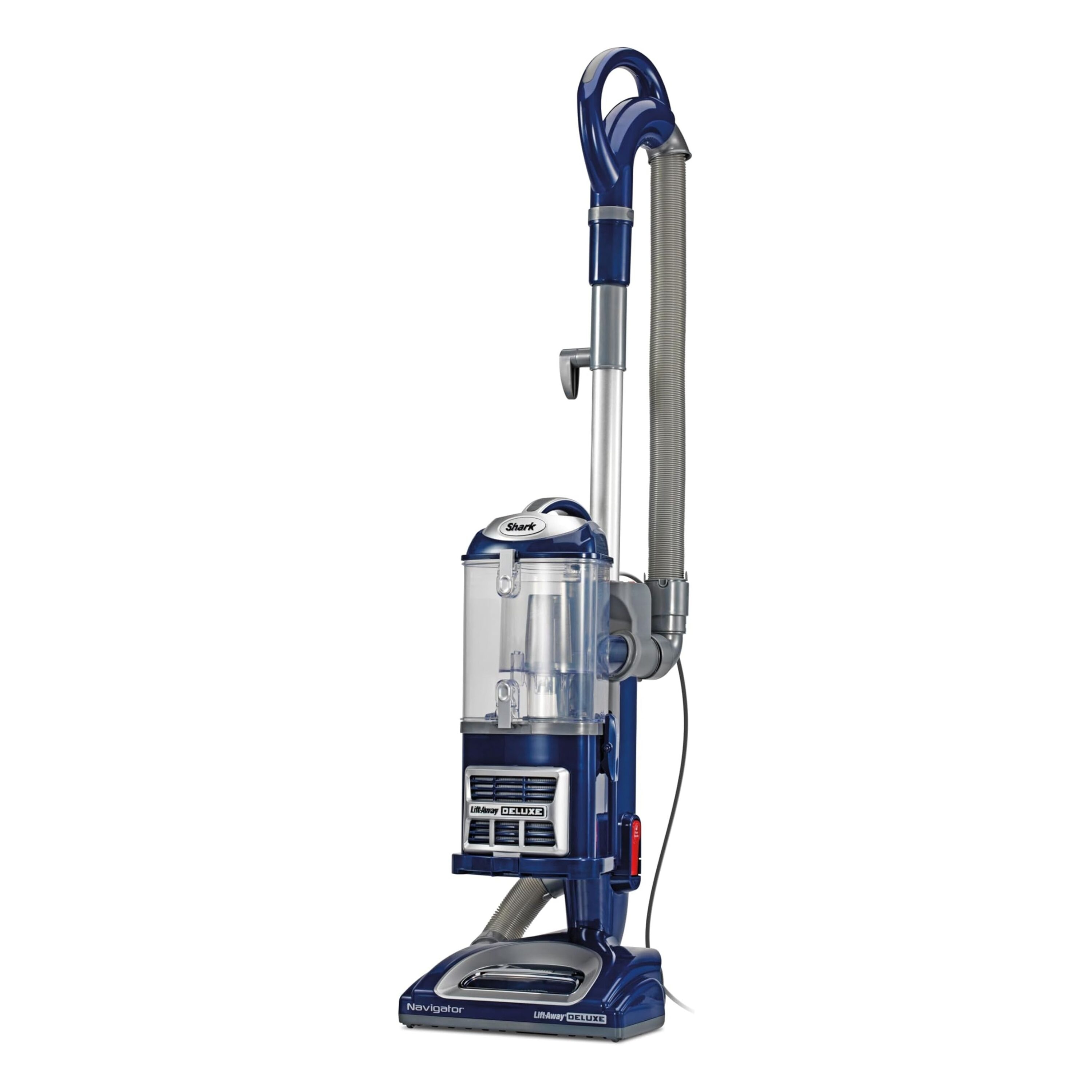
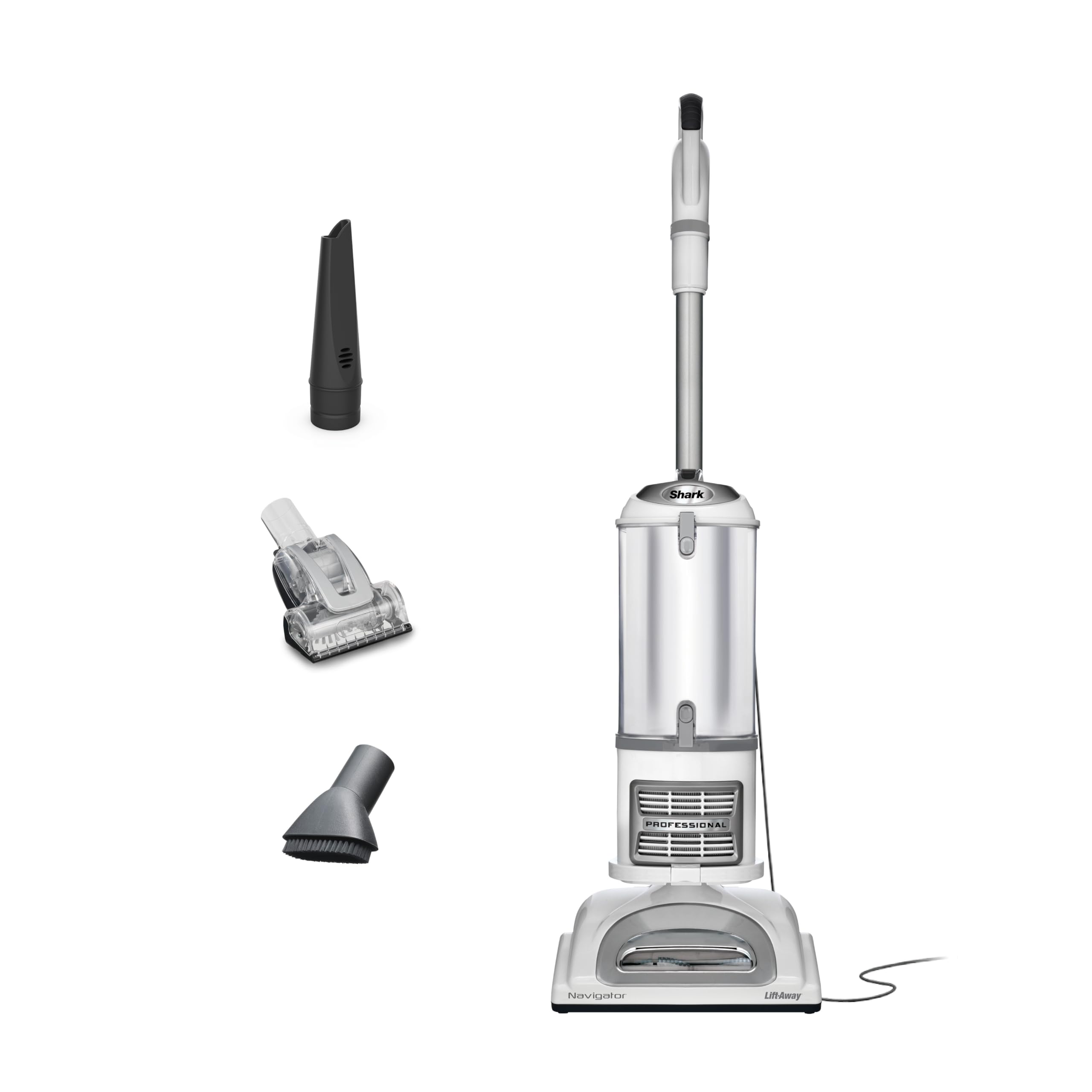
Example: Shark Navigator Lift-away
This popular model features a floor type selector. Many users accidentally leave it on “Hard Floor” mode, which makes it hard to push on carpet. Double-check your settings before vacuuming.
Not Obvious: Settings May Reset
Some Shark models reset to default settings when unplugged. Always check your height and suction controls after plugging your vacuum in, especially if you share the vacuum with others in your home.
Suction Power: Friend Or Foe?
Suction is important for picking up dirt. But on thick carpets, too much suction can backfire.
How Suction Affects Movement
When the vacuum’s suction is too strong, it creates a seal with the carpet. This vacuum “lock” effect makes it hard to push or pull the vacuum. It can even feel like your vacuum is glued to the floor.
In extreme cases, this can even cause the motor to overheat or shut off automatically to prevent damage. If you smell hot plastic or notice the vacuum shutting down, stop immediately and check your settings.
Adjusting Suction
Lower the suction using the slider or dial if your model has one. If your Shark does not have adjustable suction, try opening the airflow valve (sometimes called a suction release). This lets more air in, reducing the seal and making it easier to push.
If you notice that your vacuum is still hard to move after adjusting suction, try cleaning the filters and checking for blockages. Sometimes restricted airflow tricks the vacuum into increasing suction, making the problem worse.
When To Increase Suction
On flat, low-pile carpets, higher suction is helpful. But for high-pile or shag carpets, always reduce suction to protect both your carpet and vacuum motor.
If you have spots with heavy dirt, you can temporarily increase suction, but always return to a lower setting for general cleaning.
Real-world Example
One Shark user with a thick white shag rug found vacuuming almost impossible. Lowering the suction and raising the vacuum head solved the problem instantly.
Another user found that after cleaning out a clogged hose, the vacuum became easier to push even though they had not changed the settings. Regular cleaning and maintenance are just as important as adjusting the controls.
Credit: www.costco.com
Brush Roll Problems
The brush roll is the spinning part under your vacuum. If it’s not working right, pushing the vacuum gets much harder.
Tangled Hair And Debris
Hair, threads, and debris can wrap around the brush roll. This tangle makes the roll stiff or stops it from spinning. When this happens, the vacuum drags or stalls.
If you have pets or family members with long hair, check the brush roll more frequently. Even a little bit of hair can build up quickly and affect performance.
Worn Out Brushes
Over time, the bristles on the brush roll wear down. Worn brushes can’t “grab” dirt properly but still create friction, making pushing difficult.
You might notice that the vacuum makes more noise or leaves dirt behind. These are signs that the brush roll isn’t working as it should.
Blocked Bearings
The ends of the brush roll have bearings. If these are clogged with hair or dust, the brush won’t spin freely. This adds resistance and makes the vacuum hard to move.
A quick way to check is to spin the brush roll by hand (with the vacuum unplugged). If it feels rough or does not spin at all, clean or replace the bearings.
Checking And Cleaning The Brush Roll
- Unplug your vacuum.
- Flip it over and remove the baseplate.
- Cut away hair and string with scissors.
- Remove the brush roll (if your model allows) and clean the bearings.
- Replace the brush roll if bristles are very worn.
Be sure to check both ends of the brush roll for hidden tangles or stuck debris. Sometimes small clumps of dust or pet hair hide inside the bearings.
When To Replace The Brush Roll
If your brush roll is missing bristles or is very stiff, it’s time to buy a new one. Replacement brush rolls are usually available from Shark or major retailers.
Not Obvious: Brush Roll Types
Some Shark vacuums have special brush rolls for pet hair or hard floors. If you use a hard floor brush roll on deep carpet, it may not move smoothly. Always use the correct brush roll for your carpet type.
Filter And Airflow Issues
A Shark vacuum relies on good airflow. If the filters or airways are blocked, the vacuum can become hard to push.
Dirty Or Clogged Filters
Shark vacuums have one or more filters. When these are dirty, suction increases, but airflow drops. The vacuum can then “suck” itself to the carpet.
- Wash or replace filters every 3 months, or more often if you have pets.
Some filters are washable, but others need replacing. Check your user manual for details. Let washable filters dry completely before reinstalling to prevent mold growth.
Blocked Hoses Or Airways
A clog in the hose or air path also increases resistance. Remove the hose and check for blockages. Even small items like socks or toy pieces can get stuck.
If the vacuum suddenly becomes hard to push after picking up something large, stop and check for obstructions. Trying to vacuum with a blocked hose can damage the motor or belt.
Motor Protection
Shark vacuums have a safety feature that shuts off the brush roll if airflow is blocked. If your brush roll keeps stopping, check for clogs.
Extra Insight: Dust Cup Overfilling
Overfilling the dust cup can also restrict airflow. Empty the cup when it’s about two-thirds full for best performance.
Credit: www.lowes.com
Vacuum Weight And Model Design
The weight of your Shark vacuum makes a big difference. Some models are heavier and less agile, especially on soft carpets.
Upright Vs. Stick Models
- Upright models: Usually heavier, but more powerful. Harder to push on thick carpets.
- Stick models: Lighter, easier to maneuver, but sometimes less effective on deep carpets.
If you have joint pain or limited strength, a stick model or compact upright may be much easier to use. Many users find that switching to a lighter model is the simplest solution for plush carpets.
Swivel Steering
Many Shark vacuums have swivel steering. If the swivel joint is stiff or dirty, steering becomes difficult. Clean the swivel joint and apply a little silicone lubricant if needed.
A well-lubricated swivel helps the vacuum follow your movements, especially when turning or moving around furniture. If you notice the vacuum dragging in turns, check the swivel for dust or hair.
Weight Comparison Table
Here’s a quick look at how different Shark models compare for carpet use:
| Model | Weight (lbs) | Ease of Use on Carpet |
|---|---|---|
| Shark Navigator Lift-Away | 13.7 | Moderate |
| Shark Rotator Professional | 15.5 | Hard on plush carpet |
| Shark Rocket Corded Stick | 8.2 | Easy |
| Shark DuoClean Powered Lift-Away | 16 | Hard on high-pile |
If you have a heavy upright and thick carpet, consider a lighter stick model for easier cleaning.
Not Obvious: Wheel Material
Wheels made from hard plastic can dig into soft carpet. Models with rubberized or larger wheels roll more smoothly. If your vacuum’s wheels squeak or feel sticky, clean them and consider replacing with rubberized wheels if possible.
Common Mistakes And Myths
Many Shark users unknowingly make things worse. Here are some mistakes to avoid:
- Forgetting to Adjust Height: Always set the vacuum height to match your carpet.
- Ignoring Suction Settings: Maximum suction is not always better.
- Neglecting Regular Cleaning: Hair and dust build up quickly.
- Assuming “More Power” is the Solution: Using a higher-powered vacuum can damage plush carpets.
- Using Hard Floor Mode on Carpet: This can cause the vacuum to stick or drag.
A common myth is that “Shark vacuums just don’t work on carpet. ” In reality, proper settings and maintenance make a huge difference.
Extra Insight: New Carpet Shedding
Brand new carpets often shed fibers for the first few months. This can clog filters and brush rolls more quickly than usual. If your vacuum is harder to push after installing new carpet, increase your cleaning frequency for both the vacuum and the filters.
Expert Tips For Smoother Vacuuming
If your Shark brush roll is hard to push on carpet, try these tips:
1. Lower Suction On Plush Carpets
Reduce suction whenever you vacuum thick or high-pile carpet. Use the slider or open the suction release valve if your model has one.
2. Adjust Vacuum Height
Raise the vacuum head for deep carpets. Lower it for flat carpets. Read your user manual to find the adjustment control.
3. Clean The Brush Roll Frequently
Remove tangled hair and debris from the brush roll at least once a month. This keeps the roll spinning freely.
4. Check Filters Regularly
Clean or replace filters every few months. Clogged filters make pushing the vacuum harder.
5. Switch To Lighter Models For Thick Carpets
If you have wall-to-wall plush carpet, a lighter stick vacuum is usually easier to push.
6. Vacuum In Multiple Directions
Move the vacuum back and forth, then side to side. This loosens dirt and reduces resistance.
7. Use Carpet Rakes
A carpet rake before vacuuming lifts up crushed fibers, making vacuuming smoother and more effective.
8. Don’t Force The Vacuum
If your Shark vacuum refuses to move, stop and adjust the settings. Forcing can damage the motor or carpet.
9. Remove Area Rugs
Vacuum area rugs separately, especially if they’re thick or have a rubber backing.
10. Lubricate Swivel Joints
If the vacuum doesn’t turn easily, apply a little silicone lubricant to the swivel joint.
Extra Tip: Let The Vacuum Do The Work
Many people push too hard, thinking it will clean better. Instead, use slow, steady passes and let the vacuum’s motor and brush roll pick up the dirt. Forcing the vacuum can damage both the machine and the carpet.
When To Contact Shark Support
Sometimes, the problem is more serious. If you’ve tried all the above solutions and your Shark brush roll is still hard to push, it’s time to get help.
Signs You Need Professional Help
- The brush roll does not spin, even after cleaning.
- The vacuum makes loud or strange noises.
- There is a burning smell.
- Parts are visibly broken or cracked.
Contact Shark customer service or visit an authorized repair center. Using your vacuum with broken parts can damage your carpet or void your warranty.
Extra Insight: Warranty Coverage
Many Shark vacuums have a multi-year warranty. If your vacuum is only a year or two old and you’re having trouble, reach out to Shark support before trying to fix it yourself. Some repairs or replacements may be covered at no cost.
Maintaining Your Shark Vacuum For Easy Carpet Cleaning
Regular maintenance keeps your Shark vacuum running smoothly and makes it easier to use on all carpet types.
Monthly Maintenance Checklist
- Clean brush roll and bearings.
- Wash or replace all filters.
- Check for hose and airway clogs.
- Wipe down the vacuum body and wheels.
- Inspect power cord for damage.
Add a reminder to your calendar so you don’t forget these simple tasks.
Annual Maintenance
- Replace brush roll if worn.
- Check and replace belts if necessary.
- Deep clean all removable parts.
If you have allergies, consider replacing HEPA filters more often for the best air quality.
Bonus: Store Your Vacuum Properly
Store your vacuum in a dry area to prevent rust on the brush roll and bearings. Always wrap the cord loosely to prevent damage.
A well-maintained Shark vacuum will last longer and give better results on both carpet and hard floors.
How To Choose The Best Shark Vacuum For Your Carpet
If your current Shark model is always hard to push, you might need a different vacuum. Here’s what to look for:
1. Adjustable Height And Suction
Choose a model with both height adjustment and suction control. These features make a huge difference on thick carpets.
2. Lightweight Design
A lighter vacuum is easier to move, especially for large homes with plush carpet.
3. Large Wheels
Big, rubberized wheels glide more smoothly over deep carpet.
4. Swivel Steering
Swivel steering lets you maneuver around furniture and corners without strain.
5. Brush Roll Shut-off
Some Shark models let you turn off the brush roll. This is useful for delicate carpets or area rugs.
Not Obvious: Specialized Attachments
Some Shark vacuums come with special carpet tools or turbo brushes. These can help clean stairs and furniture where a full-size vacuum is hard to use.
Popular Shark Models For Carpets
Some of the best Shark vacuums for carpet include:
- Shark Navigator Lift-Away (for all carpet types)
- Shark Rocket Corded Stick (lightweight, good for plush carpet)
- Shark Rotator Powered Lift-Away (adjustable settings for high-pile carpet)
Before buying, check reviews and features to make sure the vacuum matches your carpet type. If possible, visit a store and try pushing the vacuum on a carpet sample similar to yours.
When A New Vacuum Is The Only Solution
Sometimes, no adjustment or cleaning will make your Shark vacuum easy to push. This happens when:
- The vacuum is too heavy for your carpet.
- The brush roll design does not match your carpet fibers.
- Your vacuum is very old and worn out.
If you’ve tried everything and vacuuming still feels like a workout, it’s time to upgrade. Newer Shark models are designed with better features for all carpet types. Investing in the right vacuum saves you time and protects your carpet.
For more information about carpet types and vacuum compatibility, check Consumer Reports.
Frequently Asked Questions
Why Does My Shark Vacuum Feel Stuck On My Carpet?
Your Shark vacuum feels stuck mainly due to excess suction or the wrong height setting. On thick carpets, the vacuum can create a seal, making it hard to push. Adjust the height and reduce suction to solve this.
How Often Should I Clean The Brush Roll?
Clean the brush roll at least once a month. If you have pets or long hair, check and clean it more often. Removing hair and debris keeps the brush spinning freely.
Can I Use My Shark Vacuum On All Carpet Types?
Most Shark vacuums work on all carpet types, but you need to adjust the settings. For thick or plush carpet, use lower suction and higher height. For low-pile carpets, use higher suction and lower height.
Is It Normal For Shark Vacuums To Be Hard To Push On Thick Carpet?
A little extra resistance is normal on high-pile carpet, but it should not feel impossible to push. If you struggle, check your settings, clean the vacuum, and make sure the brush roll is in good condition.
What Should I Do If None Of These Solutions Work?
If your Shark vacuum is still hard to push after trying all the tips, contact Shark customer service. There could be a deeper mechanical problem or your vacuum may not be suitable for your carpet type.
Can I Use My Shark Vacuum On Shag Rugs?
You can, but be careful. Use the highest height setting and the lowest suction. Move the vacuum slowly and do not force it. For delicate or vintage shag rugs, consider using a handheld tool or a suction-only vacuum.
Vacuuming should not be a chore that leaves you tired and frustrated. With the right settings, regular maintenance, and a little expert advice, your Shark vacuum can glide smoothly over any carpet. Take time to check your model, adjust your technique, and enjoy cleaner, fresher carpets without the struggle.
Credit: www.amazon.com