Getting rid of an old vacuum cleaner is not as simple as tossing it in the trash. Many vacuums contain materials that are not good for the environment, and improper disposal can cause problems for your local waste system. If you want to be responsible, save resources, and avoid fines, you need to know the right way to dispose of a vacuum cleaner.
This guide will show you practical steps, explain common mistakes, and share tips that many people overlook. Whether your vacuum broke, you upgraded, or you just want to clear some space, you’ll find clear advice here.
Understanding Why Proper Disposal Matters
Throwing a vacuum cleaner in the regular garbage seems easy, but it’s not the best choice. Most vacuums contain plastic, metal, wires, batteries, and sometimes electronic chips. These can take hundreds of years to break down in a landfill. Some parts, like batteries, can leak chemicals.
Others, like copper wires, are valuable and can be reused. By disposing of your vacuum cleaner correctly, you help the environment and keep your community safe.
According to the US Environmental Protection Agency, Americans throw away over 3 million tons of electronic waste every year. Only about 25% is recycled. Vacuums are part of this category. So, your action makes a difference.
Check If Your Vacuum Cleaner Is Still Usable
Before you decide to dispose of your vacuum, ask yourself: is it still working, or could someone else use it? Many vacuums are thrown away just because of minor issues.
Simple Repairs
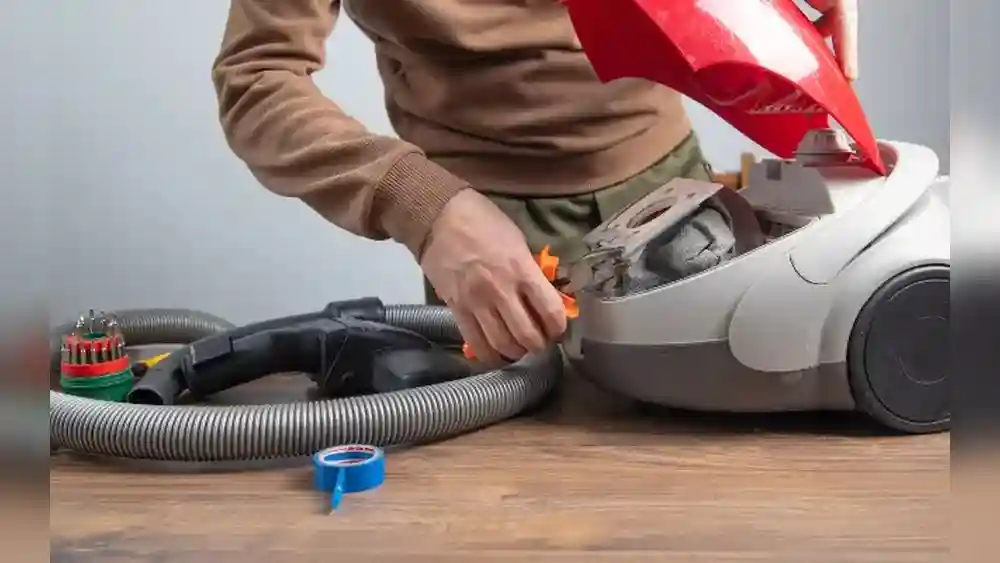
Sometimes, vacuums stop working due to a clogged filter, worn belt, or broken cord. These are often easy to fix with basic tools. Replacing a filter or belt can cost less than $10 and take just a few minutes.
Donation Options
If your vacuum is still running, consider donating it. Charities, shelters, or thrift stores often accept working appliances. Some local repair shops may also take old vacuums to fix and resell.
Selling Used Vacuums
Online platforms like Craigslist, Facebook Marketplace, or local “Buy Nothing” groups are good places to sell or give away a working vacuum. Even broken vacuums may be valuable for parts.
Preparing Your Vacuum Cleaner For Disposal
If your vacuum cannot be repaired or reused, you need to prepare it for disposal. This step is important for safety and recycling.
- Empty the dust container or bag. Remove all dirt and debris.
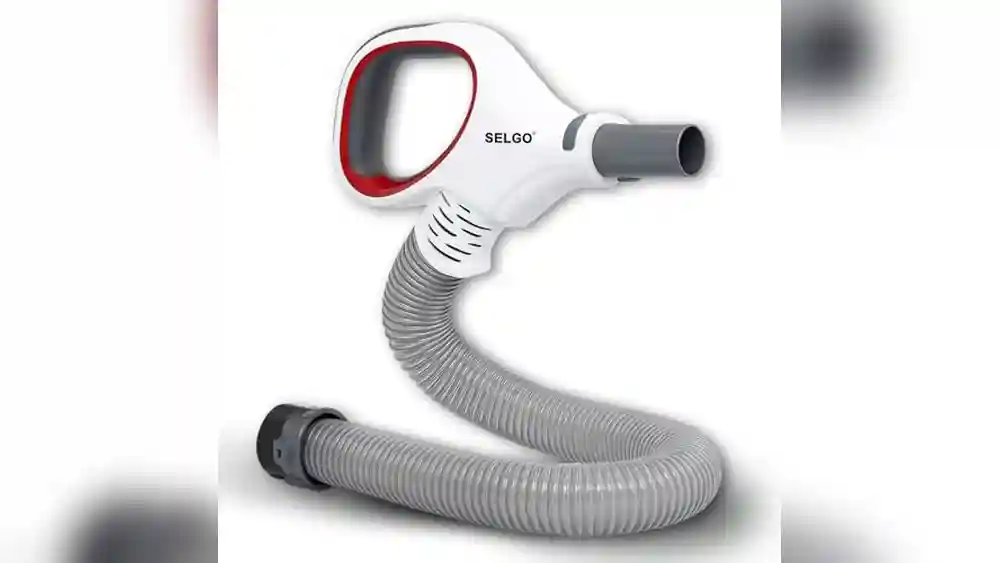
- Unplug and detach removable parts. Take out the hose, brushes, and attachments.
- Check for batteries. Some cordless vacuums have lithium-ion batteries. Remove these, as they require special recycling.
- Clean surfaces. Wipe the vacuum to remove dust, especially if donating or recycling.
- Remove personal stickers or labels. This helps recycling centers process items faster.
Many people skip these steps, but they help prevent fires, protect workers, and make recycling easier.
Ways To Dispose Of A Vacuum Cleaner
There are several methods to get rid of a vacuum, each with its own pros and cons. Choose the option that fits your vacuum’s condition and your local rules.
1. Curbside Garbage Pickup
Most US cities do not allow vacuums in regular trash. However, some areas accept small appliances during bulk pickup days. Check your city’s website or call the waste department.
Pros:
- Simple and quick
Cons:
- Often not allowed
- Bad for the environment
- Misses recycling opportunity
2. Electronic Waste Recycling
Many recycling centers accept vacuums as e-waste. This is the best option for broken vacuums.
How It Works:
- Find a local e-waste facility using Earth911 or your city’s website.
- Drop off the vacuum during business hours.
- Some centers charge a small fee (usually $5–$10).
Benefits:
- Keeps harmful materials out of landfills
- Recovers valuable metals
Example:
In Los Angeles, the city runs a “SAFE Center” program where you can drop off small appliances for free.
3. Retail Take-back Programs
Some stores offer appliance recycling. Best Buy, for example, accepts small appliances (including vacuums) for recycling. Check store policies before visiting.
Steps:
- Bring your vacuum to the customer service desk.
- Fill out any required forms.
- Some stores limit the number of items per person.
Extra Tip:
Ask if the store offers discounts for recycling. Occasionally, stores give coupons for responsible disposal.
4. Scrap Metal Yards
Vacuums contain steel, aluminum, and copper. Scrap yards will often accept them, especially if you remove plastic parts.
How To Prepare:
- Remove batteries and non-metal parts.
- Take the vacuum to the yard.
- You may earn a few dollars for the metal.
Non-obvious Insight:
Many yards pay more if you separate metals. For example, removing the copper wire from the motor can increase your payout.
5. Household Hazardous Waste Events
Some cities hold hazardous waste collection days where residents can drop off electronics, batteries, and appliances.
How To Find:
- Search your city’s website for “hazardous waste event”
- Check schedules and accepted items
Why It Matters:
Vacuum cleaners with batteries or electronic chips should go here, not in regular trash.
6. Donation To Repair Shops Or Schools
Local repair shops may accept old vacuums for parts or training. Some vocational schools use broken appliances for teaching.
Steps:
- Call ahead to confirm acceptance
- Deliver the vacuum during business hours
Bonus:
You’re helping students learn practical skills.
7. Manufacturer Recycling Programs
Some vacuum brands offer take-back programs. For example, Dyson has a recycling option for its products.
Process:
- Visit the manufacturer’s website
- Register your product and request recycling info
- Follow instructions for drop-off or mail-in
Data Point:
According to Dyson, over 85% of parts in their vacuums can be recycled.
8. Creative Reuse
If you enjoy DIY projects, consider turning parts of your vacuum into something useful.
Ideas:
- Use hoses for garden watering
- Turn motors into wind-up toys
- Convert plastic containers into storage bins
Extra Insight:
Some artists use old appliances for sculpture or mixed media art. If you know local artists, ask if they want parts.
Comparison Of Disposal Methods
Here’s a quick comparison to help you decide:
| Method | Allowed in Most Cities | Environmental Impact | Potential Cost |
|---|---|---|---|
| Curbside Trash | No | Poor | Free |
| E-Waste Recycling | Yes | Good | $5–$10 |
| Retail Take-Back | Yes | Good | Free |
| Scrap Yard | Yes | Moderate | May earn money |
| Hazardous Waste Event | Yes | Excellent | Free |
| Donation | Yes | Excellent | Free |
| Manufacturer Program | Varies | Excellent | Free |
| Creative Reuse | Yes | Depends | Free |
What To Do With Vacuum Cleaner Parts
Some parts need special disposal, while others can be recycled or reused. Here’s a breakdown:
| Part | Disposal Method | Special Notes |
|---|---|---|
| Battery | E-waste recycling or hazardous waste event | Never throw in regular trash |
| Plastic Housing | Plastic recycling | Check recycling code |
| Metal Motor | Scrap yard | Separate for better value |
| Bag/Filter | Regular trash | Empty before disposal |
| Hose | Creative reuse or trash | Can be repurposed |
| Wires | Scrap yard | Strip insulation for more value |
Common Mistakes When Disposing Of A Vacuum Cleaner
Avoid these errors to stay safe and responsible:
- Throwing batteries in the trash. This can cause fires or environmental harm.
- Ignoring local rules. Each city has its own disposal policies.
- Leaving dirt in the vacuum. This can attract pests or mess up recycling machinery.
- Missing valuable parts. Copper wires and motors are worth money.
- Forgetting about donation. Many vacuums still have life left.
Extra Tips For Responsible Disposal
- Take pictures of your vacuum’s serial number if you recycle or donate. Some centers track items for safety.
- Ask neighbors or friends before disposing. Someone may need a spare part.
- Check online for free pickup days in your city. Sometimes, waste management offers collection for large items.
- If your vacuum has a warranty, contact the manufacturer. They may cover recycling costs.

Credit: evacuumstore.com
How Recycling Helps The Environment
When you recycle a vacuum cleaner, you prevent harmful materials from entering landfills. Metals like steel and copper can be reused to make new products, saving energy and resources. According to the EPA, recycling one ton of steel saves enough energy to power 18 homes for a day. By recycling, you also reduce pollution and protect wildlife.
Real-life Example
In Seattle, a local resident named Mark had three old vacuums in his garage. He searched for e-waste options and found a nearby recycling center. He separated the batteries and earned $10 at a scrap yard for the motors. The recycling center processed the rest. Mark’s actions kept over 30 pounds of metal and plastic out of the landfill.

Credit: www.ecovacs.com
Where To Find More Information
For more details about appliance recycling and local policies, visit EPA’s Electronics Recycling Guide.
Frequently Asked Questions
Can I Put My Vacuum Cleaner In The Regular Trash?
Most cities do not allow vacuum cleaners in regular trash. Check your local waste guidelines. Vacuums often contain electronics and batteries, which must be recycled.
How Do I Recycle A Cordless Vacuum?
Cordless vacuums have lithium-ion batteries. Remove the battery and take it to an e-waste center or hazardous waste event. The rest of the vacuum can go to appliance recycling.
Are Vacuum Cleaner Parts Valuable For Scrap?
Yes. Motors and wires contain copper, which is valuable at scrap yards. Separate metal parts for the best price.
Does Donating A Vacuum Help The Environment?
Absolutely. Donating extends the life of the appliance and reduces demand for new products. It’s one of the most eco-friendly options.
What Should I Do If My City Has No Recycling Program?
Look for retail take-back programs or manufacturer recycling. Some stores and brands accept old vacuums even if your city does not offer recycling.
Disposing of a vacuum cleaner responsibly takes a little effort, but it’s worth it. You protect the environment, follow the law, and may even earn money or help others. Whether you recycle, donate, or repurpose, your actions make a difference.
Next time you upgrade your vacuum, remember these tips and share them with friends.

Credit: us.narwal.com