Keeping your vacuum cleaner in top shape isn’t just about emptying the dustbin. The vacuum cleaner filter plays a huge role in how well your machine cleans, how long it lasts, and even the air quality in your home. Many people forget about this hidden part, but a dirty filter can quickly reduce suction power, cause unpleasant smells, and even shorten the life of your vacuum. If you want your vacuum to keep working efficiently, learning how to clean the vacuum cleaner filter the right way is essential.
This guide will walk you through every step, from understanding your filter type to putting everything back together safely. You’ll also discover some smart tips most beginners miss, and you’ll find answers to the most common questions at the end.
Why Cleaning Your Vacuum Filter Matters
A clean filter is more than just a maintenance task. It’s a way to keep your vacuum running like new. When dust and debris build up, your vacuum has to work harder. This can lead to:
- Reduced suction power: The machine can’t pick up dirt as well.
- Shorter motor life: The motor overheats and wears out faster.
- Poor air quality: Dust and allergens escape back into your home.
- Unpleasant odors: Old dirt starts to smell bad.
Most vacuum brands recommend cleaning the filter every 1-3 months, but if you have pets or allergies, you might need to do it more often. One hidden benefit? A clean filter can also reduce your energy bills because the vacuum uses less power when running efficiently.
Types Of Vacuum Cleaner Filters
Before you start, it’s important to know what kind of filter your vacuum uses. Not all filters are the same, and using the wrong cleaning method can damage them.
| Filter Type | Common Materials | Washable? | Replacement Needed? |
|---|---|---|---|
| Foam | Polyurethane foam | Yes | Every 6-12 months |
| HEPA | Glass fiber, synthetic | Sometimes | Every 6-24 months |
| Cartridge | Pleated paper or fabric | Rarely | Every 6-18 months |
| Cloth | Cotton, polyester | Yes | Every 12-24 months |
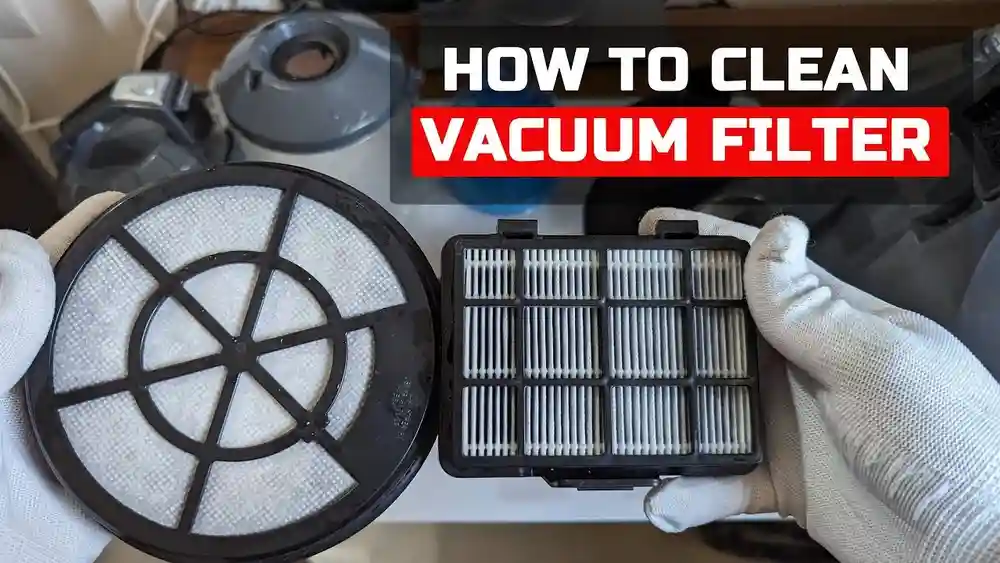
Always check your vacuum’s manual before cleaning. Some HEPA filters can be washed, while others must only be tapped clean or replaced.

Credit: www.youtube.com
Tools And Supplies You’ll Need
Cleaning a vacuum filter doesn’t need special equipment, but having the right items helps:
- Soft brush (like an old toothbrush or paintbrush)
- Mild dish soap
- Clean water
- Paper towels or a clean cloth
- Gloves (optional, but useful if you have allergies)
- Compressed air (for cartridge filters, optional)
- Replacement filter (if your filter is very dirty or damaged)
Having these ready makes the process smooth and quick.
Step-by-step Guide To Cleaning A Vacuum Cleaner Filter
Let’s break down the cleaning process by filter type, since each needs a slightly different approach.
1. Switch Off And Unplug The Vacuum
Safety first: Always unplug your vacuum before starting. This reduces the risk of electric shock and keeps you safe if you need to remove parts.
2. Remove The Filter
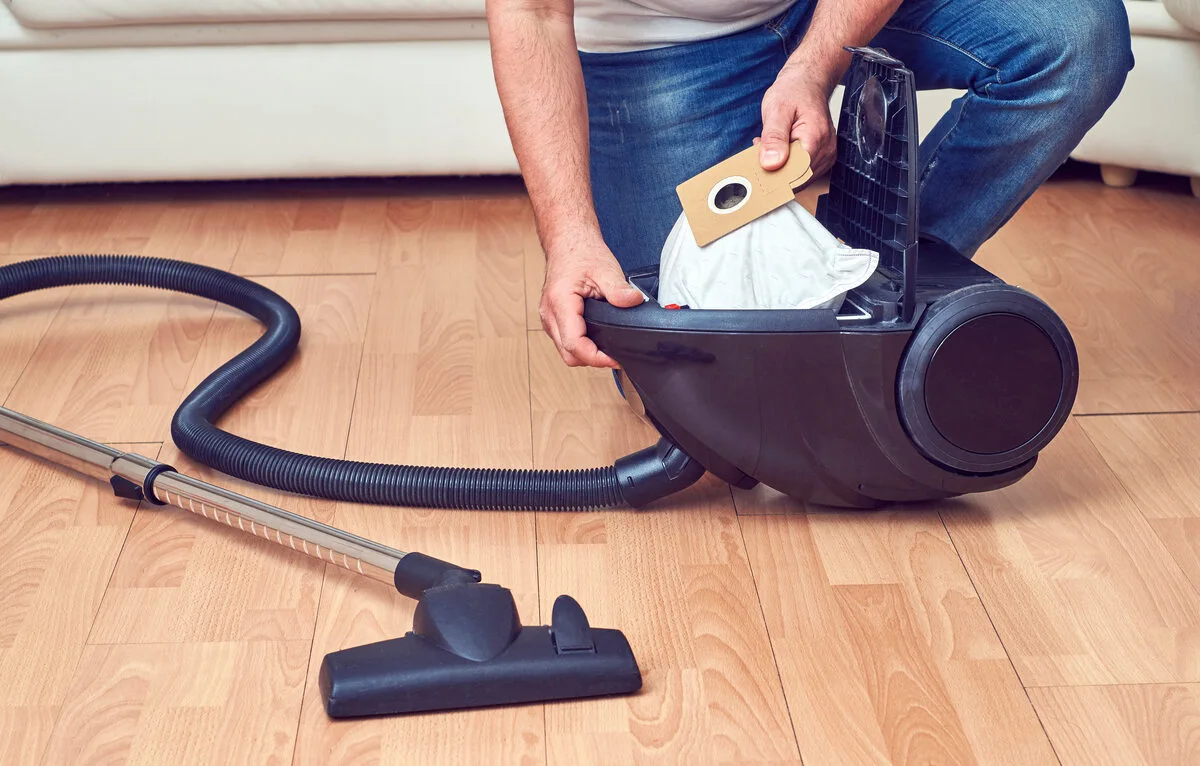
Open your vacuum following the user manual. For most uprights and canisters, the filter is under the dustbin or bag. Stick vacuums often have the filter behind the dust cup.
- Take your time: If the filter is stuck, don’t force it. Check for release buttons or levers.
3. Pre-clean: Shake Off Loose Debris
Take the filter outside or over a trash can. Gently tap it to remove loose dust and dirt. This makes the washing part much easier and stops your sink from clogging.
4. Clean By Filter Type
Foam Filters
- Rinse under lukewarm water. Squeeze gently to remove dust.
- Add a drop of mild dish soap, then work up a lather.
- Rinse thoroughly until water runs clear.
- Squeeze out excess water without twisting, which can tear the foam.
Hepa Filters
- Washable HEPA: Rinse under running water, but don’t use soap unless the manual says it’s safe. Let water flow from the clean side to the dirty side.
- Non-washable HEPA: Use a soft brush or compressed air to remove dust. Never get it wet.
Cartridge Filters
- Tap gently to remove dust.
- Use a soft brush for stubborn dirt.
- For some models, you can rinse, but only if the manual allows.
Cloth Filters
- Shake off dust.
- Soak in warm, soapy water for 10-15 minutes.
- Rinse until clean.
- Air-dry completely.
5. Dry The Filter Completely
This is a critical step. A damp filter can cause mold or damage your vacuum.
- Place the filter on a towel in a warm, dry spot.
- Let it air dry for at least 24 hours.
- Never use a hair dryer, oven, or direct sunlight—these can warp or shrink the filter.
6. Reinstall The Filter
Once the filter is completely dry, put it back into your vacuum. Ensure it fits snugly and is locked in place.
- If the filter is torn, misshapen, or smells bad after washing, it’s time to replace it.
7. Final Check
Plug your vacuum back in and turn it on for a few seconds. Listen for any strange noises or loss of suction. If everything sounds normal, you’re ready to clean!
:max_bytes(150000):strip_icc()/how-to-clean-a-vacuum-filter-5217137-04-8da1b28a6a6d4b36af8215294813b38a.jpg)
Credit: www.thespruce.com
How Often Should You Clean Your Vacuum Filter?
There’s no one-size-fits-all answer, but here’s a general guide:
| Filter Type | Cleaning Frequency | Replacement Frequency |
|---|---|---|
| Foam | Monthly | 6-12 months |
| HEPA | Every 2-3 months | 6-24 months |
| Cartridge | Every 2-3 months | 6-18 months |
| Cloth | Every 2-3 months | 12-24 months |
If you have pets, allergies, or live in a dusty area, clean the filter more often. A quick check after every few uses helps you spot problems early.
Signs Your Vacuum Filter Needs Cleaning Or Replacing
Sometimes, you don’t need a calendar—you just need to pay attention. Watch for these signs:
- Loss of suction: The vacuum isn’t picking up dirt like before.
- Bad smells: The machine releases a musty or burning odor.
- Unusual noise: The motor sounds strained or louder than normal.
- Dust escaping: You see dust blowing out of the exhaust.
If you notice any of these, it’s time to clean or replace the filter.
Credit: www.discountfilters.com
Common Mistakes To Avoid
Many people damage their vacuum or reduce its life by making these mistakes:
- Washing non-washable filters: Always check the manual first.
- Not drying completely: Even a little moisture can cause mold or electrical problems.
- Using harsh chemicals: Stick to mild soap—bleach or strong cleaners can destroy filters.
- Skipping regular cleaning: Waiting too long can clog the filter so badly it can’t be cleaned.
- Forcing the filter back in: If it doesn’t fit, double-check the orientation.
A pro tip: Keep a spare filter handy. You can swap it in while the first one dries.
Practical Tips For Easier Filter Cleaning
- Label your filter: Write the cleaning date on the filter with a marker. This helps you remember when it’s time for the next cleaning.
- Use two filters: Rotate between them so your vacuum is always ready.
- Set a reminder: Put a note in your phone or on your calendar.
- Vacuum the filter housing: While the filter is out, use the vacuum’s hose to clean dust from the inside.
- Upgrade to HEPA: If your vacuum allows, consider switching to a HEPA filter for better air quality, especially if you have allergies.
When To Replace The Filter Instead Of Cleaning
Even with the best care, filters don’t last forever. Replace your filter if you see:
- Holes, tears, or warping
- Persistent odors after cleaning
- Discoloration that doesn’t wash out
- The vacuum manual’s recommended timeline (usually every 6-24 months)
A new filter can make your vacuum feel like new again. For the best results, always buy genuine or recommended replacement filters for your vacuum model.
What If Your Vacuum Has Multiple Filters?
Some vacuums, especially bagless and high-end models, use two or more filters. Usually, there’s a pre-motor filter and a post-motor filter. Clean both on the same schedule, but remember they might be different types.
Check your manual for each filter’s location and cleaning instructions. Missing one can still reduce performance.
Real-world Example: Cleaning A Popular Brand’s Filter
Let’s look at a typical process for a Dyson stick vacuum:
- Remove the dustbin and pull out the purple foam filter.
- Tap out loose dust.
- Rinse under cold water, squeezing gently.
- Repeat until water runs clear.
- Air dry for 24 hours—do not use heat.
- Reinstall and run the vacuum for a few seconds.
The process for a Shark or Hoover vacuum is similar, but always check the manual for special notes.
Comparing Filter Cleaning Vs Replacement Costs
Is it cheaper to clean or replace your filter? Here’s a quick look:
| Option | Average Cost per Year | Effort | Performance Impact |
|---|---|---|---|
| Clean monthly | $0-$10 (soap, water) | Medium | High if done regularly |
| Replace every 6 months | $15-$40 | Low | Highest |
For most people, cleaning regularly and replacing once a year gives the best balance of cost and performance.
Where To Find More Information
If you’re unsure about your vacuum model or want more details, check the manufacturer’s official website or visit Wikipedia’s vacuum cleaner page for background on filter technology.
Frequently Asked Questions
How Do I Know If My Vacuum Filter Is Washable?
Check your vacuum’s manual or look for markings on the filter. Washable filters often say “washable” or show a water symbol. If you’re unsure, it’s safer to clean with a brush or tap out dust instead of using water.
Can I Use Soap To Clean All Types Of Vacuum Filters?
No. Only foam and cloth filters should be washed with mild soap. HEPA and cartridge filters usually require just water, or dry cleaning with a brush. Using soap on non-washable filters can damage them.
What Happens If I Don’t Clean My Vacuum Filter?
A dirty filter reduces suction, makes the motor work harder, and can let dust escape back into your home. Over time, it can even cause the vacuum to break down or become a fire risk.
Can I Clean My Filter With A Vacuum Cleaner?
Yes, for dry filters (like cartridge or HEPA), you can use another vacuum or the hose attachment to remove dust. However, this doesn’t replace washing if your filter is washable.
How Long Does It Take For A Vacuum Filter To Dry?
Most filters need at least 24 hours to air dry completely. It’s important to wait, because even a little dampness can cause damage or mold growth.
Taking a few minutes every month to clean your vacuum cleaner filter can save you time, money, and effort in the long run. With the right habits, your vacuum will keep your home cleaner and your air fresher for years to come.