If you’re shopping for a new vacuum cleaner, you’ll quickly notice one thing: wattage is everywhere. But what do these numbers really mean? Does a higher watt number guarantee better cleaning? And how many watts does your vacuum cleaner actually need? These are common questions, and getting clear answers can help you make a smarter choice that fits your home and budget.
Understanding how many watts a vacuum cleaner uses isn’t just about power. It’s about efficiency, cleaning performance, and even your electricity bill. Let’s dig into what you need to know about vacuum cleaner wattage, how to choose the right power for your needs, and the myths many people believe.
What Does Vacuum Cleaner Wattage Mean?
Wattage measures the electrical power a vacuum uses. It shows how much energy the motor consumes—not how strong the suction is. For example, a vacuum rated at 1200 watts uses more power than one with 600 watts, but this doesn’t always mean it cleans twice as well.
Watts Vs. Suction Power
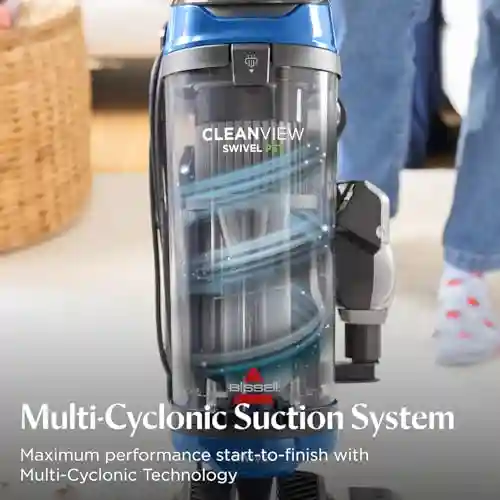
A common mistake is to think higher watts always mean better suction. In reality, suction depends on both motor design and how efficiently the vacuum channels air. You might find a 700-watt vacuum that performs better than a 1500-watt one if it’s well-designed.
Air watts are another term you might see. This measures the actual suction power. If you want to compare two vacuums, look for their air watt rating—not just the electrical watts.
Common Vacuum Cleaner Wattages
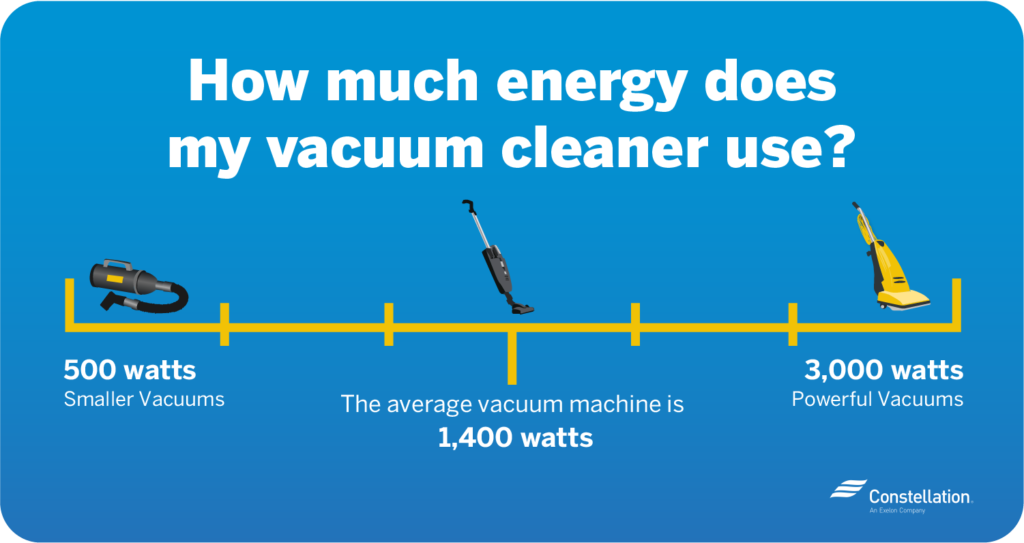
Most vacuum cleaners fall into a few main wattage ranges. Here’s what you’ll typically see:
| Type | Wattage Range | Typical Use |
|---|---|---|
| Handheld | 250–600 W | Quick clean-ups, cars, stairs |
| Stick/Battery | 150–900 W | Light daily cleaning |
| Corded Upright/Canister | 1000–2200 W | Deep cleaning, whole house |
| Robotic | 30–90 W | Maintenance cleaning |
For example, a typical upright vacuum for home use will be in the 1200 to 1800 watt range. Smaller stick models often use much less power.
How Many Watts Do You Really Need?
Choosing the right wattage depends on your cleaning needs, home size, and floor type. Here’s a quick guide:
1. Small Apartments Or Rooms
Vacuums with 600–1200 watts are usually enough for light cleaning and low-pile carpets.
2. Medium To Large Homes
For more space, pets, or thick carpets, aim for 1400–2000 watts. This ensures enough power for deep cleaning and larger debris.
3. Hard Floors Vs. Carpets
Hard floors need less suction, so lower wattage often works fine. For carpets, especially plush ones, higher wattage helps remove dirt trapped deep down.
4. Special Cases
If you have allergies or pets, a higher-wattage vacuum with HEPA filters can make a big difference.
An important insight: wattage is only one part of performance. The design of the nozzle, filters, and airflow paths can be even more important.
How Vacuum Cleaner Wattage Affects Electricity Use
Many buyers worry about how much energy a vacuum will use. Here’s a simple formula:
Electricity Cost = (Wattage × Hours Used × Electricity Rate) / 1000
Let’s say you use a 1600-watt vacuum for 1 hour a week. Over a month:
1600 W × 4 hours = 6400 watt-hours, or 6. 4 kWh.
If your electricity rate is $0. 15 per kWh, that’s less than $1 per month. So, even a more powerful vacuum won’t increase your bill much unless you vacuum for many hours every week.

Credit: www.jackery.com
How To Compare Different Vacuum Cleaners
Wattage isn’t the only number to check. Here’s what else you should look at:
| Feature | Why It Matters |
|---|---|
| Air Watts | Shows real suction power |
| Filtration System | Important for allergies; look for HEPA filters |
| Noise Level | High-watt vacuums are often louder |
| Attachments | Special tools help with pet hair, upholstery |
| Weight/Size | Lighter vacuums are easier to move |
A common mistake: focusing only on watts and ignoring air flow or filtration. Always check reviews and real-world tests, not just specifications.
Myths And Misconceptions About Vacuum Cleaner Watts
Many people believe that the higher the watts, the better the vacuum. This is not always true. Some efficient models use less electricity but clean just as well, thanks to better design.
Another myth is that low-watt vacuums are “weak.” In fact, some modern cordless stick vacuums with 300–600 watts rival older 1400-watt models, especially on hard floors.
Some brands also advertise “peak watts,” which might only last for a second during start-up, not during normal use.
Credit: oupes.com
Real-world Examples
Let’s compare two popular vacuum cleaners:
| Model | Wattage | Air Watts | Best For |
|---|---|---|---|
| Dyson V11 (Cordless) | 545 W | 185 Air W | Mixed floors, pet hair |
| Shark Navigator (Upright) | 1200 W | 270 Air W | Carpets, deep cleaning |
Both clean well, but the Shark uses more than twice the power. The Dyson, with less wattage but high air watts, can still handle most daily cleaning jobs.
When Low Wattage Is A Smart Choice
If you only need a vacuum for small tasks, like cleaning the car or quick crumbs in the kitchen, a low-watt handheld is perfect. It saves energy, is easy to carry, and still gets the job done.
For people living in places with high electricity costs, choosing a model with lower wattage but good air watts can make a big difference over time.
Credit: blog.constellation.com
Practical Tips Before You Buy
- Test the vacuum in-store if possible. Feel the suction, listen to the noise, and check the weight.
- Read independent reviews to see how well the vacuum performs in real homes.
- Don’t trust wattage alone—focus on how the vacuum handles your specific cleaning needs.
- Remember that filters, bag type, and attachments often matter more than just the watt number.
For more about how wattage affects vacuum cleaner performance, you can read this detailed guide from Wikipedia.
Frequently Asked Questions
What Is A Good Wattage For A Home Vacuum Cleaner?
A good range for most homes is 1200 to 1800 watts. This gives enough power for carpets and hard floors without using too much electricity.
Does Higher Wattage Mean Better Cleaning?
Not always. Design and air watts are more important for cleaning power. A well-designed 700-watt vacuum can outperform a poor 1500-watt one.
How Much Electricity Does A Vacuum Cleaner Use?
A typical 1600-watt vacuum, used for 1 hour per week, uses about 6.4 kWh per month. This costs less than $1 in most places.
Are Low-wattage Vacuums Effective?
Yes. Many modern low-watt vacuums are efficient and clean well, especially on hard floors or for smaller spaces.
What Should I Check Besides Wattage When Buying A Vacuum?
Look at air watts, filtration system, attachments, noise level, and real user reviews. These matter more than just the watt number.
Choosing the right vacuum cleaner wattage doesn’t have to be confusing. Focus on your real needs, not just the numbers on the box. With a bit of research, you can find a vacuum that saves energy, cleans well, and fits your lifestyle.