
If you own a Shark Rotator vacuum, especially the True Pet model, you probably enjoy how well it handles pet hair and deep cleaning. But what happens when the brush roll stops working? Suddenly, your vacuum isn’t picking up fur, crumbs, or dirt as it should. This is a common issue, and it can be frustrating—especially if you have pets at home. The good news is, the problem is usually easy to fix. You don’t need to be a vacuum expert to diagnose or solve most brush roll problems.
In this guide, you’ll learn why the Shark Rotator True Pet brush roll may stop spinning, how to troubleshoot, and how to fix the problem step by step. We’ll also cover common mistakes, maintenance tips, and when it’s time to call in professional help. By the end, you’ll understand your vacuum better and know how to keep it running smoothly.
How The Shark Rotator True Pet Brush Roll Works
Before fixing a problem, it helps to understand how the brush roll works inside your Shark Rotator. The brush roll is the spinning cylinder at the base of your vacuum. It has rows of bristles that sweep dirt, pet hair, and debris into the suction path.
Power comes from an electric motor in the vacuum’s head. A belt connects the motor and the brush roll. When you turn the vacuum on, the motor spins, moving the belt, which turns the brush roll. Some Shark models, including the True Pet, have a switch to turn the brush roll on or off for different floor types (like carpet or hardwood).
The brush roll only works when the vacuum is in the right position—usually when the handle is tilted back. Safety features also stop the brush roll if something gets stuck, preventing motor damage.
Some models use a direct-drive system, where the motor is attached directly to the brush roll, while others rely on belts. The direct-drive models generally have fewer belt issues but can be more complicated to repair if the brush roll stops.
It's important to know that the brush roll’s speed and power are designed for both carpets and hard floors, but the settings help protect your floors and the vacuum. For example, on wood floors, you may want the brush roll off to avoid scratching.
Practical example: If you vacuum a carpeted room and suddenly hear the brush roll slow down or stop, it’s often because the safety sensor detected a problem, such as a jam or overload.
Common Reasons The Brush Roll Stops Working
If your brush roll is not working, the cause is usually one of these common problems. Understanding these makes troubleshooting much faster.
1. Power Issues
The vacuum needs electricity for the brush roll to spin. If there’s no power, nothing will work.
- Loose power cord: The plug may not be fully in the wall.
- Faulty outlet: The wall outlet might not be working.
- Blown fuse or tripped breaker: Your home’s electrical system may have a problem.
- Internal wiring issue: Wires inside the vacuum could be damaged.
Example: If your vacuum turns off when you wiggle the cord or plug, this points to a connection or cord issue, not the vacuum’s internal parts.
2. Brush Roll Obstructions
Pet hair, string, or debris can wrap around the brush roll. When this happens, the roll slows down or stops completely.
- Pet hair: Long hair can create tight clumps.
- String or ribbon: These wrap tightly and are hard to spot.
- Large debris: Small toys or hard items can jam the roll.
Added detail: Even a small amount of thread or fishing line can wind around the roll and restrict its movement. Over time, this increases strain on the belt and motor.
3. Belt Problems
The belt connects the brush roll to the motor. If the belt is broken, loose, or slipped off, the brush won’t spin.
- Broken belt: The belt can snap from wear.
- Stretched belt: Over time, the belt gets loose and slips.
- Misaligned belt: The belt can move out of place.
Example: If you smell rubber or hear a flapping noise, the belt might be slipping or broken.
4. Brush Roll Motor Failure
Some Shark models have a small motor just for the brush roll. If this motor fails, the roll won’t turn.
- Burned-out motor: The motor can overheat or wear out.
- Wiring problems: Loose wires or connectors can stop power from reaching the motor.
Extra explanation: Brush roll motors can fail due to age, heavy use, or blocked airflow causing them to overheat.
5. Switch And Mode Settings
The brush roll switch can be in the wrong position. On some models, the brush roll only works in certain cleaning modes.
- Wrong mode: The vacuum may be set for “hard floor” instead of “carpet.”
- Faulty switch: The on/off switch may not be working right.
Common mistake: Forgetting to fully engage the switch or accidentally bumping it while vacuuming.
6. Blocked Filters Or Air Pathways
If your vacuum’s filters or tubes are clogged, the motor can overheat and automatically shut off the brush roll for safety.
- Dirty filters: Block airflow, causing overheating.
- Clogged hose: Stops suction, which can affect the brush roll.
Non-obvious insight: Even a partial clog can affect brush roll speed before it stops completely.
7. Handle Position Sensor
The vacuum knows if the handle is upright or tilted. The brush roll usually only spins when the handle is tilted back. If the sensor fails, the brush roll won’t activate.
- Sensor failure: The vacuum thinks the handle is always upright.
- Mechanical jam: Dirt blocks the sensor’s moving parts.
Tip: The handle sensor is often a simple mechanical switch. Spilled liquids or sticky debris can sometimes jam it.
Step-by-step Troubleshooting Guide
Here’s how to find and fix why your Shark Rotator True Pet brush roll isn’t working. Follow each step carefully and stop if you find the problem.
1. Check Power Supply
Start with the basics—make sure your vacuum is getting power.
- Plug the vacuum into a different wall outlet.
- Check for tripped breakers or blown fuses.
- Test the outlet with another device (like a lamp).
- Inspect the power cord for damage. If you see frayed wires or cuts, stop using the vacuum.
Tip: Sometimes, a loose connection inside the plug or cord can cause power to cut in and out. If the vacuum turns on and off when you move the cord, get it checked or replaced.
Extra detail: Extension cords can also cause power loss, especially if they are too thin or long for the vacuum’s power needs. Always plug directly into the wall if possible.
2. Confirm Brush Roll Switch And Mode
Make sure you’re using the right settings.
- Find the brush roll on/off switch on the handle or body.
- If your Shark has a “Carpet/Hard Floor” button, set it to “Carpet” to activate the brush roll.
- Listen for the sound of the brush roll motor starting.
Non-obvious insight: On some Shark vacuums, the brush roll won’t spin unless the handle is tilted back, even if the power is on and the mode is set correctly.
Practical example: If you switch modes while the vacuum is upright, the brush roll may not engage until you tilt the handle. Some users think their vacuum is broken, but it’s just a safety feature.
3. Inspect For Obstructions
Turn off and unplug the vacuum before doing this.
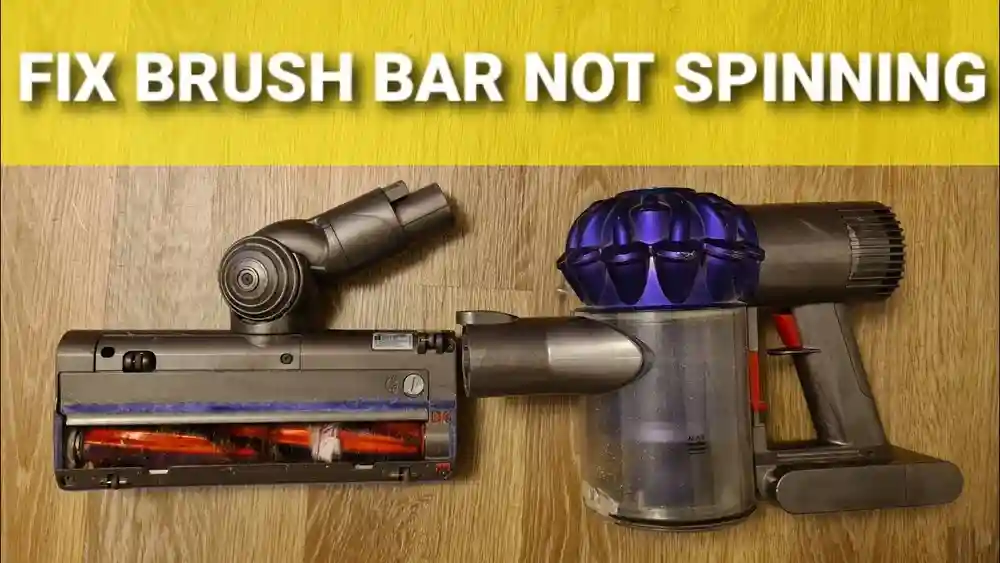
- Flip the vacuum over to see the brush roll.
- Look for tangled hair, string, or debris.
- Use scissors or a seam ripper to cut away wrapped hair or fibers.
- Remove any large debris or objects.
Important: Don’t use knives or sharp tools that could damage the brush roll or your hands.
Added detail: Check both ends of the brush roll—hair and string often build up near the bearings. If ignored, these can overheat and damage the brush roll assembly.
4. Check The Belt
The belt is usually hidden under a cover.
- Remove the screws holding the bottom plate (refer to your user manual for details).
- Lift off the cover to see the belt and brush roll.
- If the belt is broken, loose, or off the track, replace it.
- Spin the brush roll by hand—it should turn with some resistance. If it spins freely with no resistance, the belt is probably broken.
Non-obvious insight: Sometimes, the belt looks fine but is stretched too much to work properly. Compare its tightness to a new belt if you’re unsure.
Example: If you recently vacuumed a rug with tassels or a shoelace, check the belt and brush roll immediately. These items can cause sudden jams and belt damage.
5. Test The Brush Roll Motor
If you’ve checked the above steps and the roll still won’t spin:
- With the vacuum plugged in, set it to “Carpet” and tilt the handle back.
- Listen for a humming or clicking sound near the brush roll area.
- No sound usually means the motor isn’t getting power or is burned out.
If you’re comfortable, you can open the vacuum head to check for loose wires. Otherwise, contact Shark customer support or a repair shop.
Tip: If the brush roll tries to spin but stops, the motor may be overheating due to blockages or a failing part. Give it a rest and check again after cleaning.
6. Clean Filters And Hoses
Blocked airflow can trigger safety shutdowns.
- Remove and clean the main filter (usually under the dirt cup).
- Wash foam filters with water and let them dry completely.
- Check the hose for clogs—push a broom handle or flexible rod through to clear blockages.
Tip: Dirty filters also reduce suction and make the vacuum work harder, shortening its life.
Added detail: Some Shark vacuums have multiple filters—pre-motor, post-motor, and HEPA filters. Cleaning all of them helps prevent overheating and keeps the brush roll working.
7. Inspect The Handle Position Sensor
- Put the vacuum upright, then tilt it back.
- If the brush roll never starts, the sensor may be stuck or broken.
- Check for obvious dirt or debris around the handle joint.
- Gently tap or move the handle to see if the roll starts.
If the sensor is faulty, you may need professional repair.
Practical tip: Sometimes, a small squirt of compressed air or careful cleaning can free a stuck handle sensor. Don’t use water near electronic parts.
When To Replace Parts
Sometimes, cleaning and basic checks aren’t enough. Here’s when you should replace a part:
- Belt: Every 6–12 months, or if broken/stretched.
- Brush roll: If bristles are worn down or the roll is damaged.
- Motor: If it doesn’t run even after checking wiring and switches.
- Filters: Every 3–6 months for foam, more often for HEPA filters.
Use only Shark-approved parts for best results. Generic belts or rolls may not fit or could wear out quickly.
Non-obvious insight: When replacing a brush roll, also check the end caps and bearings. Worn bearings can cause noise and reduce brush roll life, even if the bristles look fine.
Extra tip: Keep a spare belt and filter on hand. This way, you can fix most problems right away without waiting for a new part to arrive.
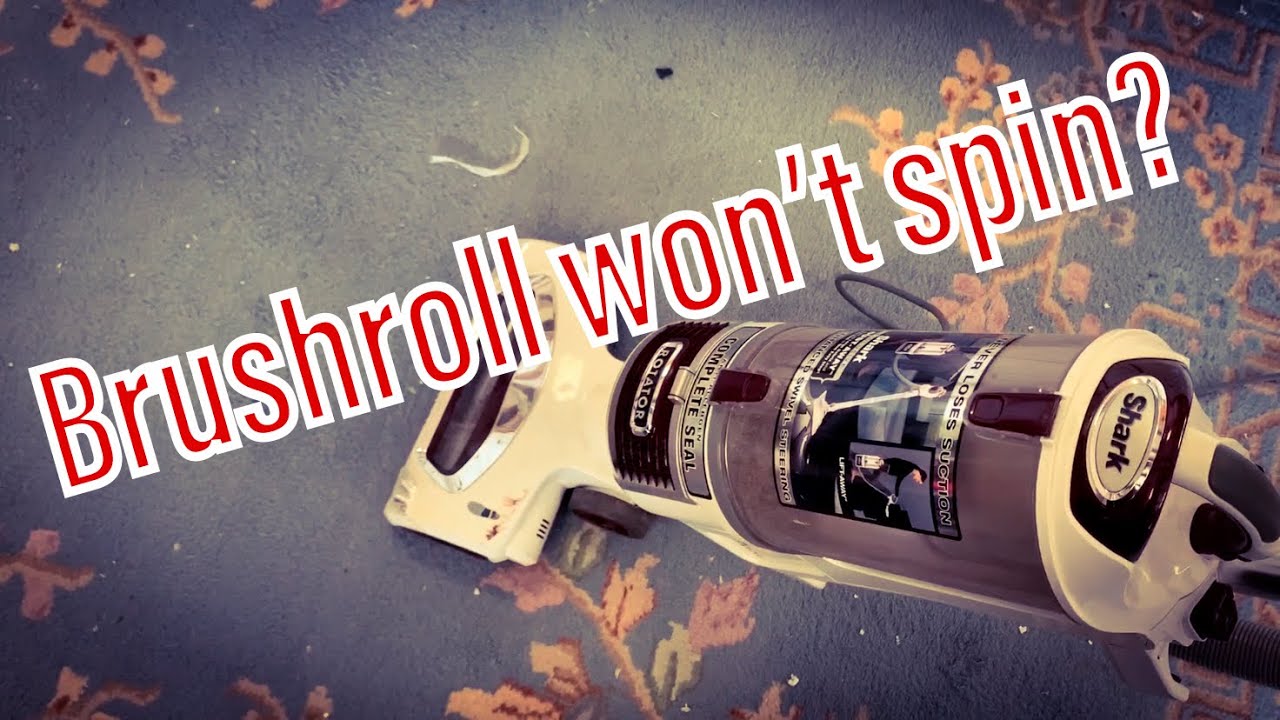
Credit: www.youtube.com
Maintenance Tips To Prevent Future Problems
Regular care keeps your vacuum working well and avoids sudden failures.
- Clean the brush roll every week if you have pets, or every month if not.
- Replace filters as the manual suggests—don’t wait for them to look dirty.
- Check the belt every few months.
- Avoid vacuuming up hard or sharp objects that can damage the brush roll or belt.
- Store the vacuum inside—extreme temperatures can damage belts and sensors.
Pro tip: Mark your calendar or set reminders for cleaning and part replacement. This small habit makes a big difference over time.
Added detail: Use a damp cloth to wipe dust off the vacuum body and handle area. Dust buildup can migrate into buttons and sensors, causing sticky controls and sensor errors.
Experience-based tip: If your vacuum feels harder to push or steer, check the wheels and axles for hair or debris. Smooth movement helps the brush roll perform better.
Comparing Shark Rotator Models: Brush Roll Features
Not all Shark Rotator vacuums have the same brush roll or motor setup. Here’s a quick comparison of some popular models and their brush roll features:
| Model | Brush Roll Type | Brush Roll Control | Pet Hair Performance |
|---|---|---|---|
| Shark Rotator True Pet (NV752) | Motorized, removable | On/off switch | Excellent |
| Shark Rotator Lift-Away (NV501) | Motorized, fixed | Automatic | Very good |
| Shark Navigator (NV360) | Motorized, non-removable | Automatic | Good |
Non-obvious insight: The True Pet model’s removable brush roll makes cleaning much easier compared to non-removable types, which require more disassembly.
Extra detail: Some advanced models also have anti-tangle technology or self-cleaning brush rolls, which can reduce the need for manual cleaning but may require special replacement parts.
Advanced Troubleshooting: Wiring And Electronics
If you’ve tried all the basic fixes and the brush roll still won’t work, the problem may be with the internal wiring or circuit board. Here’s what advanced users or technicians look for:
1. Loose Or Broken Wires
Inside the vacuum head, wires connect the main body to the brush roll motor. Movement, heat, or age can loosen or break these wires.
- Signs: Brush roll works only when you move the handle or tap the vacuum.
- Fix: Open the vacuum head and look for disconnected or frayed wires. Reconnect or replace as needed.
Example: A vacuum that works in certain positions but stops in others almost always has a loose wire or broken solder joint.
2. Faulty Circuit Board
Some Shark vacuums use a small circuit board to control the brush roll motor.
- Signs: The brush roll won’t spin, but you hear a relay click or see a light flash.
- Fix: Circuit board replacement is best done by a professional.
Practical tip: If your vacuum is several years old and you notice electrical smells, a circuit board may be failing due to worn-out components.
3. Sensor Or Switch Failure
Sensors detect the handle position or floor type. If these fail, the brush roll won’t activate.
- Signs: The vacuum acts like the handle is always upright, or the mode switch has no effect.
- Fix: Sensors can sometimes be cleaned, but often need replacement.
Non-obvious insight: Handle position sensors are usually simple, but if their spring or lever gets bent or broken, the vacuum may not sense the position correctly.
Signs You Need Professional Help
Some problems are best left to experts. Contact Shark support or a qualified repair shop if:
- You see sparks, smoke, or burning smells
- The vacuum runs but nothing spins or suctions
- The brush roll stops working right after part replacement
- There’s visible damage to internal parts
- You’re not comfortable opening the vacuum
Most repairs are quick and affordable compared to buying a new vacuum.
Example: If you replace a belt and the brush roll still makes grinding noises, stop and get help. Forcing the vacuum can break the motor or circuit board.

Credit: www.reddit.com
Cost Of Common Repairs
Knowing what to expect can help you decide between repairing or replacing your vacuum. Here’s a look at typical repair costs:
| Part/Service | Average Cost (USD) | DIY Possible? |
|---|---|---|
| Brush roll replacement | $25–$50 | Yes |
| Belt replacement | $10–$25 | Yes |
| Motor replacement | $80–$150 | No (usually) |
| Sensor/circuit repair | $50–$100 | No |
Tip: If your vacuum is under warranty, contact Shark before doing any repairs yourself.
Added detail: Labor costs at repair shops can vary. For common models, parts are often in stock, which means same-day repairs are possible. For less common models, you may need to wait for parts to arrive.
Real-world Examples: What Users Face
Hearing from other Shark Rotator owners can help you understand what goes wrong in real life.
- Case 1: A pet owner noticed her vacuum left fur behind. She found a thick mat of dog hair tangled around the brush roll. Cleaning it fixed the problem.
- Case 2: After running over a small toy, the brush roll stopped. The owner found the belt had snapped. Replacing the belt got the vacuum working again.
- Case 3: One user cleaned their vacuum but the brush roll still would not spin. The problem turned out to be a faulty handle sensor, which needed a technician to replace.
Non-obvious insight: Sometimes, more than one problem can happen at once (like a clogged hose and a stretched belt). Always check all possible causes.
Added detail: Some users report that after major cleaning, the brush roll may take a few seconds to start spinning again. This is normal as the sensors reset or the motor recovers from an overheat mode.
Credit: www.reddit.com
Shark Rotator Vs. Other Brands: Brush Roll Reliability
How does the Shark Rotator True Pet compare to similar vacuums from other brands when it comes to brush roll problems?
| Brand/Model | Brush Roll Issues (per 1000 units/year) | Ease of Repair |
|---|---|---|
| Shark Rotator True Pet | 35 | Easy |
| Dyson Ball Animal 2 | 28 | Moderate |
| Bissell Pet Hair Eraser | 42 | Easy |
| Hoover WindTunnel | 40 | Hard |
Non-obvious insight: While Shark Rotator’s issue rate is slightly higher than Dyson, it’s much easier to repair at home. Many users fix brush roll issues themselves in under 30 minutes.
Extra detail: Bissell Pet Hair Eraser vacuums are popular for pet owners, but their brush rolls jam more often with long hair. However, Bissell often includes a tool for cutting out hair, which helps with maintenance.
Common Mistakes To Avoid
Some user errors can make brush roll problems worse or cause new issues.
- Using the wrong belt or brush roll: Always buy parts made for your exact model.
- Forcing the brush roll to spin: If it won’t turn by hand, don’t use too much force. You could break other parts.
- Not unplugging before repairs: Always disconnect power to avoid shocks or injury.
- Skipping filter cleaning: Clogged filters can overheat the motor and damage the vacuum.
- Ignoring small problems: A noisy or slow brush roll can signal bigger issues. Fix problems early.
Added tip: Don’t use harsh cleaning chemicals on the brush roll, as they can damage the bristles or plastic parts.
Long-term Care: Keeping Your Shark Rotator At Its Best
Taking a few minutes each month can extend your vacuum’s life by years.
- Vacuum in stages: If you have lots of pet hair, vacuum more often but for shorter sessions. This reduces hair buildup.
- Check for strange noises: Clicking, grinding, or squealing usually means something is wrong.
- Replace worn parts quickly: Don’t wait for total failure.
- Register your vacuum: This makes warranty service faster.
Extra advice: If you have high-traffic areas, rotate your cleaning pattern. This spreads out the wear on the brush roll and belt.
If you want more information on vacuum maintenance and repair, the official Shark support site offers guides, videos, and part numbers.
Frequently Asked Questions
Why Does My Shark Rotator Brush Roll Stop Spinning On Carpet But Works On Hard Floors?
The vacuum’s settings may be on “Hard Floor” mode, which turns off the brush roll. Switch to “Carpet” mode and tilt the handle back. If the brush roll still doesn’t spin, check for obstructions, a broken belt, or a faulty sensor.
How Often Should I Clean The Brush Roll If I Have Pets?
For homes with pets, clean the brush roll at least once a week. Pet hair builds up quickly, and regular cleaning prevents jams and keeps your vacuum working well.
Can I Use A Generic Belt Or Brush Roll To Save Money?
It’s best to use Shark-approved parts. Generic belts or rolls may not fit correctly or could wear out faster. This can lead to more problems and may void your warranty.
What Should I Do If The Brush Roll Motor Smells Like It’s Burning?
Stop using the vacuum immediately. Unplug it and check for blockages or tangled hair. If the smell continues, the motor may be overheating or damaged and should be checked by a professional.
Is It Safe To Fix The Vacuum Myself?
Basic fixes like cleaning the brush roll, replacing the belt, or cleaning filters are safe for most people. For wiring, motor, or sensor issues, it’s safer to contact Shark support or a repair shop.
Added detail: Some repairs require special tools or knowledge. If you’re unsure, it’s better to get help than risk injury or further damage.
---
If your Shark Rotator True Pet brush roll is not working, don’t panic. Most problems are simple to fix with the right steps. Regular cleaning and quick repairs keep your vacuum running strong, your home cleaner, and your pets happier. Taking care of your vacuum saves money and avoids bigger headaches down the road. With a bit of attention, your Shark Rotator can provide years of reliable service, making life easier for both you and your pets.