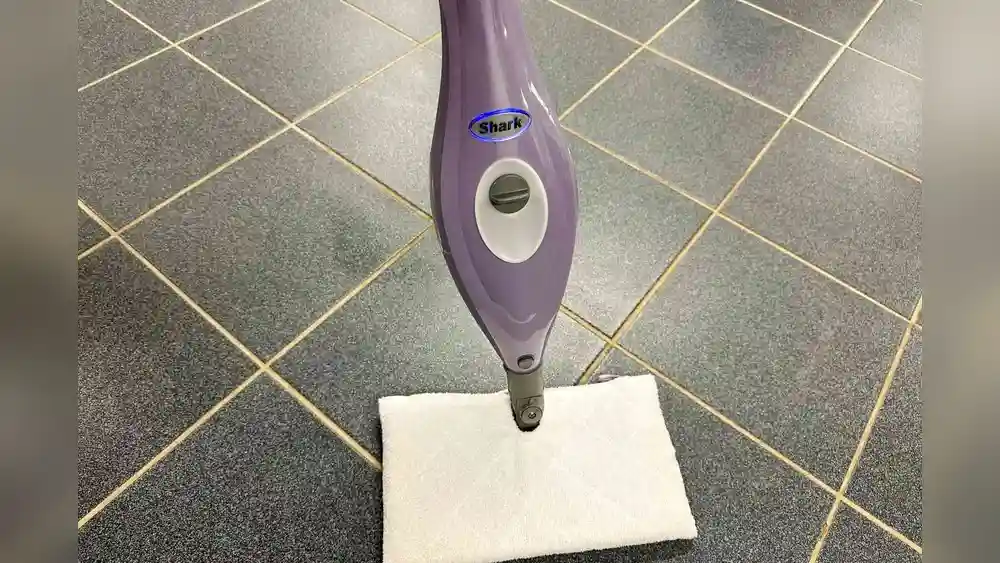
Keeping your home clean can be a big job, but tools like the Shark steam mop make things much easier. They use the power of steam to remove dirt, grime, and germs without chemicals. But, like any cleaning tool, your steam mop also needs regular cleaning. If you skip this step, you might notice bad smells, poor steam output, or streaks on your floors. One simple, effective way to clean a Shark steam mop is by using vinegar. Vinegar is natural, safe, and powerful against limescale and mineral buildup, which are common problems for steam mops.
In this guide, you’ll learn everything you need to know about cleaning a Shark steam mop with vinegar. Whether you’re a new owner or just want to keep your mop in top shape, this article will walk you through each step. You’ll find out what supplies you need, which cleaning methods are safest, and how to solve common issues. Plus, there are tips most people miss—like how to avoid vinegar smells or why some parts should never touch vinegar. By the end, you’ll have all the knowledge and confidence you need for a mop that works like new.
Why Clean Your Shark Steam Mop Regularly?
A Shark steam mop is an investment in a cleaner home. But over time, it can develop problems if you don’t maintain it. Steam holes may clog, the water tank might build up minerals, and pads can collect bacteria or mold.
Regular cleaning brings these benefits:
- Better steam output: Clean holes and pipes mean more steam reaches your floor.
- Longer lifespan: Removing buildup prevents damage to internal parts.
- Hygienic cleaning: Bacteria and mold don’t get transferred to your floors.
- No bad smells: Vinegar kills odor-causing germs and removes musty scents.
Ignoring maintenance is a common mistake. Some users think distilled water alone keeps the mop clean, but even with pure water, minerals can build up. Plus, pads and tanks trap dirt over time. Cleaning with vinegar is a simple habit that pays off.
Is Vinegar Safe For Shark Steam Mops?
Many people ask if vinegar is safe for steam mops. The answer is yes—when used correctly, it’s one of the best cleaning solutions for mineral buildup and odors. But there are some rules to follow.
Vinegar is acidic, so it can break down calcium, lime, and germs. However, Shark’s official instructions may say to use only water. This is because vinegar can damage certain parts if used too often or in the wrong way.
Use these safety tips:
- Only use white distilled vinegar—not flavored or colored types.
- Never use vinegar on the mop pad (it can weaken the fibers).
- Don’t soak electrical parts or the steam generator in vinegar.
- Mix vinegar with water (never use it straight in the tank).
- Rinse well after cleaning to remove all vinegar.
If you have a warranty, check your manual. Using vinegar sometimes voids the warranty. However, millions of users safely clean their Shark steam mops with vinegar every year.
What You Need To Clean A Shark Steam Mop With Vinegar
Before you start, gather your supplies. Having everything ready makes cleaning faster and more effective.
You’ll need:
- White distilled vinegar (not apple cider or cleaning vinegar)
- Clean water (distilled is best)
- A measuring cup or small container
- A soft cloth or sponge
- Cotton swabs or a soft brush (for steam holes)
- A dry towel or microfiber cloth
- Your Shark steam mop (make sure it’s unplugged and cool)
- Replacement mop pads (if yours are very dirty or worn)
Optional, but helpful:
- A funnel (for pouring liquid into the tank)
- Rubber gloves (if your skin is sensitive)
- A toothpick or needle (for stubborn clogs)
Never use bleach, ammonia, or strong chemicals with your steam mop. These can damage parts and are unsafe with steam.
Step-by-step Guide: Cleaning The Shark Steam Mop With Vinegar
Ready to clean? Follow these steps. Each one is important for a deep, safe clean.
1. Unplug And Cool Down
Always start by unplugging your steam mop. Let it cool for at least 10-15 minutes if you’ve just used it. Steam and hot water can burn skin or damage surfaces.
2. Remove And Wash The Mop Pad
Take off the mop pad. Most can go in the washing machine. Wash with mild detergent and hot water. Don’t use bleach or fabric softener—they can damage the pad. Air dry or tumble dry on low. If your pad is stained, soak it in a solution of one part vinegar to two parts water for 15 minutes, then wash as usual.
3. Empty The Water Tank
Open the water tank cover. Pour out any leftover water. This prevents mold and bacteria growth.
4. Mix Vinegar Solution
For general cleaning, mix:
- 1 part white vinegar
- 2 parts clean water
For example, use 1/3 cup vinegar and 2/3 cup water. Never use straight vinegar—it’s too strong and can damage seals.
5. Fill The Water Tank
Use a funnel to pour the vinegar solution into the tank. Fill to the "max" line, but not above.
6. Run The Steam Mop (optional Deep Clean)
Plug in the mop and turn it on. Let it heat up and produce steam for 2-3 minutes. This allows the vinegar solution to flow through the steam system. Move the mop over an old towel or safe, hard floor (not on carpet or delicate wood).
This step helps break up mineral deposits inside the mop. If your mop has never been cleaned, you’ll often see cloudy water or small flakes—this is normal.
7. Let It Sit
After steaming, unplug the mop. Let it sit for another 15-20 minutes. This gives the vinegar more time to dissolve any tough buildup.
8. Empty And Rinse
Pour out the vinegar solution. Refill the tank with plain water and run the mop for a few minutes. This flushes out vinegar and any loosened minerals. Repeat this rinse step at least twice to remove all traces of vinegar.
9. Clean The Steam Holes
Lay the mop flat. Use a cotton swab, toothpick, or soft brush to gently clean the steam holes on the mop head. Never use metal tools—they can scratch or widen the holes.
If holes are still clogged, dip the brush in vinegar and gently scrub, then rinse with water.
10. Wipe Down The Exterior
Dampen a soft cloth with the vinegar solution. Wipe the outside of the mop, including handles, buttons, and the mop head (not the electrical parts). This removes fingerprints, dirt, and bacteria.
11. Dry All Parts
Use a towel or microfiber cloth to dry the mop. Make sure the water tank and steam holes are dry before storing. Leave the tank open for a few hours to air out.
12. Replace The Mop Pad
Once the pad is clean and dry, reattach it. If it’s worn or torn, use a fresh pad for best results.
Cleaning Schedule: How Often Should You Clean?
Many users ask how often to clean their Shark steam mop. Here’s a simple guideline:
- After each use: Empty the water tank, wash the pad, and wipe the exterior.
- Every 1-2 weeks: Deep clean with vinegar if you use the mop often or have hard water.
- Monthly: Check steam holes and deep clean the tank, even if you use only distilled water.
- Immediately if: You notice weak steam, bad smells, or streaks on the floor.
Some homes with hard water or heavy use might need more frequent cleaning. A quick deep clean takes less time than repairing a clogged mop.
Special Tips For A Better Clean
Most instructions cover the basics, but these expert tips will help your mop last even longer.
Use Distilled Water
Hard water is the main cause of mineral buildup. Use distilled water in your mop to reduce clogs. It costs a little more but saves on repairs and cleaning time.
Store With Lid Open
After cleaning, leave the water tank lid open for a few hours. This lets any moisture evaporate, stopping mold and mildew from growing inside.
Replace Pads Regularly
Old pads can become rough, lose absorbency, and spread dirt. Replace them every 3-6 months, or sooner if you mop often.
Never Use Straight Vinegar
Always dilute vinegar. Full-strength vinegar can eat away rubber seals and cause leaks.
Avoid Scented Vinegar
Flavored or scented vinegars can leave sticky residue and smells. Stick to plain white distilled vinegar for best results.
Clean Under The Mop Head
Mineral deposits often collect under the mop head. Wipe this area with vinegar and a cloth, then rinse well.
Don’t Overfill The Tank
Filling above the max line can force water into places it shouldn’t go, causing leaks and damage.

Credit: cleaning-hacks.sharkclean.co.uk
Problems To Avoid
Many users make simple mistakes that can damage their mop or reduce cleaning power. Here’s what to watch for:
- Using bleach or harsh chemicals: These can corrode internal parts or mix dangerously with vinegar.
- Forgetting to rinse: Leftover vinegar can damage floors or leave a smell.
- Cleaning while hot: Hot steam can burn skin—let the mop cool.
- Using dirty pads: Dirty pads spread bacteria and streaks.
- Pouring water directly on the mop: Always use the tank, not the mop’s body.
If you make a mistake, rinse all parts with clean water and let the mop dry before using again.
Common Questions Beginners Miss
Many new users miss these important points:
- Does vinegar make my floors sticky? If you rinse well, vinegar leaves no residue. Stickiness usually means leftover dirt or soap.
- Why does my mop smell like vinegar? Rinse with water after using vinegar. If the smell stays, air out the mop longer.
- What if steam is weak after cleaning? Check steam holes for clogs, rinse again, and try running plain water through the system.
- Is vinegar safe for all floors? Vinegar is safe for most tile and vinyl, but never use it on waxed wood or unsealed stone.

Credit: www.wikihow.com
What If Your Steam Mop Is Still Not Working?
Sometimes, deep cleaning doesn’t fix the problem. Here’s what to check:
- Clogged steam holes: Use a toothpick or soft brush. Mineral flakes may still block the holes.
- Faulty heating element: If the mop heats slowly or not at all, the element may be damaged. This needs professional repair.
- Leaking tank: Check for cracks or worn seals. Replace the tank if needed.
- No power: Check the plug, cord, and wall outlet.
If your mop is under warranty, contact Shark customer service. Don’t try to open or repair internal parts yourself—it can void your warranty or cause injury.
Comparing Cleaning Methods: Vinegar Vs. Other Solutions
It’s common to wonder if other cleaning products work better. Here’s a comparison of vinegar, citric acid, and commercial descalers for steam mops.
| Solution | Effectiveness | Cost | Safety | Odor |
|---|---|---|---|---|
| White Vinegar | Very good for minerals and odors | Low | Safe when diluted | Sharp, fades after rinsing |
| Citric Acid | Excellent for hard water | Medium | Safe, but rinse well | Mild, lemony |
| Commercial Descalers | Very strong, fast | High | Can be harsh on seals | Chemical |
Vinegar is the most popular choice because it’s cheap, effective, and safe when used right.

Credit: www.youtube.com
How Vinegar Cleans: The Science
Vinegar is a weak acid (acetic acid, usually 5%). It reacts with minerals like calcium and lime, breaking them down so they can be washed away. This is why it’s so good at cleaning steam mops, coffee makers, and kettles.
But vinegar’s acidity can also weaken rubber and plastic if used too often or without rinsing. That’s why it’s important to dilute and rinse every time.
For those interested in the chemistry, you can find more about how vinegar works at the Wikipedia page on acetic acid.
When Not To Use Vinegar
There are some cases where vinegar isn’t the best choice:
- On natural stone (marble, granite): Vinegar can dull or pit the surface.
- On waxed or oiled wood: Acid can remove the finish.
- If you have allergies to vinegar: Try citric acid as an alternative.
Always check your floor’s care instructions before using vinegar with your steam mop.
Quick Troubleshooting Table
If you have problems after cleaning, use this simple guide.
| Problem | Possible Cause | What To Do |
|---|---|---|
| Weak steam | Clogged holes/mineral buildup | Repeat vinegar clean, check holes |
| Vinegar smell | Incomplete rinse | Rinse with plain water again |
| Leaking tank | Overfilled or damaged seal | Empty, check seals, refill properly |
| Pad leaves streaks | Dirty pad or buildup | Wash/replace pad, clean mop head |
| No power | Unplugged or faulty cord | Check outlet, cord, contact support |
Frequently Asked Questions
How Much Vinegar Should I Use To Clean My Shark Steam Mop?
For a standard cleaning, use one part white vinegar to two parts water. For example, if your tank holds 300ml, use 100ml vinegar and 200ml water. Never use pure vinegar; always dilute and rinse well.
Can I Use Vinegar Every Time I Clean My Steam Mop?
No, you should not use vinegar every time. Once a month is enough for deep cleaning. For daily or weekly use, plain water (distilled if possible) is best. Too much vinegar can damage seals and rubber parts over time.
Is It Safe To Use Vinegar On All Floor Types With My Shark Steam Mop?
Vinegar is safe for most tiles, vinyl, and sealed wood. Do not use it on unsealed wood, natural stone (like marble or granite), or waxed floors. Always check your floor’s care instructions.
Why Does My Mop Smell Bad Even After Cleaning With Vinegar?
If the mop still smells, rinse with plain water several times and air dry fully. Mold or bacteria may be deep inside the mop pad or tank. Wash or replace the pad and repeat the cleaning process.
What Should I Do If My Steam Mop Has No Steam After Using Vinegar?
First, unplug the mop and let it cool. Check the steam holes for clogs and clean with a toothpick or cotton swab. Run plain water through the mop a few times. If there’s still no steam, contact Shark support as the heating element may need repair.
With regular care, your Shark steam mop can stay powerful and hygienic for years. Cleaning with vinegar is a proven, safe, and affordable method—just remember to dilute, rinse, and follow the tips above. Your floors (and your mop) will thank you.