Cleaning your Bissell vacuum cleaner filter might not sound exciting, but it’s one of the most important things you can do to keep your vacuum working well. A dirty filter can make your vacuum lose suction, leave dust behind, and even shorten its life.
Many people forget about this simple task. If you want your Bissell to clean your floors properly, learning how to clean the filter is essential. This guide will show you step-by-step how to clean every type of Bissell filter, explain why it matters, and share tips that even experienced users often miss.
By the end, you’ll know exactly how to keep your vacuum running strong—and avoid mistakes that could damage your machine.
Why Filter Cleaning Is Essential For Bissell Vacuums
A filter is the heart of any vacuum cleaner. In Bissell vacuums, the filter traps dust, pet hair, pollen, and tiny particles. Over time, these build up and block airflow. When the filter is clogged, your vacuum can’t pick up dirt as well.
This isn’t just bad for your floors—it can also overwork the motor, making it noisy or causing overheating.
According to Bissell, cleaning your filter regularly can improve suction power by up to 30% and extend the vacuum’s lifespan by up to 2 years. Most people only clean the filter when the vacuum stops working. But if you clean it every few weeks, your machine will last longer and your house will stay cleaner.
Types Of Filters In Bissell Vacuum Cleaners
Bissell vacuums use different kinds of filters, depending on the model. It’s important to know which filter you have because cleaning steps can change. Here are the main types:
- Foam filters — Soft, spongy filters often found in upright and stick models.
- HEPA filters — High-efficiency filters that trap allergens and tiny particles.
- Pleated paper filters — These look like folded paper and are often used in canister vacuums.
- Carbon filters — Filters that help remove odors, sometimes combined with HEPA.
Check your Bissell manual or look inside the dust bin to identify your filter type. If you’re unsure, most filters are labeled or colored differently.
Comparison Of Bissell Filter Types
Here’s a quick overview to help you identify and understand the main differences:
| Filter Type | Common Models | Cleaning Frequency | Cleaning Method |
|---|---|---|---|
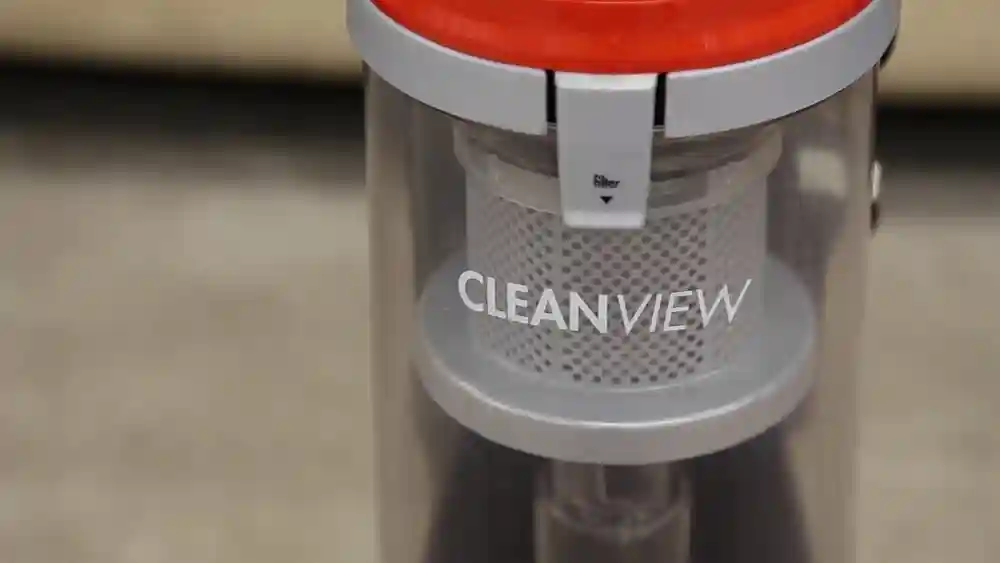
| Foam | CleanView, PowerForce | Every 2-3 weeks | Wash with water |
| HEPA | Pet Hair Eraser, AirRam | Monthly | Tap, gentle brush |
| Pleated Paper | Canister, CrossWave | Monthly | Tap, dry brush |
| Carbon | MultiClean, Pet Models | Quarterly | Replace, light tap |
Knowing your filter type helps you avoid mistakes and clean it correctly.

Credit: www.amazon.com
How Often Should You Clean Your Bissell Filter?
The right cleaning schedule depends on how much you use your vacuum and what type of dirt it collects. If you have pets or allergies, you’ll need to clean the filter more often.
- Light use (once a week): Clean every 4–6 weeks.
- Heavy use (daily): Clean every 2–3 weeks.
- Pet owners: Clean every 2 weeks.
- After messy jobs (renovation, sand): Clean immediately.
Most Bissell manuals recommend cleaning the filter at least once a month. If you notice loss of suction or strange smells, clean the filter right away.
Step-by-step Guide: Cleaning Bissell Vacuum Filters
Different filters require different cleaning methods. Here’s how to clean each type safely.
Cleaning Foam Filters
- Turn off and unplug your vacuum.
- Open the dust bin and remove the foam filter.
- Shake off loose dirt into a trash can.
- Rinse the filter under cold running water. Squeeze gently to remove dirt, but don’t wring or twist.
- Repeat rinsing until water runs clear.
- Dry the filter completely—let it air dry for at least 24 hours. Never use a hair dryer or oven.
- Put the filter back only when it’s fully dry.
Tip: Many beginners skip drying time. Putting a wet filter back can cause mold and damage the vacuum.
Cleaning Hepa Filters
HEPA filters are delicate and often not washable. Always check your manual.
- Remove the filter carefully.
- Tap gently on a hard surface to loosen dust.
- Use a soft brush or vacuum attachment to clean grooves.
- Do not wash unless your manual says it’s safe.
- Replace HEPA filters every 6–12 months for best performance.
Insight: Some Bissell HEPA filters can be lightly rinsed, but most should only be dry-cleaned.
Cleaning Pleated Paper Filters
- Remove the filter from the vacuum.
- Tap it gently to knock out dust.
- Use a dry brush to clean between pleats.
- Avoid water—paper filters can fall apart if wet.
- Replace every 6–12 months.
Common mistake: People sometimes wash paper filters, ruining them. Always keep them dry.
Cleaning Carbon Filters
Carbon filters are used for odors. Most are not washable.
- Remove the filter and tap gently.
- Brush off dust if needed.
- Replace every 3–6 months, or when odors return.
Non-obvious tip: Carbon filters lose effectiveness even if they look clean. Replace them regularly.
Practical Tips For Safe Filter Cleaning
Cleaning filters is simple, but a few practical tips can help you avoid common mistakes:
- Never use hot water—it can shrink or damage filters.
- Avoid strong soaps—simple water is best.
- Dry filters naturally—don’t rush with heaters or sunlight.
- Keep spare filters—so you can swap while one dries.
- Check for tears—damaged filters let dust into the motor.
If your vacuum still loses suction after filter cleaning, check for clogs in hoses or the dust bin.
Signs Your Filter Needs Cleaning Or Replacement
Sometimes, it’s not easy to know when your filter needs attention. Here are clear signs:
- Reduced suction—your vacuum isn’t picking up dirt like before.
- Bad smell—dust or pet odor during cleaning.
- Visible dirt on filter—thick layer of dust or hair.
- Dust blowing out—vacuum emits dirty air.
Data: Studies show vacuums with clogged filters can release up to 25% more allergens back into the air.

Credit: www.amazon.com
How Dirty Filters Affect Performance
You might think skipping filter cleaning is harmless. Actually, it can seriously affect your vacuum’s performance and your health.
Impact On Suction
A clogged filter reduces airflow. Your vacuum has to work harder, leading to:
- Lower cleaning power
- Increased motor strain
- Louder operation
Impact On Air Quality
Dirty filters can leak dust and allergens. This is especially risky for:
- Asthma sufferers
- Pet owners
- Children
Impact On Vacuum Longevity
Bissell vacuums with clean filters last up to 30% longer than those neglected.
Mistakes To Avoid When Cleaning Bissell Filters
Even experienced users make mistakes. Here are the most common:
- Washing non-washable filters—like paper or carbon filters.
- Skipping drying time—putting back a damp filter causes mold.
- Using soap or chemicals—can damage filter material.
- Forgetting to check for tears—damaged filters let dust into the motor.
- Not cleaning filter housing—dirt buildup can block airflow.
Expert tip: Clean the filter housing with a dry cloth before replacing the filter.
Replacing Vs. Cleaning: When Is It Time?
Even the best cleaning won’t last forever. Filters wear out and lose effectiveness.
Signs You Need To Replace
- Filter won’t come clean after washing.
- Visible damage—holes, tears, or broken parts.
- Persistent odor—even after cleaning.
- Loss of suction remains after cleaning.
Replacement Frequency
Most Bissell filters last:
- Foam: 12–18 months
- HEPA: 6–12 months
- Paper: 6–12 months
- Carbon: 3–6 months
Cost Comparison
Replacing filters doesn’t have to be expensive. Here’s a quick look:
| Filter Type | Average Price (USD) | Annual Replacement Cost |
|---|---|---|
| Foam | $8–$12 | $8–$24 |
| HEPA | $15–$25 | $15–$50 |
| Pleated Paper | $10–$18 | $10–$36 |
| Carbon | $7–$15 | $14–$60 |
Buying a few filters every year is much cheaper than replacing a whole vacuum.
Step-by-step: Cleaning Bissell Filter For Popular Models
Many Bissell vacuums follow similar steps, but small differences matter. Here’s how to clean filters for the most common models:
Bissell Cleanview
- Remove dust bin, take out foam filter.
- Wash foam filter under cold water, dry for 24 hours.
- Tap HEPA filter to remove dust.
- Wipe filter housing before reassembly.
Bissell Pet Hair Eraser
- Pull out foam filter, rinse, dry completely.
- Tap HEPA filter, replace yearly.
- Clean carbon filter if present, replace every 6 months.
Bissell Crosswave
- Remove filter from water tank.
- Use dry brush for pleated paper filter.
- Never wash paper filter—replace yearly.
Bissell Airram
- Remove washable filter, rinse, and dry.
- Tap HEPA filter to clean, replace if needed.
Insight: Many users forget to clean the filter housing. Dust left inside can clog the new filter quickly.
Storing And Handling Filters For Best Results
Proper storage and handling can keep your filters working longer.
- Store spare filters in a dry, dust-free place.
- Handle filters gently—don’t squeeze or bend.
- Label filters with date of last cleaning.
- Rotate filters if you have extras.
If you buy filters in bulk, check expiration dates. Old filters lose effectiveness even if unused.
Professional Cleaning And Maintenance
For heavy users or allergy sufferers, professional cleaning can help. Some service centers clean filters with compressed air or special tools. However, most Bissell filters are easy to clean at home.
Professional cleaning is recommended if:
- You have severe allergies.
- Your filter is badly clogged.
- You’re unsure about cleaning steps.
Cost: Professional cleaning usually costs $15–$30 per filter.

Credit: www.youtube.com
The Role Of Filter Maintenance In Warranty And Repairs
Bissell vacuums usually come with a one- to two-year warranty. However, failure to clean or replace filters can void the warranty. If your motor burns out due to a clogged filter, repairs may not be covered.
Tip: Keep records of filter cleaning and replacement. If you need warranty service, proof of maintenance helps.
Choosing The Right Replacement Filter
Not all filters are equal. When buying a replacement:
- Check model number—wrong filter can reduce performance.
- Choose genuine Bissell filters—avoid cheap knock-offs.
- Look for HEPA certification if you have allergies.
- Compare prices but don’t sacrifice quality.
Filter Quality Comparison
Here’s how genuine filters stack up against generic:
| Filter Brand | Fit | Effectiveness | Durability |
|---|---|---|---|
| Bissell Original | Perfect | High | Long-lasting |
| Generic | Varies | Medium | Shorter lifespan |
Generic filters may be cheaper, but they often don’t fit as well or last as long.
Eco-friendly Disposal Of Old Filters
When you replace filters, dispose of them properly:
- Foam and paper filters: Can go in regular trash.
- HEPA and carbon filters: Check local recycling options.
- Don’t burn filters—they release harmful chemicals.
Some cities offer special recycling for vacuum filters. For more info, check your local waste management site or visit EPA Recycling Guide.
Frequently Asked Questions
How Do I Know If My Bissell Filter Is Washable?
Check the label on the filter or your vacuum manual. Foam filters are usually washable. HEPA, paper, and carbon filters often are not. If unsure, only rinse foam filters.
Can I Use Soap Or Detergent To Clean My Filter?
It’s best to use only water. Soap can leave residue, which may clog the filter. If the filter is very dirty, use mild dish soap and rinse thoroughly.
How Long Does A Bissell Filter Take To Dry?
Foam filters usually take 24 hours to air dry. Never use heat, as it can damage the filter. Make sure the filter is completely dry before putting it back.
What Happens If I Don’t Clean The Filter?
Your vacuum will lose suction, clean poorly, and may get damaged. Dust and allergens may leak back into the air. Ignoring filter maintenance can void your warranty.
Where Can I Buy Genuine Bissell Filters?
You can buy filters from Bissell’s official website, major retailers, or local stores. Always check the model number to ensure the right fit.
Cleaning your Bissell vacuum cleaner filter is simple, but it makes a big difference. Doing this regularly keeps your vacuum strong, your air clean, and your home healthy. If you follow these steps and avoid common mistakes, your Bissell will serve you well for years.
Remember, a clean filter is the secret to powerful cleaning—don’t let dust win.