Creating a vacuum cleaner without a motor or battery may sound impossible at first. After all, modern vacuum cleaners rely on electric motors to create suction. But if you look closer, you will find that people have used simple science and clever ideas to clean floors long before electricity was common in homes. This article will show you, step by step, how to make a vacuum cleaner without motor and battery. You will learn about the tools, the science behind the design, and practical ways to create suction using only your hands or basic mechanical systems.
This guide is not just for people who love DIY projects. It is also helpful for students, teachers, and anyone interested in understanding how vacuum cleaners work from the inside. You may live in a place with limited access to electricity, or you may simply want to save money and reduce your carbon footprint.
Whatever your reason, you will finish this article knowing exactly how to create a working vacuum cleaner using common household items and no electricity at all.
The Science Behind Manual Vacuum Cleaners
Before building your vacuum cleaner, it is important to know how suction works. Suction is simply a difference in air pressure. When you lower the air pressure inside a container compared to the outside, air (and with it, dust and dirt) rushes in to balance things out. Most vacuum cleaners use a motor to spin a fan very fast, which pushes air out and creates low pressure inside.
But you do not need a motor to create this pressure difference. For example, when you drink through a straw, you create suction by lowering the air pressure in your mouth. The same principle applies to manual vacuum cleaners.
How Can You Create Suction Without Electricity?
- Pumping action: Using your hands or feet to move a piston or squeeze a bellows.
- Air displacement: Pushing air out of a container so it “sucks” up dirt when you release it.
- Wind power: Using moving air (such as from a fan or the wind) to create low pressure.
All these methods are simple and do not require any motors or batteries. In this article, we will focus on the first two methods, as they are easiest to build at home.
Planning Your Manual Vacuum Cleaner
Building a vacuum cleaner without motor and battery is not just about joining parts together. You need to plan your design carefully, considering the following:
- What kind of dirt do you want to pick up? (dust, sand, crumbs, hair)
- What surfaces will you clean? (carpet, tile, hardwood, car seats)
- How much effort do you want to use each time you clean?
- What materials do you have at home?
The answers will help you choose the right design. For most people, the piston pump and the bellows vacuum are the two best designs.

Credit: www.amazon.com.be
Main Types Of Motorless Vacuum Cleaners
There are several ways to build a vacuum cleaner without a motor or battery. Here, we will cover three main types:
- Piston or Syringe-type Hand Vacuum
- Bellows-based Foot or Hand Vacuum
- Cyclone Jar Vacuum (Wind or Plunger Powered)
Let’s look at each one in detail.
1. Building A Piston Or Syringe-type Hand Vacuum
This design uses a large syringe or a homemade piston to create suction. It is effective for cleaning small areas, car seats, or keyboards.
Materials Needed
- One large plastic syringe (at least 60ml, bigger is better)
- Flexible rubber or silicone hose (about 1 meter)
- Plastic bottle (1-liter size)
- Cloth or foam (for dust filter)
- Adhesive tape or glue
- Scissors
- Small plastic nozzle (optional)
Step-by-step Instructions
1. Prepare The Syringe
Take the large plastic syringe and remove the needle if attached. You will use only the barrel and plunger.
2. Attach The Hose
Fit one end of the rubber hose snugly over the syringe tip. Use adhesive tape or glue to make the connection airtight. This is important—if air leaks, there will be no suction.
3. Prepare The Dust Chamber
Cut the plastic bottle in half. Use the top half as a dust collector. Make a small hole in the bottle cap and push the other end of the hose through it. Seal with tape or glue.
4. Add The Filter
Place a piece of cloth or foam inside the bottle’s neck to act as a dust filter. This prevents dirt from entering the hose or syringe.
5. Attach The Nozzle
If you have a small plastic nozzle (like from an old vacuum or spray bottle), fix it to the open end of the bottle. This will help direct the suction to a smaller area.
6. Test The Device
Insert the syringe plunger, place the nozzle on the dirty area, and pull the plunger back quickly. You will see dust and debris sucked into the bottle.
7. Empty And Clean
After use, unscrew the bottle cap, remove the filter, and empty the collected dirt.
Practical Example
This simple hand vacuum is very useful for cleaning car interiors, drawing dust from keyboards, or picking up crumbs from tables. Because you pull the plunger by hand, it is not tiring for quick, small jobs.
Non-obvious Insight
A larger syringe creates more suction. Medical supply stores sometimes sell 100ml or even 200ml syringes, which are perfect for this project.
Common Mistake
Many people forget to make the connections airtight. Even a tiny gap will reduce suction by more than half.
2. Bellows-based Foot Or Hand Vacuum
A bellows is a device that pushes air in and out when you squeeze and release it. Blacksmiths have used them for centuries to stoke fires, but you can use the same idea to create a motorless vacuum cleaner.
Materials Needed
- Bellows (from fireplace supply, or make one from a strong plastic jug)
- Flexible hose (1 meter)
- Plastic container (for dust chamber)
- Cloth filter
- Tape or glue
- Nozzle (from an old spray bottle or made from a plastic funnel)
- Rubber band (for securing connections)
How To Make A Bellows Vacuum
1. Prepare The Bellows
If you have a fireplace bellows, use that. If not, cut the bottom off a strong plastic jug (like a 2-liter detergent bottle), and squeeze it to create a bellows effect.
2. Connect The Hose
Make a hole at the narrow end of the bellows and attach one end of the hose. Seal tightly with tape and a rubber band.
3. Make The Dust Chamber
Use a plastic container with a lid. Cut a hole for the other end of the hose. Secure it with tape or glue.
4. Add A Dust Filter
Place a piece of cloth or foam inside the container lid. This will catch dust and prevent it from going back out.
5. Attach The Nozzle
Fix your nozzle to the end of the container. Make sure it fits tightly for better suction.
6. Using Your Bellows Vacuum
Point the nozzle at the dirt, squeeze the bellows quickly, and release. Each squeeze and release cycle creates suction, drawing dirt into the chamber.
Where This Works Best
A bellows vacuum is perfect for cleaning stairs, corners, and small rugs. You can use your foot to operate a larger bellows, making it less tiring.
Important Tip
If you want continuous suction, use two bellows in parallel with a Y-connector. While one compresses, the other expands, keeping airflow steady.
Non-obvious Insight
If you add a one-way valve (like from a bicycle tire or old aquarium pump) to the hose, you will improve suction and prevent dust from escaping.
3. Cyclone Jar Vacuum (wind Or Plunger Powered)
This design uses either a hand-plunger or wind power to create a mini cyclone inside a jar, which separates dust from air without a motor.
What You Need
- Large plastic jar (2-liter or more)
- Flexible hose (1 meter)
- Plastic funnel or cone
- Hand plunger (like the kind used to unblock toilets)
- Cloth filter
- Tape or glue
- One-way valve (optional)
Building Steps
1. Prepare The Jar
Cut two holes in the jar lid—one for the hose and one for the funnel. The funnel should point downward inside the jar.
2. Fit The Hose
Attach one end of the hose through the jar lid, sealing it tightly.
3. Install The Filter
Place the cloth filter across the funnel’s narrow end.
4. Attach The Plunger
If you use a hand plunger, fix it to the side of the jar. When you push and pull the plunger, it changes the pressure inside the jar.
5. Using Wind Power
If you want to use wind (such as from a hand fan or outside breeze), direct airflow across the funnel opening. This will create a low-pressure zone inside the jar.
6. Operation
Point the hose at dust, pump the plunger, or use moving air to start suction. Dirt will spin in the jar, and heavier particles will drop to the bottom.
Where It’s Useful
This method is good for outdoor cleaning, garden benches, and removing dust from tools.
Non-obvious Insight
A cyclone effect separates fine dust better than straight suction, so your filter lasts longer and does not clog as fast.
Common Mistake
If the funnel is not placed tightly, air will leak, and the cyclone will not form.
Comparing The Three Main Designs
Below is a comparison to help you choose the best method for your needs.
| Design Type | Best For | Effort Level | Dust Capacity | Ease of Building |
|---|---|---|---|---|
| Piston/Syringe | Small areas, car, keyboard | Low | Low | Easy |
| Bellows | Stairs, corners, rugs | Medium | Medium | Medium |
| Cyclone Jar | Outdoor, tools, benches | High | High | Harder |
Advanced Manual Vacuum Cleaner: The Foot-pump Model
If you want something more powerful, you can build a foot-pump vacuum cleaner using a large air pump.
Materials Needed
- Foot-operated air pump (from a bicycle or air mattress)
- Flexible hose (1-2 meters)
- Plastic bucket with lid (as dust chamber)
- Cloth or HEPA filter
- Tape or glue
- Nozzle
Step-by-step Guide
1. Prepare The Air Pump
Remove any attachments for inflating. You want to use the pump’s suction side.
2. Connect The Hose
Attach the hose to the pump’s air intake. If your pump only blows, you may need to reverse the valve.
3. Prepare The Dust Chamber
Drill a hole in the bucket lid for the hose, and seal it tightly.
4. Add The Filter
Place a cloth or HEPA filter inside the lid, between the hose and the bucket.
5. Attach The Nozzle
Use a plastic funnel or an old vacuum cleaner nozzle, securing it to the hose’s end.
6. Operating The Vacuum
Step on the pump repeatedly. Each press creates suction, pulling dirt through the hose and into the bucket.
Where This Model Excels
The foot-pump vacuum is best for cleaning floors, car interiors, and larger surfaces. Because you use your leg muscles, it is less tiring than hand-operated designs.
Non-obvious Insight
If you use two hoses and a Y-connector, you can vacuum and blow at the same time. This helps to loosen stubborn dirt before sucking it up.
Common Mistake
Some people forget to empty the dust bucket regularly, causing suction to drop quickly.
Essential Features Of A Motorless Vacuum Cleaner
When making a vacuum cleaner without motor and battery, there are a few must-have features:
- Airtight seals: Air leaks reduce suction.
- Replaceable or washable filter: Keeps dust from escaping.
- Easy-to-empty dust chamber: For convenience and hygiene.
- Comfortable handle or grip: Makes operation easier.
- Sturdy construction: So the device lasts longer.
Best Materials To Use
Not all plastics or hoses are the same. Here’s what works best:
- HDPE or PET bottles: Strong, flexible, and easy to cut.
- Silicone hose: Flexible and forms a tight seal.
- Cotton or microfiber cloth: Good for filters, easy to wash.
- Strong tape (duct tape): For airtight connections.
- Old spray bottle parts: Useful for nozzles.
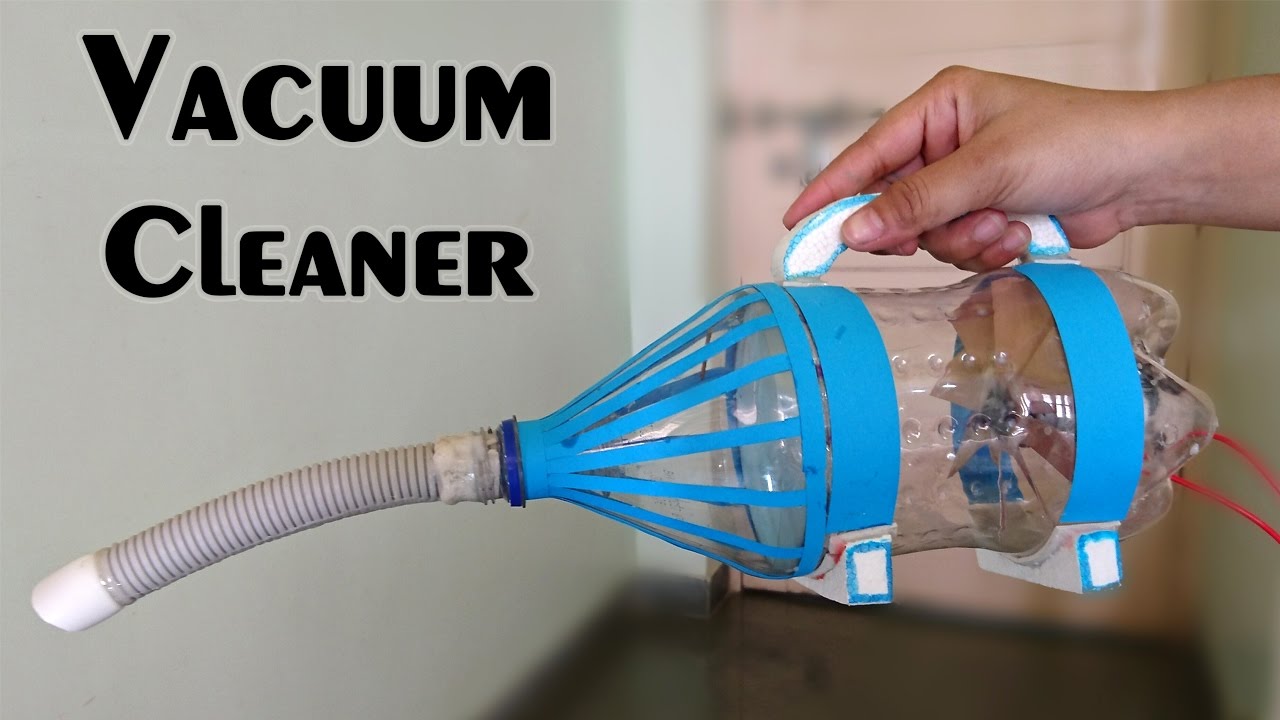
Credit: www.youtube.com
Table: Material Strength And Air Tightness
Choosing the right materials can double the effectiveness of your vacuum.
| Material | Strength | Air Tightness | Ease of Use |
|---|---|---|---|
| HDPE Bottle | High | Excellent | Easy |
| PET Jar | Medium | Good | Easy |
| Thin Plastic | Low | Poor | Very Easy |
| Silicone Hose | High | Excellent | Medium |
Diy Vacuum Cleaner Safety
Working without motors means fewer risks, but there are still safety tips to remember:
- Do not inhale dust: Always use a filter. Fine dust can harm your lungs.
- Avoid sharp plastic edges: Sand or tape cut surfaces to avoid cuts.
- Check for air leaks: Test your vacuum outside before using indoors.
- Wash filters regularly: Dirty filters can smell bad and spread germs.
Practical Tips For Better Performance
- Use short hoses for stronger suction. Long hoses lose power to friction.
- Clean filters often. A clogged filter reduces airflow quickly.
- Lubricate piston or plunger with a little vegetable oil for smoother movement.
- Store your vacuum in a dry place to prevent mold in the filter.
- Try different nozzles for cleaning tight spots or wide areas.
Real-world Examples: Manual Vacuum Cleaner Success Stories
School Science Project
A group of students in rural India built a foot-pump vacuum for cleaning classroom floors. Using recycled bottles and a bicycle pump, they made a device that could pick up chalk dust and paper bits. Their teachers noticed a big difference in air quality and cleanliness.
Cleaning Computer Keyboards
A college student used a syringe-based vacuum to clean dust from inside his laptop. He found that the small nozzle could reach tight spots that brushes could not. His laptop ran cooler and lasted longer.
Allergy-friendly Home
A mother with a dust allergy built a cyclone jar vacuum to clean her home without stirring up dust. She used old jars and a hand fan. Her allergy symptoms improved because the device trapped fine dust that sweeping would have spread into the air.
Comparing Manual Vacuum Cleaners To Electric Models
You may wonder how a vacuum cleaner without motor and battery stacks up against electric models. Here’s a summary.
| Feature | Manual Vacuum | Electric Vacuum |
|---|---|---|
| Power Source | Human effort | Electricity/Battery |
| Suction Strength | Low to medium | High |
| Portability | Very high | Medium |
| Cost | Very low | High |
| Maintenance | Minimal | Moderate |
| Lifespan | Long (no moving parts) | Variable |
| Best For | Small jobs, areas without power | Large homes, heavy dirt |
Environmental Impact
One big advantage of a motorless vacuum cleaner is that it is eco-friendly. No electricity means no carbon emissions during use. If you use recycled materials, you reduce waste even more.
- No batteries means no toxic waste.
- No electronic parts means fewer resources used.
- Long-lasting: Simple devices often outlive complex electric ones.

Credit: www.lowes.com
Who Should Use A Motorless Vacuum Cleaner?
- Students: For science projects or dorm rooms.
- People in off-grid locations: No need for electricity.
- Eco-conscious users: Reduce your carbon footprint.
- Budget-conscious families: Save money by using free or recycled parts.
- Pet owners: Quick cleanup of pet hair and crumbs.
Improving Your Manual Vacuum Cleaner
Once you have built a basic model, you can upgrade it:
- Add better filters: HEPA filters trap finer dust.
- Use larger dust chambers: Clean more before emptying.
- Make adjustable nozzles: Clean both tight and wide spaces.
- Paint or decorate: Make your device look nice and easy to spot.
- Build a carrying strap: For large models like bucket or foot-pump vacuums.
Limitations Of Motorless Vacuum Cleaners
While these devices are useful, they have some limits:
- Lower suction: They cannot match the power of electric vacuums.
- Manual effort needed: You must pump or squeeze for each use.
- Best for small messes: Not practical for large, dirty floors.
Non-obvious Insights For Advanced Users
- Static electricity: Rubbing plastic parts with wool creates static, which can help pick up fine dust.
- One-way valves: Adding these (from old bicycle tubes) improves suction and keeps dust in the chamber.
- Multiple filters: Layering thin filters captures both large and fine dust.
Where To Learn More
For a deeper understanding of how vacuum cleaners work and their history, check out the article on Wikipedia.
Frequently Asked Questions
What Is The Best Design For A Motorless Vacuum Cleaner?
The best design depends on your needs. For small jobs, a syringe or piston-type vacuum works well. For larger areas, a foot-pump or bellows vacuum is better. Cyclone jar models are best for outdoor or workshop use.
Can I Use Recycled Materials To Build A Manual Vacuum Cleaner?
Yes, most designs use recycled bottles, jars, and hoses. Just make sure your materials are clean and strong enough for repeated use.
How Do I Clean The Filters In A Manual Vacuum Cleaner?
Remove the cloth or foam filter and wash it with soap and water. Dry it completely before reinstalling to prevent mold.
Is A Manual Vacuum Cleaner Safe For People With Allergies?
It can be safer than sweeping, as manual vacuums trap dust instead of pushing it into the air. Use a good filter (like HEPA) for the best results.
How Often Should I Empty The Dust Chamber?
For best performance, empty the dust chamber after every use. This keeps suction strong and prevents bad smells.
Creating your own vacuum cleaner without motor and battery is not just a fun project. It can save money, help the environment, and teach you about science in a hands-on way. With a little creativity, you can keep your space clean—no electricity required.