Looking for the best and cheapest vacuum cleaner can feel confusing. There are so many models, brands, and features to choose from. Some vacuums cost hundreds of dollars, while others are much more affordable. But does cheap mean bad quality?
And does expensive always mean better cleaning? If you want a vacuum that is both effective and low-cost, you need to know which features really matter. You also need to avoid the common traps that make people spend more than they should.
This guide will help you find the right balance—so you get a vacuum cleaner that works well, lasts longer, and fits your budget.
Why Price Isn’t Everything In Vacuum Cleaners
It’s easy to think that an expensive vacuum will always be better. But many budget-friendly vacuums can clean just as well as pricier ones. The key is to look at core features that affect performance, not just the brand or price tag. For example, a powerful motor, good filtration, and the right attachments often matter more than fancy digital displays.
Many people buy a cheap vacuum, only to replace it after a year because it stops working. Others spend more than they need for features they never use. The smartest buyers look for the best value: a combination of low price, strong cleaning power, and durability.
Key Features To Look For In A Budget Vacuum Cleaner
When searching for the best and cheapest vacuum cleaner, focus on these main features:
- Suction Power: Strong suction picks up dust and dirt better, especially on carpets.
- Filtration: Good filters, such as HEPA, trap allergens and dust. This is important for people with allergies.
- Weight and Size: Lightweight vacuums are easier to use and store, especially in small homes or apartments.
- Attachments: Useful tools like crevice tools or brush heads help clean corners, furniture, and even cars.
- Bagged vs Bagless: Bagless vacuums save money on bags, but may be messier to empty.
- Cord Length or Battery Life: Make sure the cord is long enough, or the battery lasts long enough for your space.
- Noise Level: Quieter vacuums are more comfortable to use, especially in shared living spaces.
- Warranty and Customer Support: A good warranty means the company stands behind its product.
Many buyers make the mistake of only looking at suction power. But a vacuum that is hard to move, noisy, or poor at filtering dust can be a bad choice even if it’s powerful.
Types Of Budget Vacuum Cleaners
Understanding the main types of vacuum cleaners can help you choose the best one for your needs. Each type has advantages and disadvantages.
Upright Vacuums
Upright vacuums are the classic style. They usually have strong suction and are good for large carpeted areas. Many upright vacuums under $100-$150 perform well, but may be heavier than other types.
Stick Vacuums
Stick vacuums are slim and lightweight. They work well for small homes, quick cleanups, or hard floors. Some models are cordless, giving you more freedom to move around.
Canister Vacuums
Canister vacuums have a separate unit that follows you on wheels. They are often quieter, easy to use on stairs, and better for hard floors and above-floor cleaning.
Handheld Vacuums
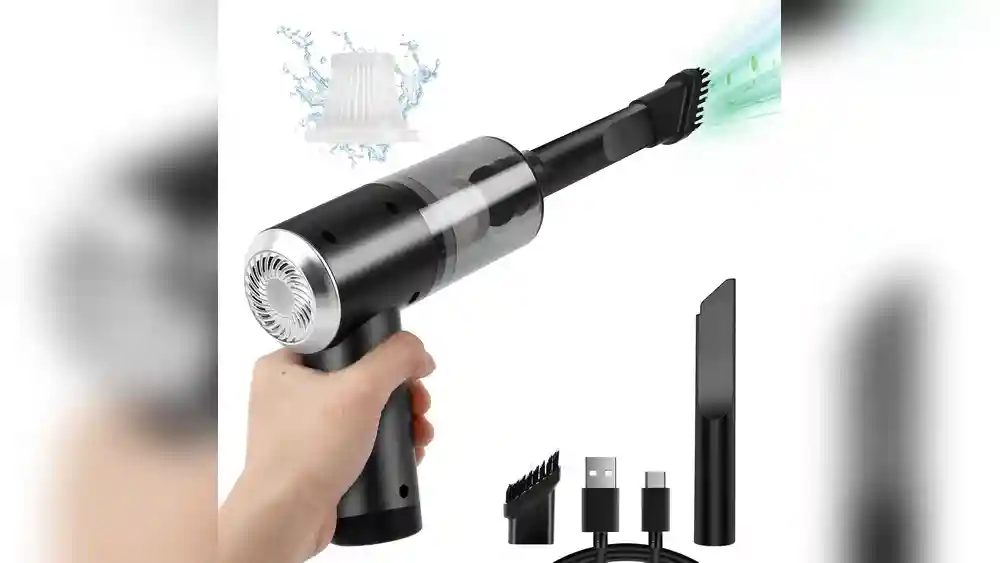
Handheld vacuums are small, portable, and great for cleaning cars, furniture, or quick messes. They are not ideal for whole-house cleaning but are a good second vacuum.
Robot Vacuums
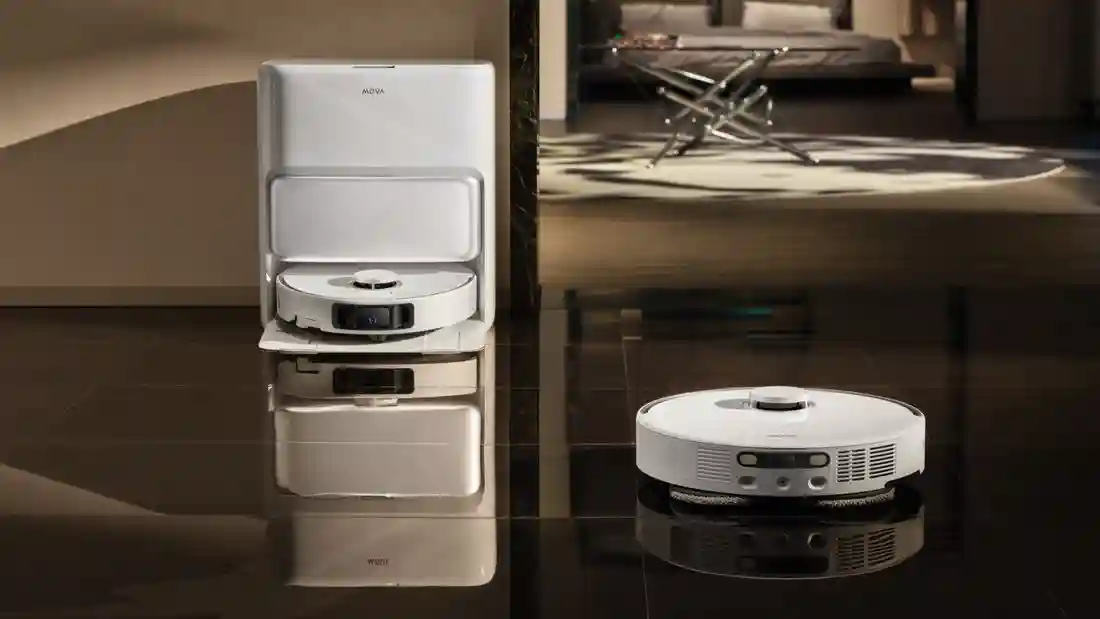
Robot vacuums clean on their own. While most are expensive, a few budget models can handle light daily cleaning. However, they usually lack strong suction and get stuck more easily.
Comparing Popular Budget Vacuum Cleaners
To help you see the differences, here is a comparison of some of the top affordable vacuum cleaners available now. Prices can change, so always check for the latest deals.
| Model | Type | Weight | Bagged/Bagless | Average Price (USD) | Main Pros | Main Cons |
|---|---|---|---|---|---|---|
| Bissell CleanView 2252 | Upright | 12.5 lbs | Bagless | $110 | Strong suction, wide cleaning path, good for pet hair | Heavy, not great for stairs |
| Eureka Blaze NES210 | Stick | 3.2 lbs | Bagless | $35 | Very light, easy to use, works on hard floors | Small dust cup, not for thick carpets |
| Dirt Devil Endura Reach | Upright | 9 lbs | Bagless | $60 | Affordable, good suction, compact | Noisy, short cord |
| BLACK+DECKER Dustbuster CHV1410L | Handheld | 2.6 lbs | Bagless | $52 | Portable, quick charge, easy to empty | Short battery, small capacity |
| eufy RoboVac 11S | Robot | 5.7 lbs | Bagless | $140 | Hands-free, quiet, slim design | Not deep cleaning, gets stuck |
| Hoover WindTunnel 2 Rewind | Upright | 17 lbs | Bagless | $120 | Powerful suction, automatic cord rewind | Heavy, bulky |
These models show that you can get solid cleaning without spending much. Some people prefer lightweight stick vacuums for quick jobs, while others want a bigger upright for deep cleaning.
Real-life Performance: What To Expect
Buying a cheap vacuum cleaner can be a smart move if you understand what to expect. Most budget vacuums will:
- Clean hard floors and low-pile carpets well.
- Struggle a bit with thick carpets or large amounts of pet hair.
- Have smaller dust bins or bags, so you may need to empty them more often.
- Be noisier and less durable than high-end models.
Some affordable vacuums surprise buyers by lasting for years with proper care. Others may need more frequent maintenance. Don’t expect extra features like smart mapping or self-emptying bins in the lowest price range.
How To Choose The Best And Cheapest Vacuum Cleaner For Your Needs
The best vacuum for you depends on your home, lifestyle, and preferences. Here’s how to make the right choice:
- Consider Your Floor Type: If you have mostly hard floors, a stick or canister vacuum is usually enough. For thick carpets, look for an upright with a motorized brush.
- Check for Pets or Allergies: If you have pets, choose a vacuum with strong suction and a good filter. HEPA filters are best for allergies.
- Think About Storage: Small apartments or dorm rooms need compact, easy-to-store vacuums.
- Decide on Corded or Cordless: Cordless vacuums are convenient, but battery life can be short in cheap models. Corded vacuums don’t run out of power but have limited range.
- Look at Attachments: Tools like crevice tools, dusting brushes, and pet hair attachments make cleaning easier.
- Read Reviews and Ratings: Look for real user reviews, not just ads. Pay attention to common complaints and praises.
- Compare Warranty and Customer Service: A longer warranty and good support can save you money if something breaks.

Credit: www.goodhousekeeping.com
Maintenance Tips For Budget Vacuum Cleaners
Proper maintenance can make even a cheap vacuum last much longer. Here are some essential tips:
- Empty the Dust Bin or Bag Often: Overfilled bins reduce suction power.
- Clean or Replace Filters: Washable filters should be cleaned every few weeks. Replace non-washable filters as the manufacturer suggests.
- Check for Clogs: Hair, string, or debris can block airflow and damage the motor.
- Clean the Brush Roll: Remove hair and threads from the brush to keep it spinning freely.
- Store Properly: Keep your vacuum in a dry, cool place to avoid damage.
Many people forget these simple steps, leading to weak suction or even a broken vacuum. Spending a few minutes on maintenance can double the life of your machine.
How Much Should You Really Spend?
You don’t have to spend a lot to get a good vacuum. Most people can find a reliable machine for between $40 and $130. Here’s a rough price guide:
| Price Range (USD) | What You Get |
|---|---|
| $30–$60 | Basic stick or handheld vacuums, good for hard floors and spot cleaning. |
| $60–$100 | Entry-level uprights, more suction, sometimes better filters and attachments. |
| $100–$150 | Stronger suction, larger dust bins, better performance on carpets, some robot vacuums. |
Avoid buying the absolute cheapest vacuums unless you only need it for very light use. Spending a little more for better suction and filtration is worth it for most homes.
Credit: www.nytimes.com
What Makes A Cheap Vacuum Cleaner Last Longer?
Even the best and cheapest vacuum cleaner can break down early if you don’t use it correctly. Here are two non-obvious ways to make a budget vacuum last longer:
- Use the Right Setting for Each Floor: Many vacuums have adjustable settings for carpet and hard floors. Using the wrong setting can wear out the brush or motor faster.
- Don’t Pull by the Cord: Always unplug the vacuum by holding the plug, not the cord. Pulling the cord can cause internal wires to break, leading to power loss or electrical hazards.
Many beginners ignore these small habits, but they can save you from buying a new vacuum every year.
Are Cheap Vacuums Good For Pet Hair?
Pet hair is one of the toughest things to clean, especially from carpets and upholstery. Some cheap vacuums are surprisingly good at picking up pet hair, but you need to look for:
- A motorized brush roll: This helps pull hair out of carpets and rugs.
- Strong suction: Pet hair sticks to fabric, so weak vacuums leave it behind.
- Easy-to-clean brushes: Pet hair can get tangled. Choose a model that lets you remove and clean the brush roll easily.
The Bissell CleanView 2252, for example, is a popular choice for pet owners on a budget. It has a strong brush roll and a special pet hair tool.
The Best And Cheapest Vacuum Cleaners In 2024
Here are some top picks for different needs. Each offers a balance of price, performance, and durability.
Best Overall Budget Vacuum: Bissell Cleanview 2252
This upright vacuum is often recommended as a top budget choice. It offers:
- Strong suction on carpets and hard floors.
- Large dust bin for less frequent emptying.
- Special pet hair tool and multiple attachments.
- Easy to maintain and clean.
It’s heavier than some stick vacuums, but its performance is hard to beat for the price.
Best For Small Spaces: Eureka Blaze Nes210
If you live in a small apartment or need a lightweight vacuum, this stick model is a great choice. It:
- Weighs only 3.2 pounds.
- Converts to a handheld for sofas or car interiors.
- Works well on hard floors.
- Is easy to store in a closet or corner.
It doesn’t have the power for thick carpets, but it’s perfect for everyday dust and crumbs.
Best Handheld For Quick Jobs: Black+decker Dustbuster Chv1410l
For quick cleanups, car seats, or furniture, this handheld is a favorite. Features include:
- Portable and cordless design.
- Fast charging battery.
- Easy-to-empty dust cup.
Battery life is short (about 15 minutes), but it’s ideal for small messes.
Best Robot Vacuum On A Budget: Eufy Robovac 11s
If you want a robot vacuum without a big price tag, this model is reliable. It:
- Cleans on a schedule or with a button press.
- Fits under most furniture thanks to its slim design.
- Runs quietly.
It’s not as smart as expensive robots and may get stuck, but it works well for daily light cleaning.
Best For Pet Hair: Dirt Devil Endura Reach
While not as powerful as some pricier models, this upright vacuum handles pet hair well for its price. It has:
- Decent suction for pet hair.
- Compact size for easy storage.
- Washable filter to reduce costs.
It’s noisy and has a shorter cord, but it does the job for most pet owners.
Pros And Cons Of Buying A Cheap Vacuum Cleaner
It’s important to know what you gain and what you might give up by going for a budget vacuum.
Pros:
- Saves money up front
- Lighter and easier to move
- Simple controls, less confusing features
- Often easier to repair
Cons:
- May not last as long as premium vacuums
- Smaller dust bins or bags
- Fewer advanced features (like HEPA filtration or smart mapping)
- May be louder or less powerful
The trick is to match your vacuum to your needs. If you have a small space and don’t need to clean thick carpets, a cheap vacuum is often enough.
What To Avoid When Buying A Cheap Vacuum Cleaner
Many buyers make mistakes that lead to disappointment. Avoid these common traps:
- Ignoring Filtration Quality: Cheap vacuums can blow dust back into the air. Look for models with good filters, especially if you have allergies.
- Choosing Too Small a Dust Bin: Constantly emptying a tiny bin is annoying and time-consuming.
- Not Checking Cord Length: A cord that’s too short means stopping often to change outlets.
- Buying “No-Name” Brands: Stick with well-known brands with real warranties and support.
- Falling for Gimmicks: Lights, digital displays, or fancy colors don’t improve cleaning.
Upgrades Worth Paying For
Even with a tight budget, spending a little more for certain features can make a big difference. For example:
- HEPA filtration is worth the extra cost for allergy sufferers.
- Longer cord or battery life makes cleaning faster and less frustrating.
- Detachable hoses and tools add flexibility for cleaning furniture, stairs, or cars.
These upgrades often cost just $10–$20 more but can improve your cleaning experience for years.
:max_bytes(150000):strip_icc()/shark-nv360-navigator-lift-away-deluxe-upright-vacuum-phoebe-cheong-photo-01-3565ac0e1416498484e8658efba6cbf3.jpg)
Credit: www.thespruce.com
How To Get The Best Deal On A Vacuum Cleaner
Prices can change quickly, especially during sales or promotions. Here are some tips to save even more:
- Shop during sales: Black Friday, holiday, or back-to-school sales often have big discounts.
- Check online and in-store: Sometimes stores have exclusive deals or bundles.
- Look for refurbished models: Some brands sell “like new” vacuums at a lower price with a warranty.
- Use price comparison tools: Websites can track price drops and show you the best deals.
One good resource for comparing vacuum cleaner reviews and deals is Consumer Reports.
Comparing Bagged And Bagless Cheap Vacuums
Bagged vacuums usually trap more dust, but you’ll need to buy replacement bags. Bagless vacuums save money on bags but can be messier to empty.
| Type | Pros | Cons |
|---|---|---|
| Bagged | Traps dust better, less mess when emptying, good for allergies | Ongoing cost for bags, harder to tell when full |
| Bagless | No ongoing cost, easy to see when full, eco-friendly | Can release dust when emptying, filters may need more cleaning |
If you have allergies, a bagged vacuum may be worth the small extra cost. Otherwise, bagless models are more popular for saving money.
Should You Buy A Used Vacuum Cleaner?
Buying second-hand can save money, but it comes with risks. Used vacuums may have worn-out parts, weak suction, or hidden damage. If you decide to buy used:
- Test the vacuum in person.
- Check for strong suction and working filters.
- Ask about the age and any repairs.
- Clean it thoroughly before use.
Used vacuums can be a good deal for backup or occasional use, but for daily cleaning, a new budget model is safer.
How To Make Your Cheap Vacuum Cleaner More Effective
Some simple tricks can help your vacuum do a better job, even if it’s a low-cost model:
- Vacuum slowly: Going over each spot slowly lets the vacuum pick up more dirt.
- Overlap strokes: Cover each area twice for deeper cleaning.
- Use the right attachment: Use crevice tools for corners and brushes for upholstery.
- Keep floors free of big debris: Pick up large items that might clog the vacuum.
Many people rush when cleaning, missing dirt and wearing out their vacuum faster.
Environmental Impact Of Cheap Vacuums
Cheaper vacuums can be less eco-friendly, especially if they break and end up in a landfill quickly. To reduce your impact:
- Choose models with washable filters.
- Recycle old vacuums responsibly (many cities have electronics recycling).
- Buy from brands that offer parts and repairs.
Some companies now focus on making affordable vacuums with fewer harmful materials and longer lifespans.
The Truth About “no-name” Cheap Vacuums
Online stores are full of very cheap, unknown brand vacuums. While some are okay, many have:
- Poor suction
- Weak plastic parts
- No real warranty
- Hard-to-find replacement filters
It’s usually safer to choose a known brand, even if it costs a little more.
Frequently Asked Questions
What Is The Best And Cheapest Vacuum Cleaner Overall?
The Bissell CleanView 2252 is a top pick for most people. It balances strong suction, easy maintenance, and a low price. It works well on carpets and hard floors, and comes with useful tools.
Are Cheap Vacuum Cleaners Safe For People With Allergies?
Some cheap vacuums have HEPA filters, which are good for allergies. Check the filter type before buying. Bagged models often trap dust better than bagless ones.
How Long Do Budget Vacuum Cleaners Usually Last?
With proper care, most cheap vacuums can last 2–4 years. Regular maintenance, like cleaning filters and removing clogs, makes a big difference.
Can A Cheap Vacuum Clean Thick Carpets?
Most budget vacuums handle low-pile carpets well. For thick carpets, look for a model with a motorized brush and stronger suction, like the Bissell CleanView or Hoover WindTunnel.
Should I Buy A Cordless Or Corded Vacuum On A Budget?
Corded vacuums usually offer more power for the price and are better for larger spaces. Cordless models are more convenient for quick jobs but often have shorter battery life in the budget range.
Finding the best and cheapest vacuum cleaner doesn’t have to be hard. Focus on what matters most for your home, don’t fall for unnecessary features, and remember that good care can make even a low-cost vacuum last for years. With these tips, you can keep your space clean and your wallet happy.