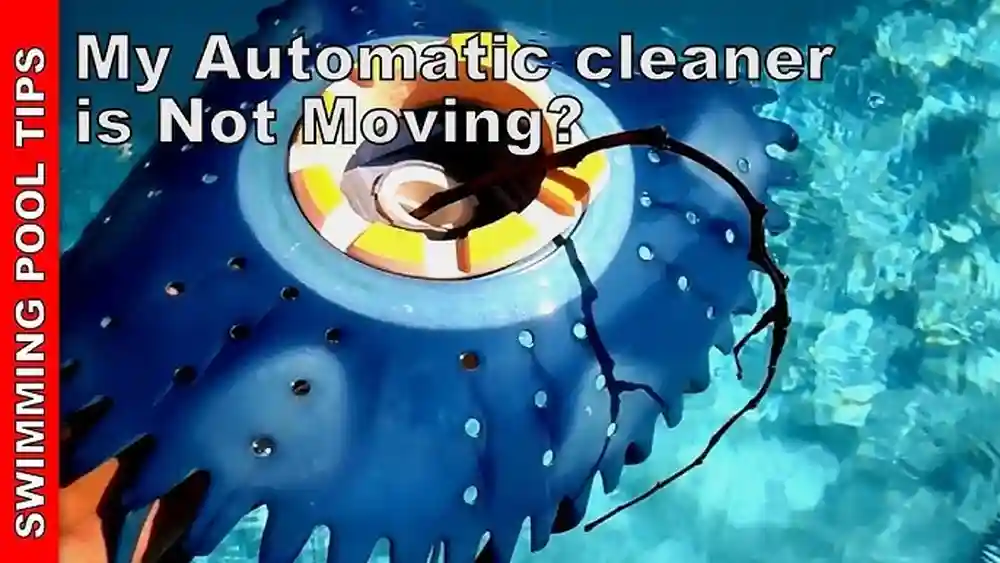
Why Is My Automatic Pool Vacuum Not Moving?
A sparkling, clean pool is every pool owner’s dream. But that dream quickly fades when you see your automatic pool vacuum sitting still at the bottom, not moving an inch. If you’ve ever watched your pool cleaner stop in the middle of the job or never start at all, you know how frustrating it can be. You invested in automation to save time and effort, but when your vacuum refuses to move, it feels like you’re back at square one.
Understanding why your automatic pool vacuum isn’t moving is the first step toward solving the problem. The solution is often simpler than you think, and you don’t always need a professional to fix it. This guide will walk you through the most common reasons for pool vacuum failure, how to troubleshoot them, and what you can do to get your cleaner moving again.
Along the way, you’ll see real-world examples, practical tips, and mistakes to avoid—so you can get back to enjoying your pool.
Common Types Of Automatic Pool Vacuums
Before troubleshooting, it helps to know which type of vacuum you have. Each kind has different moving parts and common issues.
| Type | Power Source | How It Moves | Common Issues |
|---|---|---|---|
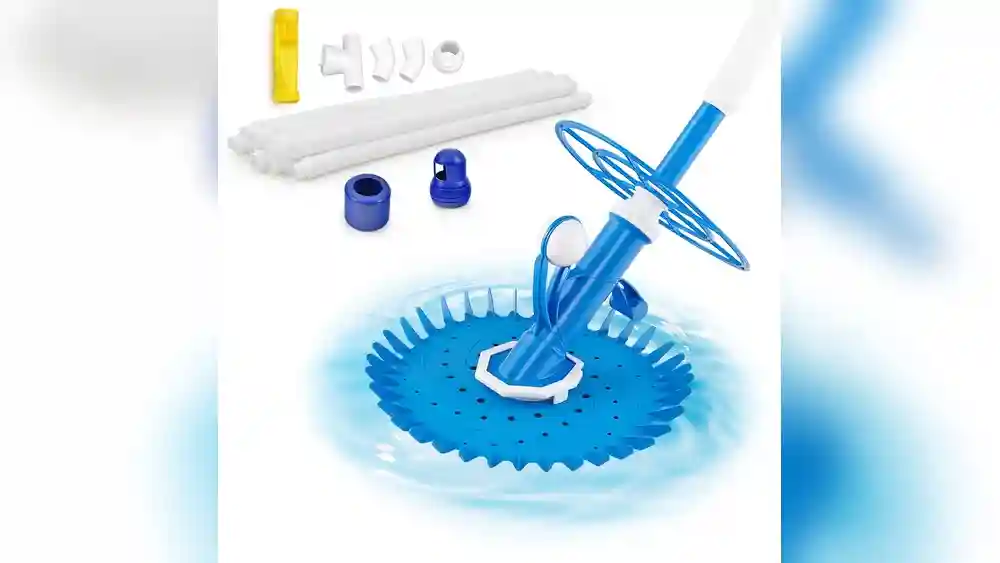
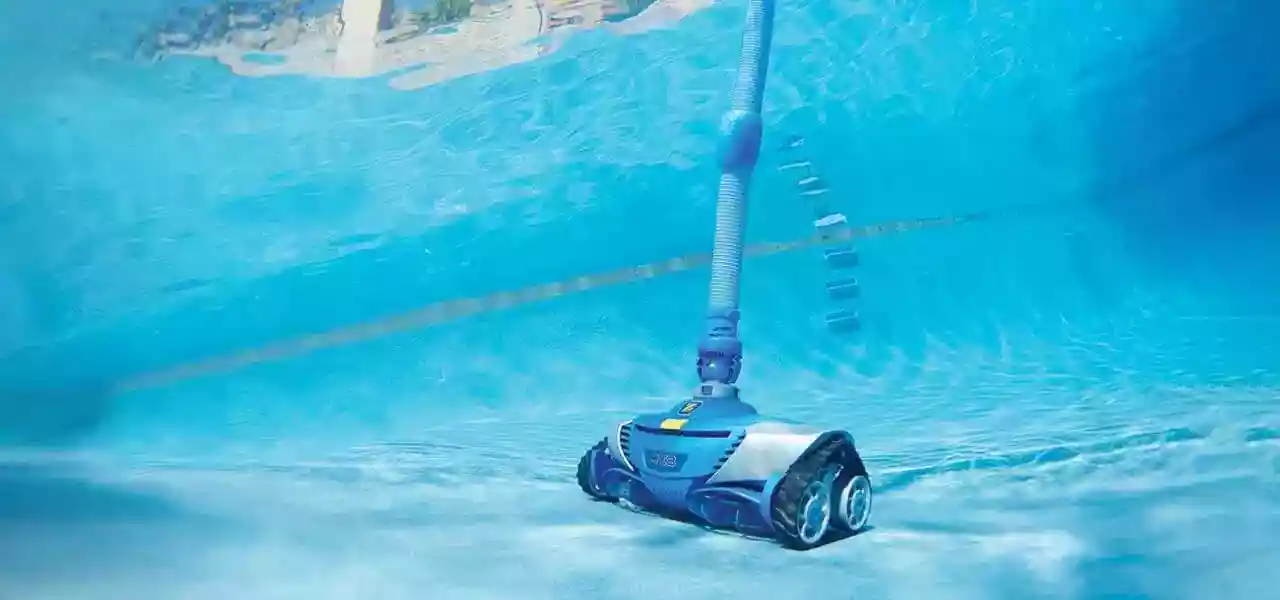
| Suction-side | Pool pump suction | Hoses pull cleaner around | Low suction, clogged hoses |
| Pressure-side | Water return pressure | Wheels/jet propulsion | Low pressure, worn jets |
| Robotic | Electric (plug-in) | Motorized wheels/tracks | Power loss, motor failure |
Identifying your vacuum type will help you find the right solution faster.
Main Reasons Your Automatic Pool Vacuum Is Not Moving
Several problems can stop your pool vacuum in its tracks. Let’s look at the most common causes.
1. Power Or Suction Problems
Many pool vacuums rely on strong suction or pressure to move. If the vacuum isn’t getting enough, it won’t budge.
Suction-side vacuums:
- Pool pump is off or not primed
- Clogged skimmer or pump basket
- Dirty pool filter reducing flow
- Leaky or loose hoses
Pressure-side vacuums:
- Booster pump not running
- Filter or inline screen is dirty
- Water pressure too low
Robotic vacuums:
- Not plugged in or power supply off
- Damaged cord or plug
- Faulty power supply or motor
Non-obvious tip: Even a slightly dirty filter or a small air leak in the hose can reduce performance enough to stop movement. Many owners overlook these minor issues.
2. Clogs And Obstructions
Debris often gets stuck in the vacuum head, hoses, or internal gears.
- Leaves, twigs, or small toys can block the intake.
- Sand or pebbles can jam moving parts.
- Long hair or string can tangle wheels or tracks.
Practical example: If you recently had a storm or heavy use, check for large debris clogging the cleaner.
3. Damaged Or Worn Parts
Over time, parts wear out:
- Suction-side: Diaphragms, foot pads, or wheels may crack or break.
- Pressure-side: Jet nozzles, belts, or wheels can wear down.
- Robotic: Brushes, tracks, and drive motors may fail.
A cracked hose or worn wheel can be enough to stop movement.
Insight: Many pool owners forget that even small cracks in the hose can kill suction. Check for leaks by lifting the hose slightly out of the water and listening for hissing sounds.
4. Setup And Installation Errors
If your vacuum was never installed correctly, it may never move.
- Wrong hose length or connection
- Valves set incorrectly
- Not enough water in the pool
- Using the wrong power outlet
Some robotic vacuums require a ground fault circuit interrupter (GFCI) outlet. Using the wrong type can prevent operation.
5. Pool Chemistry And Water Conditions
Dirty, cloudy, or heavily algae-filled water can impact cleaner performance. High debris loads can clog the vacuum quickly.
Low water levels can also expose the cleaner or its hoses to air, stopping movement.
How To Troubleshoot A Non-moving Automatic Pool Vacuum
Getting your vacuum moving again usually requires a few simple checks. Start with the basics and move to more detailed steps.
Step 1: Confirm Power And Suction
- Is the pool pump or booster pump running?
- For robotic vacuums: Is the unit plugged in, and is the power supply working?
- Check for tripped breakers or GFCI outlets.
A quick test: Listen for water movement in the hoses or feel for suction at the end.
Step 2: Inspect For Clogs
- Remove the vacuum from the pool.
- Check the intake for leaves, sticks, or other debris.
- Examine hoses for blockages.
For robotic vacuums, open the debris compartment and clean out the basket.
Step 3: Examine Hoses And Connections
- Look for visible cracks, holes, or kinks.
- Tighten all hose connections.
- Test each hose section for suction by disconnecting and placing your hand over the end.
Even a small air leak can cause loss of movement.
Step 4: Clean Or Replace Filters
- Backwash or clean your pool filter.
- Empty the skimmer and pump baskets.
- For pressure-side cleaners, check any inline screens or filters.
Data point: According to pool maintenance surveys, over 30% of vacuum issues are fixed simply by cleaning out clogged filters or baskets.
Step 5: Check For Damaged Parts
- Inspect wheels, brushes, and tracks for wear or breakage.
- For suction/pressure cleaners, check diaphragms and foot pads.
- For robotic units, look for loose or broken drive belts.
Replace any worn or broken parts as needed.
Step 6: Review Setup And Water Conditions
- Ensure the pool water is at the proper level.
- Check that all valves are set for correct flow.
- Make sure hoses are the right length (too long or short can impact movement).
- Test the pool’s water chemistry and clarity.
Non-obvious insight: If you recently shocked the pool or added chemicals, wait until the water is clear before running the cleaner. Heavy debris or cloudy water can stop vacuums quickly.
Comparing Common Pool Vacuum Issues
Here’s a quick comparison of the most frequent problems and their likely causes.
| Symptom | Possible Cause | Quick Fix |
|---|---|---|
| Vacuum not moving at all | No power, pump off, major clog | Check power, clear blockages |
| Vacuum moves slowly | Dirty filter, small leak, worn part | Clean filter, check hoses, replace part |
| Vacuum stops randomly | Debris stuck, intermittent power | Remove debris, check cord/plug |
| Vacuum covers only part of pool | Wrong hose length, poor setup | Adjust hose, review installation |
Credit: intheswim.com
Deeper Troubleshooting For Each Vacuum Type
Suction-side Cleaners
If your suction-side vacuum isn’t moving:
- Make sure the skimmer or dedicated suction line is open.
- Prime the pump if needed.
- Check the pool filter pressure gauge. High pressure usually means a dirty filter.
- Disconnect hose sections one by one to test for suction loss.
Pro tip: Sometimes, the diaphragm or flapper inside the cleaner gets worn out. Replacing this $10 part can restore full motion.
Pressure-side Cleaners
If your pressure-side cleaner is not moving:
- Make sure the booster pump is on and water is flowing.
- Remove and rinse the inline screen filter.
- Check for leaks in the feed hose.
- Examine the jet nozzles inside the cleaner; they can get clogged with sand or grit.
Experience-based tip: Even a small pebble can jam a pressure cleaner’s drive wheels. Remove the cleaner and shake it gently—if you hear rattling, open it up.
Robotic Cleaners
If your robotic pool vacuum isn’t moving:
- Test the power outlet with another device.
- Inspect the power cord for damage.
- Open the cleaner to check for stuck debris or jammed brushes.
- Try resetting the unit—some have a reset button or require unplugging for 30 seconds.
Non-obvious insight: Some robotic cleaners stop if they detect they’re out of water, or if the filter basket is full—even if you think the pool is clean.
When To Call A Professional
Most vacuum issues can be fixed at home, but some problems need expert help:
- Electrical faults in robotic cleaners
- Major leaks in underground pipes
- Repeated hose or part failures
- Warranty concerns
If you’ve tried all the above steps and your cleaner still won’t move, it’s time to call for service.
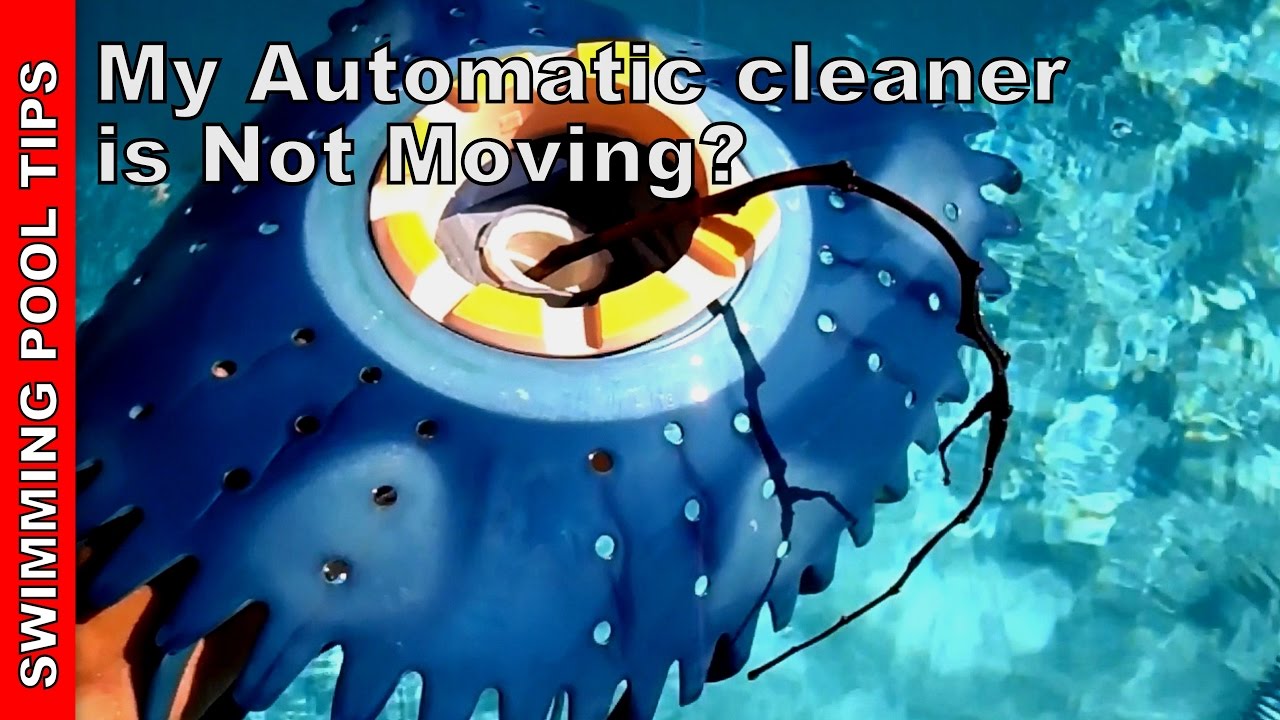
Credit: www.youtube.com
Preventing Pool Vacuum Problems
Regular maintenance keeps your automatic vacuum running smoothly:
- Clean filters and baskets weekly.
- Inspect hoses and connections monthly.
- Replace worn parts as needed—don’t wait for them to fail.
- Store robotic vacuums indoors when not in use (sun and weather can damage them).
- Run your cleaner regularly. Storing it for long periods can cause seals and parts to dry out.
By following these habits, you’ll reduce breakdowns and extend the life of your vacuum.
Cost Comparison: Diy Fixes Vs. Professional Repair
How much can you expect to spend fixing a non-moving pool vacuum?
| Repair Type | DIY Cost (Approx.) | Professional Cost (Approx.) |
|---|---|---|
| Clean filter/baskets | $0 (your time) | $75–$150 (service call) |
| Replace hoses/gaskets | $15–$60 | $120–$200 |
| Replace drive belts | $10–$40 | $100–$180 |
| Electrical repair (robotic) | N/A (not safe DIY) | $200–$400+ |
DIY fixes can save a lot, but know your limits—especially with electrical repairs.

Credit: mrpoolman.com.au
Key Mistakes To Avoid
Many owners repeat the same errors, making problems worse:
- Ignoring small leaks or cracks in hoses
- Running a vacuum with a full filter basket
- Using the wrong replacement parts
- Skipping regular maintenance
- Forcing the cleaner if it’s stuck
Confident guidance: If your vacuum isn’t moving, don’t keep running it. Turn off the pump or unplug the unit before checking for problems. This avoids damage and keeps you safe.
Helpful Resources
For deeper dives into pool cleaner types and advanced troubleshooting, the official SwimmingPool.com guide provides step-by-step instructions, diagrams, and videos.
Frequently Asked Questions
Why Does My Automatic Pool Vacuum Start But Then Stop After A Few Minutes?
This usually means the filter or debris basket is full, or there is a partial blockage. It can also happen if the power supply overheats or the pump timer is set incorrectly.
Can A Dirty Pool Filter Cause My Vacuum To Stop Moving?
Yes, a dirty pool filter reduces water flow, which can stop both suction- and pressure-side vacuums. Clean or backwash your filter regularly to keep your cleaner working.
My Robotic Pool Cleaner’s Power Light Is On, But It Won’t Move. What Should I Check?
First, check for debris in the brushes or tracks. Then, inspect the drive belts and motor connections. Sometimes, the internal motor can fail even if the power light is on.
How Often Should I Replace The Hoses Or Parts On My Automatic Pool Vacuum?
Inspect hoses and moving parts every month during pool season. Replace any cracked, brittle, or leaking parts immediately—usually every 1–2 years, depending on use and sun exposure.
Is It Safe To Repair A Robotic Pool Cleaner Myself?
It’s safe to clean and replace basic parts like filters, brushes, and baskets. For electrical or motor repairs, contact a certified technician to avoid shock or further damage.
A pool vacuum that won’t move is annoying but rarely a mystery. With a bit of troubleshooting and regular maintenance, you’ll have your cleaner gliding across the pool floor again—and more time to enjoy the water.