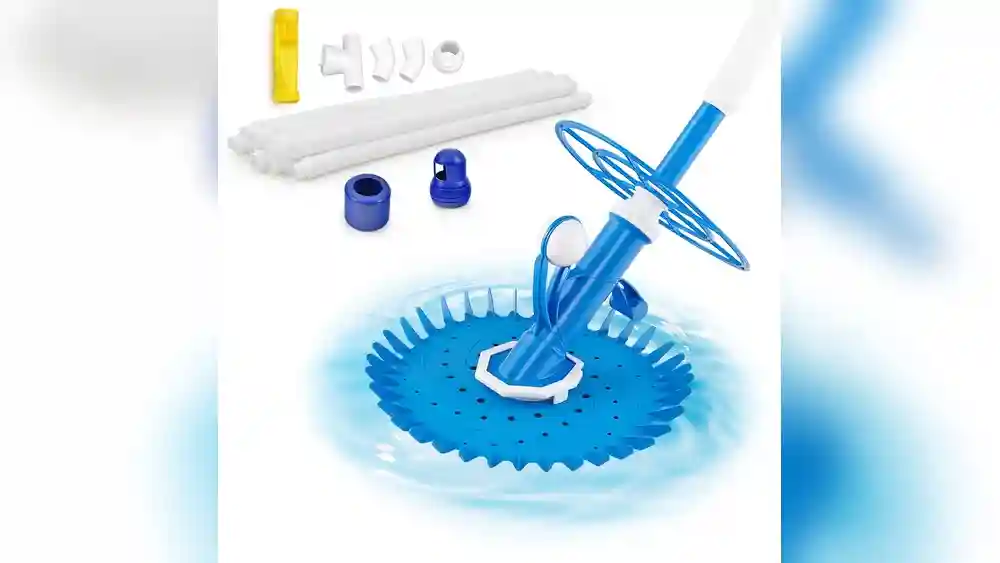
Automatic Pool Cleaner For Inground Pools
Keeping your inground pool clean is not just about beauty. It’s about safety, comfort, and saving time. Scrubbing a pool by hand is hard work, especially in hot weather or after storms. That’s why many pool owners are turning to automatic pool cleaners. These smart devices do the cleaning for you, helping you enjoy your pool more and worry less. But with so many options and features, choosing the right automatic pool cleaner for an inground pool can feel confusing. Let’s break down how these machines work, what types are best, and how to make a smart choice for your pool.
How Automatic Pool Cleaners Work
Automatic pool cleaners are designed to remove dirt, debris, and algae from pool surfaces—floors, walls, and sometimes even steps. The main goal is to keep water clear and safe with less manual effort. There are three main types of automatic pool cleaners for inground pools: suction-side, pressure-side, and robotic.
Suction-side Cleaners
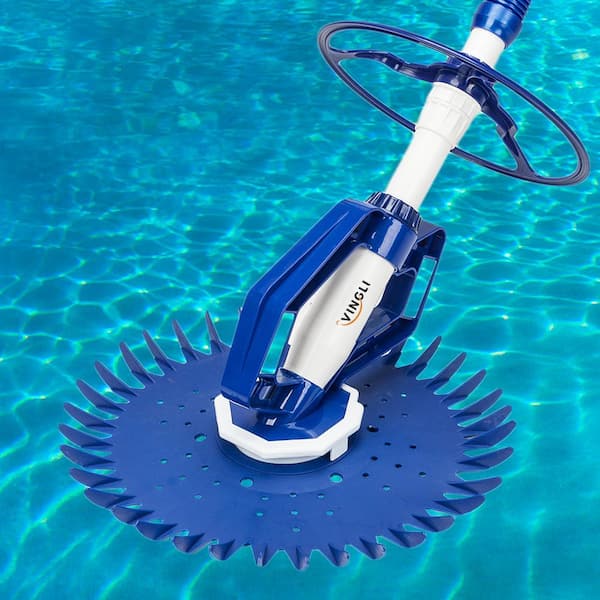
These cleaners connect to your pool’s existing filtration system. They use the power of your pool pump to move around and vacuum debris. Suction-side cleaners are the most affordable option, but they rely heavily on your pool’s pump and filter. They are best for pools with light debris and regular maintenance.
Pressure-side Cleaners
Pressure-side cleaners use water pressure from a dedicated line or booster pump. They move around the pool, picking up debris into a separate bag. This type doesn’t clog your main filter as easily and can handle larger debris. Pressure-side cleaners are a good fit for pools surrounded by trees or where leaves and twigs are common.
Robotic Cleaners
Robotic cleaners are independent machines powered by electricity. They have their own filters and motors, meaning they don’t depend on your pool’s system. These cleaners are the most advanced, with features like programmable cycles, remote controls, and advanced navigation. Robotic models are ideal for busy owners who want the best cleaning with minimal effort.
Key Benefits Of Automatic Pool Cleaners
Automatic pool cleaners offer several advantages for inground pool owners:
- Time-saving: They clean the pool while you do other things.
- Consistent cleaning: Pools stay cleaner with regular cycles.
- Improved water quality: Removing debris helps keep water safe and clear.
- Reduced manual labor: No more hours of scrubbing or vacuuming.
- Energy-efficient options: Many robotic models use less power than manual cleaning or older machines.
One often-overlooked benefit: automatic cleaners help circulate water, which prevents algae and keeps chemicals balanced. This can reduce the need for shock treatments and extra chemicals.
Credit: www.homedepot.com
Comparing Cleaner Types: Performance And Cost
Choosing the right automatic pool cleaner depends on your pool’s size, shape, and how much debris it collects. Here’s a comparison to help you see the differences:
| Type | Average Price | Cleaning Ability | Ease of Use | Maintenance |
|---|---|---|---|---|
| Suction-side | $200–$500 | Good for small debris | Simple setup | Uses pool filter |
| Pressure-side | $400–$800 | Handles large debris | Needs booster pump | Separate debris bag |
| Robotic | $600–$1500 | Excellent, full coverage | Plug and play | Own filter, easy to clean |
Data from industry reviews show robotic cleaners remove up to 98% of visible debris in a standard inground pool with one cycle. Suction-side cleaners, by comparison, usually reach about 85% in similar conditions.
Features To Look For In An Automatic Pool Cleaner
When shopping for an automatic pool cleaner, some features really matter. Here’s what to look for:
- Cleaning coverage: Can the cleaner handle floors, walls, and waterline?
- Filter type and capacity: Larger filters mean less frequent cleaning.
- Navigation and mobility: Advanced models use smart sensors to avoid obstacles.
- Energy efficiency: Look for Energy Star ratings or low wattage.
- Maintenance: Easy access to filters and parts makes cleaning simple.
- Durability: Check for sturdy wheels, brushes, and quality materials.
- Programmable cycles: Allows you to set cleaning times automatically.
A less obvious feature is cord management. Some robotic cleaners have tangle-free cables, which prevents interruptions and prolongs machine life.
:max_bytes(150000):strip_icc()/pool-cleaners-dolphin-cc-nautilus-automatic-hildara-araya-02-1-28f82cfcd1024deca15a4564ba2ce573.jpeg)
Credit: www.adora-ict.com
Common Mistakes When Choosing A Pool Cleaner
Many pool owners make mistakes when picking a cleaner. Here are a few to avoid:
- Ignoring pool size and shape: Not all cleaners work in large or oddly shaped pools.
- Choosing based only on price: Cheap models may not clean well or last long.
- Skipping research on filter compatibility: Suction-side cleaners may not fit all filtration systems.
- Not considering debris type: Pools near gardens need cleaners that handle leaves and twigs.
- Overlooking maintenance needs: Some models require frequent filter changes or bag emptying.
It’s also common to forget about warranty and service. Buying from trusted brands with good support makes repairs easier.
Maintenance Tips For Automatic Pool Cleaners
To keep your automatic pool cleaner working well, regular maintenance is important:
- Clean filters or bags weekly: This prevents clogs and keeps suction strong.
- Check brushes and wheels: Replace worn parts to avoid poor cleaning.
- Inspect hoses and cables: Look for cracks or tangles.
- Store indoors when not in use: Sun and weather can damage plastic and electronics.
- Follow manufacturer instructions: Each model has specific care needs.
If you notice your cleaner missing spots, check for blockages or software issues. Many robotic models have reset buttons for troubleshooting.
Real-world Example: Robotic Cleaner Performance
Let’s look at a real case. A pool owner in Texas installed a robotic cleaner (Dolphin Nautilus CC Plus) in their 15,000-gallon inground pool. Before, cleaning took 2–3 hours weekly. With the cleaner, the pool was spotless after every 2-hour cycle. The owner reported 70% less manual cleaning and fewer algae outbreaks. Over a year, electricity costs increased only $20, but chemical costs dropped by $50 due to better water balance.
Data: Cleaning Efficiency By Cleaner Type
Here’s a quick data table showing cleaning efficiency based on industry tests:
| Cleaner Type | Debris Removal (%) | Cleaning Time (hours) | User Effort |
|---|---|---|---|
| Suction-side | 85% | 4–6 | Moderate |
| Pressure-side | 90% | 3–5 | Low |
| Robotic | 98% | 2–3 | Minimal |
Robotic cleaners show the highest debris removal and lowest user effort.
How To Choose The Right Cleaner For Your Inground Pool
Picking the best automatic pool cleaner comes down to matching features with your pool’s needs. Here are steps to help you decide:
- Measure your pool: Know the size, shape, and depth.
- Assess debris type: Do you get mostly leaves, sand, or bugs?
- Check your filtration system: Is it compatible with suction or pressure cleaners?
- Set your budget: Robotic models cost more but offer better cleaning.
- Read user reviews: Real experiences help spot strengths and weaknesses.
- Consider maintenance: Will you mind emptying bags or cleaning filters often?
Some buyers forget to check pool surface type. Certain cleaners work better on tile, vinyl, or concrete. Make sure the model you choose matches your pool’s surface.
Top Automatic Pool Cleaner Brands For Inground Pools
Several brands stand out for reliability and performance:
- Dolphin: Known for advanced robotic cleaners and good support.
- Polaris: Offers both pressure-side and robotic options.
- Hayward: Popular for suction-side and robotic models.
- Pentair: Durable and efficient cleaners for all pool types.
- Zodiac: Affordable and easy-to-use machines.
When comparing brands, look for warranty length and customer service. A 2–3 year warranty is standard for quality models.
Energy Use And Cost Savings
Automatic pool cleaners can help you save money over time. Robotic models use less energy—often less than 1 kWh per cycle. Pressure-side cleaners may need a booster pump, which increases power use. Suction-side cleaners rely on your pool pump, which is already running, so the energy impact is low.
Owners report that regular use of automatic cleaners reduces chemical costs by up to 30%. Clean water needs fewer treatments, which saves money and keeps swimming safer.
Safety And Pool Health
Clean pools are not just pretty. They are safer. Automatic pool cleaners remove bacteria, algae, and sharp debris that can cause accidents or illness. Regular cleaning also prevents stains and surface damage, protecting your pool’s value.
Some advanced models include UV or ozone disinfection features, adding another layer of protection.
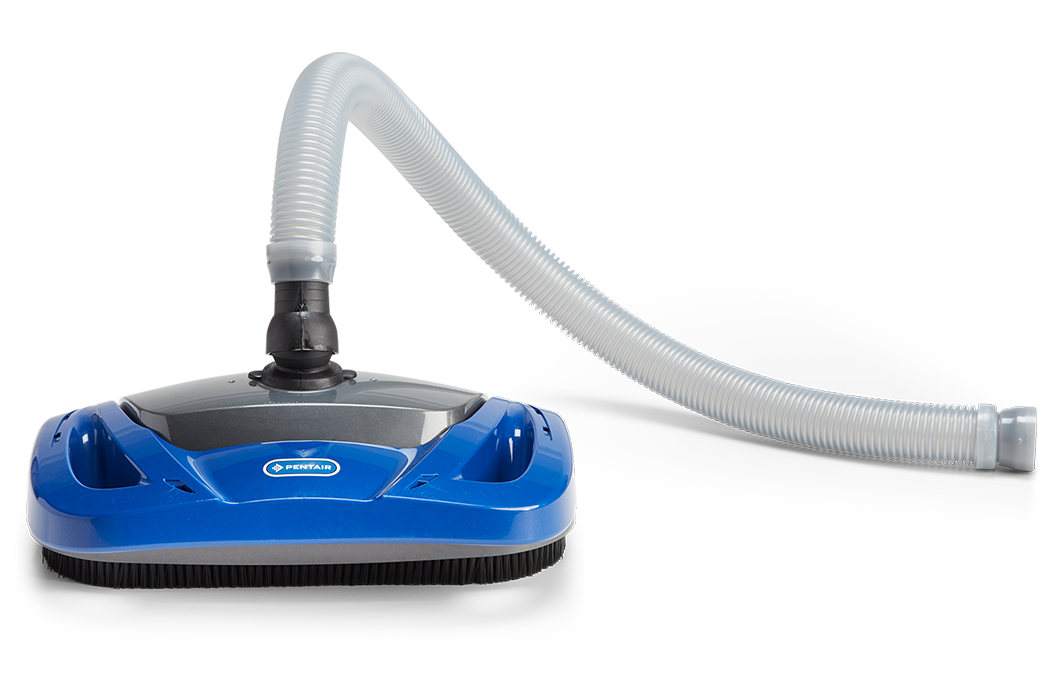
Credit: www.pentair.com
Common Questions About Automatic Pool Cleaners
Frequently Asked Questions
What Is The Best Automatic Pool Cleaner For A Large Inground Pool?
For pools over 20,000 gallons, robotic cleaners are usually best. They have stronger motors, larger filter capacity, and advanced navigation to cover wide areas. Popular choices include Dolphin and Hayward models.
How Often Should I Run My Automatic Pool Cleaner?
Most owners run their cleaner 2–3 times per week. If your pool collects lots of debris, daily cleaning may be better. Some robotic models allow you to set schedules for automatic operation.
Can Automatic Pool Cleaners Handle Leaves And Large Debris?
Pressure-side and robotic cleaners are designed for large debris like leaves, twigs, and acorns. Suction-side cleaners work best with sand and small dirt.
Will An Automatic Pool Cleaner Damage My Pool Surface?
Quality cleaners are safe for all common pool surfaces (tile, vinyl, concrete). Always check the manufacturer’s instructions. Avoid using rough brushes on delicate surfaces.
How Do I Know If My Cleaner Is Working Correctly?
If your pool stays clear and you see less debris, your cleaner is working. Watch for missed spots, slow movement, or clogged filters. Clean or replace parts as needed for best performance.
Automatic pool cleaners for inground pools make life easier, offering smarter cleaning and better water quality. Choosing the right model depends on your pool size, debris, and budget—but investing in the right cleaner pays off with more free time and a healthier pool. If you want more in-depth reviews and technical specs, visit the Pool Research website for expert information. With the right automatic pool cleaner, your pool stays ready for swimming all season long.