Keeping your fish tank clean is not just about looks—it’s about the health of your fish and the balance of your aquarium. One of the most practical tools for this job is the fish tank siphon with a hand pump. If you’ve ever tried to change aquarium water by scooping it out, you know it’s messy and stressful for both you and your fish. A siphon makes the process faster, cleaner, and safer. But many beginners struggle with how to use it correctly, leading to wasted time and dirty tanks. This guide will take you step by step through using a hand pump siphon, explain why it works so well, and share tips to get the most out of every cleaning session.
What Is A Fish Tank Siphon With Hand Pump?
A fish tank siphon with a hand pump is a simple device designed to remove water and debris from your aquarium. It usually consists of:
- A long flexible tube
- A rigid intake tube (sometimes with a gravel vacuum attachment)
- A hand-operated pump, usually a bulb or squeeze mechanism
The hand pump helps you start the siphon easily, without needing to suck on the tube or rely on gravity alone. This makes water changes much simpler, especially for beginners.
How It Works
The siphon uses the principle of gravity and pressure difference. When you squeeze the hand pump, water begins to flow from the tank through the tube and out into a bucket or drain. This flow pulls waste, leftover food, and fish waste from the bottom of your tank, helping keep the water clean and clear.
Why Regular Water Changes Matter
Many new aquarium owners underestimate the importance of regular water changes. Even with a good filter, waste builds up over time, leading to high ammonia and nitrate levels. These can stress or even kill your fish.
A well-maintained schedule of water changes with a siphon can:
- Lower toxic chemical buildup (ammonia, nitrites, nitrates)
- Remove uneaten food and fish waste
- Prevent algae growth
- Improve oxygen levels in the water
In fact, studies show that tanks with weekly 25% water changes have up to 40% lower nitrate levels than tanks cleaned less often.
Choosing The Right Siphon For Your Aquarium
Not all siphons are created equal. The right one depends on your tank’s size, your fish, and your own comfort.
| Feature | Small Tanks (<20 gal) | Medium Tanks (20-50 gal) | Large Tanks (>50 gal) |
|---|---|---|---|
| Tube Diameter | 0.5-0.75 in | 0.75-1 in | 1-1.5 in |
| Tube Length | 4-6 ft | 6-8 ft | 8-12 ft |
| Hand Pump Type | Small bulb | Medium bulb | Large bulb or lever |
For example, a small bulb hand pump is enough for a 10-gallon betta tank, but for a 75-gallon cichlid tank, you’ll want a larger tube and a bigger pump to save time.
Pro tip: Choose a siphon with a gravel guard if you have very small fish or fry. This prevents them from being accidentally sucked into the tube.
Step-by-step Guide: Using A Fish Tank Siphon With Hand Pump
1. Gather Supplies
Before you begin, make sure you have:
- The siphon with hand pump
- A clean bucket (used only for aquarium water)
- Towels or rags for spills
- Dechlorinated replacement water (at the right temperature)
2. Prepare The Siphon
Uncoil the tube and check for cracks or blockages. Connect the intake tube to the hand pump if it’s not already attached. Place the bucket lower than the aquarium—gravity helps the water flow out.
3. Start The Siphon
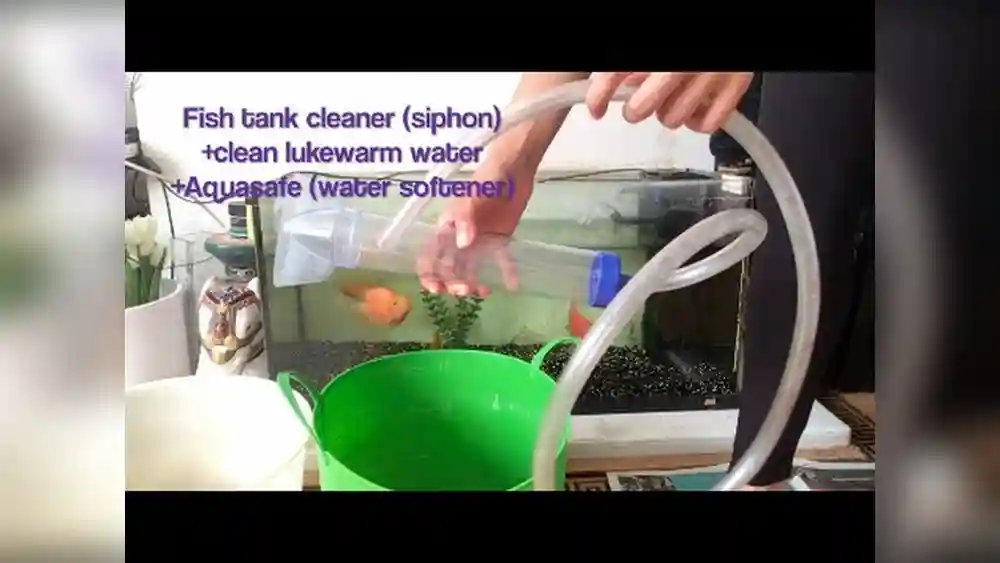
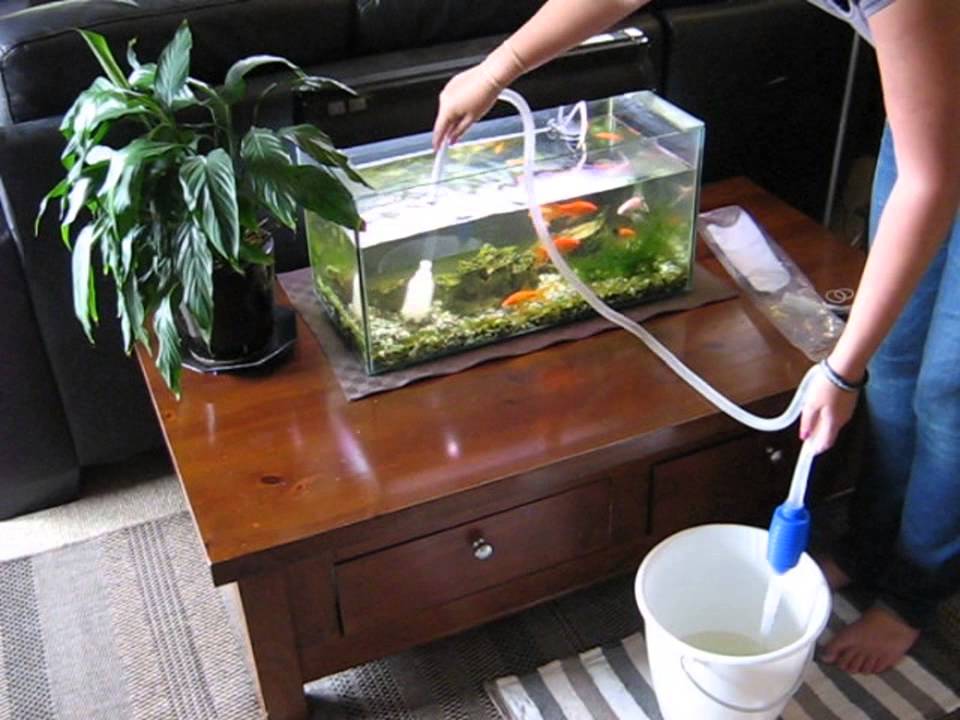
Submerge the intake end (the rigid tube) into the tank, making sure it fills with water. Hold the other end in your bucket. Squeeze the hand pump several times until you see water flowing steadily into the bucket. Stop pumping once the siphon has started.
Non-obvious insight: If you have trouble starting the siphon, make sure there are no air bubbles trapped in the pump or tube. Lifting the intake tube slightly and letting it fill completely before pumping often solves the problem.
4. Clean The Gravel
Slowly push the intake tube into the gravel. You’ll see debris and waste being sucked up. Move the tube gently so you don’t disturb your fish or uproot plants. If the water in the tube runs clear, move to a new spot.
Tip: Don’t try to clean all the gravel at once. Focus on half the tank each week to avoid stressing the bacteria that keep your tank healthy.
5. Remove The Right Amount Of Water
Most aquarists change 20-30% of the tank water each week. Keep an eye on the bucket’s fill level or mark your tank to know when you’ve removed enough. Stopping at the right point prevents sudden changes in water chemistry, which can shock your fish.
6. Stop The Siphon
Once you’ve removed enough water, lift the intake tube out of the tank or raise the bucket above the waterline. This will break the flow and stop the siphoning.
7. Refill The Tank
Add dechlorinated water that matches the tank’s temperature. Pour it in slowly to avoid disturbing your fish or plants.
8. Clean Up
Rinse your siphon and bucket with warm water (no soap) and let them dry before storing. This prevents bacteria or mold from growing inside the tube.
Common Mistakes And How To Avoid Them
Even experienced fishkeepers make errors with siphons. Here are some common problems—and how to fix them.
Not Priming The Siphon Properly
If you don’t fill the siphon with water before pumping, you’ll get air bubbles and poor flow. Always make sure the tube is fully submerged and filled.
Removing Too Much Water
Taking out more than 50% of the water at once can shock your fish and kill helpful bacteria. Stick to 20-30% per change, unless you have a specific reason for a bigger change (like after a disease outbreak).
Sucking Up Fish Or Plants
Small fish can get caught in the siphon. Use a gravel guard, and work slowly. For planted tanks, avoid digging too deep near roots.
Using Soap To Clean Equipment
Soap residues are deadly to fish. Rinse equipment with warm water only.
Not Matching Water Temperature
Adding cold or hot water can stress or even kill your fish. Always check temperature before refilling.
How Often Should You Use A Siphon?
The frequency depends on your tank’s size, stocking, and filtration. For most tanks:
- Weekly: For community tanks with moderate fish
- Every 2 weeks: For lightly stocked or heavily planted tanks
- Twice a week: For overstocked tanks or tanks with messy fish (like goldfish)
Non-obvious insight: If you notice cloudy water or a strong odor between changes, it’s a sign you need to siphon more often or check your filter.

Credit: www.amazon.com
Troubleshooting Siphon Problems
Sometimes, things don’t go as planned. Here’s how to fix common issues.
| Problem | Possible Cause | Solution |
|---|---|---|
| No water flow | Air trapped in tube or pump | Submerge and fill tube completely before pumping |
| Pump leaks | Cracked bulb or loose connection | Replace bulb or tighten connections |
| Gravel gets stuck | Tube too narrow or suction too strong | Use a gravel guard or reduce suction by pinching the tube |
| Cloudy water after siphoning | Disturbed substrate or filter not running | Let filter run for 1-2 hours after cleaning |
Advanced Tips For Efficient Siphoning
- Prime the siphon underwater: Fill the tube by submerging it fully, then quickly insert the hand pump end into the bucket to reduce air pockets.
- Use a strainer: Attach a mesh bag or stocking to the end of the tube to prevent sucking up baby fish or shrimp.
- Angle the intake tube: Tilting the tube slightly helps collect debris trapped in the gravel.
- Mark your bucket: Draw a line for your usual water change amount for easy reference.
- Clean during feeding time: Some fish are less stressed when distracted by food.
Credit: www.youtube.com
Comparing Siphon With Hand Pump To Other Cleaning Methods
Is a hand pump siphon really better than other methods? Here’s a quick comparison.
| Method | Ease of Use | Effectiveness | Fish Safety |
|---|---|---|---|
| Siphon with hand pump | Very easy | High | Safe (with guard) |
| Manual scooping | Difficult | Low | Risk of injury |
| Electric gravel vacuum | Easy | Very high | Safe, but more expensive |
| Old-fashioned siphon (no pump) | Moderate | Medium | Risk of mouth contact |
For most aquarium owners, the hand pump siphon is the best balance of ease, safety, and cost.
Frequently Asked Questions
How Often Should I Use A Fish Tank Siphon With Hand Pump?
For most tanks, siphon once a week to remove 20-30% of the water. Adjust frequency based on fish load and water clarity.
Can I Use The Siphon For Saltwater And Freshwater Tanks?
Yes, a hand pump siphon works for both saltwater and freshwater aquariums. Just make sure to clean it well between uses to avoid cross-contamination.
Why Does My Siphon Stop Working Mid-clean?
This usually happens if the bucket gets too high, the tube kinks, or there’s an air bubble in the tube. Keep the bucket below tank level and check for blockages.
Is It Safe For Small Fish And Shrimp?
Yes, but use a siphon with a gravel guard or mesh cover to protect tiny animals from being sucked up.
Where Can I Find More Information On Aquarium Maintenance?
You can find detailed care guides at the Wikipedia Aquarium page and from aquarium hobby websites.
Caring for your aquarium doesn’t have to be stressful or time-consuming. Using a fish tank siphon with hand pump makes water changes and gravel cleaning simple, safe, and efficient. With the right technique and regular schedule, your tank will stay clear, your fish will stay healthy, and you’ll spend more time enjoying your underwater world.

Credit: us.biorb.com