When you spill juice on the carpet or need to clean sawdust in your garage, you might wish for a tool that does both jobs. That's where a wet dry vacuum cleaner comes in. These machines are not like your normal home vacuums. They handle everything from water puddles to fine dust. But how do they actually work? Why are they so effective for different messes? If you’ve ever wondered about the inner workings of a wet dry vacuum, you’re in the right place. This guide will explain the parts, process, and smart uses, making it easy for anyone—even if you’re new to home cleaning tools.
What Is A Wet Dry Vacuum Cleaner?
A wet dry vacuum cleaner is a powerful cleaning tool designed to handle both liquid spills and dry debris. Unlike standard vacuums that only pick up dust and dirt, wet dry vacuums can safely suck up water, mud, and even small pieces of construction waste. They are used in homes, workshops, garages, and construction sites. People choose them when they want a single machine for many cleaning jobs.
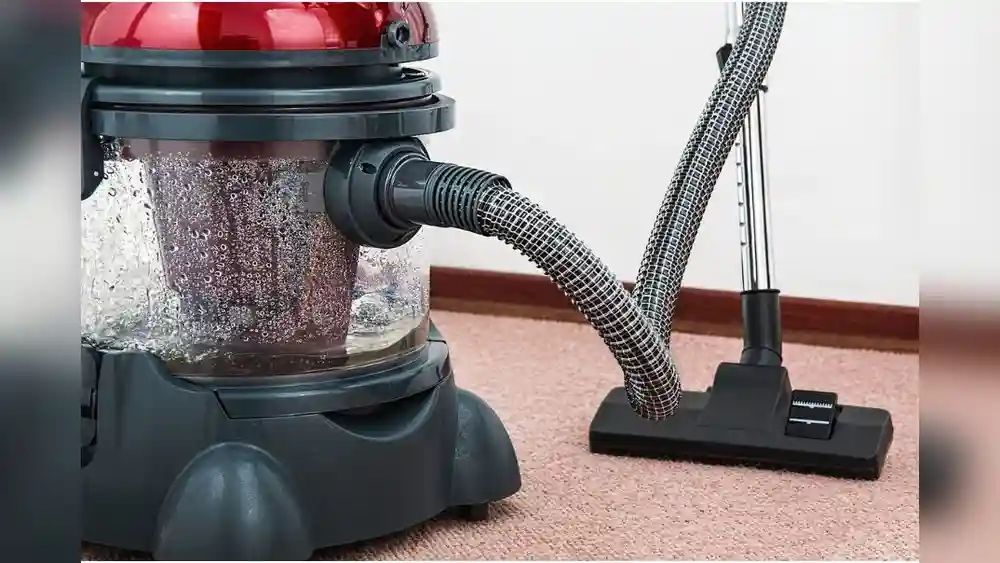
The main difference comes from their design. They have special filters, tanks, and safety features to handle liquids without damaging the motor or causing electrical problems. Wet dry vacuums also tend to be more robust and have larger storage tanks compared to regular vacuums.
Core Components And Their Functions
To understand how a wet dry vacuum works, it helps to know its key parts. Each part plays a role in making the vacuum strong, safe, and versatile.
Main Parts
1. Motor Unit
The motor creates the suction. Most wet dry vacuums use a powerful electric motor, usually between 1. 5 and 6. 5 peak horsepower (HP). The stronger the motor, the more debris and liquid it can pull up.
2. Collection Tank
This is where all the collected material goes. The tank is made of durable plastic or stainless steel to hold both dry debris and liquids. Tank sizes usually range from 2 to 16 gallons.
3. Filter System
Wet dry vacuums use different filters for wet and dry cleaning. A foam filter or cartridge is used for liquids, while a HEPA or fabric filter is for dry dust. Switching filters is important to protect the motor.
4. Float Valve
This safety device stops the vacuum when the tank is full of liquid. It prevents water from reaching the motor, which could cause damage.
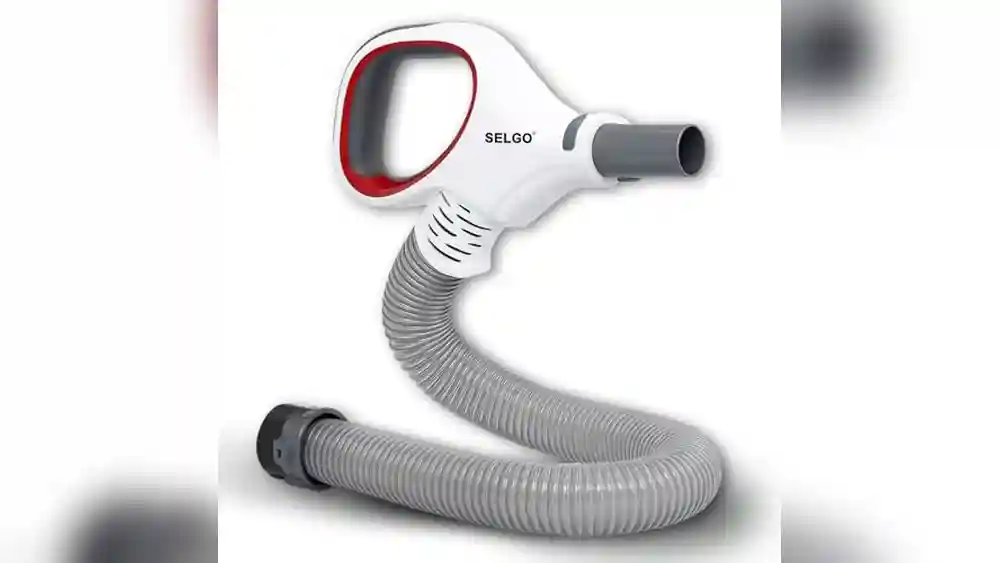
5. Hose And Attachments
A flexible hose connects the vacuum to different attachments, like floor nozzles or crevice tools. These let you clean carpets, corners, and even cars.
6. Drain Port
Many wet dry vacuums have a drain port at the bottom of the tank. This lets you empty out liquids without lifting the heavy tank.
7. Blower Port
Some models can reverse airflow to blow air out instead of sucking in. This is useful for clearing leaves or dirt from hard-to-reach places.
How The Parts Work Together
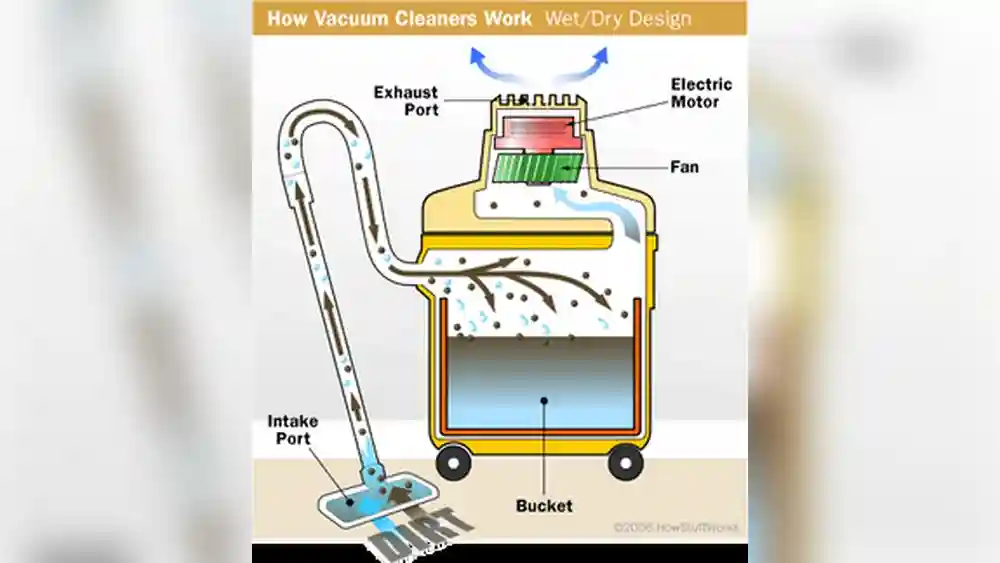
When you turn on the vacuum, the motor creates suction. Air and debris get pulled through the hose into the collection tank. As the air passes through, debris gets trapped by filters, and liquids gather in the tank. If the liquid level gets too high, the float valve rises and blocks the airflow, shutting off suction to protect the motor.
How Does Suction Actually Work?
The science behind a wet dry vacuum is not complicated, but it’s smart. The motor spins a fan at high speed, creating a low-pressure area inside the vacuum tank. Because air naturally moves from high to low pressure, outside air rushes in through the hose. This moving air carries debris or liquid with it.
If you are vacuuming dry material, the air passes through a dust filter before exiting. For wet messes, a foam filter or no filter is used. The design keeps the motor safe from water and dust.
Step-by-step: How A Wet Dry Vacuum Cleans
Here’s what happens every time you use a wet dry vacuum:
1. Choose The Right Filter
For dry messes, use a dust or HEPA filter. For wet messes, switch to a foam sleeve or remove the filter, depending on instructions.
2. Attach The Hose And Tool
Pick the right tool for the job—carpet nozzle, crevice tool, or wide floor head.
3. Plug In And Turn On
The motor starts spinning, creating suction.
4. Suction Pulls In Debris Or Liquid
Air, dust, and liquid move through the hose into the tank. Solids are trapped by the filter (if used), and liquids collect at the bottom.
5. Float Valve Activates (for Wet Use)
If the tank fills with liquid, the float rises and blocks airflow, stopping suction. This prevents water from reaching the motor.
6. Empty The Tank
For dry debris, just open the tank and dump it out. For liquids, use the drain port or tip the tank to pour it out.
7. Clean And Maintain
Rinse the tank and filters after each use to keep the vacuum working well.

Credit: www.youtube.com
Wet Vs. Dry Cleaning: What Changes?
Wet dry vacuums are made to switch between tasks. But you need to change a few things for safe and effective cleaning.
For Dry Cleaning
- Use a dry filter (usually pleated paper or HEPA).
- Clean up dust, dirt, sand, and small debris.
- Most dry filters block tiny particles and allergens.
For Wet Cleaning
- Use a foam filter or no filter, as recommended.
- Remove the dry filter to prevent clogging or damage.
- Clean up spills, water, mud, or wet waste.
- Watch the liquid level to avoid overfilling.
Switching filters is critical. Using the wrong filter can block airflow or damage the machine. Always check the manual before switching modes.
Safety Features And Protections
Wet dry vacuums have built-in safety features to protect both the user and the machine.
- Float Valve: Stops the vacuum when the tank is full of liquid.
- Double Insulation: Many models have extra electrical insulation to prevent shocks.
- Thermal Cutoff: Some motors have a sensor that shuts off power if they get too hot.
- GFCI Plugs: Some wet dry vacuums come with Ground Fault Circuit Interrupter plugs for extra protection when working with water.
These features make wet dry vacuums safe to use in homes, garages, and even outdoors.
Credit: www.gadgetreview.com
Common Uses And Practical Applications
People buy wet dry vacuums for their versatility. Here’s where they shine:
- Home Cleaning
- Quickly remove spills from carpets or floors.
- Clean up after pets, including wet food or hairballs.
- Suck up broken glass and liquid together (be careful with sharp objects).
- Garage and Workshop
- Pick up sawdust, nails, and wood chips.
- Remove water from flooded floors.
- Clean car interiors, including wet mats or spilled drinks.
- Construction Sites
- Collect drywall dust, cement, and wet waste.
- Handle both fine dust and bigger debris.
- Clear water from new builds or renovations.
- Outdoor Work
- Blow leaves from driveways or patios (using blower port).
- Remove rainwater from patios or pools.
- Emergency Cleanup
- Deal with basement leaks or burst pipes.
- Remove water after storms or floods.
Many people don’t realize that wet dry vacuums can also unclog sinks or drains by using the suction in reverse. This is a non-obvious but handy use.
Types Of Wet Dry Vacuums
Not all wet dry vacuums are the same. Choosing the right one depends on your needs.
| Type | Main Use | Tank Size | Portability |
|---|---|---|---|
| Mini / Handheld | Cars, quick spills | 2-4 gallons | Very portable |
| Medium | Home, garage | 5-9 gallons | Easy to move |
| Large / Shop | Workshops, construction | 10-16+ gallons | Heavy, wheels needed |
The bigger the tank, the less often you need to empty it. But large models are heavier and harder to store.
Key Performance Factors
When looking at how well a wet dry vacuum works, a few technical details matter most:
- Suction Power (Air Watts or CFM): Higher airflow means better pickup for both wet and dry.
- Tank Capacity: Larger tanks are better for big jobs but take more space.
- Filtration: Good filters protect the motor and keep dust out of the air.
- Hose Diameter: Wider hoses are better for big debris, but can lose suction for fine dust.
- Cord Length: Longer cords let you reach farther without switching plugs.
Here’s a quick comparison of two sample models:
| Feature | Model A (Medium) | Model B (Large) |
|---|---|---|
| Suction Power | 180 Air Watts | 250 Air Watts |
| Tank Size | 8 gallons | 16 gallons |
| Weight | 12 lbs | 24 lbs |
| Hose Diameter | 1.25 inch | 2.5 inch |
Notice that more power and bigger tanks usually mean more weight and less portability.
Real-world Example: Cleaning A Flooded Basement
Suppose your basement floods after heavy rain. Here’s how a wet dry vacuum can help:
- Preparation: Remove the dry filter and install a foam sleeve.
- Start Vacuuming: Begin at the deepest point. Use the floor nozzle for wide coverage.
- Monitor Liquid Level: Stop when the float valve activates or before the tank is full.
- Empty the Tank: Use the drain port or tip out the water.
- Repeat: Continue until the area is dry.
This process can remove water much faster than mops or towels. Afterward, rinse the tank and let all parts dry before storing.
Hidden Features And Non-obvious Insights
Many first-time users miss out on some smart tricks:
- Blower Function: If your wet dry vacuum has a blower port, you can clear leaves, dry wet tools, or even inflate air mattresses.
- Accessory Storage: Most models have slots or holders for storing attachments right on the vacuum, so you don’t lose them.
- Vacuum Bags: Some models let you add disposable bags for dry use. This makes cleanup easier and keeps filters cleaner.
- Filter Cleaning: Tapping the filter gently over a trash bin can extend its life. Don’t use water on paper filters.
- Noise Control: Placing a foam sleeve over the exhaust can reduce noise, which is useful in homes.
Maintenance Tips For Long Life
Wet dry vacuums are tough, but they need care to keep working well:
- Clean Filters After Every Use: Dirty filters lower suction and can harm the motor.
- Empty the Tank Promptly: Don’t leave water or wet debris inside, or it may smell or cause mold.
- Check the Hose for Clogs: A blocked hose reduces suction. Run water or a broomstick through if needed.
- Inspect Seals and Valves: Worn seals can lead to leaks or weak suction.
- Store Dry: Always let the tank and filters dry completely to avoid rust and bacteria.
Many users forget to check the float valve for stuck debris. If the float gets stuck, it may not protect the motor during wet use.
Credit: www.bissellcommercial.com
Advantages And Limitations
Wet dry vacuums are powerful, but they aren’t perfect for every job.
Advantages
- Versatile: Handles both wet and dry messes with ease.
- Strong Suction: Picks up heavy debris that normal vacuums can’t handle.
- Durable: Built for tough jobs and long life.
- Safety: Designed to prevent electrical hazards with water.
Limitations
- Size and Weight: Large models are heavy and take up space.
- Noise: More powerful motors are louder than regular vacuums.
- Filter Changes: You must switch filters between wet and dry use.
- Not for Fine Carpet Cleaning: They lack brush rollers for deep carpet cleaning.
Understanding these limits helps you decide when to use your wet dry vacuum and when a standard vacuum or mop is better.
Wet Dry Vacuum Vs. Regular Vacuum
Some people wonder if they need both a wet dry and a regular vacuum. Here’s a simple comparison:
| Feature | Wet Dry Vacuum | Regular Vacuum |
|---|---|---|
| Wet Cleanup | Yes | No |
| Dry Debris | Yes | Yes |
| Carpet Cleaning | Basic | Deep (with beater bar) |
| Garage/Workshop Use | Excellent | Poor |
| Size | Larger | Smaller |
| Noise | Louder | Quieter |
Most households that do heavy-duty cleaning or have workshops choose to own both.
Choosing The Right Wet Dry Vacuum
If you are ready to buy a wet dry vacuum, consider these factors:
- Tank Size: Choose a larger tank for big jobs, or a small one for portability.
- Motor Power: Higher HP means stronger suction, but more noise and energy use.
- Filtration: Look for HEPA filters if you have allergies.
- Attachments: More tools make the vacuum more versatile.
- Drain Port: Makes liquid emptying easier.
- Blower Feature: Handy for outdoor cleaning.
Avoid buying the biggest model if you have limited storage. Many people buy more power than they need and end up with a machine that is hard to move or store.
Environmental Impact
Wet dry vacuums use electricity and create waste from filters and bags. Here are some ways to reduce their environmental impact:
- Use Reusable Filters: Clean and reuse instead of throwing away.
- Empty Often: Don’t leave liquids or waste in the tank, which can cause odors and bacteria.
- Use Only When Needed: Don’t run the vacuum longer than necessary.
Some manufacturers are making quieter and more energy-efficient models. For more details about energy use and design, you can read the Vacuum Cleaner Wikipedia page.
Frequently Asked Questions
How Do I Know When To Change The Filter In My Wet Dry Vacuum?
Change or clean the filter whenever you notice a drop in suction or after cleaning very fine dust. For wet cleaning, always switch to a foam filter or remove the dry filter, following the user manual.
Can I Use A Wet Dry Vacuum For Regular Household Carpet Cleaning?
Wet dry vacuums are good for picking up spills and surface debris on carpets, but they don’t deep clean like upright vacuum cleaners with rotating brushes. For regular carpet cleaning, a standard vacuum is better.
Is It Safe To Vacuum Up Large Amounts Of Water?
Yes, but only up to the tank’s capacity. Always monitor the float valve. When suction stops, empty the tank before continuing. Never let water reach the motor.
What Maintenance Is Required For Wet Dry Vacuums?
Regularly clean or replace filters, empty the tank after use, check hoses for blockages, and inspect seals for leaks. Let all parts dry before storage to prevent mold.
Can A Wet Dry Vacuum Pick Up Ashes From A Fireplace?
It can pick up cold ashes, but never vacuum hot or warm ashes as they may damage the filter or start a fire. Use a special ash filter if available, and always ensure ashes are completely cool.
Wet dry vacuum cleaners are practical tools for homes, workshops, and emergencies. Knowing how they work and how to care for them will help you get the most value and avoid common mistakes. Whether you’re cleaning up after a spill or tackling tough workshop messes, these machines can handle almost anything you throw at them.