Vacuum cleaners make home cleaning easier, but many people struggle to understand what “suction power” really means. Is higher suction always better? Does the number on the box tell you the whole story? Knowing good suction power for a vacuum cleaner helps you choose wisely and avoid mistakes. If you want cleaner floors, fewer allergens, and less effort, this guide will show you what matters most.
What Is Suction Power?
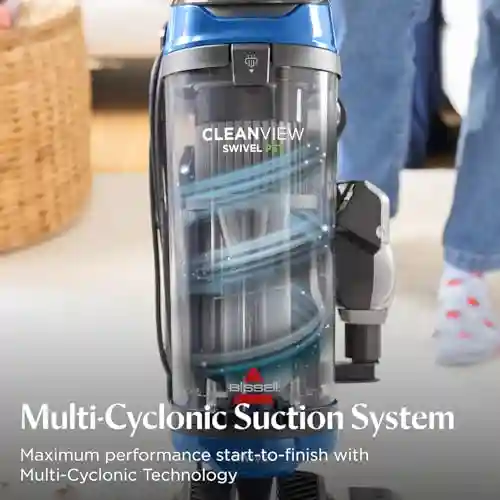
Suction power is the force a vacuum cleaner uses to pull in dust, dirt, and debris. It comes from the motor, which creates air pressure inside the machine. When the pressure drops, air rushes in through the nozzle, bringing dirt along with it.
Vacuum makers use different units to describe suction:
- Air Watts (AW): Measures how efficiently the vacuum converts electrical power into suction. Higher AW means better cleaning.
- Pascal (Pa): Measures pressure. More Pa means stronger suction.
- Watts (W): Shows motor power, but not always suction strength.
- CFM (Cubic Feet per Minute): Shows airflow. More airflow helps move dirt, but is not the same as suction.
Many buyers only look at Watts or CFM, but Air Watts and Pascals are more reliable for comparing real suction.
How Much Suction Power Do You Need?
The right suction power depends on your floors, home size, and cleaning needs. Here’s a simple breakdown:
| Floor Type | Recommended Air Watts | Recommended Pascals |
|---|---|---|
| Hardwood / Tile | 100-150 AW | 10,000-15,000 Pa |
| Low-Pile Carpet | 150-200 AW | 15,000-18,000 Pa |
| High-Pile Carpet | 200+ AW | 18,000+ Pa |
If you have pets, kids, or lots of carpets, aim for higher numbers. For bare floors, you don’t need extreme suction.
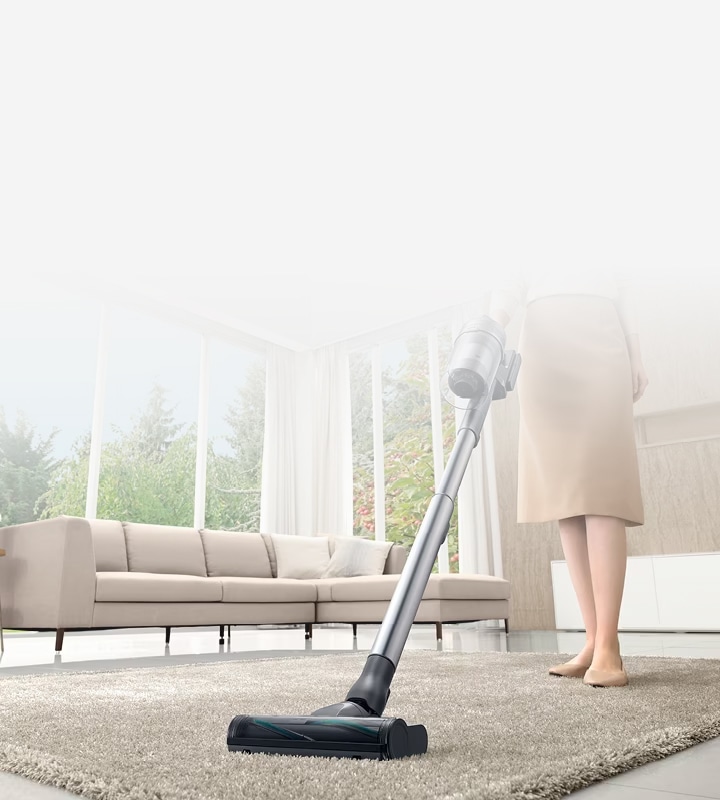
Credit: www.samsung.com
Common Mistakes When Choosing Suction Power
Many buyers get confused by marketing or focus only on numbers. Here are mistakes to avoid:
- Ignoring Airflow: Suction power is important, but airflow helps move dirt into the dustbin. A vacuum with high suction but low airflow may not clean well.
- Confusing Motor Wattage with Suction: A bigger motor doesn’t always mean better suction. Look for Air Watts or Pascals instead.
- Overestimating Needs: Some people buy the most powerful vacuum, but it can damage delicate rugs or make cleaning harder.
- Underestimating Needs: Others buy weak models to save money, but can’t remove pet hair or deep dirt.
Comparing Suction Power Across Vacuum Types
Different types of vacuums have different suction ranges. Here’s how they compare:
| Vacuum Type | Typical Air Watts | Typical Pascals | Best For |
|---|---|---|---|
| Stick Vacuums | 50-120 AW | 8,000-15,000 Pa | Quick cleanups, hard floors |
| Robot Vacuums | 40-80 AW | 1,000-2,500 Pa | Maintenance cleaning, daily dust |
| Upright Vacuums | 150-250 AW | 15,000-20,000 Pa | Deep cleaning, carpets |
| Canister Vacuums | 120-220 AW | 14,000-19,000 Pa | Mixed floors, stairs |
For example, robot vacuums may seem weak, but their low suction works fine for daily dust on hard floors. Upright and canister models suit bigger homes with carpets.

Credit: newbenytool.com
What Else Affects Cleaning Performance?
Suction is just one part of vacuum cleaning. Other factors matter too:
- Filtration: Good filters (like HEPA) trap small particles and allergens.
- Brush Roll: Powerful brush rolls help pull hair and dirt from carpet.
- Design: A well-sealed vacuum keeps suction strong. Air leaks reduce cleaning power.
- Attachments: Tools like crevice nozzles and pet brushes improve cleaning.
Sometimes, a vacuum with moderate suction but great design cleans better than a high-suction model with poor airflow.
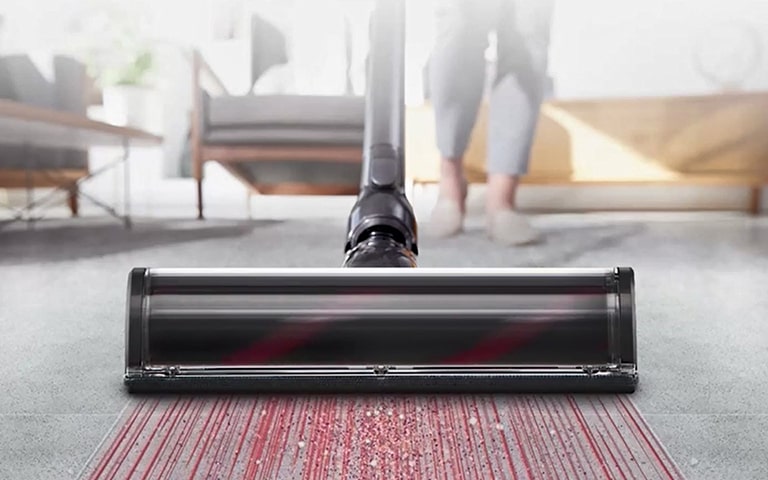
How To Test Suction Power At Home
You can check your vacuum’s suction using simple methods:
- Hold your hand over the nozzle. Strong suction feels like a tight grip.
- Try picking up heavy debris (rice, sand, or coins). If the vacuum struggles, suction may be too low.
- Listen for changes in motor sound. A sudden drop means a clog or filter problem.
If your vacuum loses suction, clean the filter and check for blockages. Even powerful vacuums need regular maintenance.
Credit: www.lg.com
Suction Power And Energy Efficiency
A common insight: more suction power means higher energy use. Some vacuums waste energy or get hot, leading to faster wear. Look for models with efficient motors and adjustable suction settings. This saves money and keeps your vacuum running longer.
Real-world Examples
A Dyson V11 cordless stick vacuum offers up to 185 AW, making it strong for carpets. The Roomba S9 robot vacuum has about 2,200 Pa, great for daily floor dust but not deep carpets.
Most commercial vacuums used in hotels have 200+ AW, because they clean heavy dirt daily. But for apartments with hard floors, 100 AW is usually enough.
Practical Tips For Choosing Good Suction Power
- Check Air Watts or Pascals: These are better than motor wattage.
- Match Suction to Your Floor Type: Don’t overbuy for hard floors.
- Test Before Buying: If possible, see how the vacuum performs on real dirt.
- Look for Adjustable Suction: This lets you lower power for delicate areas.
- Read Reviews: User feedback shows how vacuums work in real homes.
For more details on vacuum suction and performance, visit Wikipedia.
Frequently Asked Questions
What Is A Good Suction Power For Pet Hair?
A vacuum with 150 AW or above works well for pet hair, especially on carpets. For hard floors, 100 AW is enough if you use a brush roll.
Does More Suction Power Mean Better Cleaning?
Not always. Good suction helps, but airflow, brush roll, and filtration matter too. Balance all features for best results.
Can High Suction Damage Carpets?
Yes, very strong suction can pull fibers from delicate carpets or rugs. Look for adjustable power if you have sensitive flooring.
How Do Robot Vacuums Compare In Suction?
Robot vacuums usually have lower suction (1,000-2,500 Pa), but are fine for daily dust and light debris. They don’t match upright vacuums for deep cleaning.
How Often Should I Check Or Clean Vacuum Filters?
Clean filters once a month or as the manual suggests. Dirty filters reduce suction and make the vacuum work harder.
Good suction power means understanding your home’s needs, not just picking the highest number. Look for Air Watts or Pascals, match to your floor, and remember that design and filtration matter. With these tips, you’ll find a vacuum that keeps your home clean and healthy for years.