A Roomba is a type of robot vacuum cleaner that has changed how people clean their homes. If you see one in action, it may look simple—just a round device moving across the floor. But a Roomba uses clever technology to clean efficiently, avoid obstacles, and make life easier.
Whether you are thinking about buying one or just want to know how it works, this article will explain everything you need to understand about the Roomba vacuum cleaner.
The Basic Idea Behind Roomba
Roomba was first launched by iRobot in 2002. Since then, millions of homes around the world have used these robot vacuums. The main goal is to automate cleaning, so you don’t have to spend your own time pushing a vacuum. The Roomba uses smart sensors, a motor, and a battery to clean floors on its own. You just press a button, and it starts working.
Today, Roombas come in different models, with features like Wi-Fi, smart mapping, and even automatic dirt disposal. Despite these upgrades, the basic working principle remains the same: Roomba moves around your home, senses dirt and obstacles, and vacuums as it goes.
Core Components Of A Roomba
Understanding the main parts of a Roomba helps you see how it works so well. Here are the key components:
- Brushes and Rollers: Roomba uses spinning brushes and rollers to pull dirt, dust, and hair from the floor into the vacuum path.
- Vacuum Motor: This part creates suction to pick up debris and send it into the dustbin.
- Dustbin: The collected dirt is stored here until you empty it.
- Sensors: Roombas have many sensors for navigation, avoiding obstacles, and detecting dirt.
- Battery: A rechargeable battery powers the Roomba.
- Wheels: These let Roomba move and turn in all directions.
- Processor: The ‘brain’ of Roomba, which controls decisions and navigation.
These components work together to let Roomba clean autonomously and adapt to different rooms and surfaces.
How Roomba Navigates Your Home
One of the most impressive features of Roomba is its ability to find its way around. Early models used random movement: they bumped into walls and furniture, changed direction, and gradually cleaned the whole area. Modern Roombas use smart navigation—some even build a map of your home.
Sensor Technology
Roomba uses different sensors for navigation:
- Infrared sensors: Detect walls and obstacles so Roomba can avoid them or slow down.
- Cliff sensors: Prevent Roomba from falling down stairs or drop-offs.
- Bump sensors: Tell Roomba when it has touched something, so it can turn and continue.
- Dirt detection sensors: Some models sense dirtier spots and spend more time cleaning them.
Mapping And Memory
Advanced Roombas use visual mapping or LiDAR (light detection and ranging) to create a map of your home. This lets them clean more efficiently, avoid missing spots, and remember where they have been. They can even return to their base to recharge and continue cleaning if the battery runs low.
Here’s a comparison of basic navigation and smart mapping models:
| Feature | Basic Model | Advanced Model |
|---|---|---|
| Navigation | Random | Smart Mapping |
| Obstacle Avoidance | Basic Sensors | Advanced Sensors |
| Memory | No | Yes |
| Efficiency | Moderate | High |
Roomba’s Cleaning Process Explained
So, how does Roomba actually clean? The process is simple but effective:
- Start Cleaning: You press a button or schedule cleaning via the app. Roomba leaves its dock and begins to move.
- Detects Surface Type: Roomba can sense if it is on carpet, tile, or hardwood. It adjusts its cleaning method.
- Brush Action: The side brush spins and sweeps debris toward the main brushes. The main brushes then pick up dirt and hair.
- Vacuum Suction: The motor creates suction to pull debris into the dustbin.
- Dirt Detection: If Roomba senses more dirt, it will spend extra time on that spot.
- Obstacle Avoidance: Roomba slows down and changes direction to avoid furniture, pets, or toys.
- Returns to Dock: When the battery is low or cleaning is done, Roomba returns to its charging dock.
Cleaning Modes
Most Roomba models offer different cleaning modes:
- Auto Mode: Standard cleaning across all areas.
- Spot Mode: Focuses on a small area with extra passes.
- Edge Mode: Cleans along walls and edges.
Some models let you set cleaning schedules or select rooms to clean using a smartphone app.
Roomba’s Smart Features
Modern Roombas are smarter than ever. Here are some features that make them stand out:
- Wi-Fi Connectivity: Connects Roomba to your phone for remote control and scheduling.
- Voice Control: Compatible with Alexa or Google Assistant for easy commands.
- Automatic Dirt Disposal: Certain models empty their dustbin into a larger container at the dock.
- Custom Cleaning: You can set ‘no-go’ zones or choose specific rooms to clean.
Here’s a quick comparison of features across different Roomba series:
| Series | Wi-Fi | Smart Mapping | Auto Dirt Disposal | Voice Control |
|---|---|---|---|---|
| 600 Series | Yes | No | No | Limited |
| i Series | Yes | Yes | Yes | Yes |
| j Series | Yes | Yes | Yes | Yes |
How Roomba Handles Different Floor Types
Roomba is made to clean multiple surfaces. Here’s how it adapts:
- Carpet: Roomba increases suction and uses rollers to lift dirt and hair.
- Tile and Hardwood: The brushes sweep debris and the vacuum picks it up. Roomba’s wheels prevent scratching.
- Thick Rugs: Some models may struggle with very thick rugs. Advanced Roombas can sense the height and adjust power.
- Pet Hair: Roomba is popular among pet owners because its brushes are good at picking up pet hair from all surfaces.
One common mistake is expecting Roomba to replace deep cleaning. It is best at daily maintenance and keeping floors tidy, but for deep cleaning, you may still need a traditional vacuum sometimes.
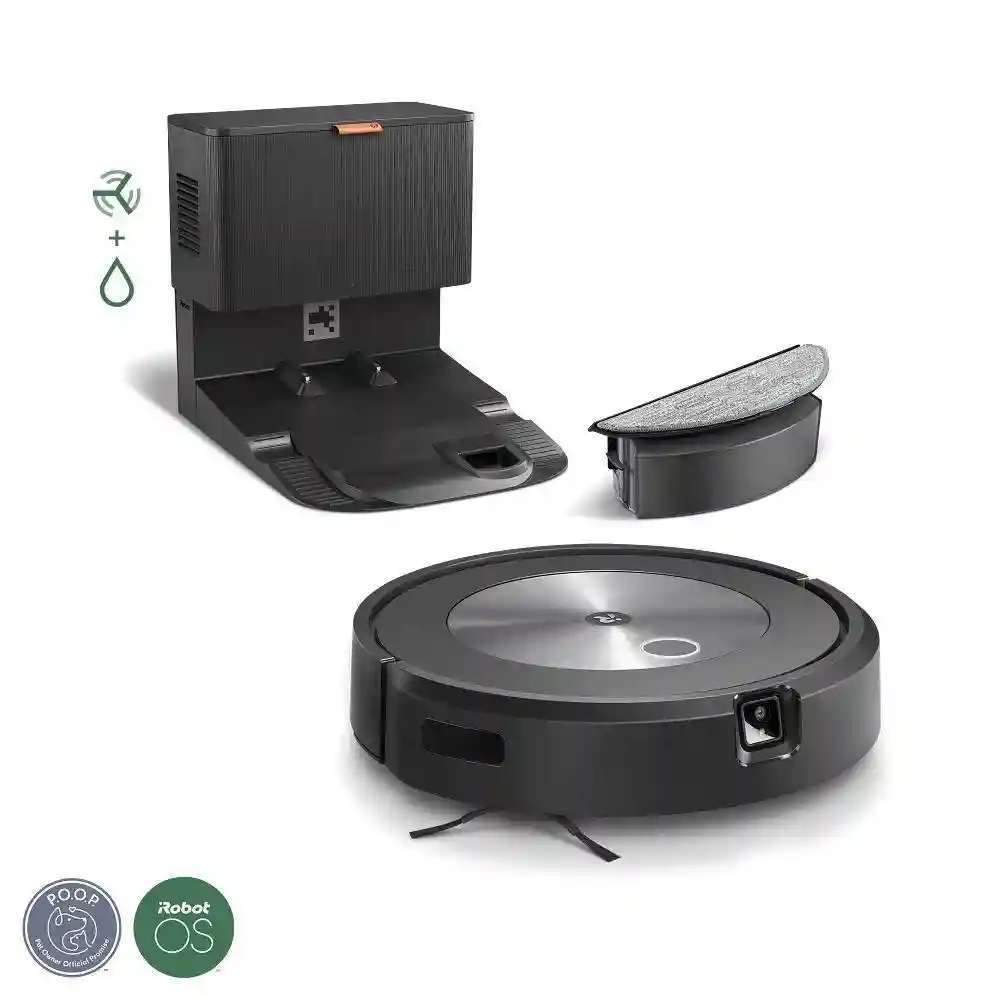
Credit: www.irobot.com
Roomba Maintenance And Care
To keep your Roomba working well, regular maintenance is important. Here are some steps:
- Empty the Dustbin: After each cleaning, empty the bin to prevent clogging.
- Clean the Brushes: Remove hair and debris from the brushes and rollers weekly.
- Wipe Sensors: Clean sensors with a soft cloth to ensure accurate navigation.
- Check the Battery: Recharge as needed; batteries may need replacing after 1-2 years.
- Replace Filters: Filters should be changed every few months for best performance.
If you skip maintenance, Roomba may lose suction, get stuck, or miss spots. Many new users overlook the importance of regular cleaning, which can lead to problems.
Roomba Vs. Traditional Vacuum Cleaners
Many people wonder if Roomba can replace a regular vacuum. Here’s a side-by-side comparison:
| Feature | Roomba | Traditional Vacuum |
|---|---|---|
| Automation | Fully Automatic | Manual |
| Cleaning Power | Moderate | High |
| Maintenance | Easy | Varies |
| Floor Types | Most Types | All Types |
| Noise Level | Low to Moderate | Moderate to High |
| Cost | Higher | Lower |
| Deep Cleaning | Limited | Excellent |
Roomba is best for daily cleaning and light maintenance, while traditional vacuums are better for deep cleaning carpets and tough messes. Many people use both for a complete cleaning solution.
Roomba Battery Life And Charging
Battery life is a key factor for robot vacuums. Most Roombas use lithium-ion batteries. Depending on the model, Roomba can clean for 60–120 minutes per charge. When the battery runs low, Roomba returns to its dock to recharge.
Some models support recharge and resume: Roomba will recharge and then continue cleaning where it left off. This is useful for larger homes.
Here are some tips for longer battery life:
- Clean dustbin and brushes regularly
- Keep Roomba’s dock in an open area
- Charge fully before each cleaning
- Replace battery as recommended
Common Issues And Troubleshooting
Even the smartest robot vacuums can run into problems. Here are a few common issues and how to solve them:
- Stuck on obstacles: Move small items, cords, and toys out of Roomba’s path.
- Weak suction: Clean filters, brushes, and dustbin.
- Navigation errors: Wipe sensors clean and check for software updates.
- Battery won’t charge: Check dock connection and battery age.
Many new users miss the importance of placement of the charging dock. It should be in an open area, not hidden or blocked, so Roomba can find it easily.
If you need more detailed troubleshooting, the official iRobot Help Center has guides and videos.

Credit: www.explainthatstuff.com
The Future Of Roomba And Robot Vacuums
The Roomba is no longer just a basic vacuum. Newer models use AI, recognize objects, and can even mop floors. As technology improves, robot vacuums will get smarter, quieter, and more powerful.
Many brands now offer similar robot vacuums, but Roomba remains one of the best-known names. In the future, expect features like better room mapping, improved obstacle avoidance, and even automatic maintenance.
Frequently Asked Questions
How Often Should I Clean My Roomba?
You should empty the dustbin and clean the brushes after every few uses. Filters need changing every few months. Regular maintenance keeps Roomba working well.
Can Roomba Clean Multiple Rooms?
Yes. Advanced models can map your home and clean specific rooms on request. Basic models will try to clean all accessible areas but may miss some spots.
Does Roomba Work With Pet Hair?
Roomba is popular among pet owners. Its brushes and rollers are designed to pick up pet hair. Clean brushes regularly to prevent clogging.
How Does Roomba Avoid Stairs?
Roomba uses cliff sensors to detect drop-offs, like stairs. When it senses a drop, it changes direction to stay safe.
Will Roomba Replace My Regular Vacuum?
Roomba is great for daily cleaning, but it may not replace deep cleaning for carpets or tough messes. Many people use both for best results.
Roomba vacuum cleaners have made home cleaning easier, smarter, and more automatic. If you want a device that saves time and keeps your floors tidy, Roomba is a reliable choice. As technology improves, these robot vacuums will only get better.
Understanding how they work helps you use them to their full potential—so your home stays cleaner with less effort.

Credit: www.explainthatstuff.com