Keeping a fish tank clean and healthy is a big challenge for many aquarium owners. Dirty water can harm fish, cause disease, and make your tank look unattractive. Traditional water changes are time-consuming, messy, and sometimes stressful for both you and your fish. An automatic fish tank water changer offers a modern solution to this problem, making maintenance much easier and safer. If you are looking to keep your aquarium clean with less work, understanding how automatic water changers work and what to consider before buying one can save you a lot of trouble.
What Is An Automatic Fish Tank Water Changer?
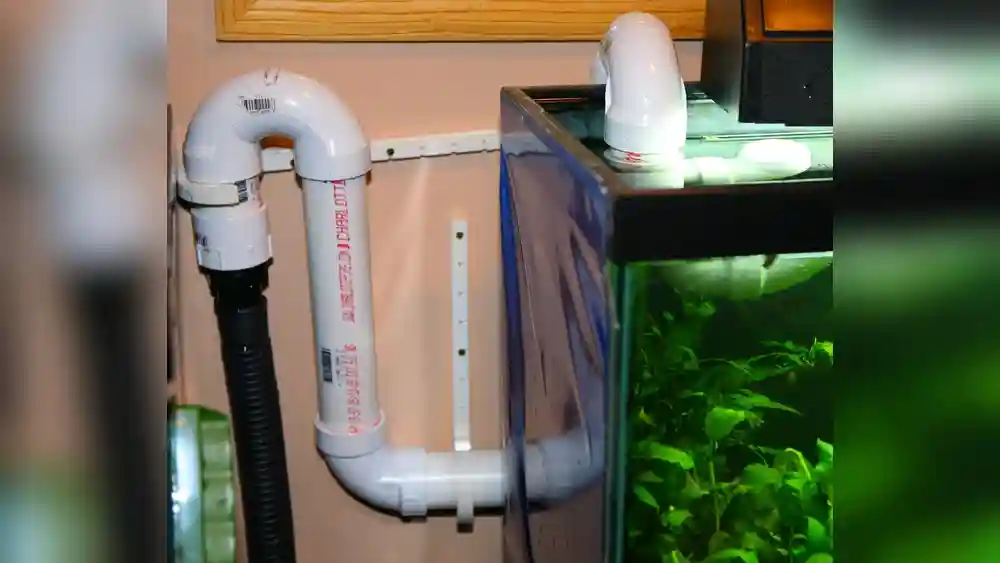
An automatic fish tank water changer is a device or system that removes old water from your aquarium and replaces it with fresh water. Unlike manual water changes, where you use a siphon or bucket, an automatic changer does most of the work for you. These devices can be set to work on a schedule, so your tank stays clean with little effort.
Some automatic water changers are simple, using gravity and timers. Others are more advanced, using pumps, sensors, and even smartphone controls. They are suitable for different tank sizes, from small home aquariums to large, professional setups.
Why Water Changes Are So Important
Fish and plants in your aquarium produce waste, which releases harmful chemicals like ammonia and nitrite. Even with a good filter, these chemicals build up over time. Water changes remove these toxins, keeping the environment safe. Regular water changes also:
- Replenish essential minerals
- Improve water clarity
- Prevent algae growth
- Reduce disease risk
Studies show that tanks with regular water changes have healthier, longer-living fish. Missing just a few weeks can lead to dangerous spikes in toxins, especially in small or crowded tanks.

Credit: www.youtube.com
Main Types Of Automatic Water Changers
Choosing the right type can make a big difference in your maintenance routine. Here are the most common types:
| Type | Main Features | Best For |
|---|---|---|
| Gravity-Based | Uses gravity, simple timer, low cost | Small tanks, beginners |
| Pump-Driven | Powered pumps, precise control, fast operation | Medium to large tanks |
| Smart/Programmable | Wi-Fi, sensors, app control | Tech enthusiasts, large or complex tanks |
Many systems combine features, so you might find a pump-driven system with Wi-Fi control, for example.
How Automatic Water Changers Work
The basic process is the same for most systems:
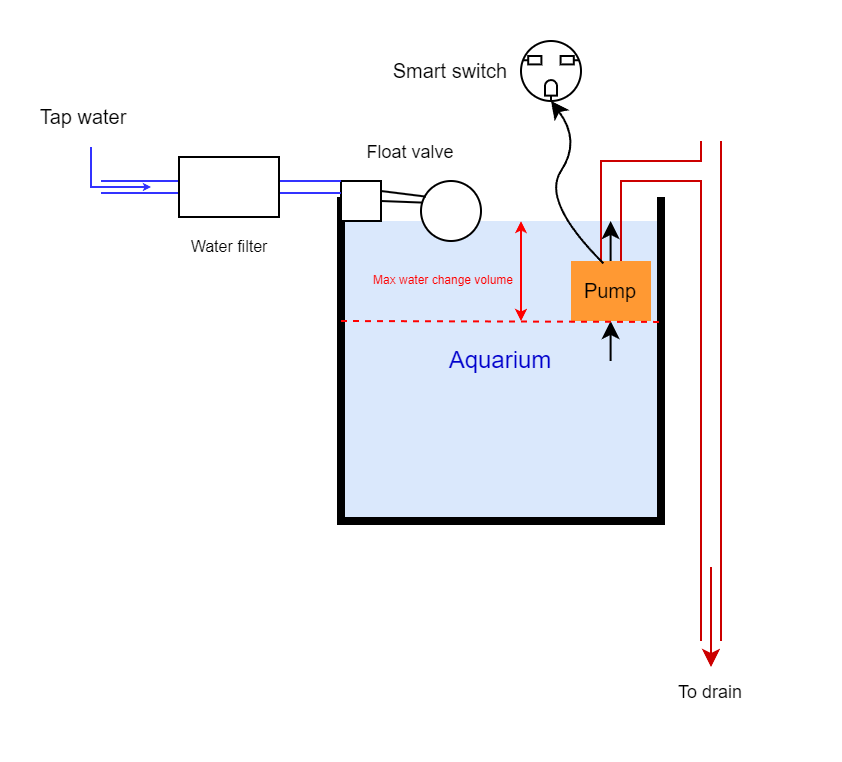
- Old water is removed: A pump or siphon drains a set amount of water from the tank.
- Fresh water is added: Clean, dechlorinated water is pumped in to replace what was removed.
- Cycle repeats: Depending on the settings, this process can run daily, weekly, or as needed.
Smart changers use sensors to detect water level and quality, adjusting the process for the best results. Some even alert you on your phone if there’s a problem.
Example Setup
Imagine a 50-gallon aquarium. You set the changer to remove 10% of the water every week. The device automatically drains 5 gallons, then refills the tank with exactly 5 gallons of treated water. You don’t need to lift a bucket or get your hands wet.
Credit: blog.smarterhome.my
Key Benefits Of Automatic Water Changers
Switching to an automatic system offers several important advantages:
- Time-saving: No more carrying buckets or hoses every week.
- Consistency: Water changes happen at the same time and amount, every time.
- Healthier fish: Stable water conditions mean less stress and fewer illnesses.
- Less mess: No spills or wet floors.
- Custom control: Many systems let you choose how much and how often to change water.
If you travel often or have a busy lifestyle, these systems can keep your tank healthy when you’re not around.
What To Consider Before Buying
Choosing an automatic water changer isn’t just about picking the most expensive model. Here’s what you should look at:
1. Tank Size And Volume
Every system has a maximum tank size it can handle. Using a small changer on a big tank means it will take too long or not work well. Always check the specifications.
2. Water Source And Drain
You need access to both fresh water and a drain. Some apartments or homes may not have easy plumbing near the tank. Check hose lengths and installation needs.
3. Safety And Reliability
Look for systems with fail-safes like overflow protection, leak sensors, and alarms. This prevents disasters if something goes wrong.
4. Ease Of Setup
Some systems are plug-and-play, while others need more installation. If you’re not comfortable with DIY projects, pick a simpler model.
5. Maintenance Needs
Even automatic systems need cleaning and care. Filters, hoses, and pumps can clog over time. Check how easy it is to service the unit.
6. Budget
Prices range from $50 for basic models to $500+ for smart, fully automated systems. Consider the long-term benefits before deciding.
| Feature | Basic Model | Advanced Model |
|---|---|---|
| Price | $50–$120 | $250–$600 |
| Automation Level | Manual timers | Full programming, Wi-Fi |
| Sensors | None or basic | Water level, leak |
| Maintenance | Low | Moderate |
Common Mistakes To Avoid
Many new users make simple errors that can cause problems. Here are a few to watch for:
- Not treating new water: Always use a dechlorinator or water conditioner before adding water to the tank. Tap water contains chlorine that can kill fish.
- Wrong water temperature: Adding cold or hot water can shock or kill fish. Match new water to your tank’s temperature.
- Over-automation: Don’t rely fully on the machine. Check your tank regularly to spot issues the system might miss.
- Ignoring maintenance: Clean hoses and filters to prevent blockages or bacteria buildup.
- Improper installation: Secure all connections tightly to avoid leaks.
Even the best system is only as good as its setup and monitoring.
Step-by-step Guide: Installing A Simple Automatic Water Changer
To help you get started, here’s a basic guide for installing a pump-driven automatic changer in a home aquarium:
- Read the manual: Every system is different. Check for any special requirements.
- Connect the drain hose: Attach it to the tank and run it to a sink, drain, or bucket.
- Attach the fill hose: Connect it to a water source. Use a water conditioner in line if possible.
- Install the pump: Place the pump in the tank or sump as directed.
- Set the timer or program: Decide how much water to change and how often.
- Test the system: Run a test cycle and watch for leaks, temperature issues, or strange noises.
- Monitor for the first week: Double-check that water levels and quality stay stable.
Remember, each system has its own details, so always check the instructions.
Advanced Features You Might Want
If you have a large or high-value aquarium, extra features can provide even more control and safety:
- Water quality sensors: Detect ammonia, nitrate, or pH changes.
- Wi-Fi/App control: Change settings from your phone or get alerts.
- Custom schedules: Set different water change routines for different days or seasons.
- Backup battery: Keeps the system running during power outages.
These features are more common in premium models and can be especially useful if you keep sensitive or expensive fish.
Real-world Example
A hobbyist with a 120-gallon reef tank struggled with algae and coral problems. After installing a smart automatic water changer, he set it to change 2 gallons every day. Within a month, his water tests showed lower nitrate and phosphate levels, the algae disappeared, and the corals started to grow faster.
He also saved over 2 hours per week in maintenance time.
This example shows that small, frequent water changes with an automatic system can be more effective than larger, infrequent manual changes.
How To Choose The Right Model For You
With many options on the market, making the right choice depends on your specific needs. Here’s a quick comparison of three popular types:
| Model | Max Tank Size | Automation | Best For |
|---|---|---|---|
| Aquarium Water Changer Pro | 55 gallons | Timer, pump-driven | Home aquariums |
| AutoAqua Smart AWC | 200 gallons | Sensors, app control | Large or multiple tanks |
| Python No Spill Clean and Fill | 100 gallons | Manual operation, simple | Budget setups |
Don’t just look at price—think about your space, tank size, and how much automation you actually need.
Non-obvious Insights For Better Results
Many beginners miss a few key points when using automatic water changers:
- Partial water changes are usually better than full changes. Removing only 10–20% at a time avoids sudden changes in water chemistry, which can stress fish.
- Check filter media after water changes. Automatic changers may stir up debris, clogging your filter faster than usual.
- Keep a log of water changes. Even with automation, writing down dates and results helps you spot problems early and adjust your routine if needed.
Environmental Impact And Cost Savings
While an automatic changer uses some electricity and water, it can actually save resources in the long run. By changing water more frequently but in smaller amounts, you avoid large waste. Healthier tanks mean fewer fish deaths and less need for medications or emergency interventions.
The initial investment may seem high, but many users find that the time saved and improved fish health pay for themselves within a year.
Frequently Asked Questions
How Often Should I Change Water With An Automatic Water Changer?
Most experts recommend changing 10–20% of the water every 1–2 weeks. With an automatic system, you can do smaller amounts more frequently, which is even better for most fish.
Can I Use Tap Water With An Automatic Water Changer?
Yes, but always treat tap water with a water conditioner to remove chlorine and chloramine. Some systems have built-in dosing units, but others require you to add the conditioner manually.
Will An Automatic Water Changer Work With Saltwater Tanks?
Absolutely. Many systems are designed for both freshwater and saltwater aquariums. Just make sure to mix saltwater properly before adding it to the tank, and use separate hoses if possible to avoid cross-contamination.
What Happens If The System Fails?
High-quality automatic water changers come with safety features like overflow protection and alarms. However, you should always check your tank regularly and have a backup plan in case of power outages or leaks.
Where Can I Learn More About Aquarium Maintenance?
For more in-depth information, check reputable aquarium resources like the Wikipedia Aquarium page for details on water chemistry, fish care, and equipment.
Keeping your aquarium clean no longer has to be a struggle. With an automatic fish tank water changer, you save time, protect your fish, and enjoy a beautiful, healthy tank every day. With a little planning, the right device, and regular observation, you can take your fishkeeping experience to a whole new level.

Credit: www.youtube.com