Keeping your swimming pool clean can feel like a never-ending job. Leaves, dust, and algae quickly gather, making your pool less inviting. But with an automatic pool vacuum, cleaning becomes faster and easier. This guide explains how to use an automatic pool vacuum, from setup to maintenance, so you can enjoy a sparkling pool without hours of manual work.
Understanding Automatic Pool Vacuums
Automatic pool vacuums are clever machines designed to clean pools with minimal effort. They move around the pool, picking up debris and dirt, leaving the water clear. These vacuums come in three main types:
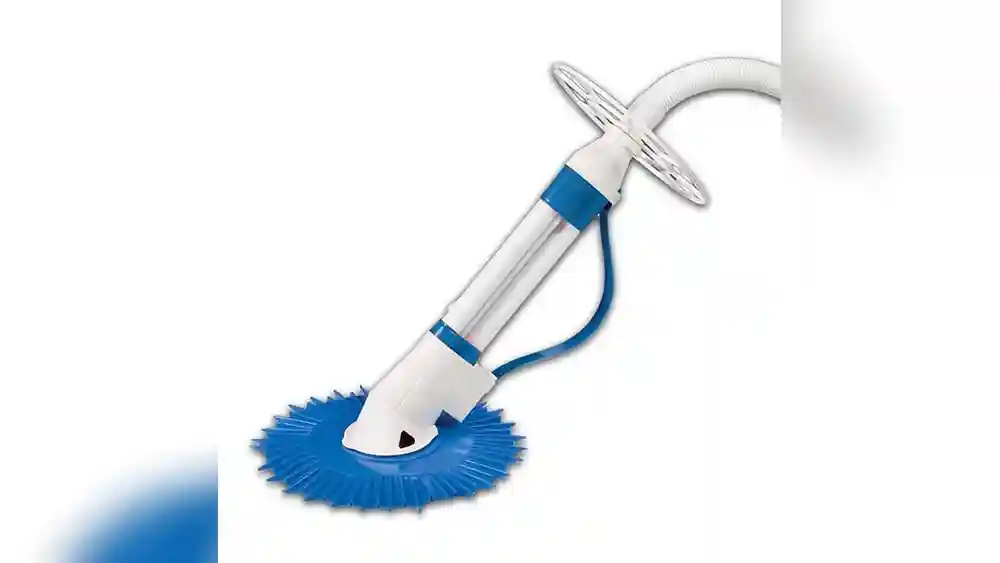
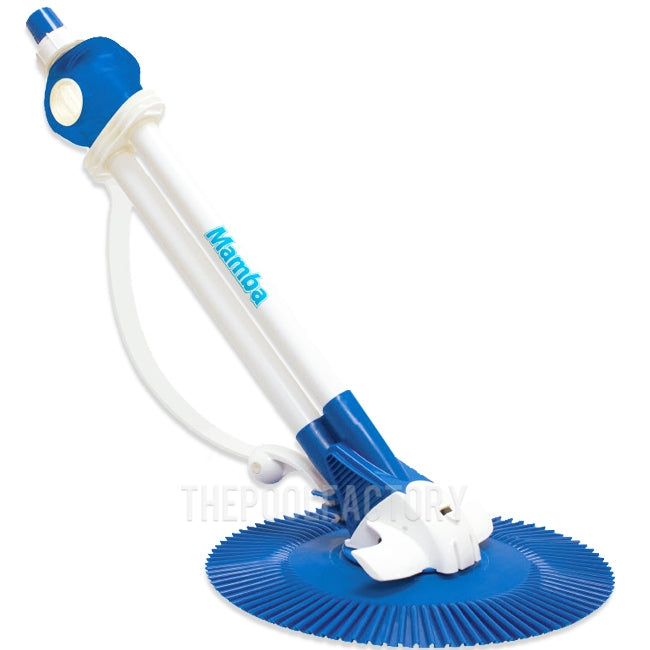
- Suction-side vacuums attach to the pool’s filtration system and use suction to collect debris.
- Pressure-side vacuums use water pressure from a pump to move and collect dirt in a separate bag.
- Robotic vacuums are fully independent and powered by electricity, cleaning pools with advanced features.
Each type has its strengths. Suction-side models are affordable but rely on your pool's filter. Pressure-side vacuums are good for larger debris. Robotic vacuums are the easiest to use and best for thorough cleaning, but they cost more.
Here’s a quick comparison of the main types:
| Type | Power Source | Best for | Average Price |
|---|---|---|---|
| Suction-side | Pool filtration system | Fine debris, small pools | $100–$400 |
| Pressure-side | Pool pump pressure | Large debris, medium–large pools | $200–$600 |
| Robotic | Electric outlet | All debris, any pool size | $500–$1,500 |
Preparing Your Pool For Vacuuming
Before you start, it’s important to make sure your pool is ready for the vacuum. This step prevents problems and helps your vacuum work better.
- Remove large debris: Use a net to take out leaves, twigs, or stones.
- Check water level: Your pool should be filled to the correct level, usually halfway up the skimmer.
- Inspect the vacuum: Make sure hoses, filters, and wheels are clean and not damaged.
- Turn off pool heater: Some vacuums recommend turning off the heater to avoid damage.
- Check the filter: Clean or backwash your pool filter before vacuuming.
Taking these steps helps your automatic pool vacuum run smoothly and last longer.
Setting Up Your Automatic Pool Vacuum
The setup process depends on the type of vacuum you have. Here’s how to set up each main type:
Suction-side Pool Vacuum
- Connect the hose: Attach the vacuum hose to the suction port in the skimmer or dedicated line.
- Prime the hose: Fill the hose with water to remove air bubbles.
- Attach the vacuum head: Connect the vacuum to the hose and place it in the pool.
- Turn on the pump: Start the pool pump so suction pulls debris through the vacuum.
Pressure-side Pool Vacuum
- Connect to return line: Attach the vacuum to a pool return line.
- Install debris bag: Make sure the collection bag is secure.
- Check booster pump: If your vacuum needs a booster pump, turn it on.
- Place in pool: Set the vacuum in the pool and let it start moving.
Robotic Pool Vacuum
- Plug in the power supply: Connect the vacuum to an electrical outlet.
- Check settings: Choose cleaning mode if available (floor, walls, full).
- Place in pool: Put the robot in the water, making sure it sinks.
- Start cleaning: Press the start button and let the vacuum begin.
A common mistake is skipping hose priming for suction vacuums. Air bubbles can cause poor suction and damage the pump.
Operating Your Automatic Pool Vacuum
Automatic pool vacuums are made for easy use, but there are a few tips to help them work best:
- Let the vacuum run: Most vacuums need 2–4 hours to clean a standard pool (15,000–20,000 gallons).
- Watch for tangling: Make sure hoses are not twisted or kinked.
- Check movement: If the vacuum stops or moves poorly, check for blockages.
- Monitor water flow: Too much or too little flow affects suction and cleaning.
- Remove after cleaning: Take the vacuum out when finished to prevent wear and tear.
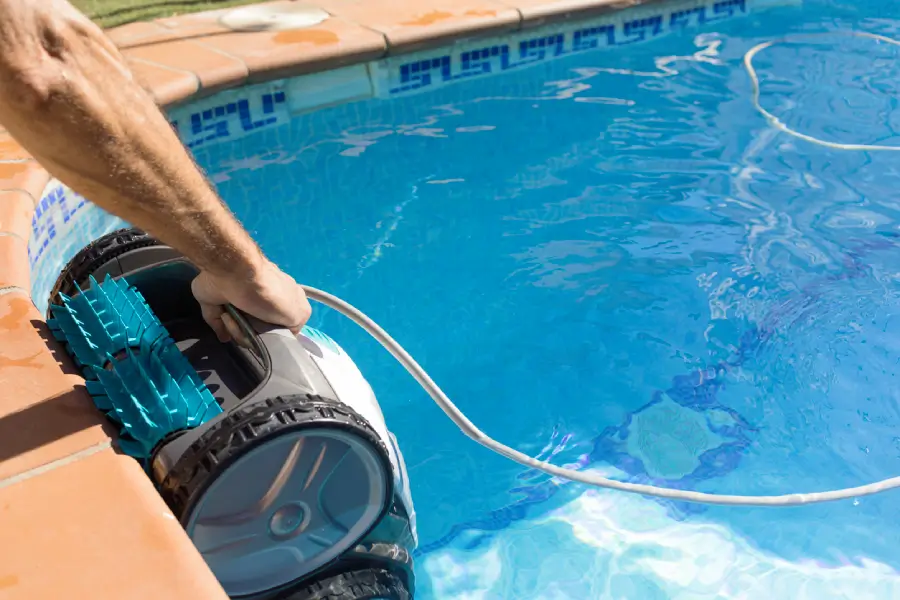
Robotic vacuums often have timers and sensors. For example, the Dolphin Nautilus CC Plus robotic vacuum covers a 50-foot pool in about 2 hours, with automatic shutoff.
Credit: www.valleyspasnpools.com
Cleaning And Maintenance
Maintaining your automatic pool vacuum keeps it effective and extends its life. Here’s what to do after each use:
- Empty debris bags: Remove and clean the collection bag or filter.
- Check for clogs: Inspect hoses, wheels, and jets for debris.
- Rinse parts: Use fresh water to wash vacuum parts, especially after heavy use.
- Store properly: Keep the vacuum and hoses out of direct sunlight and away from chemicals.
- Inspect wear: Look for worn brushes, wheels, or belts and replace if needed.
A helpful tip: If you notice the vacuum missing spots, check the wheels or tracks. Uneven wear can cause poor cleaning patterns.
Troubleshooting Common Problems
Automatic pool vacuums sometimes face issues. Here are solutions to the most frequent problems:
- Vacuum won’t move: Check for clogs, low water level, or faulty connections.
- Poor suction: Clean the filter, prime the hose, and check for air leaks.
- Stuck vacuum: Remove obstacles and check for tangled hoses.
- Missed areas: Adjust hose length or reposition the vacuum.
Robotic vacuums may show error codes. Refer to your user manual for details. For suction and pressure vacuums, often cleaning the filter and checking hose connections solves most problems.
Here’s a handy table of common issues and quick fixes:
| Problem | Possible Cause | Solution |
|---|---|---|
| Vacuum not moving | Clogged wheels/hoses | Clean debris, inspect parts |
| Poor suction | Dirty filter, air in hose | Backwash filter, prime hose |
| Missed spots | Short hose, worn wheels | Add hose, replace wheels |
| Stuck on steps | Design limitation | Reposition vacuum, manual cleaning |

Credit: www.youtube.com
Tips To Maximize Cleaning Results
Getting the best performance from your automatic pool vacuum involves a few smart tricks:
- Run during off-peak hours: Clean when few swimmers are present, usually early morning or late evening.
- Regular filter cleaning: A clean pool filter helps your vacuum work better.
- Keep hoses straight: Lay hoses in the sun for 10–15 minutes to remove bends.
- Use the right settings: If your vacuum has adjustable speed or cleaning modes, choose based on pool size and dirt level.
- Check water chemistry: Balanced water prevents algae and keeps the vacuum running smoothly.
One insight many beginners miss: running the vacuum more often in windy seasons reduces buildup and saves time.
Comparing Automatic Pool Vacuums To Manual Cleaning
Manual cleaning with a traditional pool brush and net is much slower and requires more effort. Automatic vacuums save hours each week and clean more thoroughly. Here’s a direct comparison:
| Cleaning Method | Time Required | Effort Level | Results |
|---|---|---|---|
| Manual | 1–2 hours (weekly) | High | Depends on user |
| Automatic Vacuum | 2–4 hours (machine time) | Low | Consistent, thorough |
Using an automatic pool vacuum also reduces filter wear and improves water clarity. It’s an investment that pays off in time saved and pool enjoyment.
Safety Precautions
Safety matters when using automatic pool vacuums:
- Unplug robotic vacuums before handling in water.
- Keep children and pets away during operation.
- Check electrical cords for damage.
- Never swim with vacuum running, especially robotic models.
- Read the manual for your specific vacuum.
These steps prevent accidents and protect your equipment.
Frequently Asked Questions
How Often Should I Use My Automatic Pool Vacuum?
Most pools need vacuuming once or twice a week, but you may need more frequent cleaning during heavy use or windy weather. Consistent use keeps your pool clean and reduces algae growth.
Can Automatic Pool Vacuums Clean Stairs And Tight Corners?
Some robotic vacuums handle stairs and corners well, but most suction and pressure-side vacuums miss these areas. Manual brushing may still be needed for steps and tight spots.
Is It Safe To Leave The Vacuum In The Pool All The Time?
It’s not recommended. Leaving the vacuum in the pool can cause wear and tear, algae buildup, and damage from chemicals. Remove and store the vacuum after each use.
What’s The Best Automatic Pool Vacuum For Small Pools?
For small pools, suction-side vacuums are often best due to their low cost and easy setup. Robotic vacuums are good for those wanting more convenience, but may be overkill for very small pools.
Where Can I Find More Information About Automatic Pool Vacuums?
You can find detailed reviews and guides on reputable sites like SwimmingPool.com, which offer expert advice and product comparisons.
Keeping your pool clean doesn’t have to be a chore. With the right automatic pool vacuum and smart use, your pool stays clear and inviting all season. Regular maintenance, proper setup, and safety steps ensure your vacuum works well for years.
Enjoy more swimming and less cleaning with this smart solution.
Credit: www.thepoolfactory.com