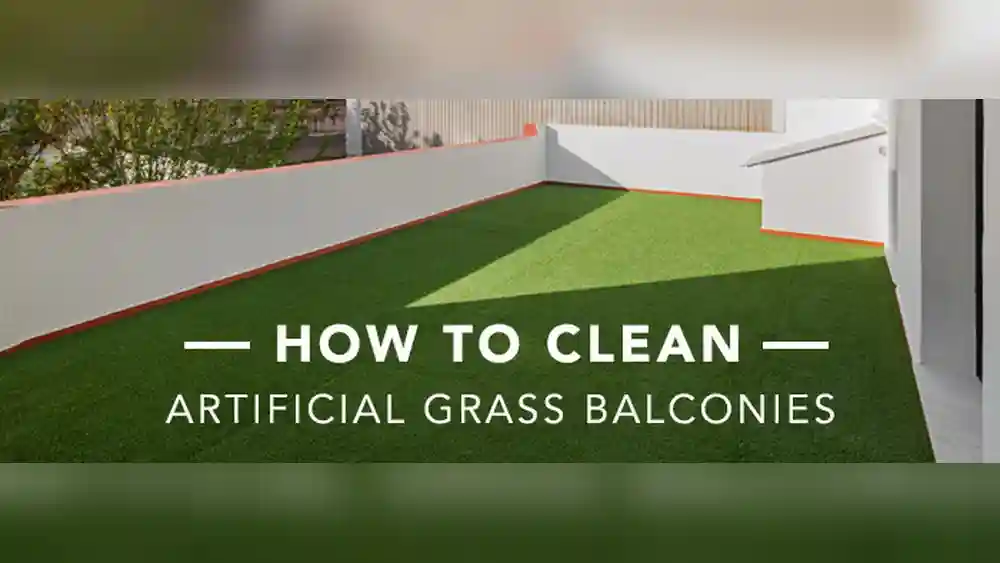
Living in an apartment with a balcony often means limited access to natural grass. Many people choose artificial grass carpet to create a green, comfortable outdoor space. But keeping it clean can be tricky, especially with dust, rain, pet hair, and city pollution. If you want your balcony to look fresh and inviting, you need to know the right ways to clean your artificial grass carpet. This guide will show you everything—from basic tools to advanced tips, common mistakes to avoid, and practical advice for different weather and situations. By the end, you’ll feel confident about keeping your balcony’s green carpet spotless and lasting longer.
Why Cleaning Artificial Grass Carpet Matters
Artificial grass is made to look like real grass, but it’s still synthetic. Dirt, leaves, spilled drinks, and other debris can build up quickly. Without cleaning, mold, bad smells, and stains can appear. A dirty carpet also loses its color and feels less comfortable to walk on. Regular cleaning keeps your balcony safe, healthy, and beautiful.
Statistics You Should Know
- Over 70% of urban apartment owners report that dust is the biggest problem for their artificial grass carpets.
- Artificial turf can last 8–10 years, but only with proper cleaning and care.
- Pet owners need to clean artificial grass at least twice a week to prevent odors.
Tools And Supplies You Need
Cleaning artificial grass does not require expensive equipment. Here are the basics:
- Soft-bristled broom or brush
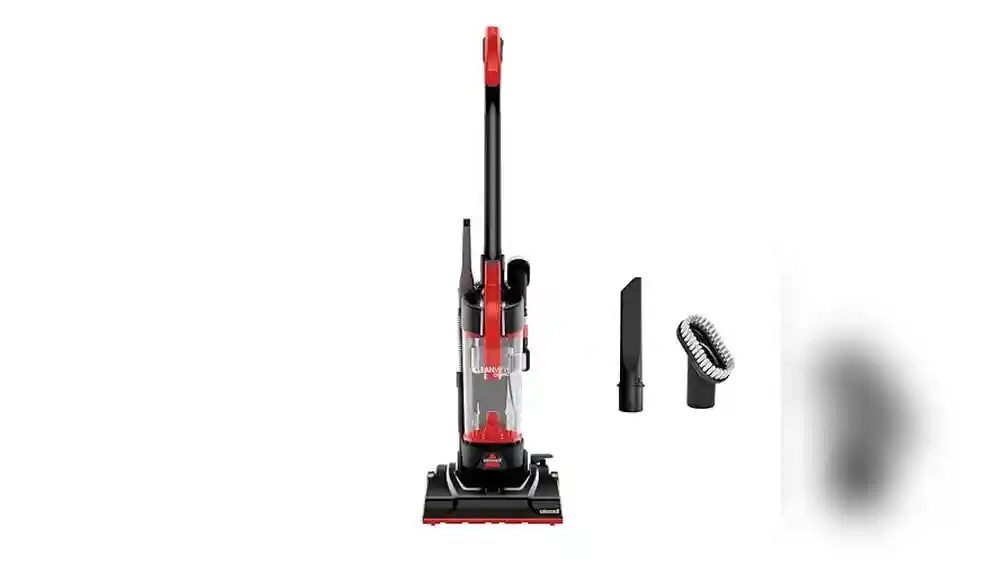
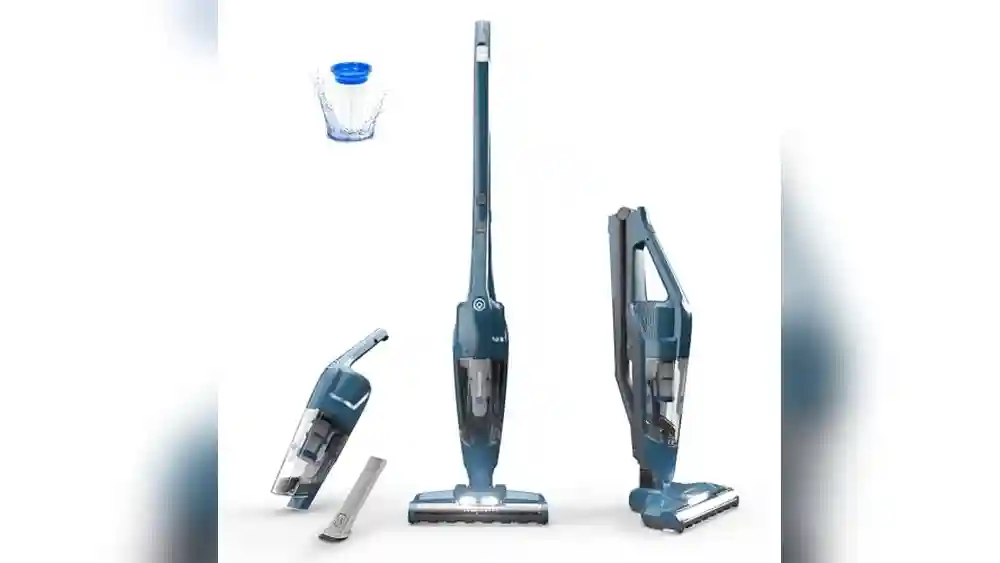
- Vacuum cleaner (optional, for dry debris)
- Garden hose or water bucket
- Mild detergent (like dish soap)
- Spray bottle
- Cloth or sponge
- Pet enzyme cleaner (if you have pets)
- Rubber gloves
For tough stains or deep cleaning, you may also want:
- Plastic rake (never use metal)
- Wet/dry vacuum
- Leaf blower
A quick comparison of common cleaning tools:
| Tool | Best For | Cost | Ease of Use |
|---|---|---|---|
| Broom | Loose debris, dust | Low | Easy |
| Vacuum | Pet hair, small particles | Medium | Moderate |
| Garden hose | Rinsing, stains | Low | Easy |
| Leaf blower | Leaves, quick cleaning | Medium | Easy |
Step-by-step Cleaning Guide
Cleaning artificial grass carpet in your balcony is simple if you follow the right steps. Here’s how to do it:
1. Remove Loose Debris
Start by picking up any large objects like leaves, twigs, or trash. Use your hands or a soft plastic rake. For smaller debris, sweep with a soft-bristled broom. This prevents dirt from settling deeper.
2. Vacuum Or Brush
If your carpet has a lot of pet hair or fine dust, use a vacuum cleaner. Make sure it’s suitable for artificial turf. If you don’t have a vacuum, use a brush and sweep in different directions to lift dirt.
3. Rinse With Water
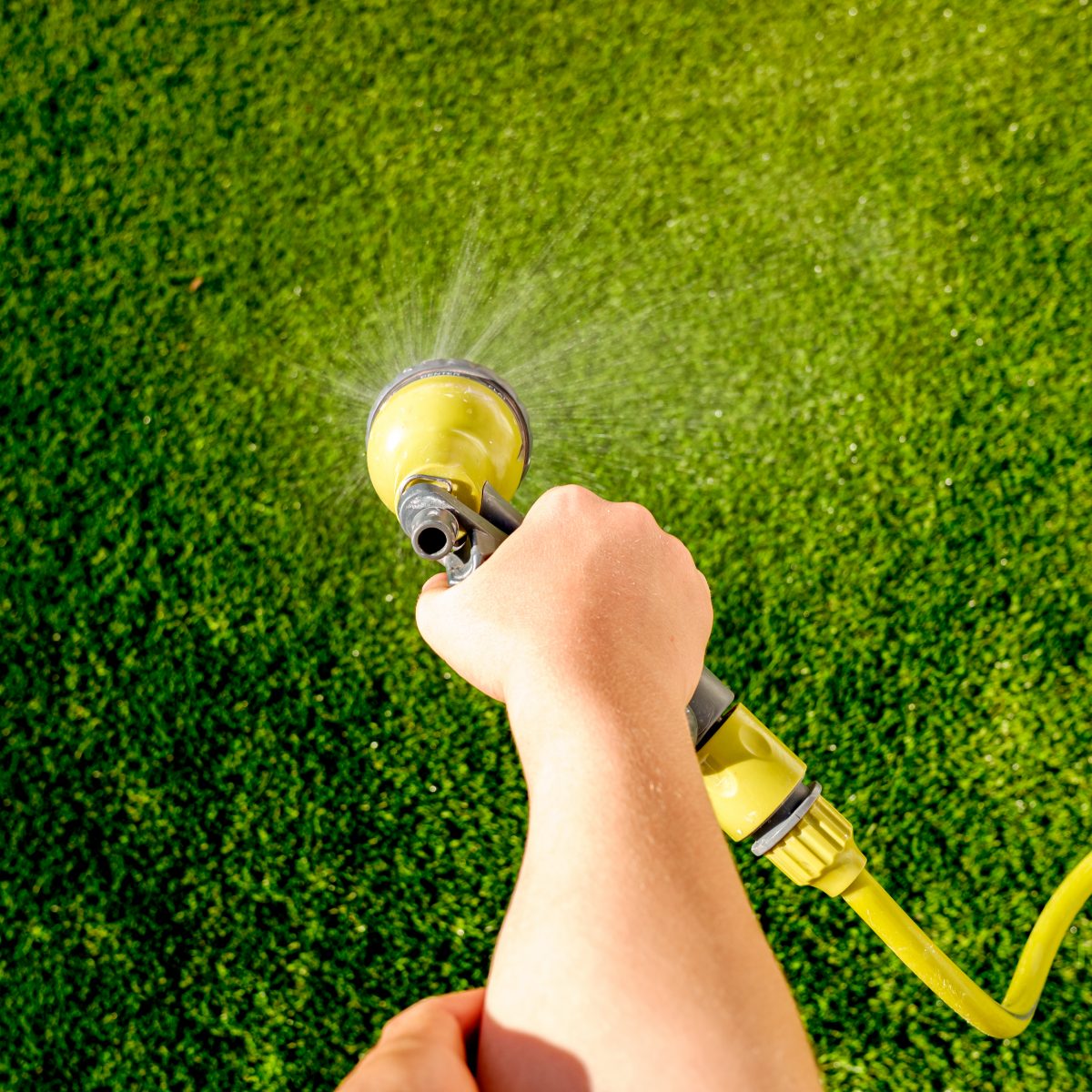
Use a garden hose to rinse the carpet. If you don’t have a hose, pour water gently from a bucket. Avoid high-pressure sprayers—they can damage the turf. Rinsing removes dust and refreshes the fibers.
4. Apply Mild Soap Solution
Mix a few drops of mild detergent in a spray bottle with water. Spray the solution over dirty areas. Use a sponge or cloth to gently scrub stains. For balconies, avoid harsh chemicals—they can discolor the carpet.
5. Handle Pet Odors And Stains
If you have pets, urine and feces can cause smells and stains. Use a pet enzyme cleaner. Spray it on affected areas, wait a few minutes, then rinse. This breaks down odor-causing bacteria.
6. Dry Properly
After cleaning, let the carpet dry completely. If possible, open windows or doors for air circulation. Never cover wet turf—moisture can cause mold.
7. Fluff And Groom The Grass
Use a broom or rake to brush the turf in different directions. This helps keep the grass blades upright and makes the carpet look natural.
Deep Cleaning: When And How
Regular cleaning is enough for most balconies. But once every 2–3 months, you should do a deep clean.
When To Deep Clean
- After heavy rain or storms
- If there is a strong odor
- After a party or heavy use
- When the carpet looks dull
Deep Cleaning Steps
- Remove all furniture from the balcony.
- Sweep and vacuum thoroughly.
- Rinse with water, focusing on corners.
- Mix soap and water in a bucket. Use a sponge to scrub all surfaces.
- For tough stains, use a soft brush and repeat scrubbing.
- Rinse again with clean water.
- Let the carpet dry for several hours.
- Brush the turf when dry.
A quick comparison of regular vs deep cleaning:
| Type | Frequency | Time Needed | Tools Used |
|---|---|---|---|
| Regular | Weekly | 15–30 minutes | Broom, hose, mild soap |
| Deep | Every 2–3 months | 1–2 hours | Vacuum, brush, enzyme cleaner |
Credit: www.vevor.com
Tips For Balcony Owners
Cleaning artificial grass on a balcony is different from cleaning in a yard. Here are some practical tips:
- Check drainage: Make sure water can flow off your balcony. Standing water causes mold and damages the carpet.
- Use minimal water: Too much water can leak to apartments below. Always check local building rules.
- Protect the turf from furniture: Heavy furniture can crush grass blades. Move furniture regularly and use pads under legs.
- Avoid harsh chemicals: Balcony carpets are usually smaller and exposed to less sunlight. Chemicals stay longer and can damage the turf.
- Spot clean often: For food spills or pet accidents, clean right away to prevent stains.
Common Mistakes To Avoid
Many beginners make simple mistakes that can shorten the life of their artificial grass carpet. Here are some to watch out for:
- Using metal tools: Metal rakes or brushes can tear the turf.
- Ignoring drainage: Not checking drainage can cause water build-up and mold.
- Using bleach or strong chemicals: These can cause discoloration and damage fibers.
- Letting debris pile up: Waiting too long between cleanings makes cleaning harder and less effective.
- Vacuuming with the wrong setting: High suction can pull up turf edges. Use gentle settings.
- Not drying the carpet: Leaving the turf wet encourages mold and bacteria.
Dealing With Special Situations
Sometimes, cleaning artificial grass carpet means dealing with unusual problems. Here are some examples:
After Rain Or Storms
Heavy rain can leave mud or sand on your balcony turf. Wait until water drains. Then sweep up mud with a broom. Rinse with water and let dry. If sand is stuck in fibers, use a vacuum with a brush attachment.
Removing Sticky Spills
Spilled drinks, gum, or sticky food need special care. First, scrape off as much as you can with a plastic spatula. Spray soap solution and scrub gently. Rinse well. Repeat if needed.
Handling Mold
If you spot mold, use a mixture of vinegar and water (1:1 ratio). Spray the area, scrub, and rinse. Vinegar kills mold but is safe for most artificial turf. Always test on a small area first.
Pet Hair Build-up
Pet hair can clog the carpet and affect drainage. Use a vacuum, or sticky roller, to remove hair weekly. For heavy build-up, brush the turf in different directions.
A comparison of cleaning methods for different balcony challenges:
| Problem | Best Cleaning Method | Frequency |
|---|---|---|
| Pet odors | Enzyme cleaner, rinse | 2x weekly |
| Mold | Vinegar solution, scrub | When needed |
| Sticky spills | Plastic spatula, soap scrub | Immediately |
| Dust | Broom, vacuum | Weekly |
How To Keep Your Artificial Grass Carpet Clean Longer
Cleaning is not just about removing dirt—it’s also about preventing it. Here are some ways to keep your turf looking great:
- Use a doormat: Place a mat at the balcony entrance to catch dirt before it reaches your grass carpet.
- Cover during bad weather: If you expect heavy rain, cover the carpet with a waterproof sheet.
- Train pets: If you have dogs or cats, train them to use one area for toilet needs. This makes cleaning easier.
- Clean shoes: Avoid walking on the turf with dirty shoes. Keep a shoe rack nearby.
- Regular grooming: Brush the grass regularly to keep fibers upright and prevent matting.

Credit: www.youtube.com
Non-obvious Insights Most Beginners Miss
Many people overlook these important points:
- Drainage holes matter: Artificial grass carpet usually has small holes for water drainage. If these holes are blocked by dust or debris, water won’t drain, causing mold and bad smells. Check them every month and clear them with a toothpick or brush.
- Sunlight helps drying: After cleaning, let the carpet dry in sunlight if possible. Sunlight kills bacteria and prevents mold. If your balcony is shaded, use a portable fan to speed up drying.
Eco-friendly Cleaning Approaches
If you care about the environment, you can clean your artificial grass carpet without chemicals:
- Use vinegar and water for stains and mold.
- Baking soda can remove odors—sprinkle, leave for 30 minutes, then rinse.
- Collect and reuse rinse water for balcony plants.
These methods are safe for children and pets, and help reduce chemical waste.
For more eco-friendly home cleaning ideas, visit EPA Greener Products.
Credit: bellaturf.ca
Frequently Asked Questions
How Often Should I Clean My Artificial Grass Carpet?
For balconies, clean once a week for regular maintenance. If you have pets or heavy foot traffic, clean 2–3 times per week. Deep cleaning is needed every 2–3 months.
Can I Use A Pressure Washer On Artificial Grass?
It’s best not to use a pressure washer. High pressure can damage the turf and cause seams to lift. A garden hose or gentle water spray is safer.
What’s The Safest Cleaner For Pet Stains?
A pet enzyme cleaner is safest for removing odors and stains. Avoid bleach or ammonia—they can harm the turf and your pets.
How Do I Prevent Mold On My Balcony Carpet?
Make sure the carpet dries fully after cleaning or rain. Check and clear drainage holes. Avoid covering the turf with objects that trap moisture.
Are Artificial Grass Carpets Safe For Children?
Yes, artificial grass carpets are generally safe for children. Avoid using harsh chemicals, and keep the carpet clean to prevent bacteria or mold.
Keeping your artificial grass carpet in your balcony clean is easy with the right routine and tools. A little regular care gives you a fresh, green outdoor space for years. Remember to check drainage, clean gently, and handle spills quickly. With these tips, your balcony will stay beautiful, safe, and comfortable—no matter where you live.