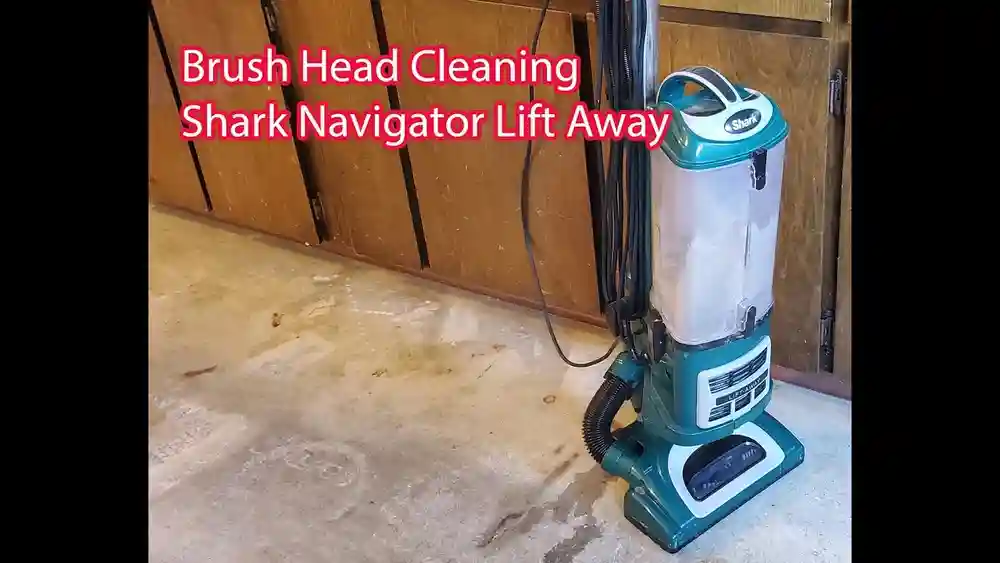
Keeping your Shark vacuum in top shape is key to a clean home. One of the most important tasks is taking care of the brush head. Over time, hair, dust, and debris get tangled in the bristles, making your vacuum less effective. Many people notice their vacuum not picking up dirt as well or making strange noises and don’t realize the brush head needs cleaning. Luckily, with the right steps, you can clean the brush head yourself, extend the life of your vacuum, and keep your floors spotless.
This guide explains exactly how to clean the brush head on a Shark vacuum. Whether you own a Shark Navigator, Rotator, Rocket, or another model, the process is similar. You’ll learn why cleaning matters, what tools you need, step-by-step instructions, safety tips, and advice for dealing with tricky problems. Even if you’re a beginner, you’ll feel confident after reading this article. We’ll also cover mistakes people make and answer common questions at the end.
Why Cleaning The Brush Head Matters
The brush head is the part of your Shark vacuum that touches the floor. It spins to pick up dust, hair, crumbs, and more. When the brush gets clogged, many problems can happen:
- Reduced suction: Dirt and hair block the spinning motion and airflow.
- Strain on the motor: The vacuum must work harder, which can cause it to overheat.
- Damage to floors: A dirty brush may scratch hard floors or push debris instead of picking it up.
- Bad smells: Old hair and debris can rot and smell bad.
- Shorter vacuum life: Extra strain and dirt can wear out parts faster.
According to a study by the Good Housekeeping Institute, regular cleaning can extend vacuum lifespan by up to 30%. Most Shark vacuums are designed for easy maintenance, so there’s no reason to wait until problems start.
Cleaning the brush head is especially important if you have pets or long hair in your home. Hair wraps tightly around the bristles and can be tough to remove if you wait too long.
How Often Should You Clean The Brush Head?
There’s no single answer for everyone, but here are some general guidelines:
- Pet owners or long hair: Every 1-2 weeks
- Everyday use: Once a month
- Light use: Every 2-3 months
If you vacuum more than once a week, check the brush head often. Some Shark models have a clear cover, so you can see when hair is building up.
Pro tip: If you notice your vacuum leaving debris behind, making louder noises, or smelling odd, check the brush head—even if it’s not cleaning day yet.

Credit: www.youtube.com
What You’ll Need Before Cleaning
Before you start, gather the right tools and make your workspace safe. Here are the basics:
- Scissors or seam ripper: For cutting tangled hair and threads.
- Small screwdriver: Some Shark vacuums have screws on the brush cover.
- Soft brush (like an old toothbrush): To scrub away dust.
- Tweezers: Helpful for pulling out hair or strings in tight spaces.
- Clean cloth or paper towels: For wiping parts.
- Mild soap and water: For washing removable parts.
- Gloves (optional): If you don’t want to touch dust and hair.
Check your vacuum’s manual for any model-specific tools or tips. Most Shark vacuums are designed for easy cleaning, but some have unique features like self-cleaning brush rolls.
Safety First: Preparing To Clean
Before you touch the brush head, always follow these safety steps:
- Unplug the vacuum from the power outlet. Never clean the brush while it’s plugged in. For cordless vacuums, remove the battery if possible.
- Let the vacuum cool down if you’ve just used it. The motor and brush area may be hot.
- Work in a well-lit, open space. Lay down a towel or newspaper to catch dirt.
Never use harsh chemicals or too much water on electrical parts. If you’re not sure about any step, check your Shark manual or contact customer support.
Step-by-step: How To Clean The Brush Head On A Shark Vacuum
Let’s break down the process into clear steps. These apply to most Shark models, but you may need to adjust slightly for your vacuum.
1. Remove The Brush Head
Depending on your model, this step will look a bit different. For most Shark uprights and stick vacuums:
- Lay the vacuum flat on the floor.
- Look for release buttons or latches on the sides of the brush head.
- Press the button or unlatch the cover. On some models, you may need to use a screwdriver to remove a few screws.
Tip: Take a quick photo of the brush area before you start. It will help you remember how to put everything back.
2. Inspect The Brush And Surrounding Area
Take a close look at the brush roll and the area around it. Look for:
- Tangles of hair, string, or thread
- Built-up dust or debris
- Signs of damage (broken bristles, cracks, or missing parts)
If you notice a lot of hair, you’ll need to spend extra time on the next step.
3. Remove Hair, String, And Debris
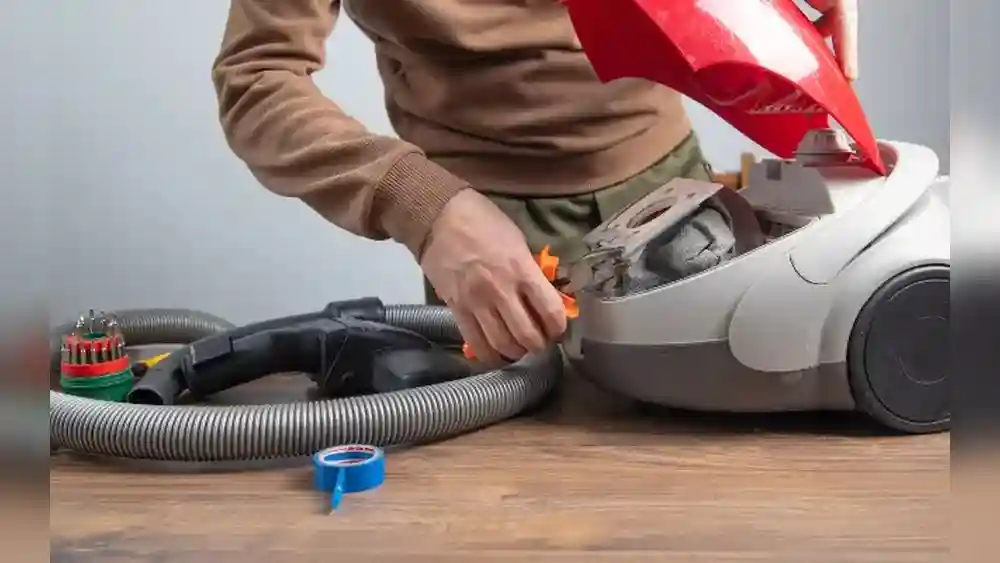
Use your scissors or seam ripper to carefully cut away hair and threads. Always cut along the length of the brush, not across it. Be gentle—don’t cut the bristles themselves.
- For tough tangles, use tweezers to pull out hair.
- Rotate the brush as you work to get every side.
- Remove debris from the ends of the brush roll and the side caps (these areas often collect the most hair).
Many Shark models have a groove along the brush roll to guide your scissors. If yours does, use it to avoid damaging the bristles.
Hidden insight: Most beginners miss cleaning the ends of the brush roll. This is where hair often builds up and causes the brush to stop spinning. Always check both ends and clear them fully.
4. Remove And Wash The Brush (if Removable)
Some Shark vacuums let you take out the brush roll for deeper cleaning.
- Check for a release button or screws at the ends of the brush.
- Gently pull the brush roll out.
- If it’s washable, rinse it in warm water with a little mild soap.
- Use your soft brush (like a toothbrush) to scrub away stuck dirt.
- Rinse thoroughly and let the brush dry completely before reinstalling. Never put a wet brush back in the vacuum.
If the brush roll is not removable, use your cloth and soft brush to clean it in place. Avoid soaking the area with water.
5. Clean The Brush Head Housing
Wipe the inside of the brush head with a damp cloth. Remove any dust, sand, or debris inside. If you see stubborn grime, use a soft brush and a little soap.
Also, check the air pathways and suction openings. Blockages here will reduce vacuum power. Use a brush or a stick to gently push out dirt.
6. Check And Clean The Side Caps
On many Shark vacuums, the side caps (the covers at the ends of the brush roll) can be removed. Hair and dirt often collect under them.
- Gently pry off the caps, or unscrew them if needed.
- Wipe them clean and remove any hair.
- Put them back carefully—don’t force them.
Non-obvious tip: Not all users realize that cleaning under the side caps is vital. If your brush roll stops spinning, it’s often because hair is jammed under these caps.
7. Dry All Parts Thoroughly
Never rush to put wet parts back in your vacuum. Let the brush roll, housing, and other parts air dry completely. This usually takes a few hours. Water in the vacuum can cause electrical damage or mold.
8. Reassemble The Brush Head
Once everything is dry:
- Place the brush roll back into its slot.
- Secure the side caps.
- Reattach the brush head cover, making sure it clicks or screws in tightly.
- Double-check that the brush spins freely.
9. Test The Vacuum
Plug in your Shark vacuum and turn it on. Watch and listen for normal spinning. If you hear odd noises or the brush doesn’t spin, turn off and check for leftover debris or misplaced parts.
10. Clean The Area
Dispose of all hair and debris properly. Wash your hands after cleaning.
Special Cleaning Tips For Different Shark Models
Shark makes many types of vacuums. Here’s how the cleaning process can change based on your model.
Shark Navigator
- The brush roll is often easy to remove with a release button.
- Some models have two brush rolls (one soft, one bristle). Clean both carefully.
- Navigator models often have a clear cover—clean this to keep it transparent.
Shark Rotator
- The brush roll may be fixed in place. Use scissors and a brush to clean it without removal.
- Rotator models often have LED lights near the brush head. Don’t get these wet.
Shark Rocket
- The brush head is smaller and easier to handle.
- Some Rocket models use a “DuoClean” system with two rollers.
- DuoClean rollers can be removed and washed separately.
Shark Apex
- Apex models have a self-cleaning brush roll. Even so, hair can build up on the ends.
- Check the instruction manual for special cleaning tips.
Shark Cordless & Handheld Models
- Remove the battery before cleaning.
- Parts are smaller, so use tweezers for tight spaces.
- Clean more often, as cordless vacuums can clog faster with hair.
Note: Always check your vacuum’s manual or the Shark website for specific instructions for your model. If you’ve lost your manual, you can find most versions online.
Troubleshooting Common Problems
Even after cleaning, you might face some issues. Here’s what they mean and what to do:
Brush Roll Not Spinning
Possible causes:
- Hair or string still wrapped around the ends
- Side caps not reattached correctly
- Brush roll not seated properly
- Faulty belt or motor (rare)
What to do: Double-check for hidden hair, reseat the brush roll, and make sure all parts are dry and in place. If the problem continues, contact Shark support.
Strange Noises
Possible causes:
- Debris stuck in the housing
- Loose parts after reassembly
- Worn-out bearings or side caps
What to do: Open the brush head again, remove any debris, and ensure everything is tight. If noise continues, parts may need replacement.
Bad Smells
Possible causes:
- Old hair or debris left inside
- Wet brush roll reinstalled too soon
What to do: Wash the brush again, let it dry fully, and consider using a little baking soda to remove odors.
Loss Of Suction
Possible causes:
- Blocked air pathway in the brush head
- Clogged filters elsewhere in the vacuum
- Incorrect assembly
What to do: Clean the air paths, check and clean filters, and make sure all parts fit tightly.
How To Keep The Brush Head Clean Longer
You can make cleaning easier and less frequent with a few smart habits:
- Pick up large debris (like string or pet toys) before vacuuming.
- Brush pets regularly to reduce hair on floors.
- Vacuum slowly—this lets the brush pick up more with each pass.
- Check for tangles after each use, especially if you have long hair or pets.
- Store your vacuum in a dry place to prevent mold on the brush roll.
Comparing Shark Brush Head Cleaning With Other Brands
How does cleaning a Shark vacuum brush head compare to other popular brands? Here’s a quick comparison:
| Brand | Brush Roll Removal | Self-Cleaning Feature | Cleaning Difficulty |
|---|---|---|---|
| Shark | Easy (most models) | Yes (Apex, Vertex) | Low to Medium |
| Dyson | Requires screwdriver | No | Medium |
| Bissell | Easy (some models) | No | Medium |
| Hoover | Varies by model | No | Medium to High |
Insight: Shark’s design makes it easier for beginners to maintain their vacuum. The self-cleaning brush roll is a unique feature found in some Shark models, reducing how often you need to deep clean.
Essential Maintenance Beyond The Brush Head
Cleaning the brush head is just one part of vacuum care. For best results, also:
- Empty the dustbin after every use
- Clean or replace the filters every 1-3 months (check your model)
- Wipe down the exterior to prevent dust buildup
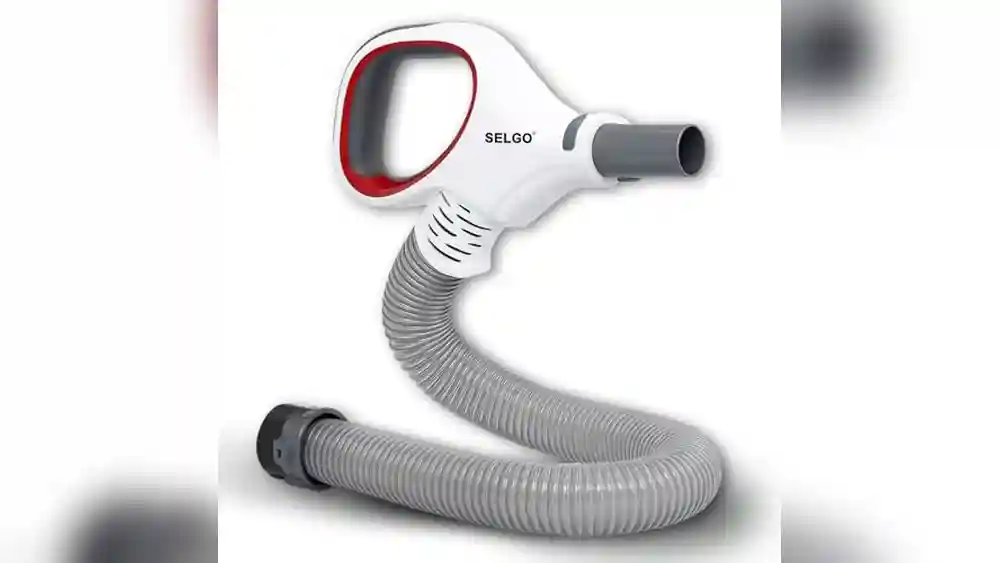
- Check hoses and attachments for clogs
A well-maintained vacuum works better, lasts longer, and keeps your home healthier.
Mistakes To Avoid When Cleaning The Brush Head
Even careful users can make mistakes. Here’s what to watch out for:
- Forgetting to unplug: Cleaning while the vacuum is plugged in is dangerous.
- Using too much water: Wet parts can damage the motor and cause mold.
- Not drying parts fully: Moisture inside the vacuum creates problems.
- Forcing parts: Never force the brush roll or side caps. If they’re stuck, check for hidden screws or latches.
- Ignoring the ends: Most hair hides at the ends of the brush roll—always check here.
- Skipping regular checks: Waiting until there’s a problem makes cleaning harder.
Signs Your Brush Head Needs Replacement
Sometimes, cleaning isn’t enough. Replace the brush head or brush roll if you notice:
- Bristles are worn down or missing
- Cracks or damage to the brush roll
- Persistent bad smells even after cleaning
- Brush roll won’t spin even when clear
Check Shark’s official site or your manual for part numbers and instructions on replacement.
Credit: www.amazon.com
Data: How Cleaning Impacts Shark Vacuum Performance
Keeping your brush head clean can make a big difference. Here’s what studies and user reports show:
| Condition | Suction Power | Brush Speed | Energy Use |
|---|---|---|---|
| Clean brush head | 100% | 100% | Normal |
| Moderately dirty brush head | 70-80% | 80% | Increased |
| Heavily clogged brush head | 40-50% | 50% | High |
This data shows that cleaning your brush head regularly can double your vacuum’s effectiveness. A clogged brush head can also use more electricity and strain the motor.
Real-world Example: Cleaning A Shark Navigator Brush Head
Let’s walk through a quick example with a Shark Navigator:
- Unplug the vacuum and lay it flat.
- Press the release button to remove the floor head.
- Use scissors to cut hair along the groove in the brush roll.
- Pull out the brush roll (it slides out easily).
- Wash the brush roll in warm, soapy water. Scrub with an old toothbrush.
- Wipe the housing with a damp cloth.
- Let all parts dry completely (about 2-3 hours).
- Reassemble the brush roll and snap the head back on.
- Plug in and test.
Result: The vacuum is quieter, picks up more dirt, and moves smoothly across the floor.
Extra Tips For Pet Owners
If you have pets, you know hair can be a big challenge. Here’s how to keep your Shark vacuum in top shape:
- Clean the brush head weekly, or even more often during shedding seasons.
- Use a rubber pet hair brush to collect hair from carpets before vacuuming.
- Empty the dustbin often to avoid clogs.
- Consider a Shark model with a self-cleaning brush roll.
Pet hair can quickly wrap around the brush roll, so regular maintenance is key.
When To Call For Professional Help
Most brush head cleaning can be done at home. But if you notice:
- Burning smells
- Broken or loose wires
- The brush roll still won’t spin after cleaning
Stop and contact Shark customer support or a qualified repair shop. Never try to fix electrical problems yourself.
Where To Find Replacement Parts And Manuals
If you need a new brush roll, side caps, or manual, check these sources:
- Shark’s official website
- Major retailers (Amazon, Walmart, Best Buy)
- Local vacuum repair shops
Always buy genuine Shark parts for the best fit and performance. Manuals are available for download on the Shark website.
Frequently Asked Questions
How Often Should I Clean The Brush Head On My Shark Vacuum?
It depends on your home. If you have pets or long hair, clean the brush head every 1-2 weeks. For regular use, once a month is enough. Always check if you notice less suction or see hair wrapped around the brush.
Can I Wash The Brush Roll In Water?
Many Shark brush rolls can be washed with water and mild soap. Always check your manual first. Let the brush roll dry completely before putting it back in your vacuum.
My Brush Roll Won’t Spin After Cleaning. What Should I Do?
Check for hidden hair or debris at the ends of the brush roll. Make sure all parts are dry and reassembled correctly. If the problem continues, contact Shark customer support.
Is It Safe To Use Scissors To Cut Hair Off The Brush Roll?
Yes, but be careful not to cut the bristles or damage the brush roll. Use the groove on the brush roll as a guide. A seam ripper or small knife can also help with tough tangles.
Where Can I Find A Manual Or Replacement Parts For My Shark Vacuum?
Visit the official Shark website for manuals and genuine parts. You can also find parts at major retailers and local vacuum shops. Always choose the parts that match your model.
For more information on vacuum maintenance and cleaning, visit the Consumer Reports website.
Taking a few minutes to clean your Shark vacuum brush head can make a big difference in your cleaning results. With these steps, your vacuum will last longer, work better, and keep your home fresher. A clean brush head isn’t just about looks—it’s about performance, safety, and saving money in the long run.

Credit: www.amazon.com