Swimming pools are a wonderful way to relax and have fun, but keeping them clean takes regular effort. One of the most important tools for pool maintenance is a pool vacuum. If you’ve ever wondered how to connect a pool vacuum to your pump correctly, you’re not alone. Many pool owners struggle with this process, leading to poor cleaning and even damage to equipment. This guide will walk you through every step in clear, simple language, so you can keep your pool sparkling without stress.
Why Connecting Your Pool Vacuum To The Pump Matters
The pool pump is the heart of your pool’s cleaning system. When you connect your vacuum to the pump, it creates suction that pulls dirt, leaves, and debris into the filter. If you do this incorrectly, you might waste time or even harm your pool equipment. A proper connection means efficient cleaning and a longer life for your pool gear. It also saves money because you avoid unnecessary repairs and keep water quality high.
Understanding Pool Vacuum Types
Before you connect anything, it’s important to know which type of pool vacuum you have. There are three main kinds:
- Manual vacuum: You move this vacuum around the pool yourself. It’s simple and affordable, but needs more effort.
- Automatic suction vacuum: This device moves on its own, powered by suction from your pump.
- Robotic vacuum: It runs independently, plugging into a power outlet, not the pump. (You don’t need to connect these to the pool pump.)
For this article, we’ll focus on manual and automatic suction vacuums. These are the types most people need to connect to their pump.
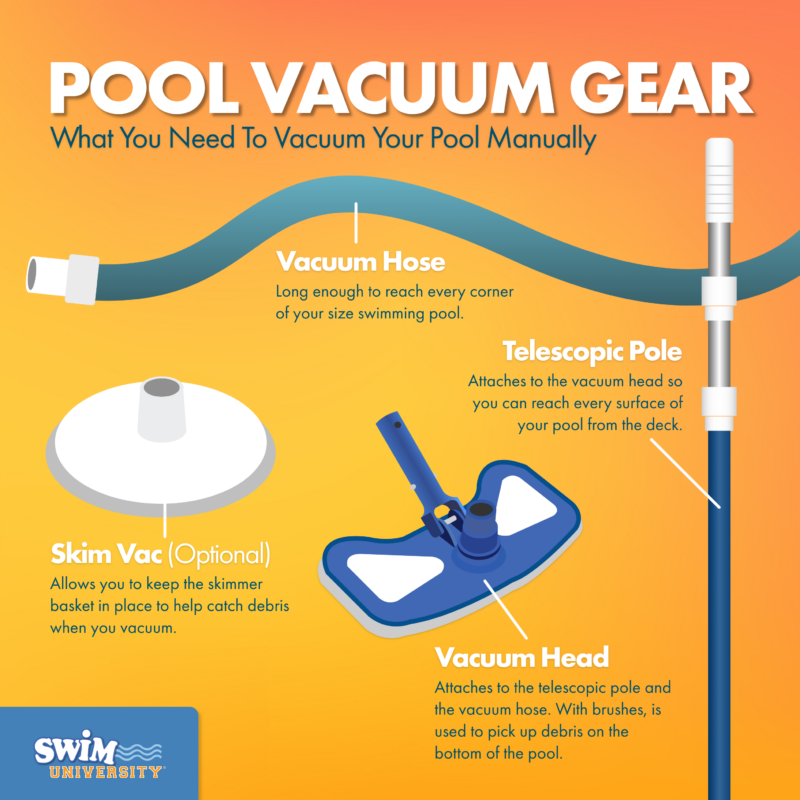
Credit: www.swimuniversity.com
Essential Equipment And Preparation
Before you start, gather these items:
- Vacuum head: Attaches to the pole and collects debris.
- Telescopic pole: Lets you reach all areas of the pool.
- Vacuum hose: Connects the vacuum head to the pump.
- Skimmer or suction port: Entry point for the hose.
- Pool pump: Provides suction.
You should also check:
- The hose is long enough for your pool.
- All parts are clean and in good condition.
- The pool water level is correct (about halfway up the skimmer opening).
If you’re missing any parts, your vacuum won’t work well.
Step-by-step Guide: Connecting Pool Vacuum To Pump
Let’s dive into the process. Each step is important for proper cleaning and safety.
Step 1: Assemble The Vacuum
Attach the vacuum head to the telescopic pole. Make sure it clicks firmly in place. Connect one end of the vacuum hose to the vacuum head. Push it in tightly so it won’t slip off underwater.
Step 2: Fill The Vacuum Hose With Water
This step is often missed by beginners. Air in the hose can cause the pump to lose suction or even stop working. To fill the hose:
- Hold the vacuum head under the water near a return jet.
- Place the hose end against the jet so water flows through.
- Wait until bubbles stop coming out the other end.
Now the hose is full of water and ready.
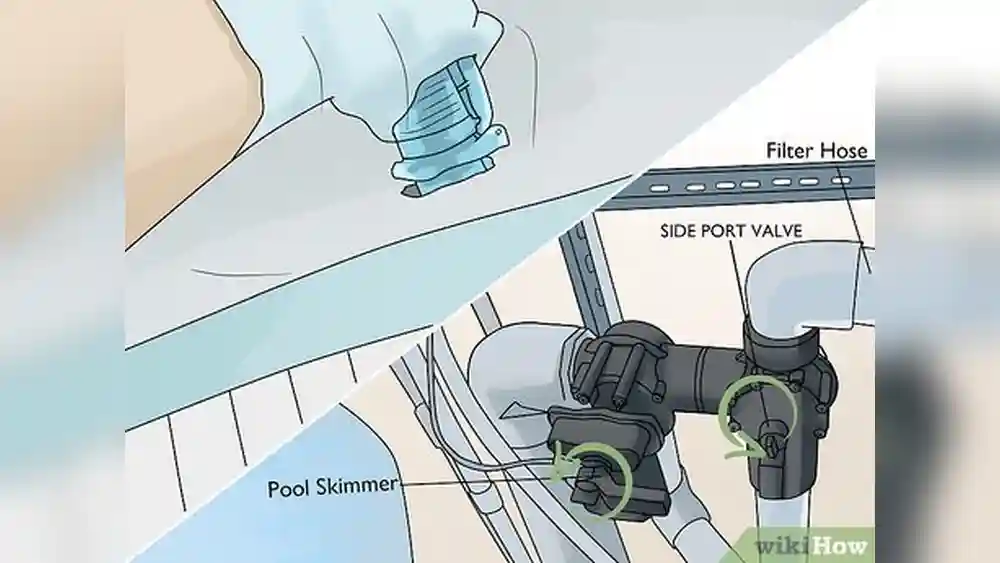
Step 3: Connect Hose To Skimmer Or Suction Port
Most pools have a skimmer. Some have a dedicated suction port. Here’s how to connect:
- Remove the skimmer basket.
- Insert the hose into the suction hole at the bottom of the skimmer.
- If your pool uses a vacuum plate, place it on top of the skimmer basket and connect the hose.
Some pools have a side suction port. In this case, connect the hose directly to the port. Make sure the connection is tight.
Step 4: Adjust Pump Settings
Set your pool pump to the correct speed. If you have a variable speed pump, use a medium to high setting. For single speed pumps, just turn it on. Make sure the pump is running before you vacuum.
Step 5: Begin Vacuuming
Move the vacuum head slowly across the pool floor. If you go too fast, you’ll stir up dirt instead of sucking it up. Overlap your paths for full coverage.
If suction drops, check for these issues:
- Air leaks in the hose
- Hose not fully underwater
- Skimmer basket clogged
Step 6: Finish And Disconnect
When you’re done:
- Turn off the pump.
- Remove the hose from the skimmer or suction port.
- Take out the vacuum head and pole.
- Clean the skimmer basket and filter.
Don’t leave the vacuum connected after finishing, as it can damage the pump or filter.
Common Mistakes To Avoid
Even experienced pool owners can make errors. Here are some mistakes that can cause trouble:
- Leaving air in the hose: Always prime the hose with water before connecting.
- Forgetting to remove the skimmer basket: This blocks suction and reduces cleaning power.
- Vacuuming with low water level: The pump can suck air, risking damage.
- Using a damaged hose: Small cracks let in air and reduce suction.
- Ignoring clogged filters: Dirty filters make vacuuming slow and ineffective.
If you avoid these issues, your pool vacuum will work much better.
Choosing The Right Pool Vacuum Hose
Not all hoses are equal. The right hose makes vacuuming easier and safer. Here’s a quick comparison:
| Feature | Standard Hose | Heavy-Duty Hose |
|---|---|---|
| Length | 20-30 ft | 30-50 ft |
| Flexibility | Moderate | High |
| Durability | 1-2 years | 3-5 years |
| Price | $20-$40 | $40-$80 |
A hose that’s too short won’t reach all areas. One that’s too long can be hard to control. Measure your pool before buying.
Pool Pump Types And Compatibility
Your pool vacuum needs a pump with enough suction. Pumps come in three main types:
| Pump Type | Speed | Best For | Energy Use |
|---|---|---|---|
| Single Speed | One fixed speed | Small pools | High |
| Dual Speed | Low and high | Medium pools | Medium |
| Variable Speed | Adjustable | Large pools | Low |
Variable speed pumps are more efficient and quieter. They also allow you to fine-tune suction for vacuuming. If your pump is old or weak, your vacuum may not work well.
Practical Tips For Better Pool Vacuuming
Here are some proven tips for connecting and using your pool vacuum:
- Check seals and O-rings: Air leaks can ruin suction. Inspect and replace worn parts.
- Don’t vacuum large debris: Pick up big leaves and sticks by hand first. Vacuums can clog.
- Vacuum after brushing: Brush pool walls and steps before vacuuming. This loosens dirt.
- Clean filter often: After vacuuming, backwash or rinse your filter for best results.
- Store hose straight: Don’t coil the hose tightly. Kinks can reduce suction and cause cracks.
Many beginners skip brushing, but it helps the vacuum collect more dirt. Also, always vacuum slowly for the best cleaning.

Credit: www.youtube.com
Troubleshooting Pool Vacuum Problems
Sometimes, even when you follow steps carefully, the vacuum doesn’t work as expected. Here’s how to fix common issues:
- Suction too low: Check for air leaks, clogged filters, or pump problems.
- Vacuum head floats: Make sure the hose is full of water and the head is heavy enough.
- Pump loses prime: Keep water level high and avoid sucking air.
- Hose kinks or collapses: Replace old hoses and avoid tight bends.
If your vacuum won’t work at all, test the pump separately. If it’s weak, consider upgrading. For more advanced troubleshooting, check the manufacturer’s guide or visit a professional pool website, such as SwimmingPool.com.
How Pool Vacuum Connection Impacts Water Quality
Connecting your pool vacuum correctly doesn’t just clean the pool—it also improves water quality. Cleaner water means fewer algae and bacteria, making swimming safer. Most pool owners notice clearer water after regular vacuuming. According to the Centers for Disease Control (CDC), proper pool cleaning reduces the risk of illness by up to 60% compared to neglected pools.
A well-connected vacuum also helps reduce chemical usage. You won’t need as much chlorine or algaecide if your pool is free of debris.

Credit: www.wikihow.com
Differences Between Manual And Automatic Vacuums
If you’re deciding between manual and automatic vacuums, here’s a quick comparison:
| Vacuum Type | Connection Method | Ease of Use | Cleaning Coverage |
|---|---|---|---|
| Manual | Connect hose to pump/skimmer | Requires effort | Full control |
| Automatic Suction | Connect hose to pump/skimmer | Easy, less effort | Good, misses spots sometimes |
| Robotic | No pump connection needed | Very easy | Excellent |
Manual vacuums give you full control, but automatic models save time. For most homes, suction vacuums are a good balance between cost and convenience.
Frequently Asked Questions
How Often Should I Vacuum My Pool?
Vacuum your pool at least once a week during swimming season. If you get a lot of leaves or debris, you may need to vacuum more often.
Can I Use Any Hose With My Pool Vacuum?
No. Use a pool vacuum hose designed for your pool’s size and pump type. Standard garden hoses don’t fit or work properly.
Why Does My Pool Vacuum Lose Suction?
Common reasons include air leaks, clogged filters, or low water levels. Check hose connections and clean your filter regularly.
Is It Safe To Vacuum With Swimmers In The Pool?
No. Always vacuum when the pool is empty. The hose and vacuum head can be dangerous for swimmers, especially children.
What Should I Do If My Vacuum Hose Floats?
If the hose floats, it’s usually because it’s not full of water. Prime the hose by holding it against a return jet before connecting to the skimmer.
Keeping your pool clean is easier when you know how to connect your vacuum correctly. With the right steps and a little attention, you’ll enjoy clear water and fewer headaches. Remember, the key is to avoid air leaks and use the right equipment. If you’re unsure about any step, don’t hesitate to ask a local pool expert or check official guides like SwimmingPool.com. Happy swimming!