Absolutely! Here’s a detailed, publication-ready comparison article of the Shark Ion Robot 750 and Roomba 635, with in-depth explanations, examples, and practical advice, written in a friendly mentor style.
---
Comparing the Shark Ion Robot 750 and Roomba 635: An In-Depth Guide
Choosing the right robot vacuum for your home can be confusing. Both the Shark Ion Robot 750 and the Roomba 635 are popular options, but they are actually quite different in how they work, what features they offer, and how they fit different lifestyles.
If you want a robot vacuum that truly matches your needs, it’s important to look beyond the marketing and understand what each model can and cannot do.
This guide will walk you through every important detail—how they clean, smart features, battery life, maintenance, and real-life pros and cons. If you are a first-time buyer, or you want to upgrade your old robot vacuum, you’ll find insights and practical tips here that most reviews miss.
Let’s help you make an informed choice.
Design And Build Quality
The Shark Ion Robot 750 and Roomba 635 may look similar at first glance, but their designs serve different purposes.
The Shark Ion Robot 750 has a slimmer profile (around 2. 6 inches high), so it slips more easily under furniture like sofas and beds. The top is sleek, with a touch control panel and a clear “clean” button. The body feels solid but lightweight, with a bumper that’s soft enough to avoid damaging your walls or furniture.
The Roomba 635 is a bit taller (about 3. 6 inches), which means it might not fit under all low furniture. Its top is simple, with a large “clean” button and manual controls. The finish is more utilitarian, focusing on function over style.
Roomba’s shell is known for being tough—it can take bumps and keep running. The larger height also allows for a slightly larger dust bin inside.
Practical insight: If you have many low couches or beds, the Shark’s lower height is a real advantage. But if your home has mostly high furniture, the Roomba’s durability might be more valuable.
Suction Power And Cleaning Performance
Suction power is one of the most important factors in any vacuum. But robot vacuums use different cleaning systems, so you need to look at more than just numbers.
The Shark Ion Robot 750 uses a brushroll combined with two side brushes. Its suction is strong enough for daily dust, pet hair, and crumbs on hardwood and thin carpets. On medium-pile carpets, it performs well but may sometimes leave heavier debris.
The brushroll does a good job at untangling pet hair, which is useful if you have shedding animals.
The Roomba 635 uses a single brushroll and one side brush. Its suction is slightly less powerful than the Shark, but its brush design is excellent at picking up small particles and pet hair from both hardwood and low-pile carpets.
Roomba’s cleaning pattern is more “random,” so it may take longer but usually covers the area well.
Example: If you have pets that shed a lot, both robots can help. But the Shark tends to need less cleaning of tangled hair, while the Roomba may need you to cut hair off the brush more often.
Dealing With Corners And Edges
Robot vacuums struggle with corners. The Shark’s two side brushes give it a small edge in sweeping debris away from edges into the main suction path. Roomba’s single side brush is still good, but sometimes leaves a bit behind in tight corners.
Tip: For really clean corners, you’ll still need to use a hand vacuum once in a while, but the Shark will reduce how often you need to do this.
Handling Different Floor Types
Both models are safe for hardwood, tile, laminate, and low-pile carpet. However, the Shark can sometimes struggle with deep pile or shaggy rugs, while the Roomba’s stronger “climb” lets it transition over thicker rugs, though it may not clean them deeply.
Example: If you have thick rugs or transitions between rooms with different floor heights, the Roomba is less likely to get stuck.
Credit: www.walmart.com
Smart Features And Controls
Here is where the Shark Ion Robot 750 really stands out. It’s Wi-Fi enabled, which means you can control it from your phone (using the SharkClean app) or even with voice commands through Alexa or Google Assistant. You can schedule cleanings, start or stop the robot, and see cleaning history—all without touching the vacuum.
The Roomba 635 is a “classic” robot vacuum. It does not connect to Wi-Fi, so you control it using the physical buttons on top. You can schedule basic cleaning times if you buy a separate accessory, but there is no app, mapping, or smart home integration.
Non-obvious insight: If you travel or are often out of the house, the Shark’s app control is more than just a cool feature—it means you can start a cleaning even when you’re not home, or stop the robot if you forgot to pick up something valuable off the floor.
But beware: Wi-Fi features require a stable internet connection. If your Wi-Fi is spotty or your phone often loses connection, the smart features might not work as smoothly as you hope.
Navigation And Mapping
Both robots use basic sensors to navigate. The Shark Ion Robot 750 uses infrared sensors to detect obstacles and stairs, so it won’t fall or crash hard into walls. It moves in a somewhat random pattern, but its sensors help it avoid getting stuck as often.
The Roomba 635 uses a similar set of sensors. Its navigation is famous for being “bouncy”—it bumps into things gently, then changes direction. Over time, it covers most of the room, but the pattern is not as systematic as more expensive models.
Neither model builds a map of your home, so you can’t use “no-go” zones or room-specific cleaning. If you want the robot to avoid an area, the Shark comes with “BotBoundary” strips—magnetic strips you put on the floor that the robot will not cross.
The Roomba 635 does not come with virtual walls, but you can buy them separately.
Practical tip: If you have areas with many cords or delicate objects, the Shark’s boundary strips can help protect them. But both robots work best in uncluttered, open rooms.
Battery Life And Charging
Robot vacuums need enough battery to clean your whole space. The Shark Ion Robot 750 runs for about 60–70 minutes on a full charge. If it runs low on battery, it will return to its charging dock automatically, but it does not remember where it left off—you must manually restart it if the cleaning is not finished.
The Roomba 635 runs for about 90 minutes, which is longer than the Shark. It also returns to its dock when it’s low on battery, but like the Shark, it does not resume cleaning where it stopped.
Non-obvious insight: Battery life sounds important, but for small or medium homes, 60–90 minutes is enough. Where you really notice the difference is in bigger homes—if you want the entire house cleaned at once, Roomba’s longer battery is better. For apartments or single rooms, both are fine.
Charging Time
Both robots take about 2–3 hours to fully recharge. If you run them daily, you rarely have to think about charging. Just leave the dock plugged in, and the robot will park itself when finished.
Dust Bin Size And Maintenance
The Shark Ion Robot 750 has a dust bin capacity of about 0. 45 liters. The Roomba 635’s bin holds about 0. 6 liters—a bit more, which means fewer trips to the trash can.
Maintenance tasks for both:
- Empty the dust bin after every few runs (or after every run if you have pets).
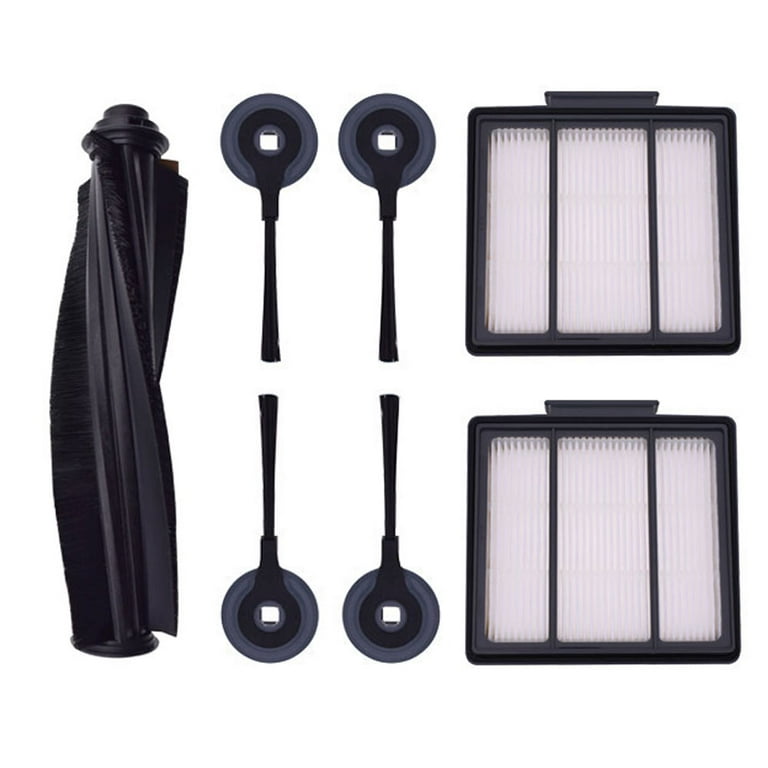
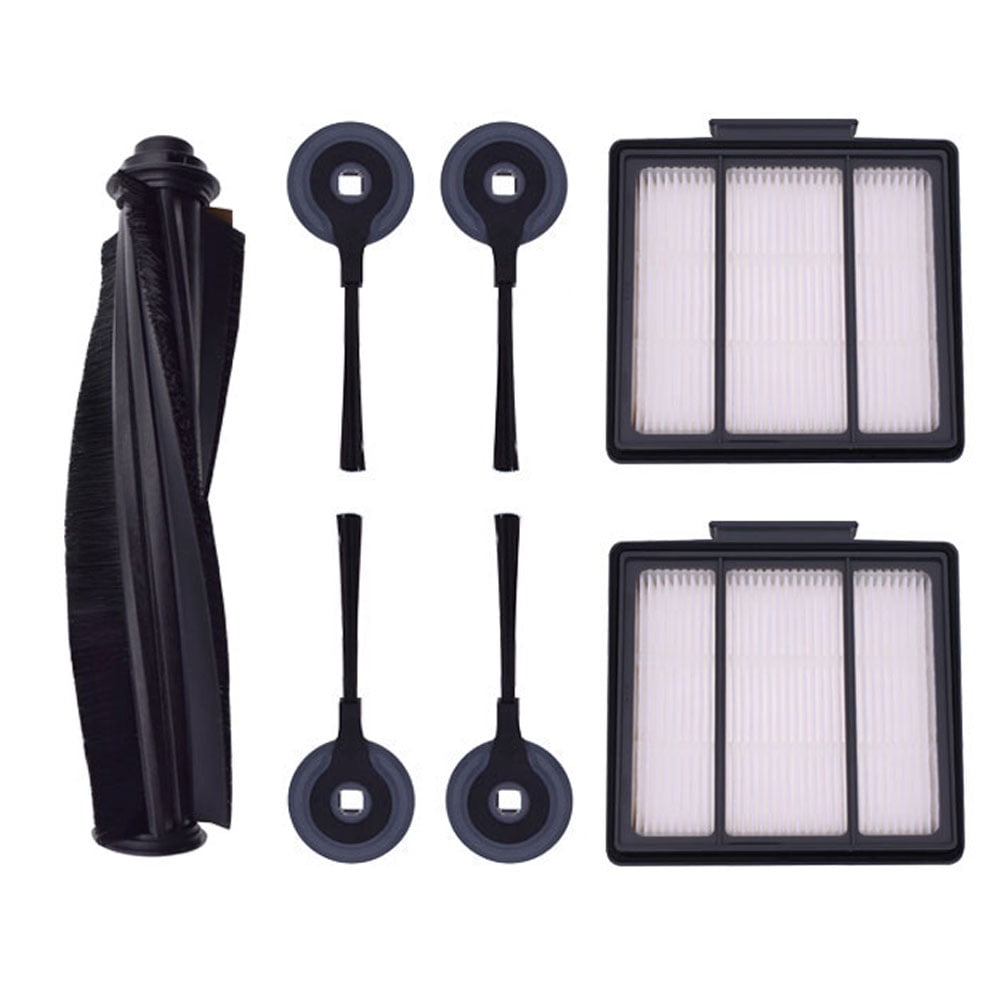
- Clean the brushrolls and side brushes weekly, or more often if you have long hair or pets.
- Check and clean the filters every month. Replace them every 2–3 months for best performance.
Example: If you have two dogs that shed a lot, you’ll need to empty the Shark’s smaller bin more often. But for most apartments or homes with no pets, the difference is not huge.
Filter Type
Both robots use basic filters. The Shark’s filter is easy to wash and reuse, while the Roomba’s filter is replaceable but not washable. Neither uses a HEPA filter, so if you have allergies, you’ll still need a regular vacuum for deep cleaning.
Tip: Keeping filters clean extends the robot’s life and keeps suction strong. Set a reminder to clean them monthly.
Noise Level
Robot vacuums are quieter than most traditional vacuums, but they are not silent.
- The Shark Ion Robot 750 is about 62–65 decibels—a bit louder than a normal conversation, but quiet enough to run during the day without disturbing most people.
- The Roomba 635 is a bit louder (65–68 decibels). Some users say it sounds a bit “clunky,” but it’s not overwhelming.
Tip: If you work from home and need quiet, run the vacuum while you’re out or in another room. For pet owners, try running it during walks, so your pets are not stressed by the noise.
Special Features
Here’s where the Shark Ion Robot 750 pulls ahead for tech fans. Besides Wi-Fi and app control, it works with Alexa and Google Home. You can say, “Alexa, ask Shark to start cleaning,” and it will start. The app also lets you schedule cleanings for any day and time.
The Roomba 635 does not have smart features, but it has a reputation for being simple and reliable. Some people actually prefer the “set it and forget it” style—less to break, fewer settings to worry about.
Non-obvious insight: High-tech features are exciting, but they add complexity. If you want a vacuum that just works every time you press a button, Roomba’s simplicity is an advantage.
Price And Value
Prices for both robots can change depending on sales, but as of now:
- The Shark Ion Robot 750 usually costs a bit more than the Roomba 635 because of its smart features.
- The Roomba 635 is more affordable, making it a good choice for people who want basic, reliable cleaning without extra bells and whistles.
Example: If you’re buying your first robot vacuum or shopping on a budget, the Roomba is a safe bet. If you want to control your vacuum from your phone or voice, the Shark is worth the extra money.
Real-world Use Cases
To help you decide, here’s how each robot fits into common home situations.
For Pet Owners
Both robots handle pet hair well, but the Shark’s brushroll is less likely to get tangled. However, the Roomba’s larger bin means you may empty it less often. For homes with multiple pets, plan to do more maintenance with both robots.
For Busy Professionals
If you are rarely home, the Shark’s app lets you schedule or start cleaning from anywhere. The Roomba needs you to press the button or buy an extra accessory for scheduling.
For Seniors Or Tech-phobic Users
The Roomba’s simple one-button operation is easier for people who don’t want to deal with apps or Wi-Fi. The Shark’s tech features can be confusing if you don’t use smart devices already.
For Families
Both robots help keep floors clean between deeper cleans. The Shark’s boundary strips let you block off play areas or messy rooms. Roomba’s simplicity means kids or elderly family members can use it easily.
Long-term Reliability
Both Shark and iRobot (the maker of Roomba) are respected brands. Most owners report years of use with simple maintenance. Replacement parts (brushes, filters, batteries) are easy to find online.
Non-obvious insight: With any robot vacuum, the most common problem is not the motor—it’s hair or debris wrapped around the wheels or brushes. Regular cleaning prevents 90% of breakdowns.
What’s Missing: Advanced Features
Neither the Shark Ion Robot 750 nor Roomba 635 offers advanced mapping, cleaning reports, or “spot cleaning” you find in high-end models. If you want a robot that learns your home’s layout or avoids specific objects, you’ll need to spend more.
Example: For most apartments or small homes, these features are not essential. But if you want to clean only the kitchen or avoid pet food bowls, a more advanced model might be worth it.
Credit: www.walmart.com
Common Mistakes When Buying
- Ignoring furniture height: If your furniture is low, check the robot’s height before buying.
- Expecting deep carpet cleaning: No robot vacuum can match an upright vacuum on thick carpets.
- Forgetting about Wi-Fi setup: Smart features need a good wireless connection and a compatible phone.
- Not planning for maintenance: All robots need their brushes and bins cleaned regularly.
- Overestimating coverage: Robots can’t clean stairs or very cluttered spaces.
Which Is Best For You?
- Choose the Shark Ion Robot 750 if:
- You want to control your robot with your phone or voice.
- You have a mix of floor types and want easy maintenance.
- You need to block off certain areas with boundary strips.
- You prefer a slimmer robot for low furniture.
- Choose the Roomba 635 if:
- You want a simple, reliable robot with no app or Wi-Fi needed.
- You have mostly hard floors or low-pile carpets.
- You want a larger dust bin.
- You’re on a tighter budget.

Credit: www.amazon.com.be
Final Thoughts
Both the Shark Ion Robot 750 and Roomba 635 are proven, effective robot vacuums for daily floor cleaning. The right choice depends on your lifestyle—do you want smart features, or simplicity? Do you have pets, or just basic dust and crumbs?
Remember, no robot vacuum replaces a deep clean. But for most homes, these models save time and keep your floors tidy with very little effort.
If you want to learn more about robot vacuums, the Consumer Reports guide to robot vacuums is a trusted resource.
By thinking about your space and habits, you can pick the robot that will truly make life easier—not just add more gadgets to your home.