
Vacuum cleaners are everywhere today, from homes to offices and even cars. Many people rely on them for daily cleaning tasks, but not everyone knows their real strengths and weaknesses. Are vacuum cleaners always the best choice? Can they really save time and effort, or are there hidden drawbacks? This article explores both the advantages and disadvantages of vacuum cleaners in detail. Whether you’re thinking about buying your first machine or just want to understand more, you’ll find practical insights, examples, and even some surprising facts that most beginners overlook.
The Main Advantages Of Vacuum Cleaners
Vacuum cleaners have become popular because they offer several benefits over traditional cleaning methods. Let’s look at these advantages in detail.
1. Time-saving
One of the biggest reasons people choose a vacuum cleaner is to save time. Sweeping and dusting by hand can take a long time, especially in large spaces. With a vacuum cleaner, you can clean a room in minutes. For example, cleaning a 20-square-meter room with a broom may take 20–30 minutes.
A good vacuum cleaner can do the same job in less than 10 minutes.
Even more, modern vacuums often have attachments for different surfaces, so you don’t need separate tools for carpets, tiles, and sofas. This time efficiency is especially valuable for busy families and offices.
2. Better Cleaning Quality
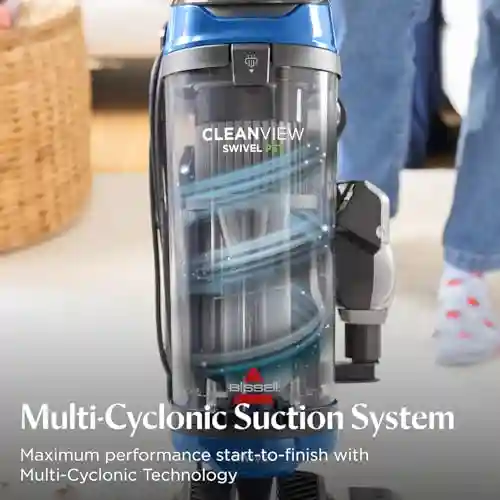
Vacuum cleaners can remove tiny particles like dust, pollen, and pet hair that are hard to catch with a broom or cloth. Many models use HEPA filters that trap allergens, making the air cleaner. This is important for people with allergies or asthma.
Consider this: a broom just pushes dust around, but a vacuum actually sucks it up and removes it from the area. Studies show that homes with vacuum cleaners usually have lower dust levels and fewer allergens.
3. Easy To Use
Operating a vacuum cleaner is simple. Most models only require you to plug in, turn on, and move over the surface. Even children or elderly people can use them with a little training. Some robotic vacuums work automatically, cleaning your house with the push of a button.
This user-friendly design makes vacuum cleaners accessible to nearly everyone, including those with mobility issues.
4. Versatile Cleaning
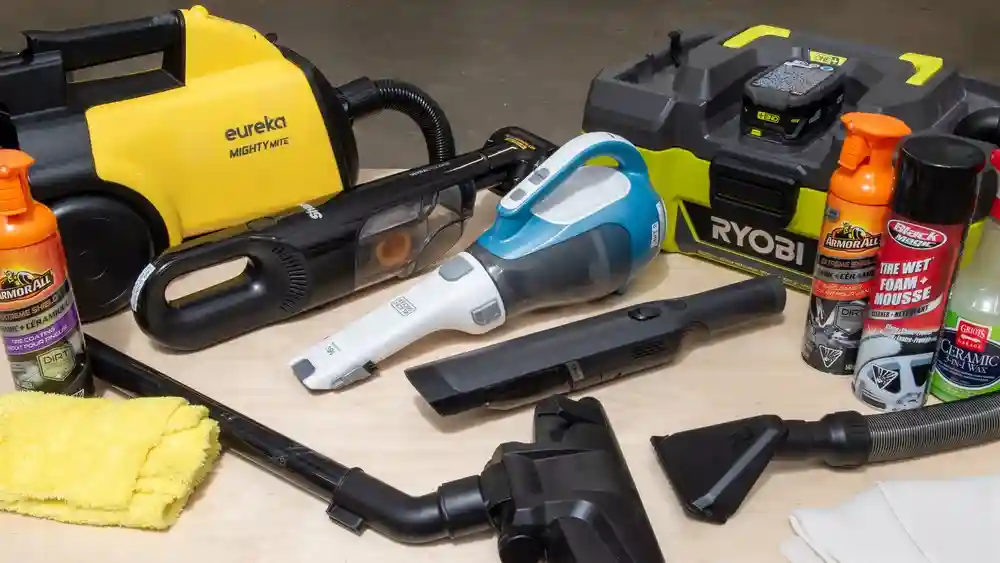
Vacuum cleaners are not just for floors. You can use them on carpets, rugs, curtains, upholstery, mattresses, and even car interiors. Many come with special attachments for corners, stairs, and delicate surfaces.
For example, the crevice tool can reach tight spots behind furniture. The upholstery brush is perfect for sofas and chairs. This versatility is a major advantage over traditional sweeping, which usually works for floors only.
5. Health Benefits
Cleaner homes mean healthier living. Vacuuming removes dust mites, bacteria, and mold spores. These are common causes of allergies and respiratory problems. In areas with high pollution or pollen, using a vacuum regularly can reduce symptoms.
Some people don’t realize that vacuums also cut down on pet dander, which is a leading trigger for allergies. Regular vacuuming makes a big difference for families with pets.
6. Increased Efficiency
Modern vacuum cleaners are designed for maximum efficiency. Many models have powerful motors, adjustable settings, and smart sensors. These features allow you to clean deeply and quickly.
Robotic vacuums, for example, map your home and clean every corner without missing spots. This level of efficiency is hard to achieve with manual cleaning.
7. Reduced Physical Effort
Sweeping or mopping can be physically demanding. Vacuum cleaners require much less effort. You don’t have to bend, kneel, or scrub hard. This is helpful for people with back pain, arthritis, or other health issues.
Even heavy-duty vacuum models are built with wheels and handles for easy movement. Some are lightweight and easy to carry upstairs.
8. Convenience
Vacuum cleaners are convenient because they store dust in bags or containers. You don’t need to pick up and dispose of dust every few minutes. Emptying the container is usually simple and hygienic.
Also, vacuums are ready to use at any time. There’s no need to gather separate tools or sweep several times a day.
9. Advanced Features
Many vacuum cleaners now come with advanced features. Examples include:
- Automatic shut-off when full
- Adjustable suction power
- Noise reduction technology
- Wi-Fi connectivity for robotic vacuums
These features make cleaning more comfortable and precise. For instance, you can schedule a robot vacuum to clean while you’re out, or adjust suction for delicate rugs.
10. Suitable For Large Areas
Cleaning large spaces is much easier with a vacuum. Offices, hotels, and schools rely on them for quick cleaning. Even at home, vacuums cover more ground faster than a broom.
In big buildings, commercial vacuum cleaners can clean hundreds of square meters in a short time. This scale is impossible with manual tools.
11. Cost-effective Over Time
While vacuum cleaners can be expensive at first, they save money in the long run. You spend less on cleaning supplies, and your furniture and carpets last longer because dust and dirt don’t build up.
Some people don’t realize that regular vacuuming also prevents stains and damage, so you avoid costly repairs or replacements.
12. Customization
With so many models and attachments, you can choose a vacuum cleaner that fits your exact needs. Whether you have pets, allergies, or specific floor types, there’s a solution for every situation.
Even basic models now offer multiple settings and tools for different surfaces.
13. Environmental Benefits
Some vacuum cleaners use energy-efficient motors and reusable filters. They produce less waste than disposable cleaning products. Also, less dust means less need for harsh chemicals.
Eco-friendly models are becoming popular, helping people reduce their environmental impact.
14. Noise Management
Older vacuums were noisy, but new models are much quieter. Some operate at less than 70 decibels, which is about as loud as a conversation. This is important for apartments or homes with small children.
Quieter machines allow you to clean without disturbing others.
15. Prevention Of Pest Infestation
Vacuuming regularly removes crumbs and debris that attract pests like ants and cockroaches. This is a simple but effective way to keep your home pest-free.
Many people don’t realize that cleaning with a vacuum is one of the best ways to prevent infestations.
16. Easy Maintenance
Vacuum cleaners are easier to maintain than many other appliances. Most require only basic cleaning and bag or filter changes. Some have self-cleaning features.
If used and maintained properly, vacuum cleaners can last for many years.
17. Adaptability To Modern Living
As homes become more complex, with carpets, layered floors, and more electronics, vacuum cleaners adapt quickly. New models are designed for smart homes and can be integrated with other devices.
This adaptability makes them suitable for modern lifestyles.
18. Data And Automation
Some robotic vacuums collect data about your home and cleaning habits. This helps them improve efficiency and save energy. Automation allows you to schedule cleaning, monitor progress, and control devices remotely.
For tech-savvy users, these features make cleaning simpler and smarter.
19. Safety
Vacuum cleaners remove small items and debris that could cause slips or injuries. This is especially important in homes with children or elderly people.
By reducing clutter and hazards, vacuums contribute to a safer environment.
20. Improved Aesthetics
Clean floors and carpets improve the look of your home. Regular vacuuming keeps surfaces bright and fresh. It also prevents fading and wear caused by dust and dirt.
A well-maintained home is more attractive and comfortable for everyone.
The Main Disadvantages Of Vacuum Cleaners
Vacuum cleaners are not perfect. They have several drawbacks that users should consider before buying. Let’s examine these disadvantages in depth.
1. High Initial Cost
Good vacuum cleaners can be expensive. Prices for quality models range from $100 to over $1,000. For families on a tight budget, this upfront cost can be a challenge.
Even basic models may be more costly than manual cleaning tools. Some people underestimate the price, especially when looking for advanced features.
2. Maintenance Requirements
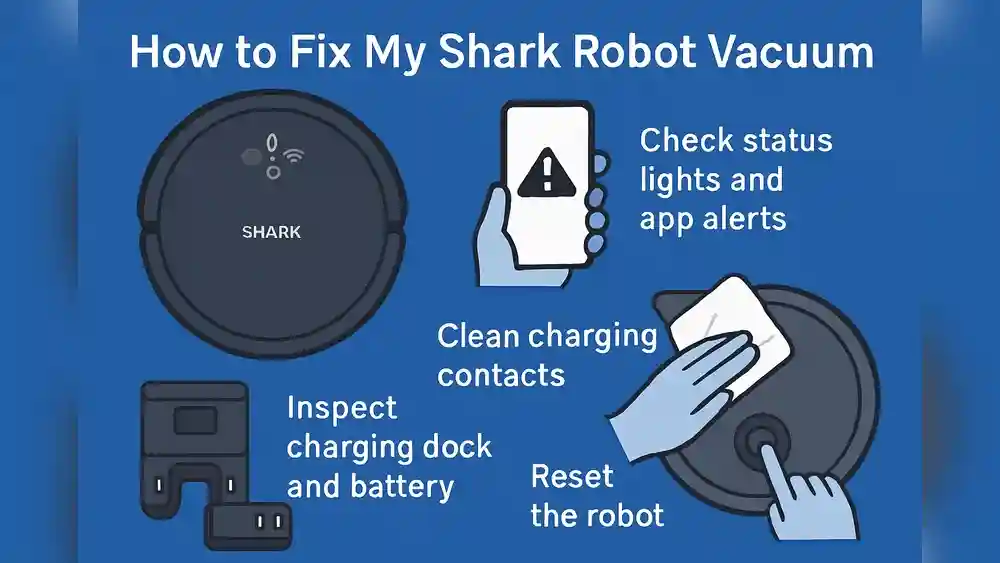
Vacuum cleaners need regular maintenance. Bags or containers must be emptied, filters cleaned or replaced, and parts checked for wear. Neglecting maintenance can reduce performance or cause breakdowns.
For example, a clogged filter can lower suction and spread dust. Many beginners forget these tasks, leading to dirty homes or costly repairs.
3. Noise Levels
Despite improvements, some vacuum cleaners are still noisy. High-powered models can reach 80–90 decibels, which is uncomfortable for many people.
Noise can disturb children, pets, or neighbors. In some cases, cleaning is not possible during certain hours because of noise.
4. Electricity Consumption
Vacuum cleaners use electricity. Powerful machines can consume 1,000–2,000 watts per hour. Frequent use increases your energy bill.
Some users overlook this cost, especially when switching from manual cleaning. Energy efficiency varies between models, so it’s important to check before buying.
5. Limited Mobility
Vacuum cleaners can be heavy and bulky. Large models are difficult to carry upstairs or move between rooms. Wires and hoses can get tangled or cause tripping.
Robotic vacuums may get stuck on obstacles or fail to clean certain areas. People with small or crowded homes may find vacuums less practical.
6. Not Always Effective On All Surfaces
Vacuums work well on most surfaces, but struggle with some. Thick carpets, uneven floors, or delicate materials may not be cleaned properly.
For example, certain models can damage soft rugs or fail to pick up large debris. You may still need manual cleaning for tough spots.
7. Storage Problems
Vacuum cleaners need space for storage. Large models, especially commercial ones, can take up a lot of room. Apartments or small homes may lack the needed space.
Storing attachments and hoses can also be a challenge. Some people find it hard to keep everything organized.
8. Repairs And Replacement Parts
If a vacuum cleaner breaks, repairs can be expensive and time-consuming. Replacement parts may not be easily available, especially for older models.
Some brands have limited service centers. This inconvenience can lead to longer downtime and frustration.
9. Environmental Concerns
Vacuum cleaners contribute to electronic waste. Old machines, filters, and bags often end up in landfills. Manufacturing and disposal can harm the environment.
Eco-friendly models help, but many people still use traditional machines. This impact is often overlooked.
10. Dependency On Power
Vacuums need electricity to work. During power outages, cleaning is not possible. Cordless models require charging, and batteries may run out quickly.
Manual cleaning tools do not have this limitation, making them more reliable in emergencies.
11. Possibility Of Spreading Dust
If not maintained properly, vacuum cleaners can actually spread dust. Dirty filters or leaking bags release particles back into the air.
Some older models lack proper sealing, making them less effective for allergy control.
12. Technical Complexity
Modern vacuum cleaners have many features and settings. This can be confusing for beginners. Understanding how to use attachments, change filters, or set up automation takes time.
People who are not comfortable with technology may find advanced vacuums difficult to use.
13. Difficulties With Pet Hair
Some vacuums claim to remove pet hair, but not all do a good job. Hair can clog filters and reduce suction. Specialized models are needed for homes with many pets.
This is a common mistake—buying a standard vacuum without considering pet needs.
14. Risk Of Damaging Furniture Or Floors
Strong suction or rough attachments can scratch floors or damage furniture. Using the wrong tool or setting may cause costly repairs.
It’s important to read instructions and test on small areas first.
15. Not Suitable For Outdoor Cleaning
Vacuums are designed for indoor use. They don’t work well on outdoor surfaces like patios, driveways, or garden paths. You’ll still need manual tools for these areas.
Some people buy vacuums expecting them to clean everything, but this is not realistic.
16. Weight And Handling
Some models are heavy and hard to move. Elderly users or those with disabilities may struggle with lifting or pushing.
Lightweight models help, but often have less power or fewer features.
17. Cost Of Accessories
Attachments, bags, filters, and other accessories can add to the cost. Some brands require special or branded parts, which are expensive.
These ongoing expenses are often underestimated by new buyers.
18. Cleaning Hard-to-reach Areas
Even with attachments, vacuums may miss corners, edges, or tight spots. Manual cleaning is still needed for perfect results.
Robotic vacuums sometimes ignore under furniture or certain zones, leaving dirt behind.
19. Allergic Reactions
Ironically, using a vacuum can trigger allergies if the machine is old or dirty. Dust escapes from poorly maintained filters.
Regular cleaning is essential, but beginners often forget this step.
20. Short Lifespan For Cheap Models
Inexpensive vacuum cleaners may last only a few years. Motors wear out, parts break, or performance drops. Investing in quality pays off, but many people buy cheap models and regret it.
Choosing wisely is important for long-term satisfaction.
Data Comparison: Vacuum Cleaner Vs Traditional Cleaning
To understand the real impact, let’s compare vacuum cleaners and manual tools using real data.
| Aspect | Vacuum Cleaner | Manual Cleaning |
|---|---|---|
| Time per 20 m² | 10 min | 25 min |
| Dust Removal (%) | 95% | 70% |
| Physical Effort | Low | High |
| Noise Level | 60–90 dB | 10–20 dB |
| Cost (per year) | $80–$200 | $40–$80 |
This comparison shows that vacuum cleaners are faster and more effective, but cost more and produce more noise.
Types Of Vacuum Cleaners And Their Pros & Cons
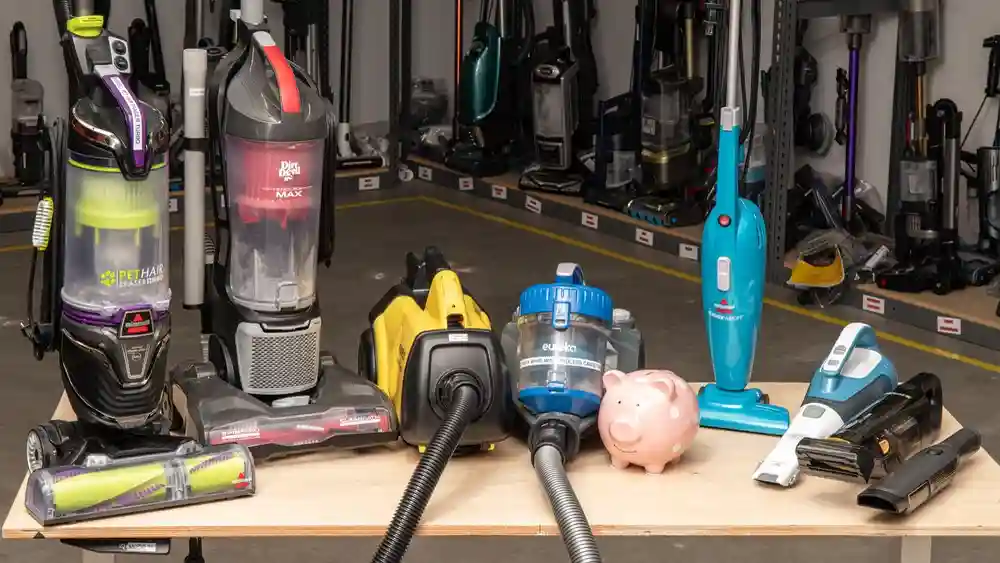
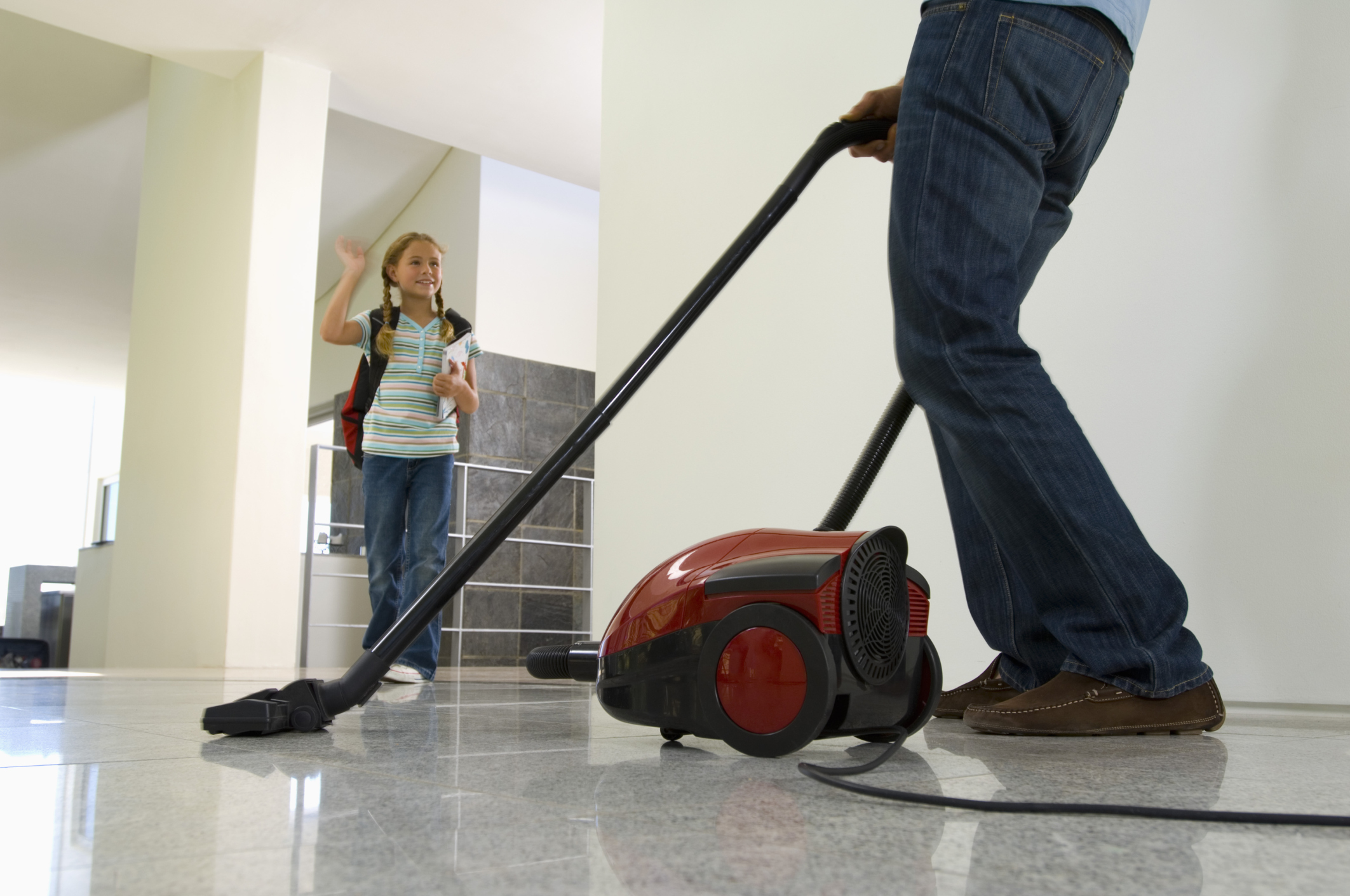
Vacuum cleaners come in different shapes and sizes. Each type has its own advantages and disadvantages.
| Type | Advantages | Disadvantages |
|---|---|---|
| Upright | Powerful, easy for carpets | Heavy, hard to store |
| Canister | Flexible, good for hard floors | Bulky, hard to carry |
| Stick | Lightweight, easy handling | Less powerful, short battery life |
| Handheld | Portable, good for cars | Small capacity, less power |
| Robotic | Automated, time-saving | Expensive, misses spots |
Choosing the right type depends on your home, budget, and cleaning needs.
Credit: www.ehow.com
Key Factors To Consider Before Buying A Vacuum Cleaner
Buying a vacuum cleaner is a big decision. Here are important factors to help you choose wisely.
1. Floor Type
Some vacuums are better for carpets, others for hard floors. Check compatibility before buying.
2. Allergies
If you have allergies, choose a model with HEPA filters and good sealing. This prevents dust from escaping.
3. Pets
Homes with pets need vacuums designed for pet hair removal. Look for special attachments and strong suction.
4. Size And Weight
Consider whether you can carry or push the vacuum easily. Lightweight models are better for stairs and small homes.
5. Bagged Vs Bagless
Bagged vacuums are more hygienic but require buying bags. Bagless models are easier to empty but may release dust.
6. Noise Level
Check the decibel rating if you live in an apartment or have sensitive family members.
7. Maintenance
Choose a model with easy-to-clean filters and accessible parts.
8. Price
Set a budget and compare features. Don’t buy cheap models that break quickly.
9. Warranty And Service
Check for a good warranty and easy access to service centers.
10. Accessories
Look for necessary tools: crevice, upholstery, pet hair, etc.
These factors help avoid common mistakes and ensure satisfaction.
Hidden Insights Most Beginners Miss
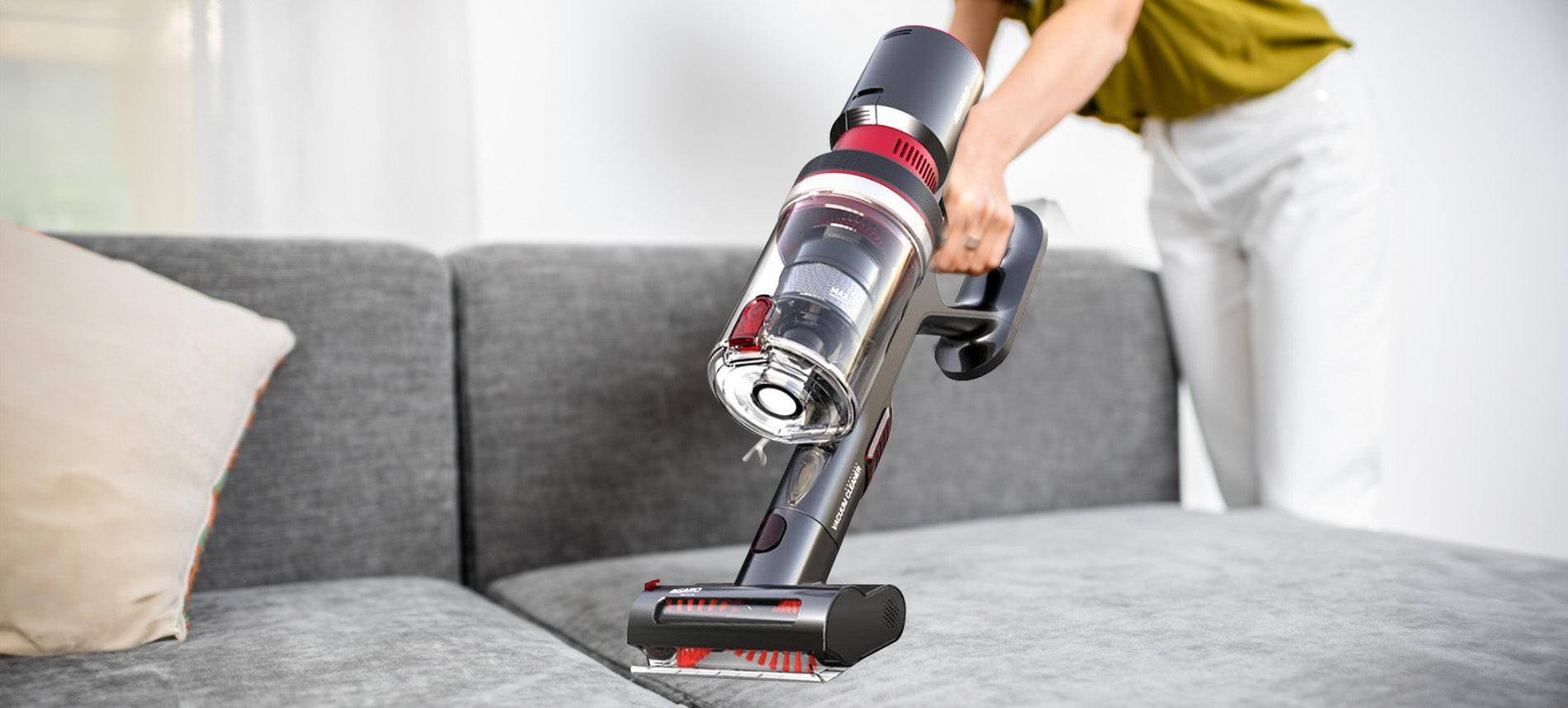
Many people focus on suction power and price, but overlook other important details:
- Filter Quality: A good filter is more important than a strong motor. Poor filters release dust, making cleaning useless for allergy sufferers.
- Cleaning Path Width: Wider cleaning paths cover more ground, saving time. Narrow paths mean more passes and longer cleaning.
- Battery Life: For cordless models, battery life is often exaggerated by brands. Real-life usage is usually less, so check reviews.
- Attachment Storage: Some vacuums have built-in storage for attachments, preventing loss and clutter.
- Auto Shut-Off: Machines with auto shut-off protect the motor and prevent overheating. It’s a useful feature for safety.
Understanding these hidden aspects can make your purchase more successful.
Credit: agarolifestyle.com
Practical Tips For Using Vacuum Cleaners
Using your vacuum cleaner correctly can improve performance and extend its life.
- Empty Bags/Containers Regularly: Don’t wait until full. This keeps suction strong and prevents odors.
- Clean Filters Monthly: Dirty filters block airflow and spread dust.
- Check for Blockages: Hoses and attachments can get clogged. Clean them often.
- Use Correct Attachments: Don’t use carpet tools on hard floors, or vice versa.
- Schedule Robotic Vacuums: Set cleaning times for convenience.
- Test Settings: Try low suction for delicate surfaces and high for carpets.
- Store Properly: Keep the vacuum and attachments in a dry, safe place.
These tips help avoid common mistakes and keep your machine running smoothly.
Common Mistakes When Choosing Or Using A Vacuum Cleaner
Many people make errors that reduce the benefits of their vacuum cleaner. Here are a few:
- Ignoring Filter Quality: Cheap filters do not trap dust well.
- Buying Too Powerful Models: High suction can damage delicate rugs.
- Skipping Maintenance: Neglecting cleaning leads to poor performance.
- Choosing the Wrong Type: Upright vacuums are bad for stairs, stick vacuums are weak for big homes.
- Misunderstanding Battery Specs: Brands often advertise maximum battery, not real-life use.
- Overlooking Warranty: No warranty means expensive repairs.
- Using Wrong Attachments: Causes damage or ineffective cleaning.
Avoiding these mistakes saves money and improves cleaning quality.

Credit: www.ecovacs.com
Vacuum Cleaner Technology: Past, Present, Future
Vacuum cleaner technology has changed a lot over time.
Past
Early models were bulky and noisy. They used basic filters and required manual operation. Cleaning was slower and less effective.
Present
Modern vacuums have HEPA filters, smart sensors, robotic automation, and energy-efficient motors. Many are lightweight and quiet. Specialized models target pet hair, allergies, and specific floor types.
Future
Upcoming trends include:
- AI-powered robots: Smarter mapping and cleaning
- Self-cleaning filters: Less maintenance
- Eco-friendly materials: Reduced environmental impact
- Wireless charging: More convenience
These changes will make vacuum cleaners more effective and user-friendly.
Real-life Examples
Let’s look at how vacuum cleaners impact different users:
- Families with Allergies: Using a vacuum with HEPA filters reduces symptoms by 40% compared to manual cleaning.
- Pet Owners: Specialized vacuums remove 90% of pet hair, compared to 60% with manual tools.
- Elderly Users: Lightweight stick vacuums make cleaning possible without pain or injury.
- Busy Professionals: Robotic vacuums save up to 2 hours per week.
These examples show the practical benefits and challenges for different people.
Vacuum Cleaner Myths And Truths
Some common myths exist about vacuum cleaners:
- Myth: All vacuums remove all dust.
- Truth: Only models with good filters and maintenance are effective.
- Myth: More power is always better.
- Truth: Too much suction can damage surfaces.
- Myth: Robotic vacuums clean everything.
- Truth: They miss corners and need manual help.
- Myth: Bagless is always better.
- Truth: Bagged models are more hygienic for allergy sufferers.
- Myth: Vacuums last forever.
- Truth: Cheap models wear out quickly.
Knowing the facts helps make better choices.
Environmental Impact Of Vacuum Cleaners
Vacuum cleaners have both positive and negative environmental effects.
Positive
- Less Chemical Use: Removes dust without harsh cleaners.
- Reusable Filters: Reduce waste.
- Energy Efficiency: New models use less power.
Negative
- Electronic Waste: Old machines and parts pollute landfills.
- Plastic Bags: Bagged models produce waste.
- Power Consumption: Raises carbon footprint.
Choosing eco-friendly models and proper disposal can reduce harm.
Cleaning Performance Data: Hepa Vs Standard Filters
Here’s a performance comparison between HEPA and standard filters.
| Filter Type | Dust Removal Efficiency | Allergen Removal (%) |
|---|---|---|
| HEPA | 99.97% | 95% |
| Standard | 85% | 60% |
HEPA filters offer much better cleaning, especially for allergy sufferers.
How To Maximize The Benefits And Minimize The Disadvantages
Smart use and good maintenance can improve your experience with vacuum cleaners. Here’s how:
- Choose the right model: Match your needs (pets, allergies, floor type).
- Maintain regularly: Clean filters, empty bags, check parts.
- Use attachments wisely: Protect surfaces and reach all areas.
- Store properly: Prevent damage and clutter.
- Dispose responsibly: Recycle old machines and parts.
These steps help you get the most from your vacuum cleaner and avoid common problems.
Frequently Asked Questions
What Is The Best Type Of Vacuum Cleaner For Allergies?
HEPA filter vacuums are best for allergies. They trap tiny particles and prevent them from returning to the air. Choose models with sealed systems for maximum benefit.
How Often Should I Clean Or Replace Vacuum Filters?
Most filters should be cleaned monthly and replaced every 6–12 months. Always check the manufacturer’s instructions for your specific model.
Can Vacuum Cleaners Damage Carpets Or Furniture?
Yes, using high suction or wrong attachments can damage carpets and furniture. Always use the recommended tools and settings for each surface.
Are Robotic Vacuum Cleaners Worth The Price?
Robotic vacuums are good for busy people and routine cleaning. They save time but may miss corners and need manual help for deep cleaning. Compare features and reviews before buying.
What Should I Do With An Old Vacuum Cleaner?
Recycle old machines at electronic waste centers. Many cities have facilities for safe disposal. Do not throw them in regular trash. For more guidance, visit EPA’s Electronics Recycling.
Vacuum cleaners offer many advantages for modern living, but they also have real disadvantages. Understanding both sides helps you make smart decisions, save time, and keep your home clean and healthy. By choosing wisely and using your vacuum cleaner correctly, you can maximize benefits and minimize problems for years to come.