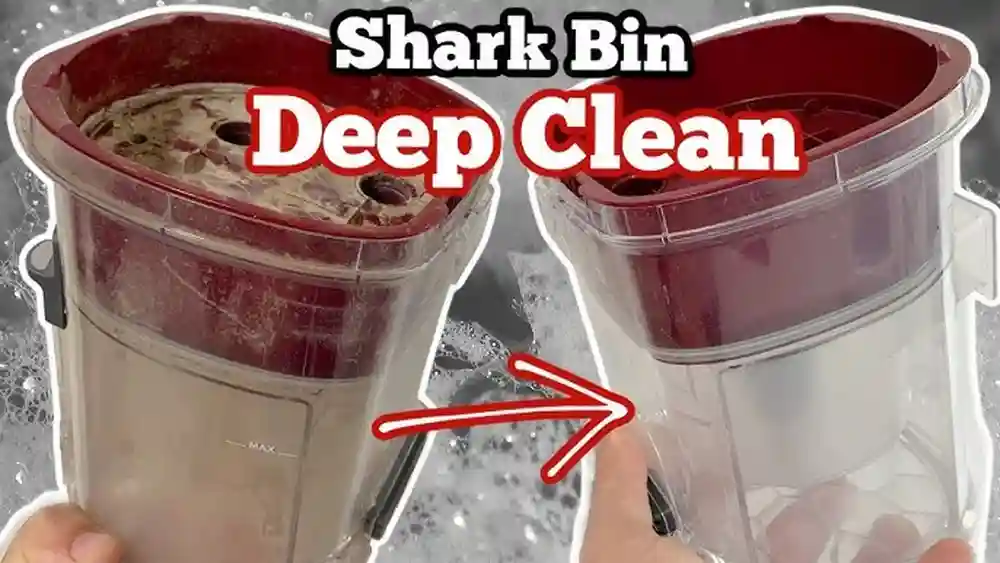
Keeping your Shark vacuum running smoothly is not just about emptying dust and debris. Cleaning the dust cup properly makes a big difference in suction, odor, and even how long your vacuum lasts. Many people use their Shark vacuum every week, but forget this simple maintenance step. Over time, dust, hair, and even sticky dirt can build up inside the cup, causing bad smells and blocking airflow. Knowing how to clean your Shark vacuum dust cup the right way will help you get the best performance every time you vacuum.
This guide is your clear, step-by-step resource for cleaning a Shark vacuum dust cup, with practical advice, safety tips, and answers to questions beginners usually ask. If you’ve ever noticed your vacuum losing power or smelling odd, you might be surprised how much a clean dust cup can help.
We’ll walk through everything you need to know, including smart tips most owners miss, and even compare a few Shark models for easy understanding. Let’s keep your Shark vacuum at its best—and your cleaning routine easier.
Why Cleaning The Dust Cup Matters
The dust cup is where all the dirt, hair, and dust go after you vacuum. When it’s full or dirty inside, your Shark vacuum can’t work as well. But there’s more to it than just emptying the cup.
Better Suction And Performance
A clean dust cup means strong suction. When dust cakes the sides or blocks the filter, your vacuum can’t pick up as much dirt. Even small build-up lowers performance, especially with fine dust or pet hair.
Preventing Odors
A dirty dust cup can smell bad. Food crumbs, pet hair, or moisture in the cup create odors that spread every time you vacuum. Cleaning regularly keeps your vacuum smelling fresh.
Extending Vacuum Life
Shark vacuums are designed to last, but they need basic care. Dust inside the cup can reach the motor and filters, causing wear or even breakdown. Taking care of the dust cup protects your whole machine.
Avoiding Allergens
If you have allergies or asthma, a dirty dust cup can send dust back into the air. Cleaning it reduces allergens and helps keep your home healthier.
When And How Often Should You Clean The Dust Cup?
How often you clean depends on how much you vacuum and what you’re picking up. Most Shark manuals suggest:
- Empty after every use: This keeps dirt from building up and helps airflow.
- Deep clean monthly: If you vacuum daily, or have pets, deep clean every 2-3 weeks.
- Check for clogs: If you notice less suction, check the cup even if it’s not full.
Some signs your dust cup needs cleaning:
- Vacuum smells musty
- Suction is weak
- You see dust stuck to the sides or filter
- The cup is more than half full
If you use your Shark for heavy cleaning (like after renovations or pet shedding season), clean more often.
Credit: www.ifixit.com
What You’ll Need For Cleaning
Good cleaning doesn’t require special tools, but a few items help:
- A small brush (old toothbrush works)
- Soft cloth or microfiber towel
- Mild dish soap
- Warm water
- Paper towels or a drying rack
- Gloves (optional for sensitive skin)
- Compressed air can (for deep cleaning, optional)
Avoid strong chemicals or rough scrubbers—they can damage the plastic or seals.
Safety Steps Before You Begin
Before you open the dust cup, take these important safety steps:
- Unplug the vacuum or remove the battery if cordless.
- Wait for the motor to cool if you just used it.
- Do not touch the power cord with wet hands.
- If you have breathing issues, consider wearing a mask while cleaning dust.
These simple precautions keep you safe and protect the vacuum.

Credit: www.wikihow.com
Step-by-step: How To Clean Shark Vacuum Dust Cup
Let’s walk through the process, using clear steps you can follow for most Shark models.
1. Remove The Dust Cup
Most Shark vacuums have a button or latch to release the cup. Check your manual if you’re not sure. Common styles:
- Upright models: Button near the handle or base.
- Stick/cordless models: Button on the wand or cup itself.
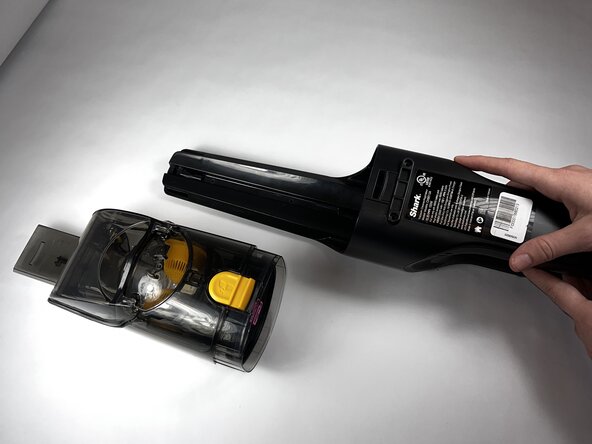
- Handheld models: Small latch or button under the cup.
Hold the cup over a trash bin before opening to avoid spills.
2. Empty All Loose Debris
Press the release lever or open the bottom flap. Let all dust and debris fall into the trash. Tap the cup gently to loosen stuck dirt, but don’t shake too hard (it can break the plastic).
For larger debris stuck inside, use a small brush or gloved hand.
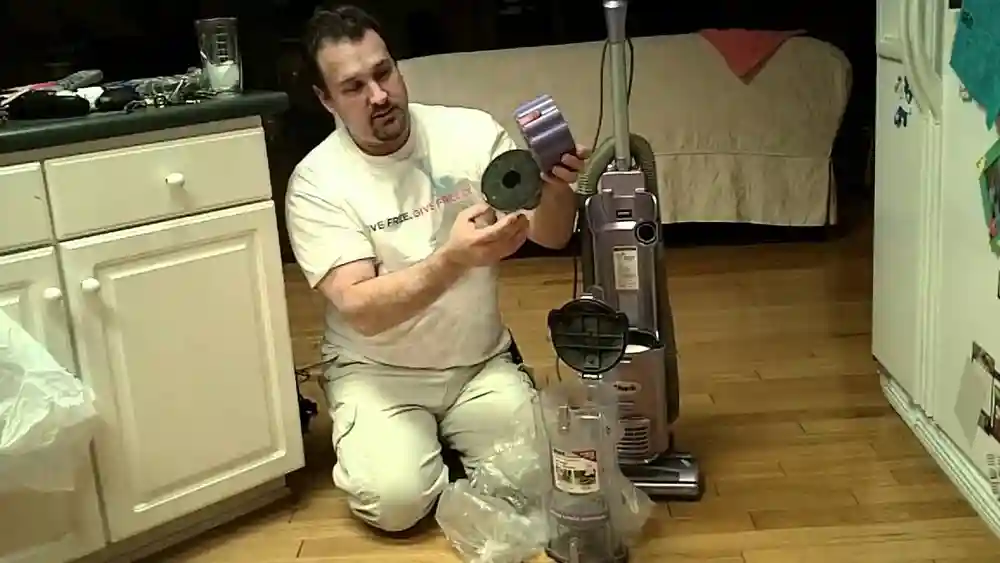
3. Remove The Mesh Filter (if Present)
Many Shark models have a mesh filter or screen inside the cup. This catches fine dust before it reaches the main filter.
- Twist or pull gently to remove.
- Tap over the trash to loosen dust.
- Set aside for washing.
If your model has a foam or felt filter inside the cup, remove it as well (check the manual).
4. Wash The Dust Cup
Take the dust cup to a sink. Rinse with warm water to remove loose dust. Add a small drop of mild dish soap, then use a soft brush or cloth to clean inside and outside.
- Focus on corners and seams where dust hides.
- Avoid using boiling water (it can warp plastic).
- Rinse thoroughly to remove all soap.
Tip: If there’s sticky residue or pet hair stuck, soak the cup in warm soapy water for 10-15 minutes before scrubbing.
5. Clean The Mesh Filter
Wash the mesh filter under running water. Gently scrub with a brush if needed. Don’t use strong force; mesh can bend or tear.
If very dirty, soak in soapy water for a few minutes, then rinse.
Never put filters in a dishwasher—the heat can damage them.
6. Dry Everything Completely
Moisture inside the dust cup can cause mold or bad smells. Shake off extra water, then:
- Let the dust cup and filter air dry on a towel or rack.
- Allow at least 24 hours for full drying.
- Do not use a hair dryer or put near a heater.
Tip: Place the cup upside down for faster drying.
7. Reassemble The Vacuum
Once everything is dry, put the mesh filter back in the cup. Snap or twist the cup back onto the vacuum, making sure it clicks into place.
Check that all seals and gaskets are clean and undamaged. If the vacuum has a foam or felt filter, replace it only when fully dry.
8. Test The Vacuum
Plug in or reattach the battery. Turn on the vacuum and listen for normal suction. If you hear strange sounds or smell something odd, check that the cup and filters are in correctly.
Special Tips For Pet Owners
Pet hair and dander can make cleaning harder. Here’s what helps:
- Use a brush to remove hair wrapped around the filter or stuck in corners.
- Sprinkle a little baking soda in the cup before vacuuming to reduce odors.
- Clean more often—pet hair builds up fast and can block airflow.
- Check for clumps of hair inside the cup after each use.
Pet hair sometimes sticks to the plastic because of static electricity. Wipe the cup with a damp cloth to reduce this.
What To Do With Stubborn Dirt Or Odors
Sometimes, dust or hair seems stuck no matter what you do. Here’s how to handle it:
- Soak the cup longer in warm, soapy water.
- Use a bottle brush or old toothbrush for tight corners.
- If a smell stays, wash with a mix of water and a little white vinegar (rinse well after).
- Never use bleach or harsh chemicals—they can damage the plastic.
Pro tip: For sticky or oily residue (like after vacuuming up food), use a drop of dish soap and rinse several times.
Common Mistakes To Avoid
Many Shark vacuum owners make these mistakes when cleaning the dust cup:
- Not drying fully: Putting a damp cup or filter back can cause mold or damage the motor.
- Using hot water: Very hot water can warp the cup or break seals.
- Forgetting to clean the mesh filter: Dust builds up fast and blocks suction.
- Using abrasive cleaners: Scrubbing with rough pads scratches the plastic, making it harder to clean next time.
- Ignoring the manual: Some Shark models have special parts—always check your manual for exact steps.

Credit: www.youtube.com
Comparing Shark Dust Cup Designs
Different Shark models have different dust cup styles. Here’s a side-by-side look at a few popular types:
| Model Type | Release Mechanism | Cleaning Difficulty | Filter Location |
|---|---|---|---|
| Upright (Navigator, Rotator) | Button on handle/base | Easy | Inside cup |
| Stick (Rocket, ION) | Button on wand or cup | Medium | Below cup |
| Handheld | Small latch/button | Very Easy | Integrated |
No matter the model, the cleaning steps are similar, but you might need a smaller brush or more patience with stick vacuums.
How A Clean Dust Cup Improves Performance
People often underestimate the impact of a clean dust cup. Here’s what you can expect:
- Up to 25% better suction: Studies show that dust buildup can reduce airflow by a quarter or more.
- Longer filter life: Clean cups stop dust from reaching the filter, so you need to replace filters less often.
- Fewer repairs: Shark customer support reports fewer motor problems in vacuums cleaned monthly.
Here’s a quick comparison of vacuum performance before and after cleaning the dust cup:
| Test Condition | Suction Power (%) | Odor Level (1-5) | Filter Condition |
|---|---|---|---|
| Before Cleaning | 75 | 4 | Dusty |
| After Cleaning | 100 | 1 | Clean |
Odor level: 1 = no odor, 5 = strong odor
Troubleshooting: If The Dust Cup Won’t Come Off
Sometimes, the dust cup gets stuck. Try these steps:
- Check for any latches or buttons you missed.
- Gently wiggle the cup—don’t force it.
- If sticky, spray a little water around the base (not inside the vacuum) and wait a few minutes.
- If the cup still won’t move, consult your Shark manual or contact customer support.
Never use tools like screwdrivers—they can break the cup or vacuum.
How To Keep The Dust Cup Cleaner Longer
Smart habits make cleaning easier:
- Empty after each use to prevent build-up.
- Use the vacuum only on dry surfaces (wet dirt sticks and smells).
- Avoid vacuuming large wet messes—Shark vacuums are not wet-dry machines.
- Store the vacuum in a dry place.
- Wipe the outside of the cup with a damp cloth weekly.
When To Replace Your Dust Cup
Dust cups are designed to last for years, but sometimes they need replacement:
- Cracks or chips in the plastic
- Seals or gaskets are worn out
- The cup no longer locks in place
- Persistent bad smells even after cleaning
Replacement dust cups are available from Shark’s official website and many retail stores. Make sure to buy the right size for your model.
Environmental Tips: Disposing Of Dust Safely
Vacuumed dust can contain allergens, pet dander, and even small plastic bits. Here’s how to dispose of it safely:
- Empty the cup into a sealed trash bag.
- Take care not to breathe in dust—dump gently.
- If you compost, only add dust if you’re sure it’s free of plastics or chemicals.
- Wash your hands after emptying.
Some cities offer special disposal for dust and pet hair—check your local guidelines.
Real-world Example: Cleaning A Shark Navigator Dust Cup
Let’s see a practical example:
Maria owns a Shark Navigator Lift-Away. She uses it three times a week, and she has two cats. She notices her vacuum smells musty and doesn’t pick up as much as before.
- She unplugs the vacuum.
- Presses the release button to remove the dust cup.
- Opens the bottom flap over the trash, taps out all loose hair and dust.
- Removes the mesh filter, which is covered in fine cat hair.
- Washes the cup and filter in warm, soapy water. Uses a toothbrush for corners.
- Rinses and sets both on a towel to air dry overnight.
- Next day, reassembles and checks everything clicks in place.
- Turns on the vacuum—the smell is gone, and suction is much stronger.
Maria now cleans her dust cup every two weeks, and her vacuum lasts longer.
Advanced Tip: Using Compressed Air
If you want a deep clean, you can use a can of compressed air:
- After washing and drying, spray air into corners or mesh.
- This removes fine dust that water can’t reach.
- Wear eye protection—dust can fly out quickly.
This step isn’t needed every time, but helps after heavy use or for allergy sufferers.
What Beginners Often Miss
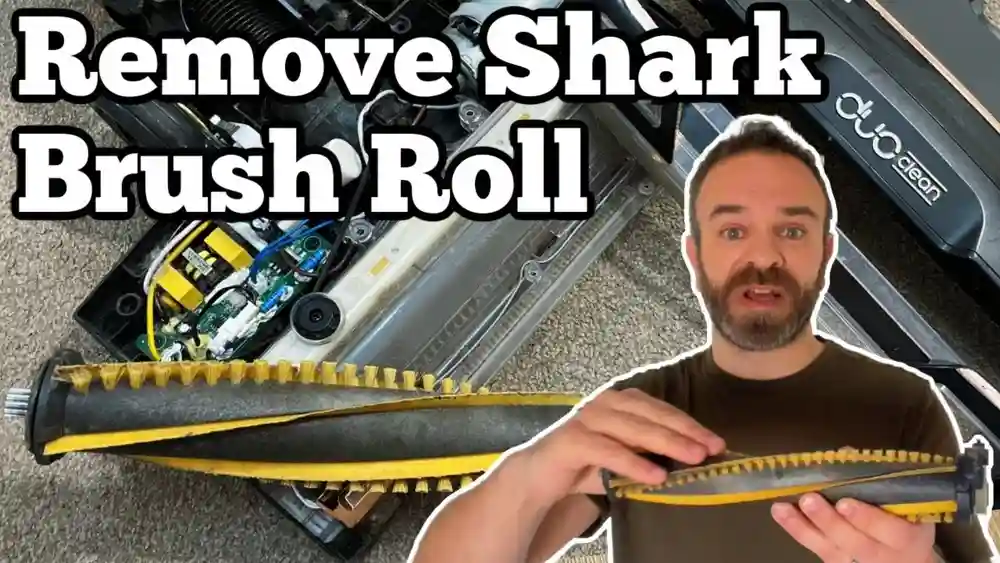
- The dust cup isn’t the only part to clean: Check the filters and brush roll too. Cleaning just the cup helps, but a full clean keeps the whole vacuum strong.
- Odors come from hidden dirt: Even a cup that looks clean can smell if not washed with soap and fully dried.
Summary: Key Steps For Success
- Always unplug before cleaning.
- Empty the dust cup after every use.
- Deep clean with soap and water monthly.
- Let all parts dry completely before reassembly.
- Clean the mesh filter, not just the cup.
- Avoid harsh cleaners and hot water.
- Replace the dust cup if damaged.
A clean dust cup means better air, stronger suction, and a longer-lasting Shark vacuum.
Frequently Asked Questions
How Do I Know If My Shark Vacuum Dust Cup Needs Cleaning?
If you notice weak suction, bad smells, or visible dust stuck inside, it’s time to clean. Empty the cup after each use and deep clean monthly.
Can I Wash The Dust Cup In A Dishwasher?
No. Shark does not recommend washing the dust cup or filters in a dishwasher. High heat and strong detergents can damage the plastic and seals.
What Should I Do If The Dust Cup Still Smells After Cleaning?
Try soaking the cup in a mix of warm water and a little white vinegar. Rinse very well and dry fully. If the smell stays, check for dirt in the filter or consider replacing the cup.
Is It Safe To Use Any Soap For Cleaning?
Use only mild dish soap. Avoid bleach or strong chemicals, as they can damage the plastic and leave harmful residue.
Where Can I Find Instructions For My Specific Shark Model?
Check your Shark vacuum manual or visit the official Shark support page for model-specific guides and videos.
Keeping your Shark vacuum dust cup clean is one of the simplest, most effective ways to get better cleaning results and extend the life of your machine. With these steps and tips, you’ll keep your home fresher, your vacuum stronger, and cleaning day a little easier.