Keeping your Shark vacuum HEPA filter clean is not just about better suction—it’s about the air you breathe. Many people buy a Shark vacuum for its promise of cleaner air and strong performance. However, if you don’t clean the HEPA filter regularly, dust and allergens can sneak back into your home, and your vacuum won’t last as long as it should. Learning how to clean a Shark vacuum HEPA filter may sound simple, but there are important steps and tips that can make a big difference. Whether you’re a new Shark owner or you’ve used your vacuum for years, mastering this cleaning process will help keep your machine running smoothly and your home healthier.
This guide will walk you through every detail, from understanding your HEPA filter to step-by-step cleaning instructions, troubleshooting, and even a look at mistakes to avoid. You’ll also find answers to common questions people ask about Shark vacuum HEPA filter maintenance.
With straightforward language, practical advice, and real insights, this is the only guide you’ll need to clean your Shark vacuum HEPA filter the right way.
What Is A Shark Vacuum Hepa Filter?
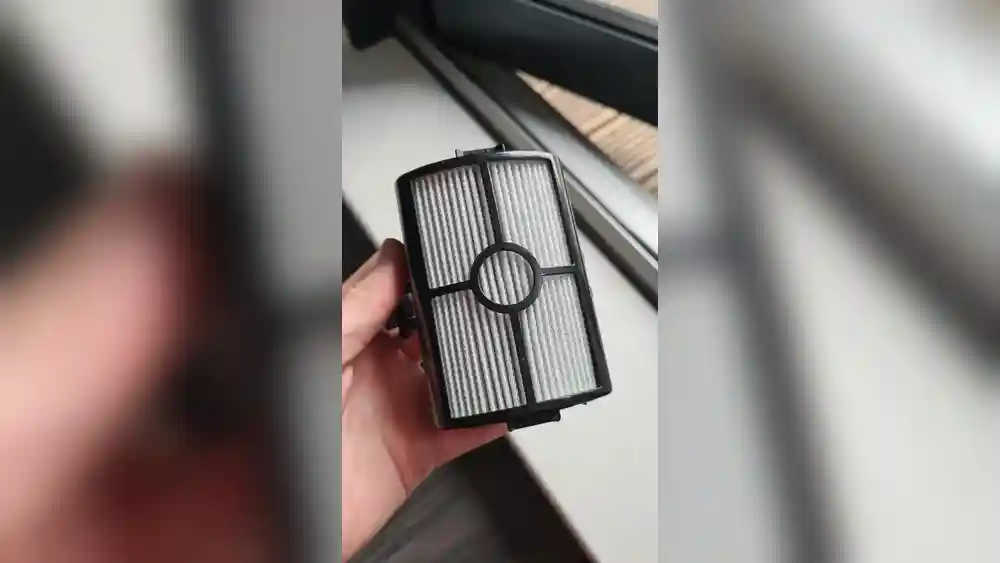
The HEPA filter is one of the most important parts of your Shark vacuum. HEPA stands for High Efficiency Particulate Air. This special filter can trap 99.97% of particles that are as small as 0.3 microns. That means it catches things like dust, pollen, pet dander, and even some bacteria, keeping them out of the air you breathe.
Most Shark vacuums include a HEPA filter as part of their “anti-allergen” system. The filter sits near the exhaust, so air that leaves the vacuum is cleaned before it goes back into your home. If you or anyone in your family has allergies, asthma, or just wants cleaner air, the HEPA filter is a key reason to choose a Shark vacuum.
One thing many people miss: not every filter in your Shark vacuum is a HEPA filter. Most models have pre-motor foam and felt filters, and a separate HEPA filter. The pre-motor filters catch bigger dirt before it reaches the HEPA filter, which does the final, fine cleaning.
Why Regular Cleaning Matters
It’s tempting to think you can just “set and forget” your HEPA filter. But over time, even the best filter gets clogged with dust and tiny particles. When this happens, a few problems start:
- Suction drops. Your vacuum works harder and might even overheat.
- Airflow is blocked. The vacuum can blow dust back into your room.
- Allergen control fails. Allergens and fine dust escape instead of being trapped.
- Filter life shortens. A dirty filter wears out faster, costing you more money.
Shark recommends cleaning the HEPA filter every 6 to 12 months, but if you vacuum often or have pets, you may need to clean it more often. If you notice a musty smell, weaker suction, or more dust in your home, it’s probably time to check the filter.
Credit: www.everydaycheapskate.com
Tools And Supplies You’ll Need
Cleaning your Shark vacuum HEPA filter doesn’t require fancy gadgets. You’ll need just a few basic items:
- A clean, dry towel or paper towels
- A soft brush (an old toothbrush works well)
- Mild dish soap (optional)
- A basin or bowl (for soaking)
- Clean, cool water
- Gloves (if you have sensitive skin or allergies)
- A vacuum manual (for checking your model’s filter type)
Having these supplies ready before you start makes the process smoother and less messy.
Finding And Removing The Hepa Filter
Not all Shark vacuums have the same filter location. Most Shark upright and stick vacuums place the HEPA filter behind a cover near the vacuum’s base or dust cup. Here’s how to find yours:
- Unplug the vacuum. Never open any part of your vacuum while it’s plugged in.
- Locate the filter cover. On most models, look for a small door or grill at the base.
- Open the cover. Press the release tab or unscrew the cover as needed.
- Gently pull out the HEPA filter. Most HEPA filters are rectangular and have a plastic frame.
If you’re not sure where your filter is, check the user manual or search for your model on the Shark website.
Example: Shark Navigator Vs. Shark Rotator
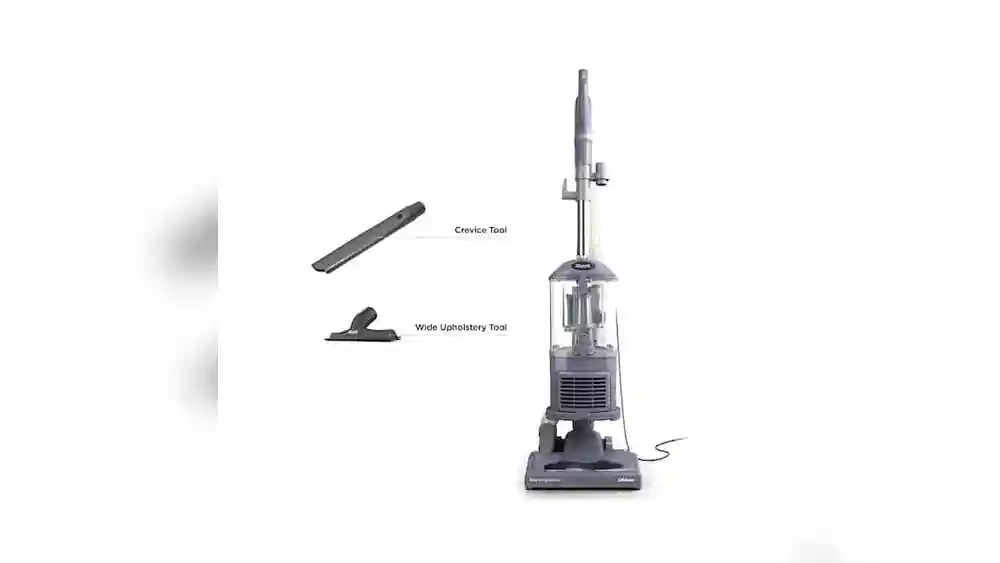
Here’s a quick comparison of two popular Shark models and where to find their HEPA filters:
| Model | HEPA Filter Location | Removal Steps |
|---|---|---|
| Shark Navigator | Behind grill at the base (front or side) | Open grill, slide out filter |
| Shark Rotator | Behind the dust cup or under main body | Release dust cup, access HEPA compartment, remove filter |
Knowing your model saves time and avoids damage.
Step-by-step: How To Clean Your Shark Hepa Filter
Cleaning your HEPA filter is simple, but doing it carefully matters. Here’s a detailed, easy-to-follow process:
1. Tap Out Loose Dirt
After you remove the filter, gently tap it against a trash can or sink. This will shake out loose dust and debris. Don’t bang it hard—just a few gentle taps.
2. Rinse With Cool Water
Hold the filter under cool running water. Never use hot water, as heat can damage the filter material. Rinse both sides until water runs clear. You’ll see a lot of gray or brown water at first—this is normal.
- Do not use soap unless the manual says it’s safe.
- Do not scrub too hard; gentle is best.
3. Brush Away Stubborn Dust
If there’s sticky dirt, use a soft brush (like a toothbrush) to gently brush the filter. Focus on the folds and corners where dust hides. Don’t use wire brushes or anything sharp.
4. Optional: Mild Soap Soak
If your filter smells musty or looks stained, fill a basin with cool water and a few drops of mild dish soap. Soak the filter for 5-10 minutes. Swish gently. Rinse very well until all soap is gone.
5. Shake And Air Dry
After washing, shake off extra water. Lay the filter flat on a clean towel. Let it air dry for at least 24 hours—longer if your home is humid.
- Never use a hair dryer, heater, or direct sun to speed up drying. Heat can warp or melt the filter.
- The filter must be completely dry before you put it back.
6. Reinstall The Filter
Once the filter is dry, slide it back into its slot. Make sure it fits snugly and the cover clicks into place. Plug in your vacuum and test the suction.
How Often Should You Clean The Hepa Filter?
The cleaning schedule depends on your usage, home size, and whether you have pets or allergies. Here’s a general guide:
| Home Type | Cleaning Frequency | Why |
|---|---|---|
| Pet Owners | Every 3-6 months | Pet hair and dander clog filters faster |
| Allergy Sufferers | Every 2-3 months | More frequent cleaning traps more allergens |
| Large Families | Every 4-6 months | More foot traffic = more dust |
| Average Use | Every 6-12 months | For homes without pets or allergies |
If your vacuum smells musty, loses suction, or the filter looks brown, clean it sooner.
How To Know When Your Filter Needs Cleaning
Some Shark vacuums have filter indicator lights, but most do not. Watch for these signs:
- Weaker suction
- More dust left on floors
- Bad smells from the vacuum
- Visible dirt on the filter
- Vacuum running hotter or louder than usual
If you notice any of these, check the filter—even if it’s not time for your regular schedule.
Common Mistakes To Avoid
Cleaning a HEPA filter is easy, but these common mistakes can damage your vacuum or make cleaning less effective:
- Using hot water or harsh chemicals. These can break down the filter material and ruin the HEPA layer.
- Not drying completely. A damp filter can grow mold or mildew, making your air less healthy.
- Vacuuming with a wet filter. This can damage your vacuum’s motor and spread bad smells.
- Forcing the filter into place. If the filter is warped, it won’t seal properly, and dust will leak out.
- Skipping pre-motor filter cleaning. Always clean all filters, not just the HEPA, for best results.
When To Replace Your Hepa Filter
Even with regular cleaning, all HEPA filters wear out. Shark recommends replacing the HEPA filter every 2 to 3 years, or sooner if it’s damaged or won’t come clean. Signs you need a new filter:
- The filter stays brown or gray after cleaning
- It smells bad even when dry
- It’s torn, warped, or losing shape
- Suction is still weak after cleaning
Replacement filters are usually available from Shark or major retailers. Always use genuine Shark HEPA filters for the best fit and performance.
Pro Tips For Better Performance
A few advanced tips can help you get the most from your Shark vacuum and HEPA filter:
- Vacuum the filter cover and compartment. Before putting the clean filter back, use a handheld vacuum or a dry cloth to clean dust from the filter housing.
- Keep spare filters on hand. Having a dry spare means you never have to wait for a wet filter to dry.
- Clean pre-motor filters at the same time. These are usually foam and felt pads that sit above the HEPA filter. Cleaning all filters together keeps your vacuum running smoothly.
- Mark your calendar. Set a reminder in your phone for your next cleaning or write the last cleaned date on a sticker near the filter cover.
Not everyone knows that even a filter that looks clean can be clogged with fine dust. If in doubt, clean more often—your vacuum (and your lungs) will thank you.

Credit: www.youtube.com
Comparing Shark Hepa Filter Cleaning To Other Brands
You might wonder if Shark’s HEPA filters are different from those in other vacuum brands. Here’s a quick comparison to help you see the differences:
| Brand | HEPA Filter Type | Cleaning Method | Replacement Interval |
|---|---|---|---|
| Shark | Washable HEPA | Rinse with water, air dry | 2-3 years |
| Dyson | Washable HEPA | Rinse with water, air dry | 2-5 years |
| Bissell | Non-washable HEPA | Replace only, do not wash | 1-2 years |
| Hoover | Washable or non-washable (varies) | Check manual | 1-3 years |
Always check your model’s manual—using the wrong cleaning method can damage the filter.
Troubleshooting Filter And Vacuum Problems
Sometimes, even after cleaning, your Shark vacuum might still have problems. Here’s how to solve the most common filter-related issues:
Weak Suction After Cleaning
- Check all filters. The pre-motor filters may also be clogged.
- Inspect for blockages. Hoses, brush rolls, or the dust cup might be blocked.
- Reinstall the filter correctly. A loose filter lets air bypass, lowering suction.
Bad Smells Won’t Go Away
- Wash with mild soap. Rinse thoroughly.
- Clean the dust cup and all filters. Dust left elsewhere can smell.
- Replace the filter if the smell stays after cleaning and drying.
Filter Looks Damaged
- Do not reuse a torn, warped, or broken filter.
- Buy a genuine Shark replacement. Off-brand filters may not fit or filter as well.
Filter Indicator Light Stays On
- Reset the vacuum. Unplug for 10 minutes, then plug in again.
- Double-check filter installation. The light may stay on if the filter isn’t seated properly.
/how-to-clean-shark-vacuum-filter-5217133-06-81debb2bce5e48668277f5ad4fbe11f4.jpg)
Credit: www.thespruce.com
How To Store And Care For Spare Filters
If you buy extra HEPA filters, store them in a clean, dry place. Keep them in their original packaging or a sealed plastic bag to prevent dust and moisture buildup. Avoid storing in damp areas like basements or laundry rooms.
Rotate your filters—if you clean one, let it dry, then swap with a spare next time. This extends the life of each filter and keeps your vacuum ready to go.
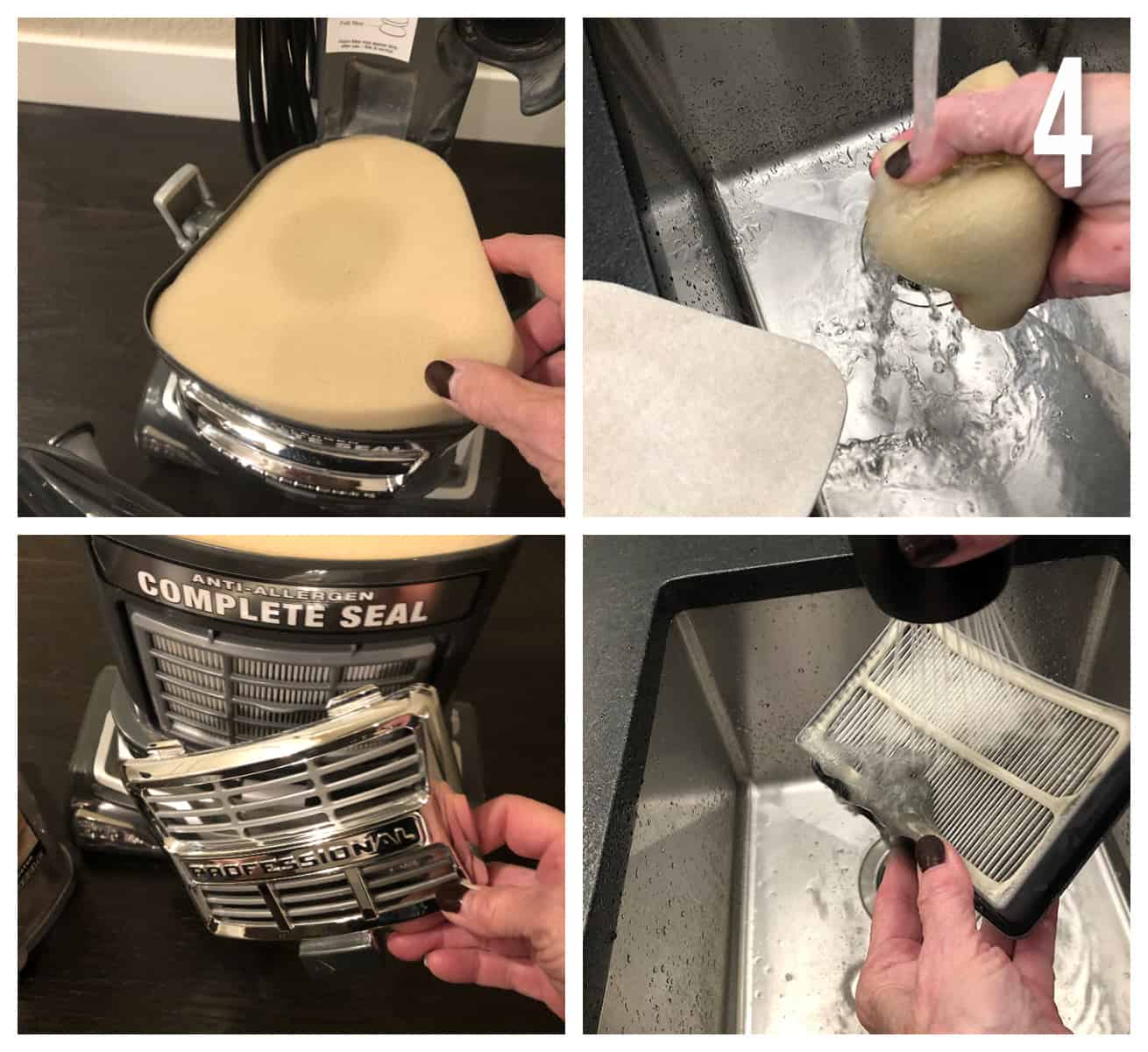
Cleaning The Pre-motor Filters: Don’t Skip This Step
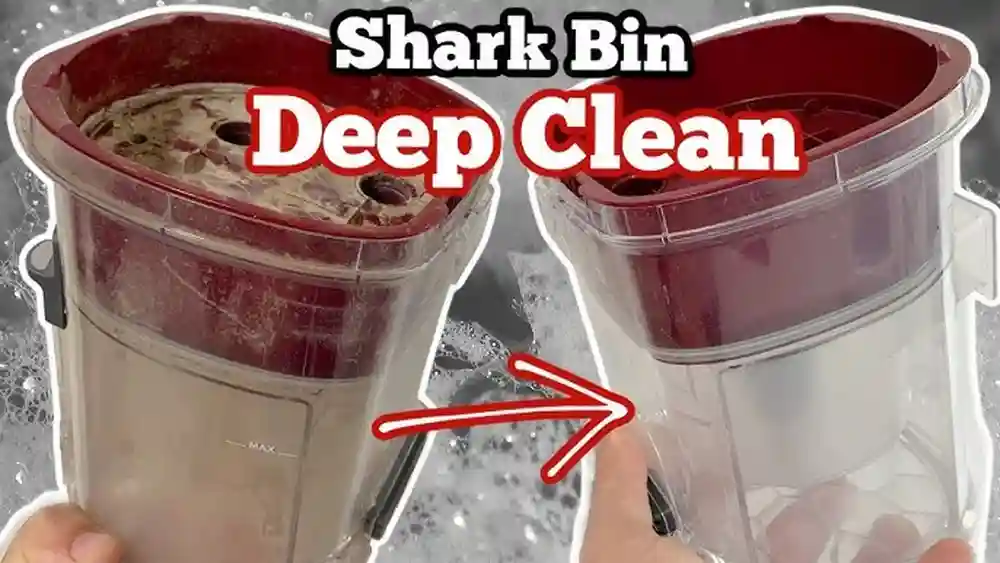
While the HEPA filter is your final line of defense, the pre-motor filters (usually a foam and a felt pad) do important work too. They catch larger dirt before it reaches the HEPA filter. Most people forget to clean these, but it’s just as important.
- Remove the pre-motor filters (usually above or near the HEPA filter).
- Rinse in cool water (no soap).
- Squeeze gently and lay flat to dry for 24 hours.
- Never put wet filters back in the vacuum.
Clean these every 1-3 months for best results.
What To Do If You Lose Or Break Your Filter
Losing or breaking a filter can happen, especially during cleaning. If you can’t find a replacement right away, don’t use the vacuum without a HEPA filter—this can damage the motor and release dust into your home. Order a replacement from Shark or a trusted retailer.
Avoid using off-brand filters unless they’re certified for your model.
How To Make Cleaning Easier And Faster
- Set a regular routine. Clean all filters on the same day each month.
- Keep a small cleaning kit (brush, towel, basin) near your vacuum.
- Label filters if you have more than one vacuum or filter type.
- Vacuum after messy jobs (renovations, pet shedding) to reduce filter load.
These small habits save time and extend the life of your vacuum.
Environmental Impact: Why Cleaning Your Hepa Filter Matters
Many people replace filters more often than needed. Regular cleaning reduces waste and saves money. A clean filter also means your vacuum uses less energy, which is better for the environment. According to the U.S. Environmental Protection Agency, indoor air can be 2-5 times more polluted than outdoor air—so keeping your filter clean really does help your health and the planet.
When To Call For Professional Help
If you’ve cleaned all filters and checked for blockages but your Shark vacuum still doesn’t work right, it might be time to contact Shark support. Problems like motor failure, broken seals, or electrical issues aren’t fixed by cleaning. Shark’s customer service can help with repairs, warranty service, or finding the right replacement parts.
For more information on HEPA filters and indoor air quality, visit the U.S. EPA HEPA Filter Guide.
Frequently Asked Questions
How Often Should I Clean My Shark Vacuum Hepa Filter?
For most homes, clean your Shark HEPA filter every 6 to 12 months. If you have pets, allergies, or vacuum often, clean it every 2 to 6 months. Always check for visible dirt or weaker suction—these are signs you need to clean sooner.
Can I Use Soap Or Cleaning Agents On My Hepa Filter?
Usually, cool water is enough. Some Shark manuals allow a small amount of mild dish soap for very dirty or smelly filters, but always rinse thoroughly. Never use bleach, strong cleaners, or hot water, as these can damage the filter material.
What Happens If I Put A Wet Filter Back In My Vacuum?
Using a wet HEPA filter can cause mold growth, bad smells, and even damage your vacuum’s motor. Always make sure the filter is completely dry—this usually takes at least 24 hours.
Is It Safe To Vacuum Without The Hepa Filter?
No. Vacuuming without the HEPA filter lets dust, allergens, and fine debris escape into the air. It can also damage your vacuum’s motor and may void your warranty. Always use a filter, and replace it if lost or damaged.
How Do I Know If My Hepa Filter Needs To Be Replaced?
Replace your HEPA filter every 2 to 3 years, or sooner if it stays dirty after cleaning, smells bad, looks damaged, or your vacuum’s suction doesn’t improve. Using genuine Shark filters ensures best fit and performance.
Keeping your Shark vacuum HEPA filter clean is one of the simplest ways to protect your health and your investment. With the right technique and regular care, your Shark vacuum will keep your home fresh, your air cleaner, and your vacuum working at its best for years to come.