Owning a Shark vacuum makes cleaning your home much easier, but even these powerful machines can get clogged. When suction drops or strange noises start, it’s often because something is blocking the airflow. Many people panic or think their vacuum is broken, but most clogs are easy to fix with the right steps. If you want your Shark vacuum to work like new, learning how to unclog it is an essential skill. This guide shows you every detail, from finding the blockage to safely removing it and preventing clogs in the future.
How To Know If Your Shark Vacuum Is Clogged
Before you start taking things apart, it helps to spot the signs of a clog. Some symptoms are obvious, but others can be easy to miss.
Common Signs Of A Clog
- Weak suction even after cleaning the dustbin
- Unusual noises like whistling or sputtering
- Burning smell or overheating
- Brush roll not spinning or stopping suddenly
- Dust or debris left behind after cleaning
If your Shark vacuum shows any of these signs, it’s time to check for a blockage. Ignoring these issues can damage the motor or other parts.
Why Clogs Happen
Most clogs come from vacuuming large debris, hair, or items that shouldn’t go in the vacuum. Some Shark models handle pet hair better, but every vacuum has limits. Overfilled dustbins, dirty filters, or missed maintenance can also lead to blockages.
Knowing why clogs happen helps you avoid them in the future.
Safety Steps Before You Unclog
Before opening your vacuum, safety comes first. Electric vacuums can be dangerous if handled carelessly.
- Unplug the vacuum from the wall. Never work on a plugged-in vacuum.
- Let the vacuum cool down if it feels hot. Motors can overheat during a clog.
- Remove the dustbin or any attached tools.
- Read your user manual if you’re unsure about disassembly.
Even if you’re in a hurry, skipping these steps can cause injury or damage to your Shark vacuum.
Tools And Supplies You’ll Need
You don’t need special tools to unclog most Shark vacuums, but having the right items on hand makes the job easier.
- Flashlight to see inside hoses and compartments
- Long, flexible brush or bottle brush
- Needle-nose pliers for pulling out tough debris
- Scissors for cutting hair or string around the brush roll
- Gloves for hygiene, especially with pet hair
- Small container for screws or clips
If you have a Shark vacuum with specialty attachments, keep them nearby for easier reassembly.
Step-by-step Guide: How To Unclog A Shark Vacuum
Every Shark vacuum is a little different, but the unclogging process is similar. These steps cover upright, stick, and canister models.
1. Empty And Clean The Dustbin
Start with the simplest fix. An overfull dustbin blocks airflow and often causes weak suction.
- Remove the dustbin (or dust cup) following your model’s instructions.
- Dump all debris into the trash.
- Wash the dustbin with warm water if it looks dirty. Dry it completely before reinserting.
A full or dirty dustbin can look empty if debris is stuck at the top. Tap the sides gently to loosen hidden dust.
2. Check The Filters
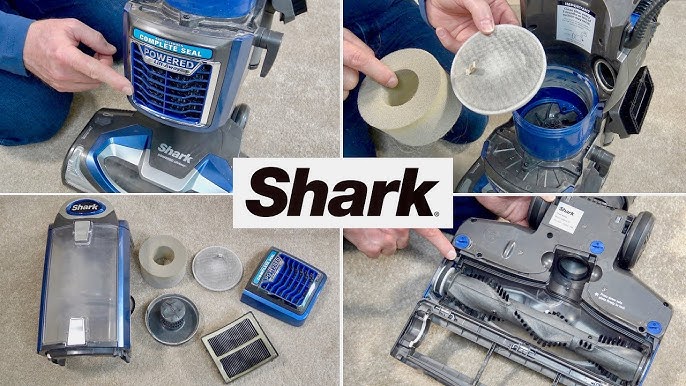
Shark vacuums have several filters, usually a foam filter, felt filter, and HEPA filter. Clogged filters can stop airflow.
- Remove each filter and tap gently to remove loose dust.
- Rinse washable filters with water (no soap). Let them dry for 24 hours.
- Never use a wet filter in your vacuum.
If your filters are torn or very dirty, replacements are cheap and easy to find.
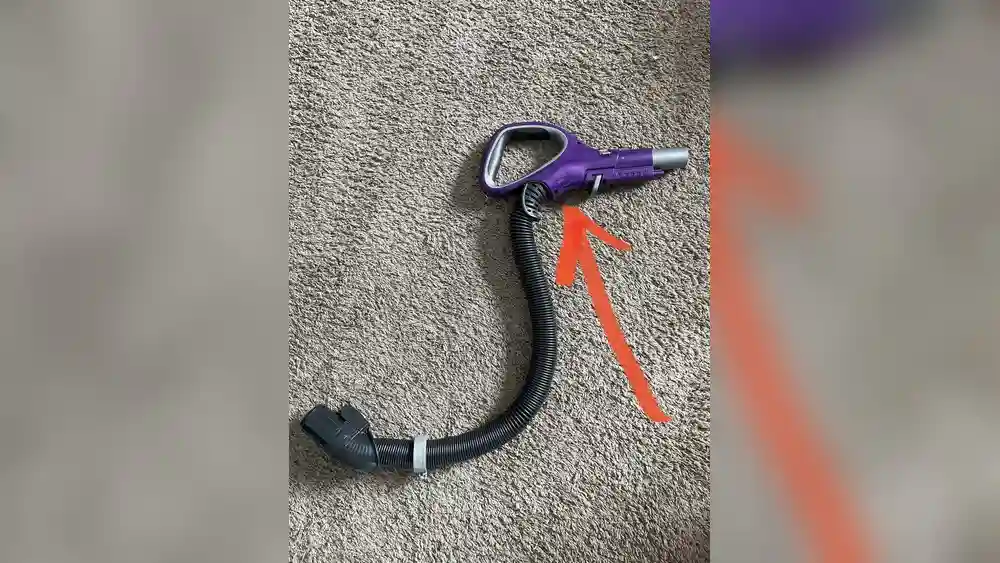
3. Inspect The Hose For Blockages
Hoses are a common place for clogs, especially after vacuuming up string, hair, or large debris.
- Disconnect the hose from both ends.
- Shine a flashlight through the hose to check for blockages.
- If blocked, push a long brush or flexible rod through to dislodge debris.
- Use needle-nose pliers to pull out stubborn clumps.
Some Shark hoses have bends or curves that hide clogs. Move the hose gently as you check.
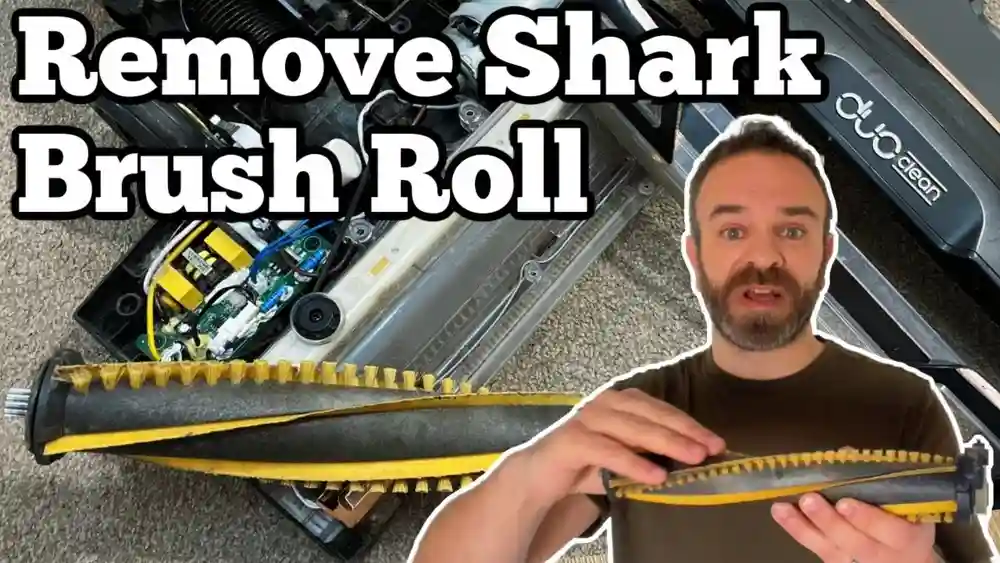
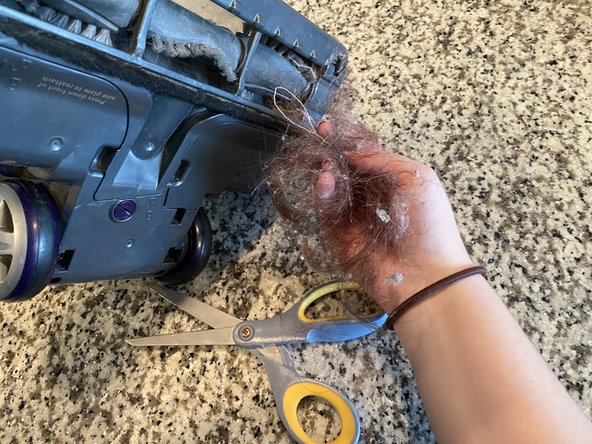
4. Examine The Brush Roll
Long hair, string, or rug fibers can wrap around the brush roll and stop it from spinning.
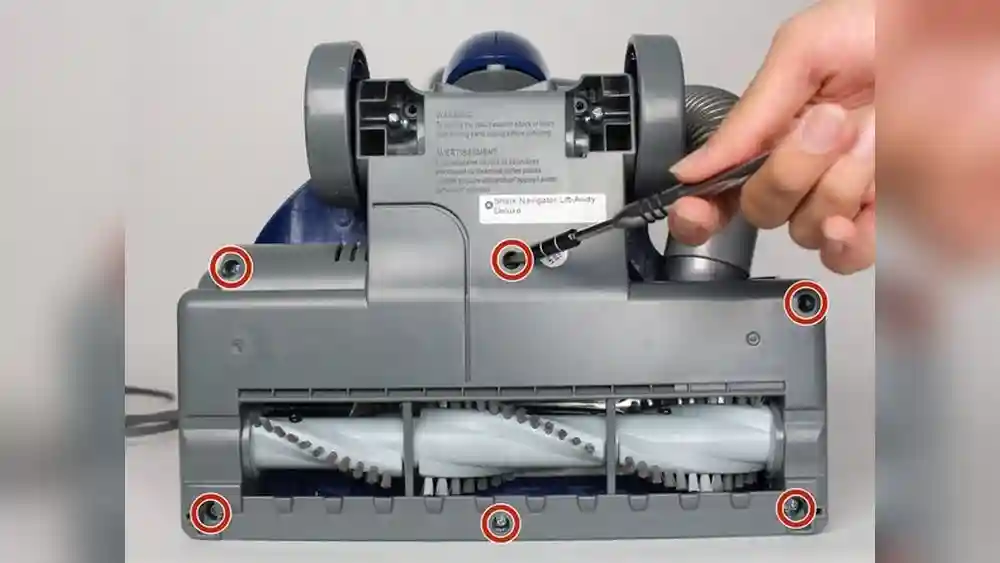
- Flip the vacuum over to access the brush roll.
- Use scissors to cut away hair or string.
- Pull out debris by hand or with pliers.
- Check if the brush roll spins freely after cleaning.
Some Shark models let you remove the brush roll completely for easier cleaning. If yours does, take it out and check both ends for buildup.
5. Look At The Floor Head And Wand
Big debris sometimes gets stuck right at the entrance of the floor head or inside the wand (the long tube that connects the handle to the floor head).
- Remove the wand and check both ends.
- Shine a light to spot blockages.
- Use your brush or pliers to pull out stuck items.
Don’t forget to check small openings where the wand meets the floor head—these tight spots often clog first.
6. Check Small Openings And Air Pathways
Some Shark models have small air pathways, elbows, or valves that can clog.
- Look for airflow indicators or “check airflow” lights on your vacuum.
- Open any access doors and check inside.
- Clean these areas with a small brush or compressed air.
Clogs here can be tricky to find but will make a big difference in suction.
7. Reassemble And Test
Once you’ve checked every part, put your vacuum back together.
- Reattach the hose, filters, and dustbin.
- Plug in the vacuum and test suction on a clean floor.
- Listen for smooth motor sounds and check if debris lifts as expected.
If suction is still weak, repeat the steps above or look for hidden blockages.
Where Shark Vacuums Most Often Clog
Knowing the most common clog points can save you time. Here’s a quick reference:
| Area | Common Cause | How to Check |
|---|---|---|
| Hose | Pet hair, large debris | Remove hose, use flashlight |
| Brush roll | String, carpet fibers | Flip vacuum, inspect roll |
| Wand | Small toys, socks | Detach and look through |
| Floor head opening | Large debris buildup | Check entrance visually |
| Filters | Fine dust, pet dander | Remove and inspect/clean |
Most blockages are found in these spots. If you check all of them, you’ll almost always find the problem.
How To Unclog Different Shark Vacuum Models
Different Shark vacuums have unique features, so a few steps may vary. Here’s how to handle popular types.
Upright Shark Vacuums
Upright models like the Shark Navigator or Shark Rotator have a standard dustbin, long hose, and wide floor head.
- The wand often clogs with large debris.
- The brush roll cover may be removable for deeper cleaning.
- Some models have a “Lift-Away” feature to separate the canister for easier access.
Stick Shark Vacuums
Slim models like the Shark Rocket or Shark IONFlex are lighter but have smaller dustbins and thinner hoses.
- The hose can clog quickly with hair or dirt.
- The dustbin fills fast, so empty it often.
- Some sticks have removable batteries—take them out before unclogging.
Robot Shark Vacuums
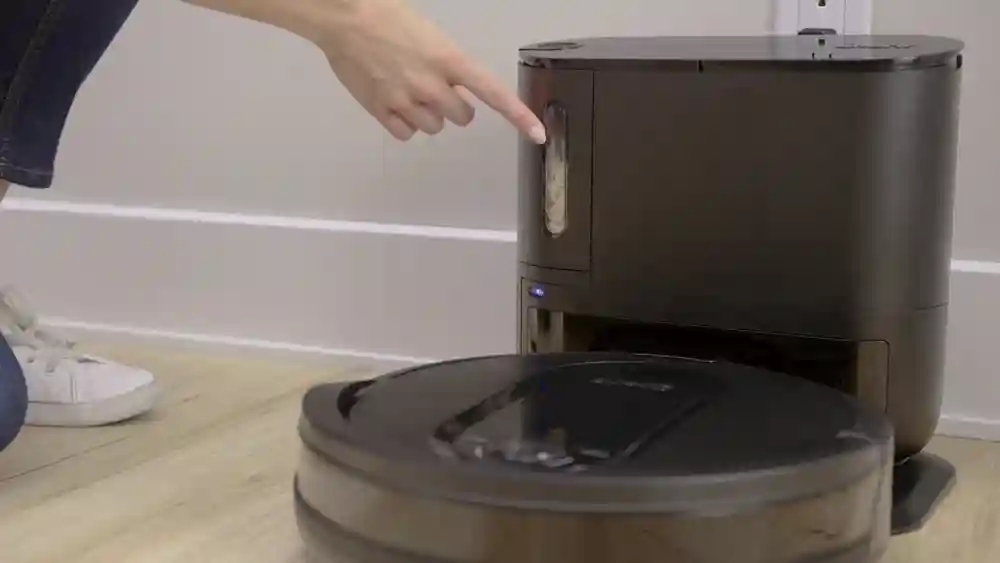
Robot models like the Shark IQ Robot or Shark AI Robot have small dustbins and brush rolls.
- Most clogs are at the brush roll or dustbin entrance.
- Remove the brush roll and side brushes for thorough cleaning.
- Wipe sensors gently to keep navigation working.
Canister Shark Vacuums
These models have a separate canister and flexible hose.
- The hose is longer and more prone to clogs.
- Check both ends of the hose and the floor attachment.
- Canister vacuums often have extra filters—clean all of them.
Credit: www.ifixit.com
Table: Quick Comparison Of Shark Vacuum Types And Clog Risks
Here’s a quick look at how clog risks differ by Shark model:
| Vacuum Type | Most Likely Clog Area | Ease of Unclogging |
|---|---|---|
| Upright | Wand, brush roll | Moderate |
| Stick | Hose, dustbin | Easy |
| Robot | Brush roll, dustbin entrance | Easy |
| Canister | Flexible hose | Moderate |
What If The Clog Is Hard To Remove?
Sometimes, debris gets jammed deep inside where you can’t reach it. Here’s what you can do:
- Try a flexible plumbing snake or drain cleaning tool.
- Use a vacuum cleaner attachment from another vacuum to suck or blow the blockage out.
- Tap the hose gently on the ground to loosen stuck debris.
- If you can’t remove the clog, check your warranty or call Shark customer support.
Never force tools into small spaces—you could damage the hose or motor.
Credit: www.youtube.com
Preventing Future Clogs In Your Shark Vacuum
Fixing a clog is good, but stopping them before they happen is even better. Here’s how to keep your Shark running smoothly.
Empty The Dustbin Regularly
Don’t wait until the dustbin is packed. Empty it after every use or when it’s half full. This keeps airflow strong.
Clean Filters Monthly
Set a reminder to wash your filters every month. Replace them every 6–12 months or as recommended by Shark.
Avoid Large Debris
Pick up coins, paper clips, or large objects before vacuuming. These items can block hoses or damage the brush roll.
Cut Hair And String From Brushes
If you have pets or long hair, cut tangled hair from the brush roll every week. This prevents jams and keeps the brush spinning.
Check The Hose And Wand Often
Every few weeks, look through the hose and wand to make sure nothing is building up. It takes less than a minute.
Use The Right Vacuum Setting
Many Shark vacuums have settings for hard floors or carpet. Use the correct setting for your floor type. Using the wrong setting can trap debris in the brush roll.
Store Your Vacuum Properly
Store your Shark vacuum in a clean, dry place. Avoid winding the hose too tightly, as this can weaken or kink it, trapping debris inside.
How Often Should You Unclog Or Clean Your Shark Vacuum?
Many people wait until there’s a problem to check for clogs. Regular maintenance prevents most issues:
- Dustbin: Empty after every use.
- Filters: Check and clean monthly.
- Hose and brush roll: Inspect every 1–2 months.
- Full deep clean: Every 3–6 months.
If you have pets, large carpets, or vacuum often, check more frequently.
Real-world Example: Unclogging A Shark Navigator
Let’s walk through a real example with a popular model: the Shark Navigator Lift-Away.
- After noticing weak suction, unplug the vacuum.
- Remove the dustbin and empty it fully.
- Take out both filters, tap off dust, and rinse with water. Let dry.
- Detach the hose from the handle and floor head. Shine a flashlight through. Use a bottle brush to push out a hairball near the middle.
- Flip the vacuum over and see hair wrapped around the brush roll. Cut it away with scissors.
- Reassemble the vacuum. Test suction—it’s back to normal.
Most people miss the filter cleaning step. Even if the blockage is in the hose, dirty filters can reduce airflow. Always check both!
Table: Signs Of Clog Vs. Other Shark Vacuum Problems
Not every problem is a clog. Here’s how to tell:
| Symptom | Likely Clog | Other Possible Cause |
|---|---|---|
| Weak suction | Yes | Motor damage, full dustbin |
| Brush not spinning | Maybe | Belt broken, motor issue |
| Burning smell | Yes | Motor overheating |
| Vacuum won’t turn on | No | Power cord, fuse, switch |
If your vacuum won’t turn on at all, the problem is usually not a clog.
Two Insights Beginners Miss
Many people focus on the obvious dustbin or hose but forget these two key points:
- Filters can clog before they look dirty. Even a thin dust layer can block airflow. Wash or replace filters regularly, not just when they appear dirty.
- Check all airflow points, not just the main hose. Clogs often hide in small bends or where the hose meets the vacuum body. Use a flashlight and check every connection.
Missing these steps can leave your Shark vacuum working poorly, even if you think you’ve cleaned everything.
When To Call For Professional Help
Some clogs are too deep, or the vacuum is damaged. Call for professional repair if:
- You can’t remove the blockage after several tries.
- The vacuum smells like burning plastic after cleaning.
- The motor is making loud grinding noises.
- Parts won’t go back together or feel loose.
Most Shark vacuums come with a warranty. If your vacuum is new, contact Shark Customer Service for advice or repairs.

Credit: www.youtube.com
Frequently Asked Questions
Why Does My Shark Vacuum Keep Clogging?
Frequent clogs are usually caused by vacuuming up too much hair, large debris, or using a dirty filter. Empty the dustbin often and clean filters monthly. Avoid vacuuming items too big for your model.
Can I Use A Coat Hanger To Unclog My Shark Vacuum Hose?
A coat hanger can help with big clumps, but it can scratch or puncture the hose if you’re not careful. Use a flexible brush or plumbing snake instead for safety.
How Do I Know If The Vacuum Motor Is Damaged?
Signs of motor damage include loud grinding noises, a burning smell, or the vacuum shutting off quickly. If cleaning clogs doesn’t solve these problems, call for repair.
Are Shark Vacuum Filters Washable?
Most Shark foam and felt filters are washable, but HEPA filters may not be. Check your manual to see which filters you can wash. Always let filters dry completely before using.
What Should I Do If My Shark Vacuum Still Has No Suction After Unclogging?
Double-check all hoses, filters, and the brush roll. Make sure everything is dry and reassembled correctly. If the problem remains, there may be a deeper blockage or a motor issue—contact Shark support for help.
Keeping your Shark vacuum running strong is mostly about regular cleaning and quick action when clogs appear. With these steps, you can keep your vacuum in great shape for years and enjoy a cleaner home with less hassle.