Vacuuming is a regular part of cleaning for most homes, but not everyone knows how a bagless vacuum cleaner actually works. These modern machines have changed the way we clean, making it easier and less expensive than traditional bagged models. If you've ever wondered what happens inside your vacuum after you press the start button, you're not alone. This article will break down the mechanics, benefits, and even the small details many people miss when it comes to bagless vacuum cleaners.
The Core Mechanism Of Bagless Vacuum Cleaners
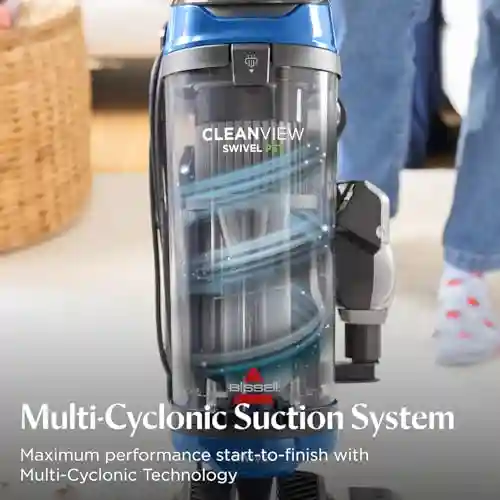
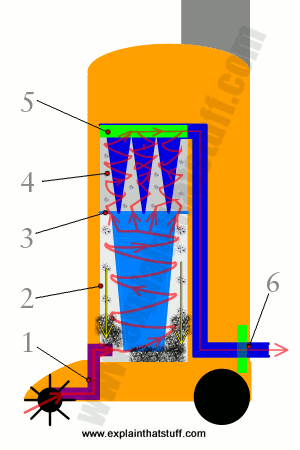
Bagless vacuum cleaners use a simple idea: remove dust and dirt from the air without using a disposable bag. Instead, they rely on a cyclonic separation system. When you turn on the vacuum, the motor creates strong suction. This draws air, dust, and debris into the machine.
Inside, the air and particles enter a cylinder or chamber. Here, the air spins in a fast, circular motion, much like a mini tornado. This spinning action forces heavier particles like dust, hair, and crumbs to the sides of the chamber.
Gravity helps these particles drop into a clear collection bin, which you can see and empty.
The cleaned air then passes through one or more filters, usually a HEPA filter, to catch the tiniest dust and allergens before the air leaves the machine. This means the air that comes out is usually cleaner than the air that went in.
Key Components And Their Functions
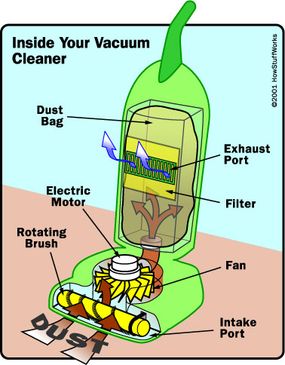
Understanding the main parts of a bagless vacuum helps you see why these machines are so effective.
- Suction Motor: This is the engine of your vacuum. It creates the airflow that picks up dirt.
- Cyclone Chamber: Where the air spins quickly to separate dust from the air.
- Dust Collection Bin: Catches the dirt and debris for easy disposal.
- Filters: Traps fine dust and allergens, especially important for allergy sufferers.
- Brush Roll or Beater Bar: Located in the cleaning head, it helps lift dirt from carpets and floors.
- Exhaust Outlet: Where filtered, clean air exits the vacuum.
Many bagless vacuums also include extra tools and nozzles for cleaning furniture, curtains, or tight spaces.
Credit: home.howstuffworks.com
Cyclonic Separation: The Secret Power
The heart of a bagless vacuum is its cyclonic separation. When air and dust move into the chamber, the quick spinning forces heavier particles to the edge, separating them from the air. The process is so effective that some vacuums use two or more cyclones for even better filtration.
Here’s a simple comparison of single-cyclone and multi-cyclone technology:
| Feature | Single-Cyclone | Multi-Cyclone |
|---|---|---|
| Number of Chambers | 1 | Multiple |
| Filtration Efficiency | Good | Excellent |
| Clogging Risk | Higher | Lower |
| Maintenance | More frequent | Less frequent |
Most modern bagless vacuums use multi-cyclone systems for better performance.
How Airflow And Filtration Work
After the cyclonic action removes most dirt, the air still carries fine dust. This is why HEPA filters are crucial. These filters can trap particles as small as 0.3 microns—too tiny to see. For people with allergies, this step is important.
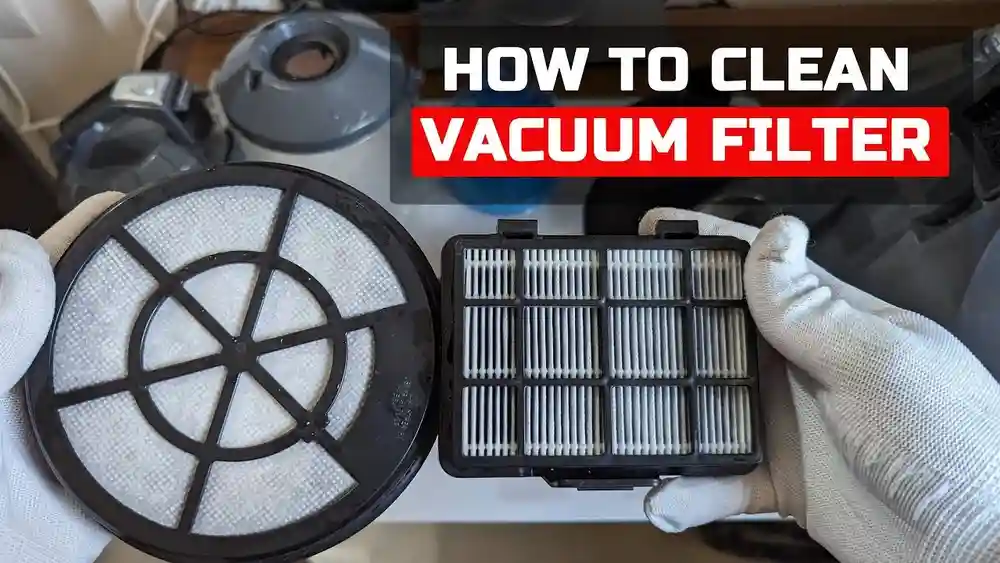
Some vacuums have washable filters you can clean and reuse. Others need you to replace the filters every few months. Always check your vacuum’s manual for the right steps.
Step-by-step Cleaning Process
Here’s what happens, step by step, when you vacuum with a bagless model:
- Turn On the Vacuum: The motor starts, creating powerful suction.
- Suction Pulls In Dirt: Air, along with dust and debris, is drawn into the vacuum.
- Cyclonic Separation Begins: Air spins inside the chamber, and heavier particles move to the bin.
- Fine Filtration: Remaining dust passes through one or more filters.
- Clean Air Released: The vacuum releases clean air back into your room.
Benefits Over Bagged Models
Bagless vacuums offer several clear advantages:
- No Bags to Buy: You save money and avoid running out of bags.
- Easy to See Dirt: The clear bin lets you see when it’s time to empty.
- Eco-Friendly: Less waste because you don’t throw away bags.
- Consistent Suction: Many bagless vacuums keep strong suction even as the bin fills.
But there are a few things to keep in mind. Some people find emptying the bin can release dust, and filters need regular cleaning.
Credit: www.explainthatstuff.com
Common Mistakes And How To Avoid Them
Many beginners make small mistakes that can reduce their vacuum’s life or power:
- Letting the bin overfill: Empty the bin before it reaches the “max” line. Overfilling can block airflow and damage the motor.
- Ignoring filter cleaning: Dirty filters lower suction and can lead to motor problems. Wash or replace filters as recommended.
- Using the wrong attachments: Use the right nozzle for the job—carpet, hard floor, or upholstery.
Here’s a quick look at what happens if you neglect maintenance:
| Maintenance Task | What Happens if Ignored |
|---|---|
| Emptying Dust Bin | Reduced suction, possible motor stress |
| Cleaning Filters | Dust blows back, more allergens, weak suction |
| Checking for Blockages | Vacuum overheats, may shut off |
Real-world Example
Let’s look at the Dyson Ball Animal 2, a popular bagless vacuum. It uses multi-cyclone technology, a washable HEPA filter, and a large clear bin. This model is known for its strong suction and is a good example of how powerful a well-designed bagless vacuum can be. According to Dyson, its vacuums can remove up to 99.97% of particles as small as 0.3 microns.
Bagless Vs. Bagged: Quick Comparison
Choosing between bagless and bagged models? Here’s a simple comparison:
| Feature | Bagless | Bagged |
|---|---|---|
| Ongoing Cost | Low (no bags to buy) | High (bags needed) |
| Maintenance | Clean filters, empty bin | Replace bags |
| Allergy Control | Can release some dust | Less dust exposure |
| Eco-Friendliness | Less waste | More waste (bags) |
Two Insights Most People Miss
- Bin design affects cleaning: Some bins empty from the bottom, which releases less dust into the air. Others require you to reach in, which can be messier.
- Cyclone count matters: More cyclones usually mean better dust separation, less clogging, and less filter cleaning.
Credit: www.youtube.com
Final Thoughts
Bagless vacuum cleaners offer a smart, modern way to keep your home clean. Their cyclonic separation and reusable bins save money and reduce waste. While you do need to clean filters and empty the bin often, the benefits are clear—strong suction, easy use, and eco-friendly design. Remember to follow the manufacturer’s maintenance tips for best results. For more about the science behind cyclonic separation, check out this Wikipedia article.
Frequently Asked Questions
How Often Should I Empty The Dust Bin?
You should empty the bin when it reaches the “max” line or after every cleaning if you vacuum a large area. This keeps suction strong and prevents dust from escaping.
Do I Need To Wash The Filters?
Yes. Most bagless vacuums have washable filters. Clean them every 1-3 months, or as your manual suggests. A clean filter means better air quality and strong suction.
Are Bagless Vacuums Good For Allergies?
They can be, especially models with HEPA filters. However, emptying the bin can release dust. If you have allergies, empty the bin outdoors and clean filters regularly.
What Is Cyclonic Separation?
It’s the process where air spins quickly inside the vacuum, using centrifugal force to push dust and debris into the bin, while cleaner air moves through filters and out of the machine.
Can I Use A Bagless Vacuum On All Floor Types?
Most bagless vacuums work on carpet, tile, and hardwood. Many include special brushes or settings for different surfaces. Always check if your model is suitable for the floors in your home.