Artificial grass has become a popular choice for homeowners, pet owners, and sports facilities. It looks neat, requires less maintenance, and saves water. But one common question comes up: Does artificial grass smell after rain? If you’re considering installing synthetic turf, or you already have it, understanding why smells can happen—and how to prevent them—can make your experience much more pleasant.
Let’s break down what really happens to artificial grass after rain, what influences odors, and what you can do to keep your lawn fresh.
Why Artificial Grass Might Smell After Rain
Artificial grass itself is made from plastic fibers, usually polyethylene or polypropylene. These materials do not absorb water and, by themselves, don’t produce a strong odor after rain. However, there are other factors that can cause smells, especially after heavy rainfall.
What Causes The Odor?
- Organic Material Build-up: Leaves, pollen, pet waste, and other debris can settle between the grass blades. When rainwater hits these materials, it can release trapped odors.
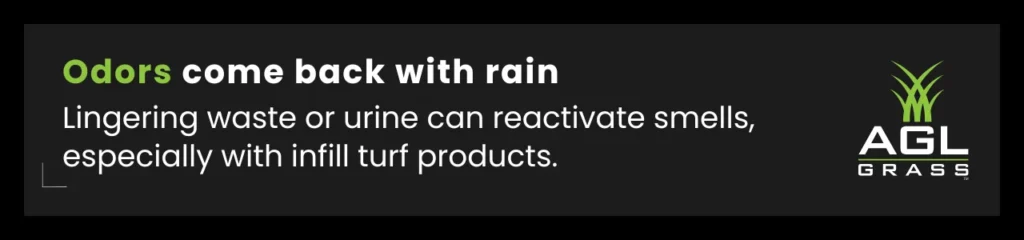
- Pet Urine and Waste: If you have pets, their urine can seep into the infill or underlay. Rain can reactivate ammonia in the urine, making the smell stronger.
- Poor Drainage: If water does not drain well, it can create a damp environment. This can lead to bacteria and mold growth, which can produce a musty smell.
- Type of Infill: Some infills, like crumb rubber, can hold smells more than others. The wrong infill can make the odor problem worse.
When Does The Smell Get Worse?
Smells are usually stronger:
- Right after a heavy rainstorm.
- In hot, humid weather when water evaporates quickly.
- If the grass is not cleaned regularly.
How Artificial Grass Drains Water
Proper drainage is key to keeping artificial grass odor-free. Most modern turf systems are designed with a perforated backing that allows water to pass through.
Here’s a simple comparison of drainage rates for different artificial grass backings:
| Backing Type | Drainage Rate (in/hr) | Odor Risk |
|---|---|---|
| Perforated | >60 | Low |
| Non-perforated | <10 | High |
| Double-layered | 30–50 | Medium |
Good drainage allows rainwater to flush away contaminants. If your artificial grass does not drain well, water can pool, causing lingering smells.

Credit: justgrass.ie
Role Of Infill In Artificial Grass Odors
Infill is the material spread between the blades to keep them upright and to cushion the surface. The type of infill used can affect how your turf smells after rain.
Common Types Of Infill
| Infill Type | Odor Control | Cost |
|---|---|---|
| Silica Sand | Fair | Low |
| Crumb Rubber | Poor | Low |
| Zeolite | Excellent | Medium |
| Antimicrobial Infill | Excellent | High |
Zeolite is a popular choice for pet owners, as it absorbs ammonia from pet urine and reduces smells, even after rain. Antimicrobial infill contains agents that stop bacteria growth, further lowering the chance of odors.
Real-world Data: How Common Is The Smell Problem?
Surveys among synthetic turf owners show:
- About 15–20% report a noticeable smell after rain.
- The percentage is higher (30–40%) for pet owners who do not clean their grass regularly.
- Smells are rare (less than 5%) in well-installed, well-maintained lawns without pets.
These numbers suggest that, for most people, artificial grass does not smell badly after rain—unless certain conditions are present.
How To Prevent Smells After Rain
Smell is not inevitable. Here are practical steps to keep your artificial grass fresh:
- Remove debris regularly. Use a leaf blower or stiff broom to clear leaves, twigs, and dirt.
- Rinse with water. Lightly spray the surface every week, especially in dry climates.
- Clean pet waste immediately. Solid waste should be removed, and the area rinsed with water.
- Use enzyme cleaners. These break down organic matter and neutralize pet urine.
- Install proper drainage. If your lawn has low spots or poor drainage, consult an installer to improve it.
- Choose the right infill. Pet owners should invest in zeolite or antimicrobial infill.
- Brush the turf. This loosens trapped dirt and helps water flow through the backing.
If you live in an area with frequent rain, these steps are even more important.
The Role Of Installation Quality
A well-installed artificial grass system drains water quickly and minimizes odor risk. Problems often arise from shortcuts during installation, such as:
- Using a thin base layer that does not allow water to flow.
- Not grading the area for proper runoff.
- Installing on compacted soil with poor absorption.
Ask your installer about the base materials and drainage plan. Proper installation is just as important as the turf quality.
What If Your Artificial Grass Already Smells?
If you notice a strong odor after rain, act quickly:
- Identify the cause. Is it pet urine? Decaying organic material? Mold?
- Deep clean the area. Use an enzyme cleaner or a vinegar solution (1 part vinegar to 1 part water). Rinse thoroughly.
- Check drainage. Make sure water is not pooling or draining slowly.
- Replace infill if necessary. Over time, infill can become saturated with odor. Swapping it for fresh zeolite or antimicrobial infill can help.
- Aerate the surface. Use a turf rake to lift the blades and expose the backing to air.
Pro Tip: If the smell is persistent and you’ve tried cleaning, consult a professional installer. Sometimes, underlying issues (like a compacted base or wrong underlay) may need to be fixed.
Comparing Artificial Grass To Real Grass After Rain
Some people think artificial grass smells worse than real grass after rain, but this is not always true.
| Surface | Smell After Rain | Reason for Odor |
|---|---|---|
| Artificial Grass | Rare (if clean) | Pet urine, organic debris, poor drainage |
| Natural Grass | Common (earthy smell) | Soil bacteria, mold, decaying grass |
Natural grass creates a classic “earthy” or “fresh cut” smell after rain, which many people find pleasant. Artificial grass, if maintained well, should have little to no odor—except for rare cases related to pets or debris.
Two Insights Most People Miss
- The base layer under artificial grass is as important as the turf itself. Many people focus only on the surface fibers and infill, but the crushed rock or sand base is what allows water (and odors) to move away quickly. If the base is too compact or poorly graded, water will not drain—even the best turf can smell bad in this situation.
- Enzyme cleaners are more effective than regular soap or bleach. Enzymes break down the actual molecules that cause bad smells (like ammonia in pet urine). Soap and bleach might cover up smells temporarily but do not solve the underlying problem. Enzyme cleaners are especially important for pet owners.
Can Artificial Grass Smell Be Harmful?
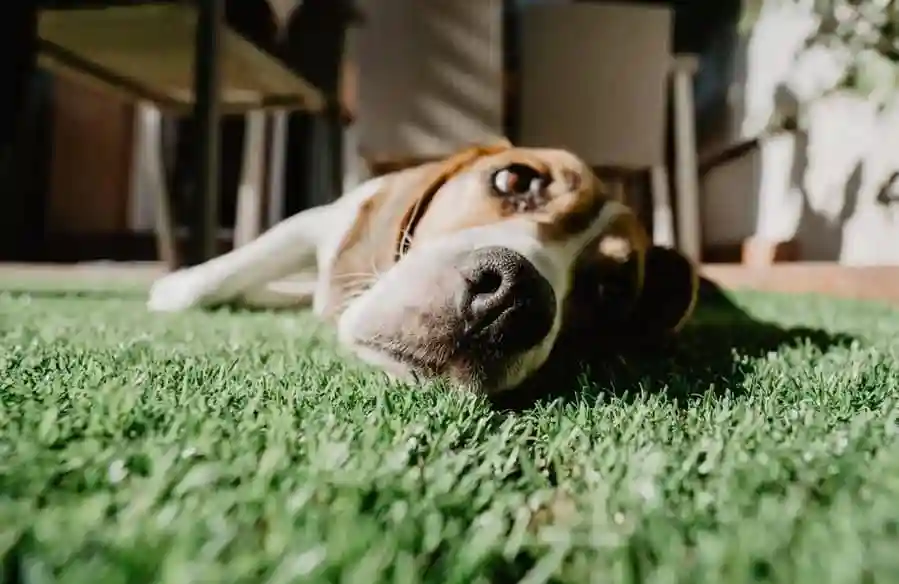
Most artificial grass smells are not dangerous. Ammonia from pet urine can irritate sensitive noses but is not usually a health threat outdoors. However, mold or mildew smells could mean there is a drainage problem. Long-term exposure to mold can trigger allergies in some people.
To be safe, always address persistent or strong odors, especially if you have children or pets.
Credit: dfwturf.com
Environmental Impact: Does Rain On Artificial Grass Create Runoff Problems?
When rain falls on artificial turf, water runs off just like on real grass. The main difference is that water does not soak into the ground as much. In areas with heavy rainfall, make sure your installation includes:
- A permeable base layer.
- Proper grading to direct water away from buildings.
- Drains or French drains if needed.
Poor installation can lead to puddling or runoff, which may cause smells and even damage your yard. For more details on water management and synthetic turf, visit the Wikipedia page on artificial turf.
Is Artificial Grass Right For You If Odor Is A Concern?
If you have pets, live in a humid climate, or want very low maintenance, artificial grass can still be a smart choice. Just be sure to:
- Select turf with good drainage.
- Use the right infill, especially for pets.
- Clean regularly.
- Insist on a professional installation.
For most homeowners, occasional smells after rain are rare and easy to manage. With the right choices, you can enjoy a green, clean lawn year-round.
Credit: aglgrass.com
Frequently Asked Questions
Does All Artificial Grass Smell After Rain?
No, most artificial grass does not smell after rain. Odors usually come from trapped organic material or pet urine. If the turf is kept clean and drains well, it should not smell.
How Can I Remove Pet Urine Smell From Artificial Grass After Rain?
Clean solid waste quickly, rinse with water, and use an enzyme cleaner. For persistent smells, consider adding zeolite infill, which absorbs ammonia from urine.
Is The Smell From Artificial Grass Dangerous For Children Or Pets?
Most smells are just unpleasant, not harmful. However, mold or mildew can trigger allergies in some people. If you notice a strong or musty odor, clean the area and check for drainage issues.
Will Heavy Rain Wash Away All Smells From Artificial Grass?
Heavy rain can help rinse away some contaminants, but it can also reactivate trapped odors, especially from pet urine. Regular cleaning is still necessary for best results.
What Type Of Infill Is Best To Prevent Odors In Artificial Grass?
Zeolite and antimicrobial infill are the best options for odor control, especially if you have pets. Avoid crumb rubber if smell is a concern.
Artificial grass can be a great investment for your yard or play area. With proper maintenance and smart choices during installation, you can keep your synthetic turf fresh and odor-free—even after a heavy rain.