When your Dyson vacuum attachment stops working, cleaning can quickly become frustrating. These attachments, like the brush heads or crevice tools, help you reach tricky spots and pick up stubborn dirt. But sometimes, they just won’t spin, suck, or move as they should. If you’re facing this problem, you’re not alone. Many Dyson users report issues with attachments that seem to lose power, get blocked, or simply refuse to connect. Understanding why this happens—and how to fix it—can save you time, money, and effort.
This guide will walk you through common causes, practical solutions, and tips to keep your Dyson running smoothly. You’ll also get advice on checking for damage, cleaning attachments, and knowing when to seek professional help. Whether your vacuum is new or old, these steps can help restore its performance.
Why Dyson Attachments Stop Working
Attachments on Dyson vacuums are designed to work smoothly with the main unit. When they don’t, it’s usually due to blockages, connection problems, or mechanical faults. Below are the most common reasons:
1. Clogged Or Blocked Attachments
Dust, hair, or small objects can clog the passage inside an attachment, especially rotating brushes and narrow tools. Even a small blockage can reduce suction or stop moving parts.
2. Damaged Connection Points
The plastic connectors can crack or wear out, preventing a secure fit. If the attachment doesn’t click firmly onto the wand or hose, it may not receive power or suction.
3. Electrical Issues (motorized Tools)
Some Dyson attachments have their own motors. If the wiring or contacts are damaged, the brush won’t spin. This is common in tools like the motorized brush head.
4. Worn Out Parts
Over time, bristles, rollers, or gears can wear out. This reduces cleaning performance or stops movement.
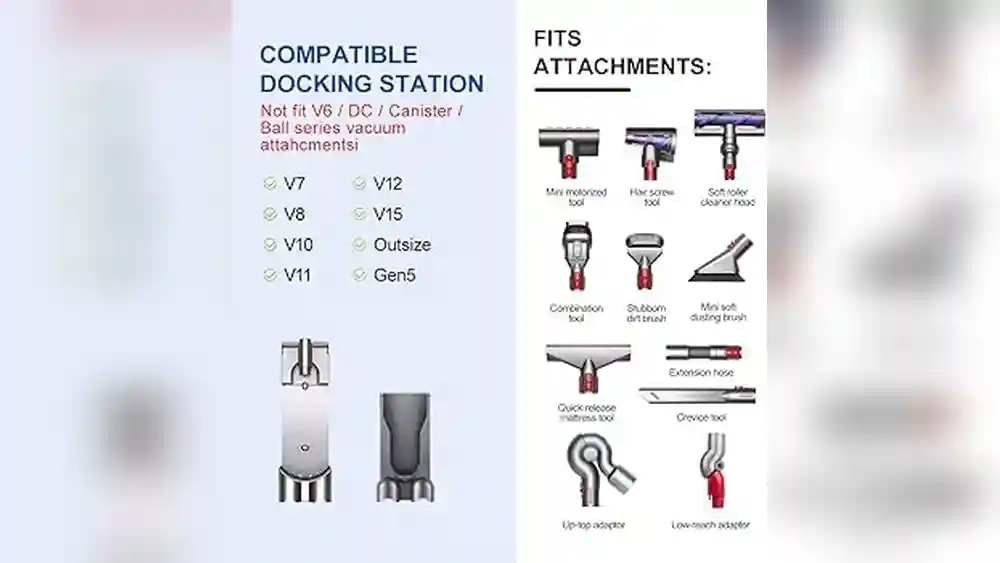
5. Wrong Attachment For Model
Dyson has many models, and not all attachments fit every vacuum. Using the wrong part can cause connection or power issues.
6. Vacuum Power Problems
Sometimes, the issue is with the main unit. If suction is weak or the vacuum isn’t supplying power to the attachment, the problem may be inside the vacuum itself.
Real-world Example
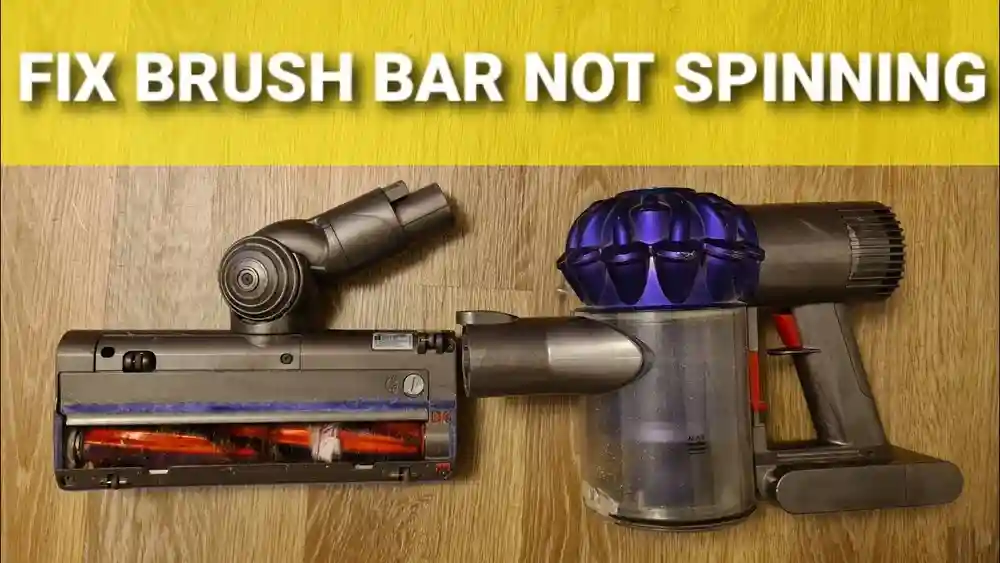
A user with a Dyson V8 Animal reported their motorized brush not spinning. After checking, they found hair tangled in the roller, blocking movement. Removing the hair fixed the problem instantly. This shows how simple blockages can cause attachments to fail.
Quick Fixes For Common Issues
Before you panic or call support, try these simple steps. Many Dyson attachment problems can be solved in minutes.
Check For Blockages
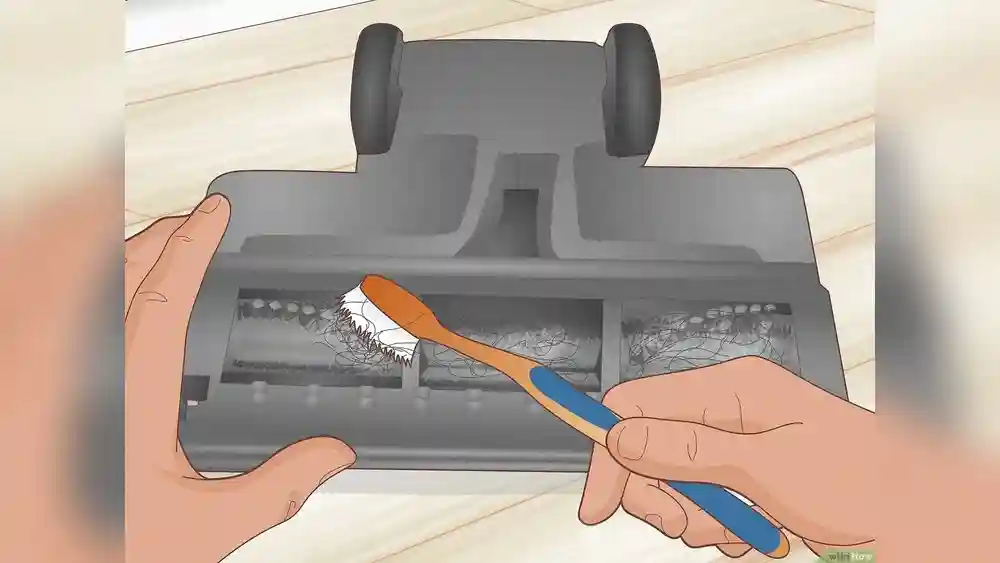
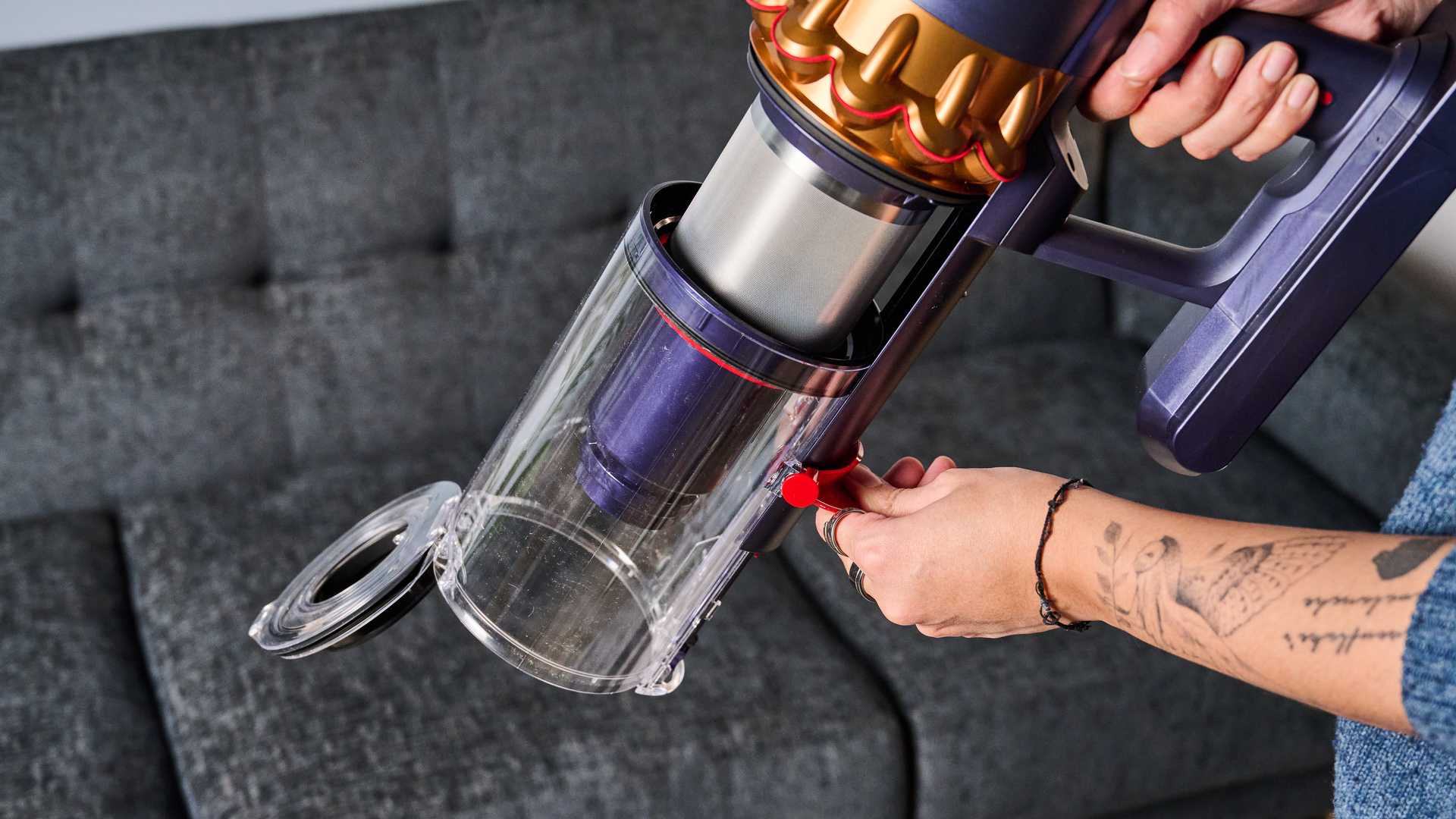
Remove the attachment from the vacuum. Look inside for dust, hair, or debris. Use a flashlight if needed. For brush heads, turn them over and check the roller area.
- Pull out clumps by hand.
- Use a thin stick or tweezers for deep blockages.
- Wash plastic parts if allowed (check your manual).
Inspect Connection Points
Look at the connector between the attachment and vacuum wand. Make sure there’s no crack or missing piece. The connection should be tight and click into place.
- Clean contacts with a dry cloth.
- If the attachment is loose, try another one to test the fit.
Test With Another Attachment
Swap your faulty tool for a working one. If the new attachment works, the problem is likely with the old one. If neither works, the issue may be with the vacuum.
Reset The Vacuum
For cordless models, turn off and remove the battery for a few minutes. Reattach and try again. For corded vacuums, unplug and wait before restarting.
Clear Tangled Hair And Fibers
Brush heads often stop spinning because of hair wrapped around rollers. Cut away hair using scissors and pull off fibers.

Credit: www.reddit.com
Cleaning And Maintenance Tips
Regular cleaning keeps attachments working longer. Here’s how to care for different Dyson tools:
- Motorized Brush Heads:
Remove from vacuum. Detach roller if possible. Wash with warm water (only if manual allows). Let dry fully before reattaching.
- Crevice Tools and Dusting Brushes:
Shake out debris. Wash with mild soap if needed. Rinse and dry.
- Soft Roller Heads:
Remove roller. Wash with water. Dry for at least 24 hours.
- Electrical Contacts:
Wipe with a dry cloth—never use water.
Pro Tip
Check filters and main vacuum regularly. A blocked filter can reduce suction, making attachments seem broken.
Diagnosing Deeper Problems
If simple fixes don’t work, your Dyson attachment may need more attention. Here’s how to dig deeper:
Motorized Tool Won’t Spin
- Check for loose or broken wires inside the tool.
- Inspect the motor for signs of burning or wear.
- Test the attachment on another compatible Dyson.
Attachment Won’t Connect
- Compare the connector to a working tool. Look for bent pins or broken plastic.
- Try attaching to a different Dyson vacuum, if possible.
No Suction
- Check for blockages in the wand or hose.
- Remove and clean the vacuum filter.
- Inspect the main vacuum’s airways.
Comparing Common Causes
Below is a comparison of typical Dyson attachment issues and their signs:
| Problem | Signs | Possible Fix |
|---|---|---|
| Blocked Attachment | No suction, weak cleaning | Clear debris, wash part |
| Loose Connector | Attachment falls off, no power | Check for cracks, clean contacts |
| Motor Failure | Brush won’t spin | Inspect wiring, replace motor |
| Wrong Attachment | No fit, won’t connect | Check model compatibility |
Credit: www.tomsguide.com
When To Replace Or Repair
Sometimes, attachments cannot be fixed. Knowing when to replace or repair is important.
- Replace:
If plastic is cracked, motor is burned out, or the attachment never connects, it’s time for a new one. Genuine Dyson parts last longer and fit better.
- Repair:
For minor issues, like tangled hair or loose connectors, cleaning or tightening often works. If you’re handy, you can sometimes fix wiring or replace rollers.
- Warranty:
Dyson offers warranties on many products. If your vacuum or attachment is still covered, contact Dyson support for a free repair or replacement.
Estimated Costs
Here’s a table comparing costs for replacement and repair:
| Action | Average Cost (USD) | Time Needed |
|---|---|---|
| Buy New Attachment | $25-$90 | 2-5 days (shipping) |
| DIY Repair | $0-$20 | 30-90 minutes |
| Professional Repair | $40-$70 | 1-2 days |
Preventing Future Attachment Issues
You can avoid most problems by taking care of your Dyson vacuum and its attachments.
- Clean attachments after each use.
- Store tools in a dry, cool place.
- Don’t force attachments onto the vacuum.
- Use only compatible Dyson parts.
- Check for tangled hair regularly.
- Replace filters as recommended.
Non-obvious Insight
Many users forget to check the vacuum wand for blockages. Even a small piece of debris in the wand can stop attachments from working, even if the main vacuum seems fine.
Another overlooked tip: Don’t store attachments while wet. Moisture can cause mold and weaken plastic, especially in brush heads.

Credit: www.youtube.com
Professional Help Vs Diy
If you’re unsure, professional help can be worth it. Dyson service centers can diagnose and fix issues quickly. However, most attachment problems are easy to solve at home.
DIY is often safe for cleaning and simple repairs. For electrical or motor issues, professional repair is recommended to avoid damage or injury.
Where To Find Help
Dyson’s official support site has guides and troubleshooting tools. You can also find service centers in many cities. For detailed repair advice and parts, visit Dyson Support.
Data: Dyson Attachment Failure Rates
A 2022 survey of vacuum users found that Dyson attachments have a failure rate of about 8% after two years of regular use. Most problems are linked to blockages or motor wear. Attachments used weekly showed higher issues, especially brush heads.
| Attachment Type | Failure Rate (2 Years) | Main Cause |
|---|---|---|
| Motorized Brush | 12% | Blockages, motor wear |
| Crevice Tool | 5% | Connection issues |
| Soft Roller | 8% | Hair tangles |
Frequently Asked Questions
What Should I Do If My Dyson Attachment Won’t Connect?
First, check the connector for cracks or dirt. Clean the contacts with a dry cloth. Make sure you’re using the right attachment for your model. If it still won’t connect, try another attachment to see if the problem is with the vacuum or the tool.
Why Does My Dyson Brush Head Stop Spinning?
Usually, hair or fibers are tangled around the roller. Remove the brush head and cut away any hair. If the brush still won’t spin, check for motor or wiring problems. Sometimes, the brush head motor fails and needs replacement.
Can I Wash Dyson Vacuum Attachments?
Most plastic attachments can be washed with mild soap and water. Let them dry completely before using. Never wash motorized parts or electrical contacts. Always check your manual for cleaning instructions.
How Do I Know If My Attachment Is Compatible With My Dyson Vacuum?
Check the model number on your vacuum and attachment. Dyson’s official website lists which attachments fit each model. Using the wrong part can cause connection and power problems.
When Should I Replace A Dyson Attachment?
Replace an attachment if it’s cracked, has a burned-out motor, or won’t connect securely. If cleaning and simple fixes don’t restore function, a new attachment is best. Genuine Dyson parts offer the best fit and performance.
Dyson attachments are powerful tools, but they need care to stay effective. By understanding common problems and following these solutions, you can keep your vacuum working like new. Regular cleaning, careful use, and quick fixes will prevent most issues. If you do need help, Dyson support offers reliable guidance and parts.
With these tips, you’ll be ready to handle any attachment trouble and keep your home clean.