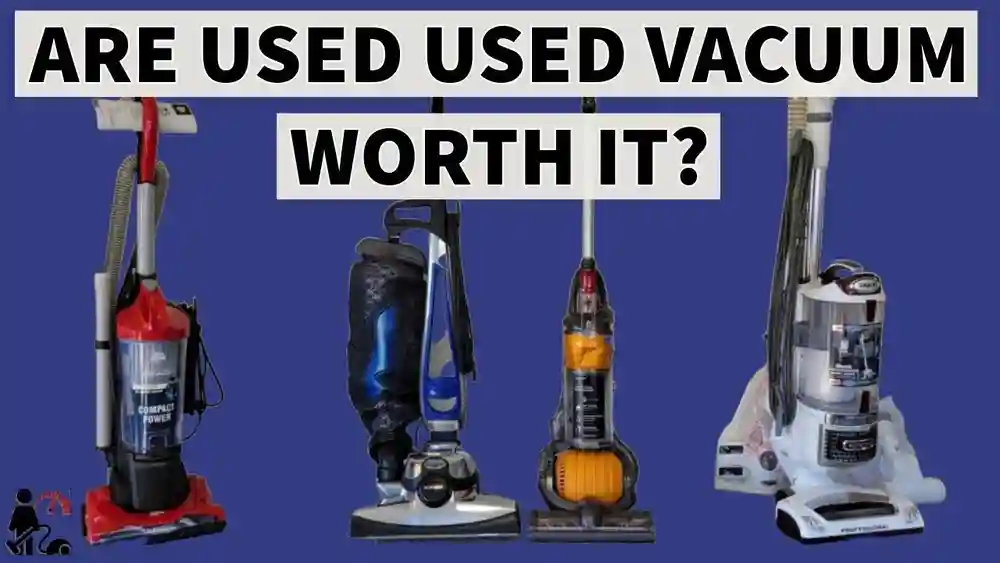
Is It Safe To Buy A Used Vacuum Cleaner
Buying a vacuum cleaner is not always simple. New models can be expensive, and with so many choices, it’s easy to feel lost. For many people, a used vacuum cleaner seems like a smart way to save money. You may find one at a garage sale, a thrift store, or from an online marketplace. But then the big question comes: is it safe to buy a used vacuum cleaner?
This article explores every angle you need to consider, from hygiene concerns and performance issues to the real cost savings. You’ll learn when buying used is a good idea, and when it’s better to buy new. With practical tips, examples, and real comparisons, you’ll get the full picture—so you can make a confident, safe choice.
Why People Consider Used Vacuum Cleaners
Vacuum cleaners are a must-have for most homes. But a brand new one, especially from top brands, can cost a lot. Many people look for cheaper options, and used vacuums are often easy to find.
Main Reasons People Choose Used Vacuums
- Lower Price: You can often get a used vacuum for 40–80% less than a new one.
- Eco-Friendly: Reusing products reduces waste and is better for the environment.
- Access to Higher Quality: You might afford a better brand or model used, compared to buying a basic new one.
- Short-Term Need: Sometimes you need a vacuum for a short time, for example, in a temporary apartment.
But saving money is only part of the story. It’s important to know what risks you face, and what you might miss out on.
Key Risks Of Buying A Used Vacuum Cleaner
1. Hygiene And Health Concerns
One of the biggest worries with used vacuums is hygiene. Vacuums pick up dust, pet hair, bacteria, and even mold. If not cleaned well before sale, these can remain inside. Using an unclean vacuum may spread these in your home.
A study by the University of Arizona found that 50% of tested vacuum cleaners contained bacteria or mold spores, and the risk is higher with older, poorly cleaned models. For people with allergies or asthma, this can be a serious concern.
2. Worn-out Parts And Reduced Suction
Vacuum cleaners rely on moving parts, such as motors, belts, and filters. Over time, these wear out. A used vacuum may have:
- Lower suction power
- Noisy operation
- Worn brushes or rollers
If parts are worn, cleaning performance drops. In some cases, a used vacuum might not pick up dirt well at all.
3. Hidden Damage
It’s hard to know how a previous owner treated the vacuum. Was it dropped? Did it overheat? Has it been repaired before? Hidden cracks or motor issues may not show up until you use it at home.
4. Missing Or Non-original Parts
Some used vacuums are sold without all accessories—like crevice tools or extension wands. Others may have replacement filters or bags that are not original and may not fit properly.
5. No Warranty Or Return Option
When you buy used, you usually get no warranty. If the vacuum breaks soon after, you may not be able to return it or get it fixed for free.
6. Outdated Models
Old vacuums may not have features found in modern ones, such as HEPA filters or bagless designs. Replacement parts for old models may also be hard to find.
Key Benefits Of Buying A Used Vacuum Cleaner
The risks are real, but buying a used vacuum is not always a bad idea. For many, the benefits make sense.
1. Major Cost Savings
A big reason people choose used is price. For example, a new Dyson upright vacuum can cost $400–$600. Used, the same model might be $100–$200, saving you hundreds of dollars.
2. Environmental Impact
Reusing a vacuum keeps it out of landfills. If you care about reducing waste, buying used is a positive step.
3. Access To Better Models
Maybe you want a high-end brand but cannot afford it new. Buying used may put that top model within your budget.
4. Testing A Brand Or Type
If you are unsure about a certain brand or style (upright, canister, stick), buying used lets you try it out before spending a lot.
5. Local Deals
You may find a great deal locally, avoiding shipping costs and getting the vacuum quickly.
What To Check Before Buying A Used Vacuum Cleaner
If you decide to buy used, be careful. A quick check can save you time, money, and headaches.
Physical Inspection Checklist
- Check the power cord: Look for frays or exposed wires.
- Inspect the hose and attachments: Make sure there are no holes or cracks.
- Examine the body: Cracks or heavy scratches may mean rough use.
- Test the wheels and rollers: They should spin smoothly.
- Look at the filter and bag: Are they clean? If not, they may need replacement.
Functional Tests
- Plug in and turn on the vacuum.
- Test suction by placing your hand over the nozzle.
- Listen for strange noises—clunks, rattles, or high-pitched whines.
- Try all settings and attachments.
Smell Test
A strong, musty, or burnt smell can mean mold, pet urine, or a burnt motor. Walk away if the smell is bad.
Review Service History
If possible, ask the seller if the vacuum has had repairs or maintenance. A vacuum with a recent professional cleaning is a better bet.
Research Model Age And Reviews
Search online for the model. See if replacement filters, belts, or bags are still available. Check user reviews for common problems with that model.
Types Of Used Vacuum Cleaners: Which Ones Are Safer To Buy?
Not all vacuums are equal when it comes to buying used. Here’s a quick comparison:
| Type | Pros | Cons | Best For |
|---|---|---|---|
| Upright | Good for carpets, easy to find, simple design | Heavy, can be noisy, harder to clean under furniture | Homes with lots of carpet |
| Canister | Lightweight, good for hard floors, quieter | More parts to check, hoses can wear out | Mixed floor types |
| Stick | Light, easy to store, good for small spaces | Lower suction, batteries can wear out | Quick clean-ups, apartments |
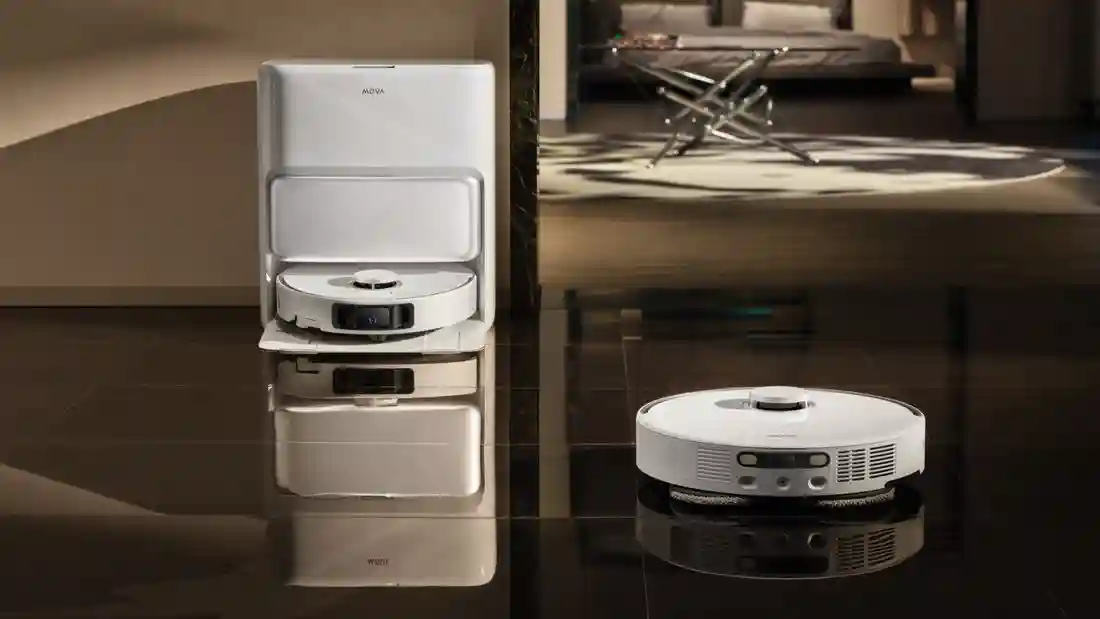
| Robot | Automatic cleaning, smart features | Expensive to fix, battery lifespan is limited | Busy people, tech lovers |
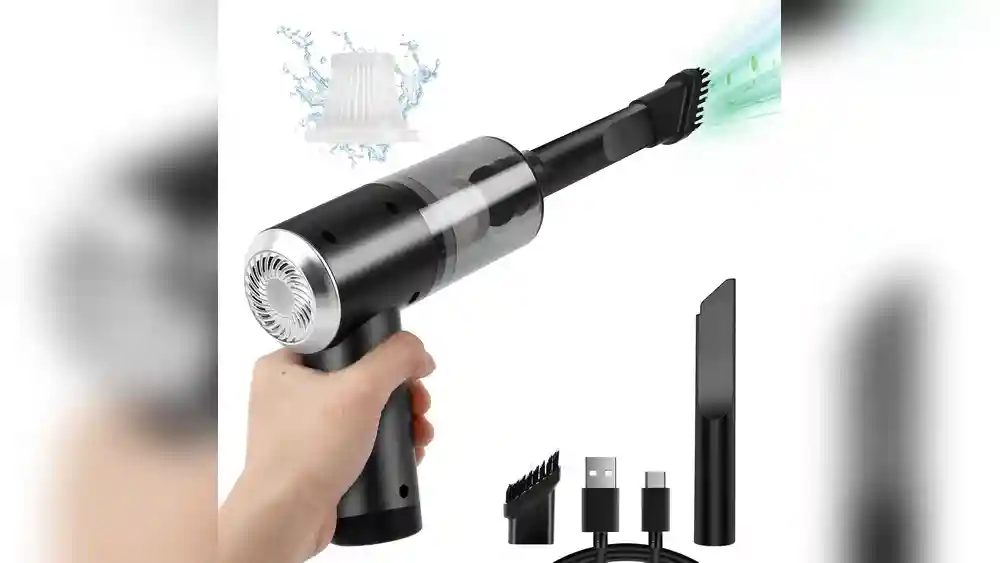
| Handheld | Portable, easy for small messes | Short run time, small dust bin | Cars, stairs, spot cleaning |
Generally, upright and canister vacuums are safer to buy used, as they have fewer parts that wear out quickly. Stick and robot vacuums have batteries that lose power with age, so be cautious unless the battery was recently replaced.
Comparing New Vs. Used Vacuum Cleaners
It helps to see the differences side by side. Here’s a direct comparison:
| Feature | New Vacuum | Used Vacuum |
|---|---|---|
| Price | High ($100–$1,000+) | Low ($20–$400) |
| Warranty | Yes (1–5 years) | Rarely |
| Hygiene | Clean, no odors | Possible dust, odors, allergens |
| Performance | Full suction, all features work | May have reduced suction or broken features |
| Features | Latest technology, energy efficient | May lack new features |
| Parts Availability | Easy to find | Varies by model and age |
| Eco-Friendly | More resources used to make new | Reduces waste |
Where To Buy Used Vacuum Cleaners: Best And Worst Options
Not all sources are equal. Where you buy a used vacuum can affect its safety and quality.
Best Places To Buy Used Vacuums
- Certified Refurbished Sellers: Some brands and big retailers sell refurbished vacuums. These are cleaned, repaired, and tested. They often come with a short warranty.
- Trusted Secondhand Stores: Reputable stores may test and clean vacuums before selling them.
- Online Marketplaces with Reviews: Websites like eBay or Facebook Marketplace allow you to check seller ratings and ask questions.
Riskier Places
- Garage Sales and Flea Markets: Often sold “as is,” with no chance to test.
- Unverified Online Ads: No way to check the vacuum’s history or condition.
- Donation Centers: Items may not be tested or cleaned before sale.
What To Watch For
- Return Policy: Is there one? Even a 7-day return window helps.
- Service Records: Some sellers provide proof of cleaning or repairs.
- Original Packaging: Shows the seller took care of the vacuum.
How To Deep Clean A Used Vacuum Cleaner
If you buy a used vacuum, cleaning it before use is essential. Here’s how to do it safely and thoroughly.
Step-by-step Deep Cleaning Guide
- Unplug and Disassemble: Remove all attachments, filters, and dust bins or bags.
- Clean or Replace Filters: Wash washable filters with mild soap and water. Replace if they look damaged or worn.
- Wipe Down Surfaces: Use a damp cloth and mild cleaner to wipe the body, hose, and attachments.
- Remove Clogs: Check the hose, brush roll, and nozzle for blockages. Use a broomstick or wire to clear them.
- Clean the Brush Roll: Remove hair and threads. Scissors can help.
- Disinfect: Use a disinfectant spray on surfaces, especially the handle and dust bin.
- Let Dry Completely: Before reassembling, make sure all parts are dry to prevent mold.
When To Replace Parts
- Bags: Always use a new bag.
- Filters: Replace HEPA or foam filters if dirty or old.
- Belts: If the brush roll doesn’t spin, the belt may need replacement.
Tip: Some odors will not go away with cleaning. If the vacuum still smells bad, it may have deep mold or motor damage.
Signs A Used Vacuum Is Not Safe To Buy
Knowing when to walk away is just as important as finding a good deal. Watch for these red flags:
- Strong Odors: Musty, burnt, or pet smells.
- No Suction: Weak airflow even after cleaning.
- Excessive Noise: Loud grinding or whining sounds.
- Missing Key Parts: No filter, missing wheels, or broken handle.
- Seller Avoids Questions: Unwilling to let you test or share details.
- Very Old Models: More than 10–15 years old, as parts may be impossible to find.
Common Mistakes When Buying A Used Vacuum Cleaner
Many buyers rush and make errors. Here are some mistakes to avoid:
- Not Testing Before Buying: Always plug in and test if possible.
- Ignoring Odors: Bad smells are very hard to remove.
- Forgetting About Replacement Parts: Older models may need new belts or filters that are hard to find.
- Assuming All Attachments Are Included: Check for missing tools.
- Overpaying: Compare prices with new models. A used vacuum should be much cheaper.
How To Check Value: Used Vs. New Price
Sometimes, a used vacuum is priced too high. To check if you’re getting a good deal:
- Search for the model number online.
- Compare prices for new and used versions.
- Check if the model is discontinued.
- Calculate the cost of any needed parts (filters, bags, belts).
- Remember to add your time and cleaning costs.
A good rule: If a used vacuum costs more than 50% of the new price, and is more than three years old, you may want to pass.
Are There Health Risks With Used Vacuums?
Many people ask if a used vacuum can make them sick. The answer is yes—sometimes. Used vacuums may have dust mites, mold, or bacteria inside. For most healthy people, this is just unpleasant. But for people with asthma, allergies, or weak immune systems, it can cause real problems.
A HEPA filter can help trap allergens, but only if it is clean and in good shape. An old, dirty HEPA filter is almost useless. If you or your family have allergies, be extra careful. Buying new or certified refurbished is safer.
When Is Buying A Used Vacuum A Good Idea?
Buying used makes sense if:
- You have a tight budget and need a basic machine.
- The vacuum is less than five years old.
- It’s from a trusted seller or store.
- All parts are included, and it passes your inspection.
- Replacement parts are easy to find.
For example, buying a gently used Miele or Dyson with low hours is usually a good choice. These brands are made to last and have easy-to-find parts.
When Should You Avoid Used Vacuums?
Skip used vacuums if:
- You have allergies, asthma, or pets and need strong filtration.
- The vacuum is very old or a cheap brand.
- It fails any of the safety checks above.
- The seller cannot answer basic questions.
Sometimes, the risk and work of buying used just aren’t worth it—especially if you can find a good sale on new vacuums.
How Long Should A Vacuum Cleaner Last?
A well-made vacuum can last 8–12 years if cared for. Cheaper brands or heavy use can reduce this to 3–5 years. If you buy a used vacuum, ask about its age and use. If it’s already five years old, you may only get a couple more years out of it.
How To Make A Used Vacuum Safe To Use
After deep cleaning, you can do even more to make a used vacuum safer:
- Replace all filters and bags before first use.
- Run the vacuum for 10–15 minutes outside (garage or patio) to clear out any old dust.
- If possible, use a disinfectant fogger or spray in the dust bin.
- Clean or replace any fabric parts, like bag covers.

Credit: thesweepershop.com
Are Refurbished Vacuums A Better Choice?
Refurbished vacuums are used models that have been restored by the manufacturer or a certified repair center. They are cleaned, repaired, and tested, and often come with a short warranty (30–90 days).
Refurbished models cost more than regular used ones, but are safer and more reliable. For many people, this is the best compromise between saving money and reducing risk.
For more on how refurbishment works, see this Wikipedia article on refurbishment.
Real-world Example: Used Vs. New Dyson Vacuum
Let’s look at a real example:
- New Dyson Ball Animal 2: $499, full warranty, all tools included.
- Used Dyson Ball Animal 2 (three years old): $140 on Facebook Marketplace, missing dusting brush, no warranty.
Buying the used Dyson saves $359, but you need to buy a new filter ($25) and dusting brush ($15). The total cost is $180. If the motor fails in a year, repairs could cost $100–$150.
If your budget is tight, the used Dyson might be worth the risk. But if you want no hassle, the new one is safer.

Credit: www.youtube.com
Data: How Many People Buy Used Vacuums?
According to a 2023 survey by Statista, about 11% of vacuum cleaner buyers in the US bought a used or refurbished model in the last year. The main reasons were price and temporary need.
Of those who bought used:
- 74% were satisfied with their purchase
- 18% needed repairs within six months
- 8% reported major problems (broken, unsafe, or impossible to fix)
This shows most used vacuums work fine—but the risk of problems is higher than with new.
Pro Tips For A Safer Used Vacuum Purchase
- Bring a dust mask: When checking a used vacuum, you may stir up dust.
- Ask for a demonstration: See the vacuum pick up debris.
- Request original manuals or receipts: Proves age and care.
- Check online for recalls: Make sure the model is not under a safety recall.
- Trust your gut: If something feels off about the deal, walk away.
Credit: www.netbid.com
The Hidden Costs: What Many Buyers Miss
Two often-overlooked costs are time and health. Deep cleaning a used vacuum can take an hour or more, and buying parts adds up. If you have allergies, even a bargain vacuum can cost you in health bills.
Another hidden cost: electricity. Older vacuums may use more power for the same cleaning. Over time, this adds to your bill.
Upgrading A Used Vacuum: Is It Worth It?
Some people buy a used vacuum planning to upgrade it (new HEPA filter, better brush roll). This can work for high-quality brands, but usually is not worth it for cheap models. If parts cost more than half the price of a new machine, it’s better to buy new or refurbished.
Final Thoughts: Is It Safe To Buy A Used Vacuum Cleaner?
Buying a used vacuum cleaner can be safe—if you know what to look for, and you are careful. It is a smart way to save money and help the environment. But there are real risks, from hygiene to hidden damage.
- If you need top hygiene or have allergies, buy new or refurbished.
- For basic needs and a tight budget, a well-checked used vacuum is fine.
- Always inspect, clean, and replace key parts before use.
With the right steps, you can safely enjoy a clean home without overspending.
Frequently Asked Questions
Is It Safe To Buy A Used Vacuum If I Have Allergies?
It is riskier. Used vacuums may have dust, dander, or mold inside. If you have allergies, buy new or certified refurbished with a fresh HEPA filter.
How Do I Know If A Used Vacuum Has Good Suction?
Test by placing your hand over the nozzle. The vacuum should pull strongly. If suction is weak or uneven, parts may be worn or there may be a clog.
Can I Replace All The Filters And Bags In A Used Vacuum?
Yes, and you should. Always use a new bag and replace or clean all filters before use. For HEPA filters, buy genuine replacements for best results.
What Are The Biggest Signs A Used Vacuum Is Unsafe?
Look for strong odors, weak suction, odd noises, and missing or broken parts. If the seller cannot answer questions or will not let you test it, do not buy.
Are Refurbished Vacuums Better Than Used?
Usually yes. Refurbished vacuums are cleaned, repaired, and tested by professionals, often with a short warranty. They cost more than regular used ones, but are much safer and more reliable.