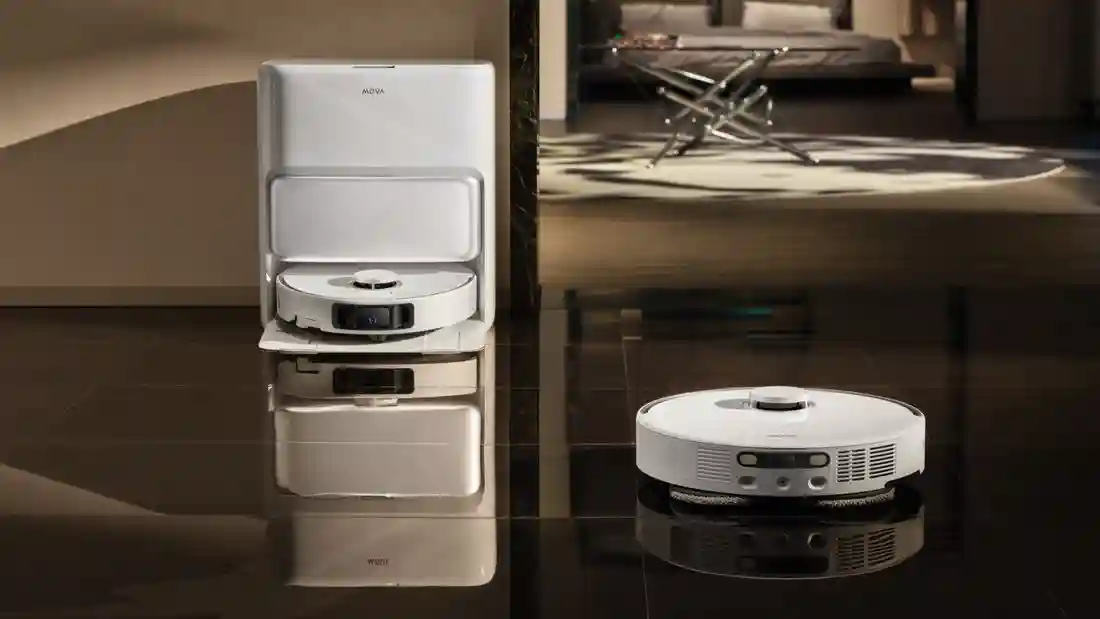
Robotic vacuum cleaners have moved from being expensive gadgets to everyday helpers in millions of homes. If you walk into a modern apartment or house, you might see a small, round device quietly moving across the floor, picking up dust and dirt.
People from busy professionals to elderly homeowners are now relying on these machines to keep their living spaces clean. But what makes robotic vacuum cleaners so popular? Are they just a trendy gadget, or do they offer real, long-term benefits over traditional cleaning methods?
Let’s explore the many advantages these clever devices bring—and why investing in a robotic vacuum could change the way you think about cleaning forever.
Understanding Robotic Vacuum Cleaners
A robotic vacuum cleaner is a small, automatic machine designed to clean floors with minimal human help. Most models are disk-shaped and use sensors to navigate around furniture, avoid stairs, and cover as much area as possible. While early versions were simple and sometimes unreliable, today’s models use advanced features like Wi-Fi connectivity, smart mapping, and powerful suction to offer better performance.
Modern robotic vacuums often come with a charging dock. When their battery runs low, they automatically return to the dock, recharge, and resume cleaning. You can even program some models to clean at specific times or control them from your phone, even if you are away from home.
These features make robotic vacuums more than just cleaning tools—they are smart devices that fit into the lifestyle of a busy, modern home.
The Key Benefits Of Robotic Vacuum Cleaners
1. Saves Time And Effort
One of the biggest benefits is the time-saving aspect. Traditional vacuuming takes time and energy. You have to carry the vacuum cleaner from room to room, plug it in, move furniture, and then repeat the process every few days. With a robotic vacuum, you simply press a button—or schedule a time—and the machine does the work for you.
For people with tight schedules, this is a huge advantage. It means you can focus on more important things like family, work, or hobbies. Many users report saving several hours each week by letting their robotic vacuum handle routine cleaning.
Example:
A working parent with two children might spend 2-3 hours a week vacuuming. A robotic vacuum can reduce this to almost zero, freeing up time for other activities.
2. Consistent Cleaning
Robotic vacuums offer consistent cleaning because they can be programmed to clean regularly. Unlike humans, who might skip a day or forget certain spots, these machines work on a fixed schedule and follow their programmed path.
Consistent cleaning is especially helpful for people with allergies. Dust, pet hair, and pollen build up quickly, and a robotic vacuum can keep floors clean every day, reducing allergens in the home.
Non-obvious Insight:
Many people do not realize that regular, light cleaning by a robot is often more effective at reducing dust and allergens than heavy cleaning once a week.
3. Accessibility For All Ages
A key advantage of robotic vacuums is their accessibility for people of all ages and abilities. Elderly people, those with mobility challenges, or anyone recovering from injury can find traditional vacuuming difficult and tiring. Robotic vacuums eliminate the need to push heavy machines or bend down repeatedly.
Children can also operate these devices (with adult supervision), making household cleaning a shared family task.
4. Smart Technology Integration
Robotic vacuums are part of the smart home revolution. Many models connect to home Wi-Fi, allowing you to control them using a smartphone app or even voice assistants like Amazon Alexa or Google Assistant.
This integration means you can:
- Start or stop cleaning from anywhere
- Set cleaning schedules
- Receive notifications when cleaning is done or if the robot needs help
- Check cleaning maps to see which areas have been covered
As smart technology improves, robotic vacuums will become even more efficient and easier to use.
5. Effective On Different Surfaces
People often wonder if robotic vacuums work on all types of flooring. The answer is yes—most modern models automatically adjust suction or height to handle different surfaces, from hardwood and tile to low-pile carpets and rugs.
Data Example:
In a recent consumer survey, 82% of robotic vacuum users reported good or excellent cleaning results on mixed surfaces.
Some high-end models can even detect when they move from hard floors to carpets and increase suction power automatically.
6. Compact Design And Easy Storage
Traditional vacuum cleaners can be bulky and hard to store, especially in small apartments. In contrast, most robotic vacuums are compact and lightweight. Their charging dock can be placed in a corner, under furniture, or even in a closet.
This design is perfect for people with limited storage space. Since the robot works on its own, you don’t need to carry it from room to room or find a large space to keep it.
7. Quiet Operation
Robotic vacuums are usually quieter than traditional vacuums. This is because their motors are smaller, and they move slowly across the floor. You can run most models while watching TV, talking on the phone, or even sleeping.
Practical Tip:
If you have pets or young children who are sensitive to noise, a robotic vacuum is a much less disruptive cleaning solution.
8. Energy Efficiency
Most robotic vacuums use less electricity than upright or canister vacuums. They are designed for long battery life and efficient motors, making them a greener choice for eco-conscious users.
Non-obvious Insight:
Even though robotic vacuums clean more often, they often use less total energy because of their smaller motors and targeted cleaning patterns.
9. Improved Home Hygiene
Frequent cleaning with a robotic vacuum leads to better hygiene. Dust, pet dander, food crumbs, and other particles are removed regularly. This is important for families with small children who play on the floor or for anyone with allergies.
Some models include HEPA filters, which trap tiny particles and improve air quality. This is a major benefit over simple sweeping, which can stir up dust into the air.
10. Pet-friendly Cleaning
If you own pets, you know how hard it is to keep floors clean. Robotic vacuums are especially helpful for picking up pet hair, litter, and food crumbs. Many models are designed to handle hair without getting tangled, making them ideal for homes with cats or dogs.
Example:
A survey from the American Pet Products Association found that 54% of pet owners who use robotic vacuums saw a noticeable improvement in how clean their floors stayed, especially in high-traffic areas.
11. Reduces Household Arguments
Cleaning chores are a common source of arguments in many households. With a robotic vacuum, one major task is handled automatically. This can lead to a more peaceful home life, especially if cleaning was previously a source of stress or disagreement.
Non-obvious Insight:
Some couples and roommates report improved relationships after switching to a robotic vacuum because it removes the need to negotiate or remind each other about vacuuming.
12. Safe Operation
Modern robotic vacuums include sensors that help them avoid stairs, furniture, and obstacles. They are less likely to damage your home or get stuck than older models. If something goes wrong, most robots stop immediately and send a notification.
This safety is especially important in homes with children, pets, or elderly people who might trip over cords or heavy machines.
13. Customizable Cleaning Modes
Most robotic vacuums offer several cleaning modes, such as spot cleaning, edge cleaning, and whole-room cleaning. This allows you to choose the best mode for your needs, whether you need a quick clean before guests arrive or a deep clean after a party.
You can also set “no-go zones” in many apps, telling the robot to avoid certain areas like pet food bowls or children’s play areas.
14. Cost-effective Over Time
While a robotic vacuum can be expensive up front, it can save you money over time. You may need fewer professional cleanings, less replacement of worn-out carpets, and less time spent cleaning yourself.
Example:
If you pay a cleaning service $50 a week, you could spend $2,600 a year. A robotic vacuum, even a high-end model, usually costs much less and lasts for several years.
15. Encourages A Tidy Home
Knowing that your robotic vacuum will run regularly encourages people to keep floors clear of clutter. Toys, clothes, and shoes need to be picked up for the robot to clean effectively. This habit can lead to a tidier, more organized home in general.
Non-obvious Insight:
People often report that owning a robotic vacuum “trains” them to be more organized, reducing overall mess and stress.
16. Easy Maintenance
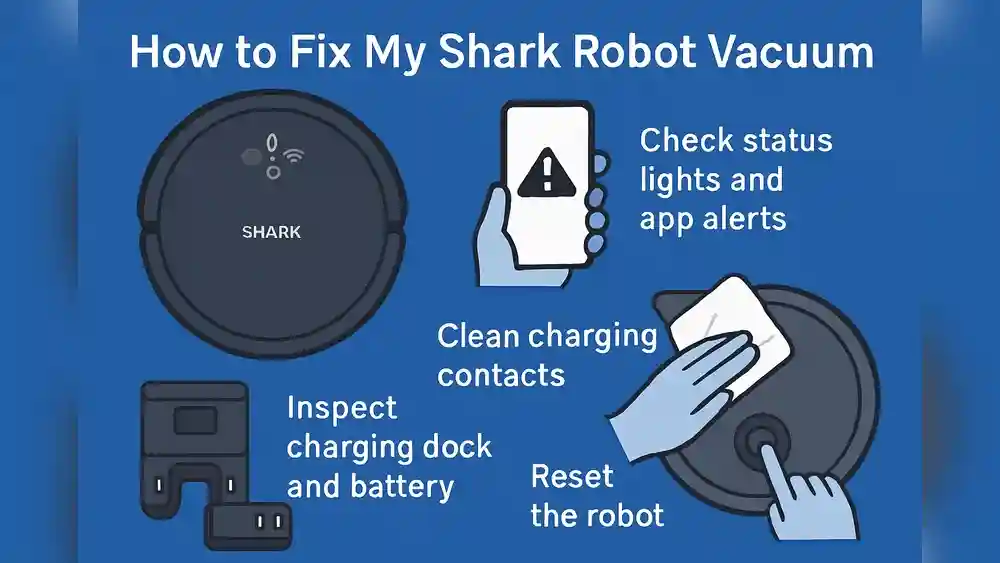
Most robotic vacuums are easy to maintain. You typically need to empty the dustbin and clean the filter once a week. Brushes and rollers are designed to be removed and cleaned quickly. Many models will remind you when maintenance is needed.
Practical Tip:
Choose a model with self-cleaning brushes if you have long hair or pets that shed heavily.
17. Works While You’re Away
Robotic vacuums can be programmed to clean while you are at work, shopping, or even on vacation. This means you return home to clean floors every day without lifting a finger.
Example:
A frequent traveler can schedule the robot to clean every other day, keeping dust and dirt from building up while they are away.
18. Supports Independent Living
For seniors or people with disabilities, robotic vacuums can make independent living easier. They reduce the need for outside help and allow people to maintain a clean home without physical strain.
Data Example:
A study from the National Institutes of Health found that assistive devices like robotic vacuums can reduce the need for home care visits by up to 20% in some cases.
19. Remote Monitoring And Updates
With smart connectivity, you can monitor your robotic vacuum from anywhere. Some models even receive software updates, adding new features or improving cleaning performance over time.
Example:
A manufacturer might release a new update that improves navigation or adds support for a new type of flooring, making your robot more useful without buying a new device.
20. Quiet Night Cleaning
Some models are so quiet that you can schedule them to clean at night while you sleep. This is perfect for busy families who need floors clean by morning but do not have time during the day.
Practical Tip:
Look for models with a “quiet mode” if you plan to run the vacuum overnight or during nap times.
Comparing Robotic Vacuums To Traditional Vacuums
To help you understand the differences, here’s a side-by-side comparison of robotic vacuums and traditional upright/canister vacuums:
| Feature | Robotic Vacuum | Traditional Vacuum |
|---|---|---|
| Operation | Automatic/Scheduled | Manual |
| Noise Level | Low to Moderate | Moderate to High |
| Cleaning Frequency | Daily/Multiple Times | Weekly/As Needed |
| Storage Space | Small | Large |
| Surface Adaptability | Most Floors | All Floors |
| Initial Cost | Moderate to High | Low to High |
| Maintenance | Simple | Moderate |
Features That Add Value To Robotic Vacuums
When choosing a robotic vacuum, certain features can increase the benefits you receive. Here are some valuable features to look for:
- Smart Mapping: The vacuum creates a map of your home for efficient cleaning and better coverage.
- HEPA Filtration: Helps trap allergens and fine dust.
- Self-Emptying Bin: The robot empties its dustbin into a larger bin at the charging dock, reducing hands-on maintenance.
- Multi-Floor Support: Can remember and clean multiple floors or levels of your home.
- Voice Control: Compatible with Alexa, Google Assistant, or other smart home devices.
- Recharge and Resume: If the battery runs low, the robot recharges and continues cleaning where it left off.
Example Of Feature Comparison
Here’s a comparison of three popular robotic vacuum features:
| Feature | Benefit | Who Needs It Most |
|---|---|---|
| HEPA Filter | Reduces allergens, improves air quality | Allergy sufferers, homes with pets |
| Self-Emptying Bin | Less frequent bin emptying | Busy people, large homes |
| Smart Mapping | Efficient, complete cleaning | Large or complex floor plans |
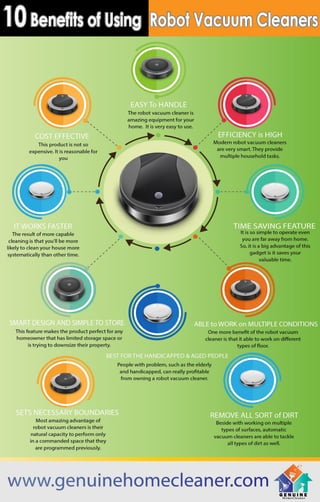
Credit: www.slideshare.net
Common Concerns And Misconceptions
Even with all these benefits, some people are unsure about robotic vacuums. Let’s address a few common concerns:
“do They Replace Traditional Cleaning?”
Robotic vacuums are great for everyday maintenance, but they may not replace deep cleaning entirely. You may still need to use a traditional vacuum for stairs, thick carpets, or hard-to-reach places once in a while.
“are They Difficult To Set Up?”
Most modern robotic vacuums are easy to set up. The initial process usually involves charging the robot, connecting it to Wi-Fi, and mapping your home. After that, most tasks are automated.
“will They Break Easily?”
High-quality robotic vacuums are built to last, but like any device, they need basic maintenance. Cleaning the brushes and sensors regularly will keep them running well.
“can They Handle Big Messes?”
Robotic vacuums are best for regular, light cleaning. For large spills or heavy debris, a traditional vacuum may still be needed. However, many users find that regular use prevents big messes from ever happening.
“are They Safe Around Pets And Children?”
Most robotic vacuums are safe for homes with pets and kids. They have sensors to avoid obstacles and will stop if picked up or blocked.
Environmental Impact Of Robotic Vacuums
Robotic vacuums can be a greener choice compared to traditional vacuums. They use less power, need fewer disposable bags, and can keep floors clean with short, frequent runs instead of long, energy-intensive cleaning sessions.
Example:
A typical robotic vacuum uses about 30-40 watts of power, while a traditional upright vacuum can use 500-1000 watts. Over time, the energy savings can be significant, especially if you clean daily.
Recycling And Battery Disposal
Robotic vacuums use rechargeable batteries, which last several years with proper care. It’s important to recycle old batteries responsibly. Many manufacturers offer recycling programs or information on safe disposal.
Who Should Consider A Robotic Vacuum?
Robotic vacuum cleaners are a good fit for many types of people:
- Busy professionals who want to save time
- Families with children or pets
- Elderly people or those with limited mobility
- Allergy sufferers
- Apartment dwellers with limited space
- Tech enthusiasts who enjoy smart home devices
If you want clean floors with less work, a robotic vacuum is worth considering.
How To Get The Most From Your Robotic Vacuum
For the best results, follow these tips:
- Clear small objects from the floor before each cleaning cycle.
- Use boundary strips or app controls to block areas you do not want cleaned.
- Empty the dustbin regularly to keep suction strong.
- Clean brushes and sensors once a week.
- Update the robot’s software when new versions are available.
- Check for tangled cords or strings before running the robot.
These simple habits will extend your robot’s life and ensure your home stays clean.

Credit: www.ecovacs.com
Real-world Examples: User Experiences
Working Parents
A couple with two young children uses their robotic vacuum daily. The robot cleans while they are at work, so the floors are always safe for crawling and play. They say the biggest benefit is less stress at the end of a long day.
Pet Owners
A dog owner with allergies uses a robotic vacuum with a HEPA filter. The robot runs every morning, picking up hair and dander before it can build up. The owner notices fewer allergy symptoms and less visible hair on furniture.
Seniors
An elderly woman with arthritis finds traditional vacuuming painful. Her robotic vacuum now handles all hard floors and rugs, letting her live independently and confidently.
Apartment Dwellers
A college student with little storage space chooses a compact robotic vacuum. It fits under the bed and cleans the entire studio apartment in 30 minutes while the student is in class.
Limitations And When Not To Use A Robotic Vacuum
Robotic vacuums are not perfect. Here are some limitations to keep in mind:
- Stairs: Most models cannot clean stairs.
- Thick carpets: Some struggle with high-pile or shag carpets.
- Large debris: Not designed for big messes or wet spills.
- Complex rooms: Lots of cords, clutter, or uneven floors can confuse the robot.
- Cost: High-end models can be expensive, but prices are dropping.
If your home has many of these challenges, you may need to combine robotic cleaning with traditional methods.
Credit: www.tp-link.com
The Future Of Robotic Vacuum Cleaners
The technology behind robotic vacuums is improving quickly. Future models may include:
- Better mapping and navigation using AI
- Deeper cleaning for carpets
- Integrated mopping and air purification
- Self-maintenance features (self-cleaning brushes, automatic filter changes)
- Improved battery life for larger homes
As these features become common, robotic vacuums will become even more useful and affordable.
For more on the latest in smart home technology, visit Wikipedia’s page on robotic vacuum cleaners.
Frequently Asked Questions
What Surfaces Can A Robotic Vacuum Cleaner Handle?
Most robotic vacuums work well on hardwood, tile, laminate, and low- to medium-pile carpets. Some high-end models can adjust suction and handle rugs or even light transitions between floors.
How Often Should I Empty The Dustbin?
For best results, empty the dustbin after every cleaning cycle. If you have pets or a large home, you may need to empty it more often. Some advanced models have self-emptying bins that require emptying only once every few weeks.
Can Robotic Vacuums Replace Manual Vacuuming Completely?
For regular, light cleaning, a robotic vacuum is often enough. However, occasional manual vacuuming may still be needed for stairs, thick carpets, or deep cleaning.
Are Robotic Vacuum Cleaners Noisy?
Most robotic vacuums are quieter than traditional vacuums. Noise levels vary by model, but many can run while you are home without causing much disturbance.
Do Robotic Vacuums Use A Lot Of Electricity?
No, robotic vacuums are energy efficient and use much less power than traditional vacuums. Running a robot daily usually costs only a few dollars a year in electricity.
Final Thoughts
Robotic vacuum cleaners are more than just a modern convenience—they are a practical, time-saving, and efficient solution for cleaner homes. With smart features, ease of use, and the ability to fit into almost any lifestyle, these devices are changing the way people clean.
While they may not replace every cleaning tool, the benefits they offer—especially for busy families, pet owners, and those with special needs—are hard to ignore. As technology continues to improve, robotic vacuums will only become more effective, affordable, and essential in our daily lives.