Keeping your Shark handheld vacuum clean is one of the smartest ways to make sure it works well and lasts a long time. Many people use these small vacuums for quick jobs—like cleaning crumbs off the sofa, dust from car seats, or pet hair from stairs. But a dirty vacuum loses suction, spreads bad smells, and can even break down early. If you want your Shark handheld vacuum to perform at its best, you need to clean it the right way, step by step. This guide will show you exactly how, with expert tips, clear instructions, and practical advice you might not find in the manual.
Why You Must Clean Your Shark Handheld Vacuum
It’s easy to forget that a vacuum cleaner also needs cleaning. Over time, dirt, hair, and dust get stuck inside. The filter can clog up. The motor might overheat. Instead of sucking up dirt, your vacuum might start blowing it back out. When you clean your Shark handheld vacuum, you:
- Keep suction strong for better cleaning
- Reduce bad smells from old dust and pet hair
- Make the battery and motor last longer
- Avoid allergy problems from trapped dust and dander
- Save money by preventing expensive repairs
Beginner mistake: Many people only empty the dustbin but skip the filter and brush. This leaves a lot of hidden dirt inside.
How Often Should You Clean A Shark Handheld Vacuum?
How often you clean depends on how much you use the vacuum. Here’s a simple guide:
- Light use (once a week): Clean every 2-3 weeks
- Medium use (a few times a week): Clean every 1-2 weeks
- Heavy use (daily, pets, or car cleaning): Clean after every use or at least once a week
Filters usually need a deeper wash once a month. If you notice the vacuum is losing suction or smells bad, clean it right away.
Credit: www.youtube.com
Tools And Supplies You Will Need
Before you start, gather these basic cleaning tools:
- A small brush (an old toothbrush is perfect)
- Microfiber cloths
- Mild dish soap
- Warm water
- A soft sponge
- Scissors or seam ripper (for tangled hair)
- A dry towel
- Compressed air can (optional, for dust in tight spots)
- Replacement filters (if your old one is worn out)
Non-obvious tip: Never use strong cleaners or hot water—these can damage the vacuum’s plastic parts or filter.
Step-by-step: How To Clean A Shark Handheld Vacuum
Follow these steps for a deep clean, from the dustbin to the motor.
1. Unplug And Prepare
Safety comes first. Always switch off your vacuum and remove the battery or unplug it from the charger. This prevents any risk of electric shock or accidental operation.
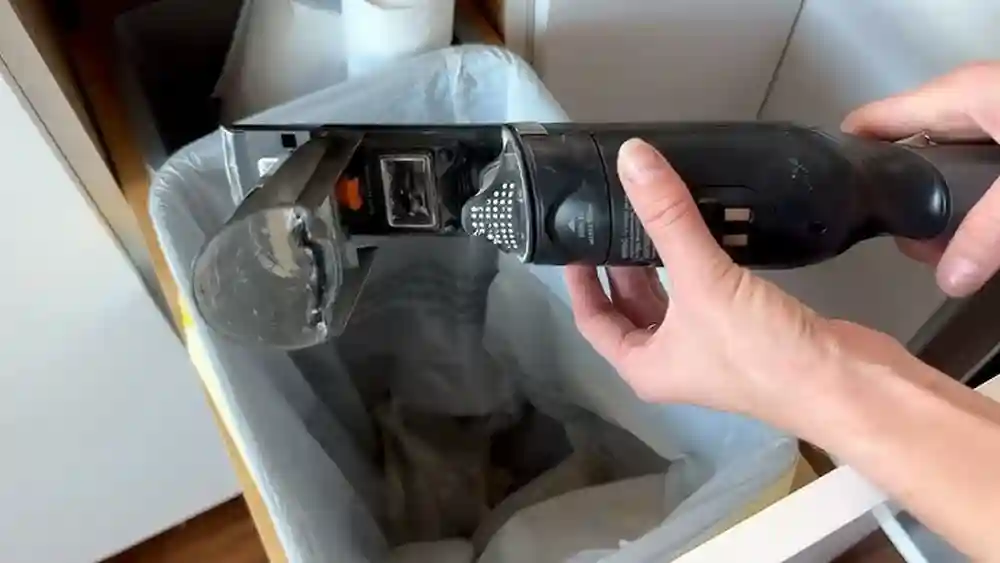
2. Empty The Dustbin
- Press the dustbin release button (check your model for the exact location).
- Hold the bin over a trash can and release the contents.
- Tap gently to remove stuck debris.
- Wipe with a dry or slightly damp cloth to remove leftover dust.
Beginner mistake: Not emptying the dustbin regularly can cause clogs and loss of suction.
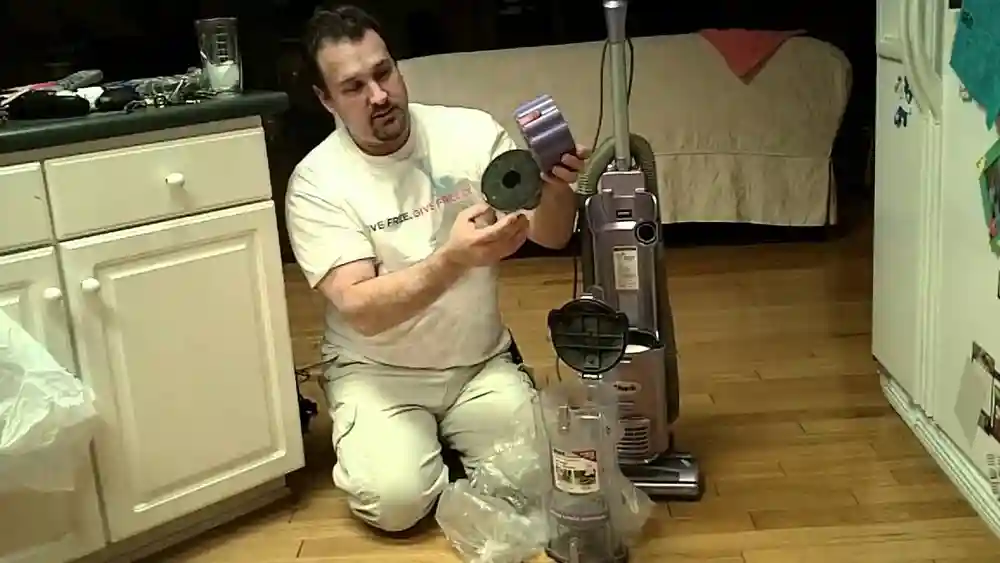
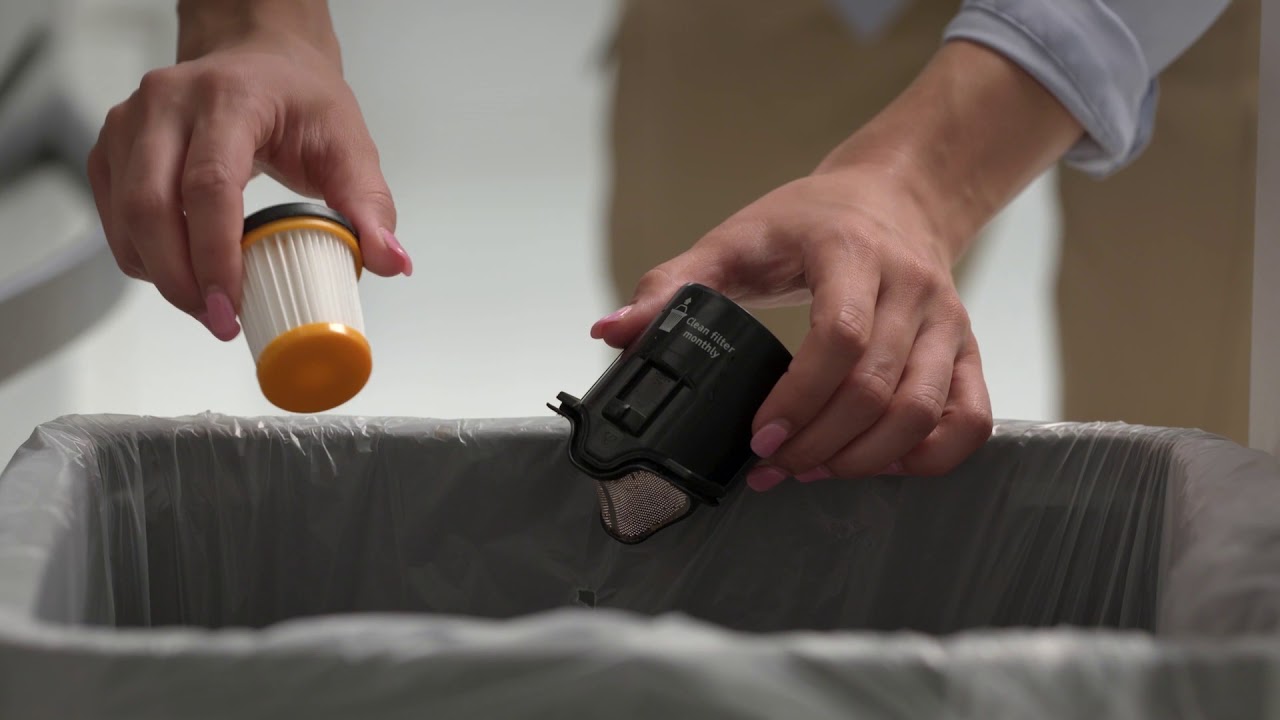
3. Remove And Clean The Filter
Most Shark handheld vacuums have a foam or felt filter. Some models have two. Here’s how to clean them:
- Pull out the filter (check your manual if unsure).
- Tap it gently to remove loose dust.
- Rinse under cold running water until the water runs clear. Do NOT use soap unless the manual says it’s safe.
- Squeeze out excess water gently.
- Let the filter air dry for at least 24 hours. Never put a wet filter back—it can damage the motor and cause mold.
Pro tip: Keep a spare filter handy so you can keep using your vacuum while the other dries.
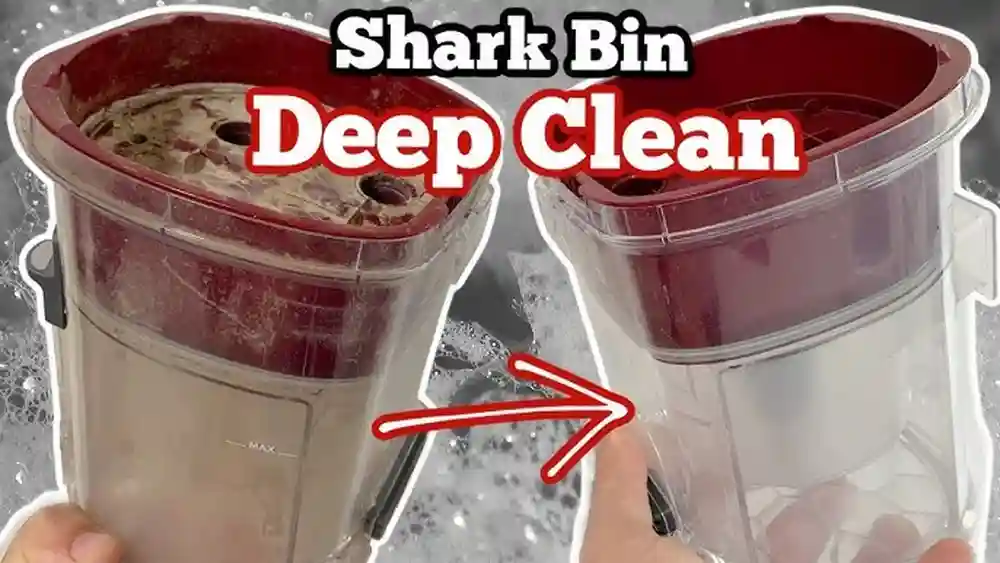
4. Wash The Dustbin
- Remove the bin from the main unit.
- Wash with warm, soapy water.
- Use a brush to scrub corners and seams.
- Rinse well and dry completely before reattaching.
Hidden dirt: Dust can collect in grooves and corners—use a brush to get it out.
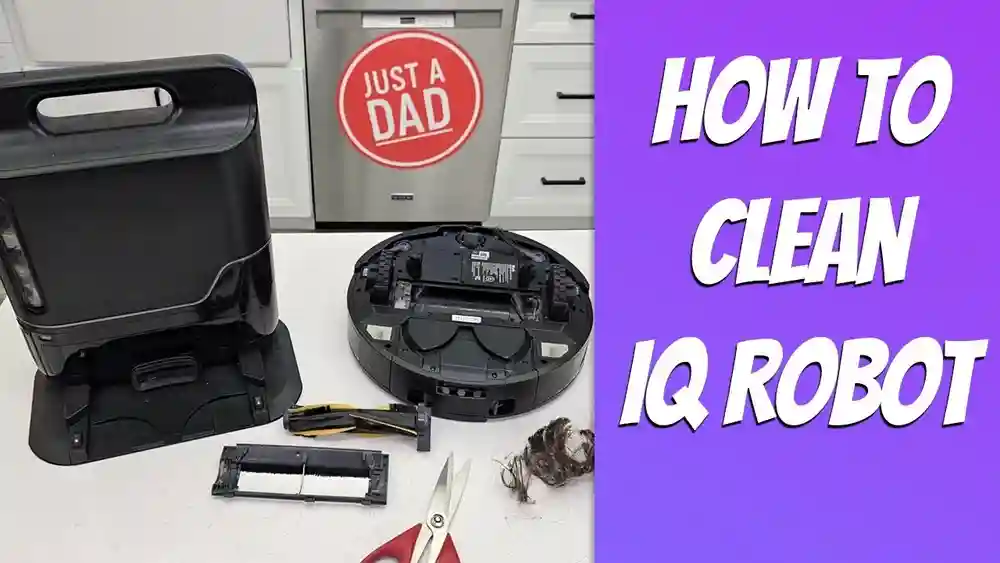
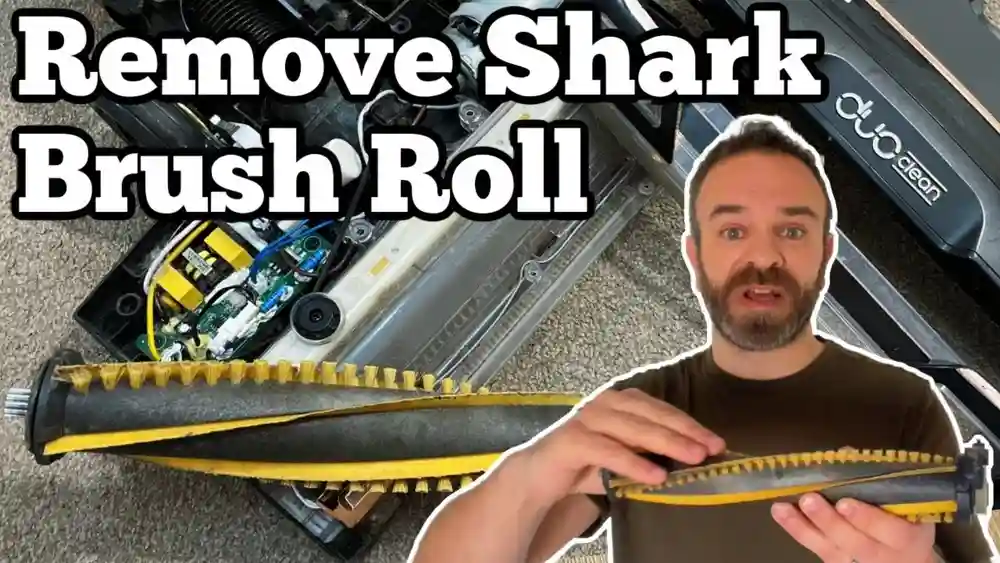
5. Clean The Brushroll And Attachments
If your Shark handheld has a brushroll or comes with attachments, clean these too:
- Remove the brushroll if possible.
- Cut away tangled hair and threads with scissors or a seam ripper.
- Wash brush attachments with warm, soapy water.
- Rinse and let them air dry.
- For other attachments (like crevice tools), use a brush or compressed air to remove dirt.
Non-obvious insight: A clogged brushroll can cause the motor to overheat and stop working.
6. Wipe The Exterior
- Use a damp microfiber cloth to wipe the outside.
- Pay special attention to the handle and buttons, where dust and oils can build up.
- Dry with a clean towel.
7. Check For Clogs
Sometimes, dirt gets stuck in the air path or hose. Remove any visible blockages by:
- Detaching the hose (if your model has one)
- Pushing a flexible brush or straightened wire hanger through to clear blockages
- Using compressed air for tight spaces
Pro tip: If suction is weak but the filter is clean, a hidden clog is often the reason.
8. Inspect And Reassemble
- Look for cracks or damage as you clean.
- Replace any worn-out parts, such as filters or brushrolls.
- Reassemble the vacuum once all parts are completely dry.
Caution: Never use your vacuum while parts are still damp.
Comparing Shark Handheld Vacuum Models
Some Shark handheld vacuums are easier to clean than others. Here’s a quick look at the most popular models and their cleaning features.
| Model | Filter Type | Brushroll | Tool Attachments | Ease of Cleaning |
|---|---|---|---|---|
| Shark UltraCyclone Pet Pro+ | Foam & Felt | Motorized Pet Brush | Crevice, Scrubbing Brush | Easy |
| Shark Wandvac | HEPA | No | Multi-Surface Pet Tool | Very Easy |
| Shark Rocket Corded | Foam | Motorized | Multiple | Medium |
Insight: Models with removable brushrolls are much easier to keep clean, especially for pet owners.
How To Deep Clean For Allergies Or Pets
If you use your Shark handheld vacuum in homes with pets, allergies, or asthma, regular cleaning is not enough. Here’s how to give your vacuum a deeper clean:
- Wash the filter more often—every week if you have pets.
- Use a mild, fragrance-free soap for parts (but not the filter, unless allowed).
- Wipe all surfaces with a damp cloth, including inside the dustbin.
- Use compressed air to blow out dust from motor vents.
- Replace filters every 3-6 months for best performance.
Data point: According to the American Lung Association, vacuum filters can harbor allergens if not cleaned regularly.
Drying And Reassembling Your Shark Handheld Vacuum
After washing, make sure all parts are 100% dry before putting your vacuum back together. Even a little moisture can cause mold, bad smells, or motor damage. Place parts on a dry towel in a warm, well-ventilated place. Avoid direct sunlight, which can warp plastic.
Common error: Rushing the drying process and reassembling too soon.
Common Mistakes When Cleaning Shark Handheld Vacuums
Avoid these errors for the best results:
- Washing the filter with soap (unless manual allows it): Soap can break down foam or felt material.
- Putting wet parts back in: This can cause mold or damage the vacuum.
- Using harsh cleaners: Bleach, alcohol, or strong chemicals can ruin plastic parts.
- Forcing parts together: If something doesn’t fit, check for leftover moisture or wrong alignment.
- Ignoring the brushroll: Hair and string wrap around the brush, reducing cleaning power.
- Not checking for clogs: Even a small blockage can make your vacuum weak.
Non-obvious insight: Filters look clean before they’re truly clean. Always rinse until water runs clear.
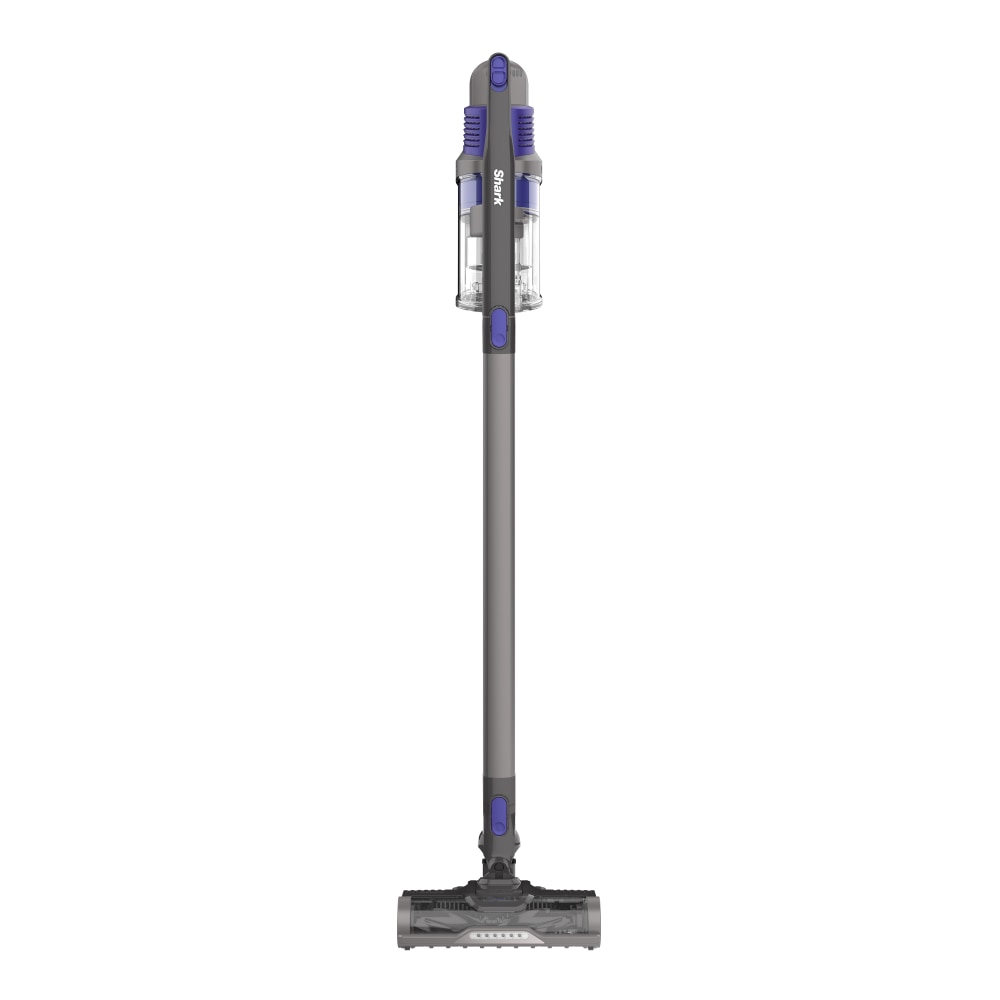
Credit: www.fredmeyer.com
How To Replace Shark Handheld Vacuum Filters
Filters wear out over time. Most Shark models recommend replacing the filter every 3-6 months, depending on use.
- Buy the correct filter for your model (check the part number).
- Remove the old filter as described above.
- Insert the new filter, following the arrows or tabs for alignment.
Tip: Write the date of installation on the filter with a marker, so you know when to change it next.
Signs Your Shark Handheld Vacuum Needs Cleaning
Even if you clean regularly, watch for these signs:
- Reduced suction or poor pick-up
- Bad odors after vacuuming
- Unusual noise or motor sounds
- Dust escaping from vents
- Overheating or shut-off during use
If you notice any of these, clean your vacuum before using it again.
Table: Cleaning Frequency Guide
To help you remember, here’s a quick cleaning schedule:
| Part | Light Use | Medium Use | Heavy Use |
|---|---|---|---|
| Dustbin | Every 2-3 uses | Every 1-2 uses | After every use |
| Filter | Once a month | Every 2 weeks | Every week |
| Brushroll/Attachments | Monthly | Every 2 weeks | Weekly |
How To Clean Shark Handheld Vacuum Accessories
Attachments collect dirt too. Here’s how to clean them:
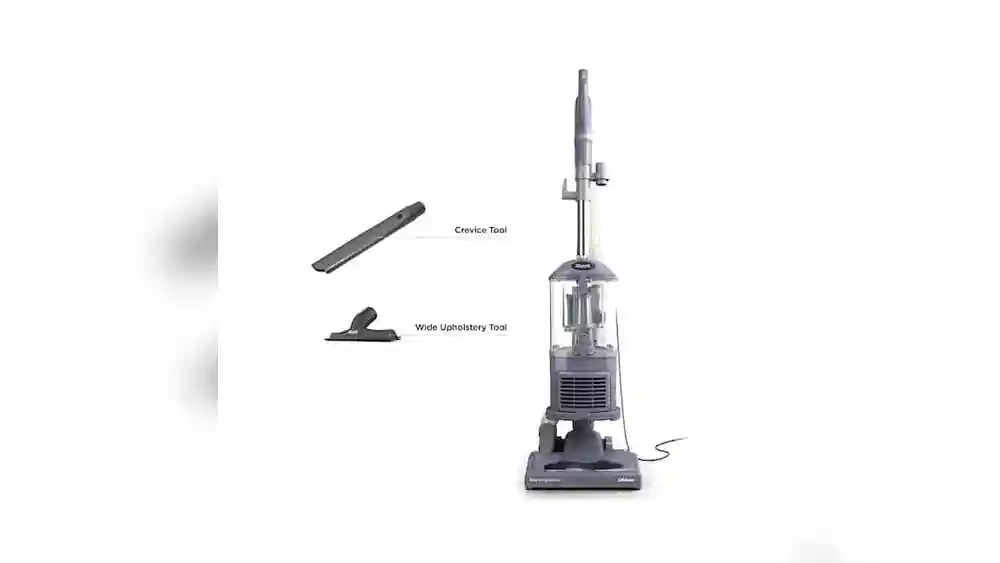
- Crevice tool: Use a brush to loosen dust, then rinse with water.
- Pet tool: Remove hair and rinse under the tap.
- Dusting brush: Shake out loose dust, then wash if needed.
Let all accessories dry fully before using again.
Hidden tip: Some accessories can be cleaned in the dishwasher if the manual says it’s safe.

Credit: www.amazon.com
How To Remove Bad Odors From Your Shark Handheld Vacuum
If your vacuum smells, try these fixes:
- Clean the filter and bin as described above.
- Let everything dry in sunlight (if safe for the parts).
- Place a teaspoon of baking soda in the dustbin (optional—check manual first).
- Replace the filter if odor remains.
Pro tip: Never use scented sprays inside the vacuum—they can damage parts and attract more dust.
How To Store Your Shark Handheld Vacuum For Best Results
Proper storage keeps your vacuum clean longer:
- Store in a dry, cool place to prevent mold and motor damage.
- Do not leave dust or dirt in the bin—empty after each use.
- Keep filters and extra attachments in a sealed bag to avoid dust buildup.
Non-obvious insight: Never store your vacuum with a wet filter. This is a common cause of mold growth.
Troubleshooting: If Your Shark Handheld Vacuum Still Doesn’t Work
If you’ve cleaned everything but your vacuum still has problems, try these steps:
- Check the battery or power connection.
- Make sure all parts are correctly reassembled.
- Try a new filter—old ones may look clean but be blocked inside.
- Look for cracks or damage in the hose or bin.
- Contact Shark customer support if you suspect a deeper motor issue.
External resource: For more care tips, check the official Shark Clean Support page.
Table: Quick Fixes For Common Issues
Here’s a summary of problems and what to check:
| Problem | Possible Cause | Solution |
|---|---|---|
| Low suction | Clogged filter or hose | Clean or replace filter, check for clogs |
| Bad smell | Dirty filter/bin | Wash and dry parts, change filter if needed |
| Motor stops | Overheating, blockage | Clear blockages, let cool, clean thoroughly |
| Dust escapes | Loose filter or full bin | Check filter placement, empty bin |
Expert Tips To Make Cleaning Easier
- Clean your vacuum on a sunny day so parts dry faster.
- Keep a spare filter—rotate them so you always have a dry one ready.
- Use a lint roller to pick up small hairs from the brushroll.
- Mark cleaning dates on your calendar so you don’t forget.
- If you have pets, vacuum pet areas first, then clean the vacuum right after.
Non-obvious advice: Cleaning after every use may sound like too much, but it saves time and effort in the long run.
Why Many People Skip Cleaning—and Why That’s A Big Mistake
Many users only clean their vacuum when there’s a problem. But regular cleaning is much easier and protects your investment. A dirty vacuum can spread dust, make allergies worse, and break down sooner than you expect. Spending 10 minutes cleaning now can save you hours and money later.
Frequently Asked Questions
How Do I Know When My Shark Handheld Vacuum Filter Needs Replacing?
If you notice reduced suction, visible damage, or a persistent bad smell even after cleaning, it’s time to replace the filter. Most filters last 3-6 months with regular use.
Can I Wash All Shark Handheld Vacuum Filters With Soap?
No. Most foam and felt filters should be rinsed only with water unless the manual says otherwise. Soap can damage the material and reduce filter life.
What Should I Do If My Vacuum Still Smells After Cleaning?
Try cleaning all parts again, let them dry fully, and replace the filter. If odors persist, check for hidden mold or trapped dirt in the hose or motor area.
Is It Safe To Clean Shark Handheld Vacuum Attachments In The Dishwasher?
Some plastic attachments are dishwasher-safe, but always check the manual first. Never put the filter or main unit in the dishwasher.
Why Does My Shark Handheld Vacuum Keep Shutting Off During Use?
This usually means the vacuum is overheating from a clogged filter, blockage, or full dustbin. Clean all parts and let the vacuum cool down before using it again.
Taking good care of your Shark handheld vacuum is simple but important. With regular cleaning, careful drying, and the right habits, you’ll enjoy strong suction, fresh air, and a tool that lasts for years. Your vacuum will thank you—and so will your home.