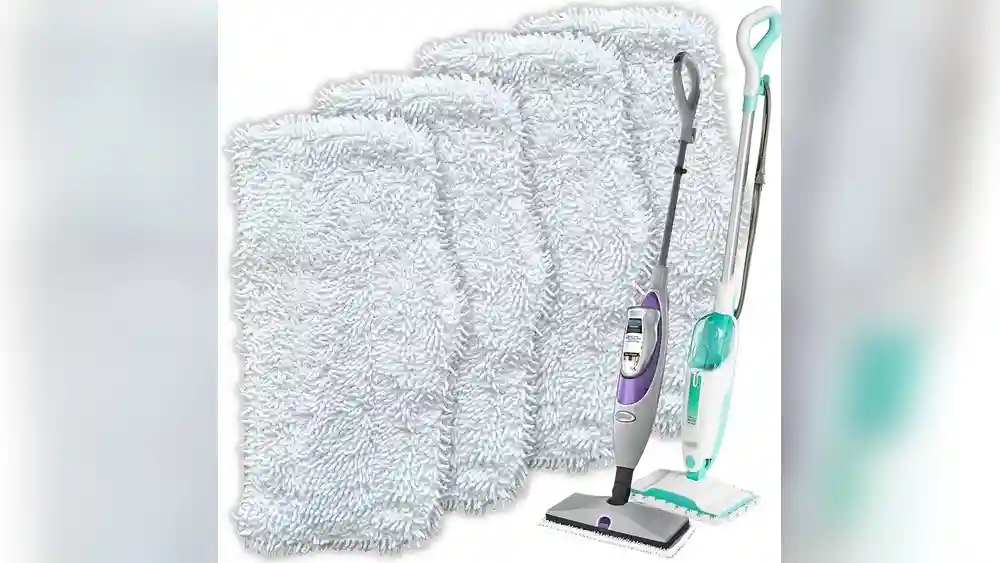
Keeping your home clean often means using the best tools available. Many people choose the Shark steam mop for its strong cleaning power and convenience. However, to get the best results, you must also care for the mop’s most critical part: the steam mop pads. These pads pick up dirt, dust, and germs, but if they are not cleaned regularly, they can spread grime instead of removing it. Some owners simply toss the pads in the wash, but a bit more care can make them last longer, work better, and keep your floors truly clean. This guide will walk you through everything you need to know about cleaning Shark steam mop pads, including methods, tips, and mistakes to avoid. Whether you’re new to steam mops or looking to improve your routine, you’ll find practical steps and insights here.
Understanding Shark Steam Mop Pads
Before cleaning, it helps to know what makes Shark steam mop pads unique. They are usually made from microfiber, a special fabric designed to trap dust and bacteria. Microfiber can hold many times its own weight in water and has tiny fibers that lift dirt from surfaces. This means the pads are highly effective but can also get clogged quickly if not cleaned well.
Most Shark steam mop models use reusable pads, which save money and reduce waste compared to disposable alternatives. However, because they are made to last, the right cleaning process is essential. Improper cleaning can damage the fibers, reduce absorbency, or even cause odors.
Why Clean Steam Mop Pads Regularly?
Some people wonder if it’s really necessary to clean the pads after every use. The answer is almost always yes. Here’s why:
- Hygiene: Dirty pads can spread germs and bacteria instead of removing them.
- Performance: Clean pads pick up more dirt and leave fewer streaks on floors.
- Longevity: Proper care makes pads last longer, saving money over time.
- Odor Control: Old dirt and moisture can cause unpleasant smells if pads aren’t cleaned.
- Efficiency: Clean pads heat up and steam more effectively, making the mop work better.
A study by the National Sanitation Foundation found that reusable mop pads can harbor up to 8 times more bacteria if not washed after each use. This fact alone highlights the importance of regular cleaning.
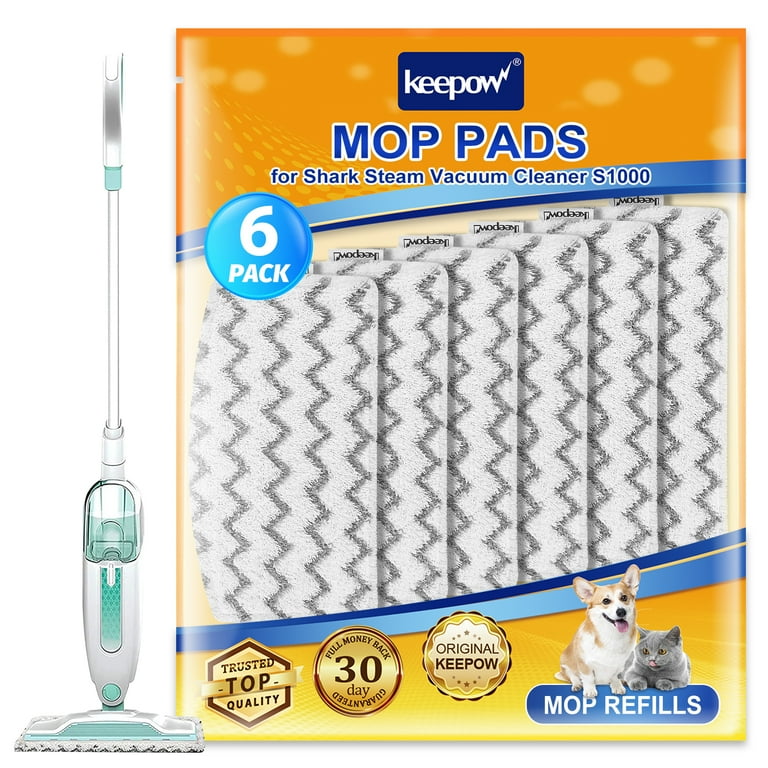
Credit: www.walmart.com
Types Of Shark Steam Mop Pads
Not all Shark steam mop pads are the same. Depending on your model, you might use:
- All-purpose microfiber pads: Good for daily cleaning on most floors.
- Scrubbing pads: Designed for sticky messes and tough dirt.
- Dusting pads: Softer, for delicate floors like hardwood.
- Disposable pads: For one-time use (less common in Shark models).
Check your mop’s manual to know which type you have. The cleaning steps are similar, but scrubbing pads may need extra attention due to stuck debris.
How Often Should You Clean Shark Steam Mop Pads?
Frequency depends on how dirty your floors get and how often you mop. In most homes, it’s best to wash the pads after every use. If you’re cleaning a large area or a very dirty floor, you may want to change pads halfway through and wash both afterward.
For light touch-ups or dusting, you might get two uses before washing, but never go more than that. Leaving dirt on the pad makes it harder to clean later and can damage your floors.
Pre-cleaning: What To Do Before Washing
A little prep can make a big difference. Before washing your steam mop pads:
- Let the pads cool: After mopping, allow the pads to cool down so you don’t burn yourself.
- Shake off loose debris: Gently shake or brush the pad to remove hair, dust, and grit.
- Check for stains: Look for visible stains or sticky spots that may need pre-treatment.
- Read care instructions: Check the label or manual for any special rules (like water temperature limits).
Most people skip the pre-cleaning step, but it helps prevent lint and debris from getting stuck in your washing machine or sink.
Machine Washing Shark Steam Mop Pads
The easiest and most common method is to use a washing machine. Here are the steps:
Step 1: Separate The Pads
Wash steam mop pads separately from clothes, towels, or other fabrics. This keeps dirt and lint from spreading and avoids fabric softener residue.
Step 2: Choose The Right Detergent
Use a mild, fragrance-free detergent. Strong chemicals or bleach can break down microfiber fibers and reduce their cleaning power. Never use fabric softener or dryer sheets, as they coat the fibers and make them less absorbent.
Step 3: Select Water Temperature
Wash pads in warm water (not hot). Hot water can shrink or damage some microfiber pads, but warm water is effective at removing oils and grime.
Step 4: Wash Cycle
Use a gentle or normal cycle. Avoid heavy-duty cycles, which can wear out the pads over time.
Step 5: Rinse Thoroughly
If your machine has an extra rinse setting, use it. This ensures all detergent is removed, which helps keep the pads absorbent.
Step 6: Air Dry Or Low Heat
Microfiber pads dry quickly. It’s best to air dry them by hanging or laying flat. If you need to use a dryer, choose low heat. High heat can melt fibers, shrink the pad, or reduce its cleaning ability.
Step 7: Storage
Once dry, store pads in a clean, dry place. Avoid stuffing them into closed plastic bags, which can trap moisture and cause mildew.

Credit: www.amazon.com
Hand Washing Shark Steam Mop Pads
Some people prefer to wash pads by hand, especially if only a few are dirty or if you don’t want to run a full load in the machine.
Step 1: Fill A Basin With Warm Water
Use a clean sink or basin. Add a small amount of mild detergent.
Step 2: Soak The Pads
Let the pads soak for 10-15 minutes. This helps loosen dirt and stains.
Step 3: Agitate And Scrub
Use your hands to gently rub the pads together. For tough stains, use a soft brush or rub the spot between your fingers. Avoid using anything sharp or rough that could damage the fibers.
Step 4: Rinse Well
Rinse pads under running water until no soap remains. This step is crucial—leftover soap can reduce the pad’s cleaning ability.
Step 5: Squeeze Out Excess Water
Gently press (don’t twist hard) to remove water, then hang or lay flat to dry.
Removing Stubborn Stains And Odors
Sometimes, pads pick up tough stains (like grease, food, or pet messes) that don’t come out with regular washing. Here’s what you can do:
- Pre-treat with vinegar: Spray a mix of 1 part white vinegar to 3 parts water on the stained area. Let it sit for 10 minutes before washing.
- Use baking soda paste: For really stubborn spots, make a paste with baking soda and water, spread it on the stain, and let it sit for 15-20 minutes before washing.
- Sun-dry the pads: Drying in direct sunlight can help kill bacteria and reduce odors.
Never use bleach or harsh chemicals—these may damage the microfiber and shorten pad life.
Deep Cleaning Shark Steam Mop Pads
About once a month, or if you notice your pads aren’t performing well, do a deep clean. This helps remove built-up oils and residues that normal washing doesn’t get.
Deep Cleaning Steps
- Fill a large basin or bucket with hot (but not boiling) water.
- Add 1/4 cup of white vinegar and 1 tablespoon of baking soda per gallon of water.
- Soak the pads for 30-60 minutes.
- Agitate gently, then rinse thoroughly with cool water.
- Air dry as usual.
This method is especially effective after cleaning up greasy kitchen messes or after a heavy cleaning job.
Drying Shark Steam Mop Pads: Best Practices
How you dry your pads affects their lifespan and performance.
- Air dry: Hang on a line or lay flat. This is safest and prevents heat damage.
- Low-heat tumble dry: If using a dryer, use the lowest setting. Remove pads as soon as dry to avoid static.
- Avoid high heat: High temperatures melt microfiber, causing the pad to lose its texture and cleaning power.
- No dryer sheets: These leave residue that reduces absorbency.
If you live in a humid area, make sure pads are completely dry before storing to avoid mold or mildew.
Common Mistakes When Cleaning Shark Steam Mop Pads
Even experienced users can make mistakes that reduce the life or effectiveness of their pads. Watch out for these:
- Using bleach or harsh chemicals: These break down fibers and reduce cleaning power.
- Adding fabric softener: This coats the fibers, making them less absorbent.
- Washing with linty fabrics: Towels and sweaters shed lint, which can stick to microfiber.
- Skipping pre-cleaning: Leaving debris on pads makes washing less effective.
- Over-drying: High heat can shrink or damage pads.
- Not rinsing enough: Soap residue reduces absorbency.
- Storing pads wet: This can cause mold or bacteria growth.
A good habit is to inspect pads before and after washing. If they feel stiff, lose their shape, or seem less effective, it may be time to replace them.
How To Clean Shark Steam Mop Pads Without A Washing Machine
If you’re traveling, live in a small space, or just want a quick method, you can clean pads without a machine.
Boiling Method
- Bring a pot of water to a boil.
- Drop in the pads (make sure no plastic parts are attached).
- Boil for 5-10 minutes. This kills bacteria and loosens grime.
- Remove pads with tongs, let cool, then rinse under cold water.
- Air dry.
Quick Rinse Method
- Rinse under hot tap water, squeezing and rubbing the pad.
- Add a few drops of mild detergent and work it in.
- Rinse thoroughly.
- Air dry.
These methods are not as thorough as machine or deep cleaning but work in a pinch.
When To Replace Shark Steam Mop Pads
Even with perfect care, steam mop pads don’t last forever. Here’s how to know it’s time for new ones:
- Loss of absorbency: If pads don’t soak up water or leave floors wet, they’re worn out.
- Visible damage: Holes, fraying, or thinning mean the pad can’t clean well.
- Persistent odors: If pads smell even after washing, bacteria may be trapped inside.
- Shrinking or misshapen: Pads that no longer fit the mop properly won’t clean evenly.
On average, a Shark steam mop pad lasts 15–25 washes. Using proper cleaning methods can stretch this to 30 or more.
How Clean Pads Improve Mop Performance
Many users notice their mop leaves streaks or doesn’t clean as well after a few uses. In most cases, dirty pads are to blame. Clean pads:
- Absorb more water and dirt
- Spread steam evenly
- Prevent streaks and residue
- Protect floors from scratches
A 2022 consumer survey found that people who washed their pads after every use reported 30% better cleaning results compared to those who waited three or more uses.
Shark Steam Mop Pad Cleaning: Myths Vs. Facts
Some common misconceptions can actually hurt your mop pads or floors. Let’s clear up a few:
- Myth: You can use any detergent.
- Fact: Only mild, fragrance-free detergents protect microfiber fibers.
- Myth: Fabric softener makes pads softer and better.
- Fact: It actually reduces absorbency and cleaning power.
- Myth: Pads don’t need washing if used with just water.
- Fact: Even plain water picks up dirt and oils that must be washed out.
- Myth: Bleach is needed for germs.
- Fact: Hot water and vinegar are safer and just as effective for most household germs.
These insights help you avoid damage and keep your cleaning routine efficient.
Comparing Cleaning Methods For Shark Steam Mop Pads
It’s helpful to compare the main ways to clean pads. Here’s how three common methods stack up:
| Method | Effectiveness | Time Needed | Best For |
|---|---|---|---|
| Machine Wash | High | 30-60 mins (plus drying) | Regular cleaning |
| Hand Wash | Medium | 20-30 mins | Quick cleans, small loads |
| Deep Clean (Soak) | Very High | 1-2 hours | Heavy stains, odors |
Most users find machine washing the easiest for day-to-day care, with deep cleaning once a month or as needed.

Credit: www.ebay.com
Step-by-step: The Perfect Shark Steam Mop Pad Cleaning Routine
Here’s a quick summary routine for maximum pad life:
- After each use, let the pad cool, then shake off debris.
- Pre-treat any stains with vinegar or baking soda.
- Machine wash on warm with mild detergent, no fabric softener.
- Extra rinse if possible.
- Air dry or use low heat in the dryer.
- Deep clean pads monthly.
- Inspect for wear and replace as needed.
Consistent care takes only a few extra minutes but pays off in better cleaning and longer-lasting pads.
Extra Tips For Shark Steam Mop Owners
- Keep spares: Have at least two sets of pads. This ensures you always have a clean pad ready while others are drying.
- Wash pads soon after use: Don’t let dirt dry on the pad. Washing soon after mopping makes cleaning easier.
- Label sets: If you have different floor types, label pads for each area (kitchen, bathroom, living room) to avoid cross-contamination.
- Use distilled water: This reduces mineral buildup in your mop and on pads, especially in hard water areas.
- Store properly: Keep pads dry and away from direct sunlight or damp areas.
Many beginners overlook these steps, but they can make your cleaning routine smoother and more effective.
Caring For Different Floor Types
Shark steam mop pads can be used on many surfaces, but some floors need extra attention:
- Hardwood: Use soft, dusting pads and ensure pads are clean to avoid scratches.
- Tile: Scrubbing pads work well for grout and stuck dirt.
- Laminate: Use minimal steam and always a clean, barely damp pad to prevent water damage.
- Vinyl: All-purpose pads are usually safe, but check your floor’s warranty.
Changing pads between rooms (for example, from bathroom to kitchen) reduces the risk of spreading germs.
Environmental Impact: Why Cleaning Pads Matters
Properly caring for reusable pads is better for the environment. Throwing away pads after each use creates waste, while washing and reusing saves resources. According to the Environmental Protection Agency, switching from disposable to reusable mop pads can reduce household cleaning waste by up to 40% per year.
Washing correctly also means fewer pads end up in landfills due to premature wear.
Cost Savings From Proper Pad Care
It’s easy to ignore the cost of replacing mop pads, but it adds up. A single Shark replacement pad costs about $10–15. If you wash and care for pads correctly, you could extend their life by double or more, saving $50–$100 or more each year for frequent users.
Here’s a simple comparison:
| Washing Frequency | Pads Needed/Year | Estimated Cost |
|---|---|---|
| Proper care (every use) | 4 | $40–$60 |
| Poor care (infrequent washing) | 8–12 | $80–$180 |
A little extra effort clearly pays off financially.
Frequently Asked Questions
How Often Should I Replace Shark Steam Mop Pads?
Replace pads every 15–25 washes, or sooner if you notice a loss of absorbency, bad odors, or visible damage. With good care, some pads last up to 30 washes.
Can I Use Bleach To Clean Shark Steam Mop Pads?
No. Bleach can damage the microfiber and reduce cleaning power. Stick to mild detergent, vinegar, or baking soda for stains and odors.
Is It Safe To Dry Shark Steam Mop Pads In The Dryer?
Yes, but always use low heat. High temperatures can melt fibers or shrink the pad. Air drying is the safest choice.
What Should I Do If My Pads Smell Even After Washing?
Try a deep cleaning soak with hot water, vinegar, and baking soda. Sun-drying pads can also help remove lingering odors. Persistent smells mean it’s time to replace the pad.
Can I Wash Shark Steam Mop Pads With Regular Laundry?
It’s better to wash pads separately. Towels and clothes can leave lint, and fabric softener residue can reduce the pad’s absorbency.
Taking care of your Shark steam mop pads is simple with the right routine. A few extra minutes spent cleaning and drying them will keep your mop working at its best, save you money, and help keep your home truly clean. For more detailed microfiber care, check out the official Shark Cleaning Tips. With these steps, you can enjoy spotless floors and a healthier home for years to come.