Many people rely on Shark vacuum cleaners to keep their homes clean. These machines are famous for strong suction and easy use. However, sometimes you face a confusing problem: your Shark vacuum has good suction from the hose but not from the brush. The vacuum picks up dirt if you use the hose, but when you switch to the floor brush, it leaves dust and debris behind. If you’re dealing with this, you are not alone. Understanding why this happens and how to fix it can save you time, money, and frustration.
Let’s explore why your Shark vacuum works perfectly through the hose, but loses power at the brush. You’ll learn what causes this, how to troubleshoot, and how to prevent it from happening again. We’ll dig into common mistakes, advanced tips, and even compare different Shark models.
By the end, you’ll know exactly what to do to get your vacuum working like new.
Why Suction Works At The Hose But Not The Brush
The first thing to know is that your Shark vacuum creates suction in one central area. This suction is shared between the hose and the floor brush. If you notice strong suction at the hose but weak or no suction at the brush, it means the main motor is working fine. The problem is somewhere between the main body and the brush head.
Several issues can cause this:
- Blockages in the brush head or connecting tubes.
- Clogs at the entry point of the brush.
- Problems with the height adjustment.
- Issues with the belt or brush roll.
- Air leaks between the hose and brush.
- Switching mechanisms not working properly.
Each of these can stop dirt and dust from reaching the main suction path, even when the hose works well. Let’s look deeper at each possibility.
Common Causes And How To Diagnose Them
1. Blockages In The Floor Head Or Pathways
One of the most common reasons is a blockage in the brush head. Dirt, hair, or even small objects can get stuck, stopping air flow.
- Remove the brush head and look inside with a flashlight.
- Use a long, straight object to gently clear any visible debris.
- Check the pathway between the brush and the main body for trapped dirt.
A blocked path means air can still flow through the hose, but not through the brush, making the problem seem mysterious.
2. Clogged Brush Roll Or Entry Point
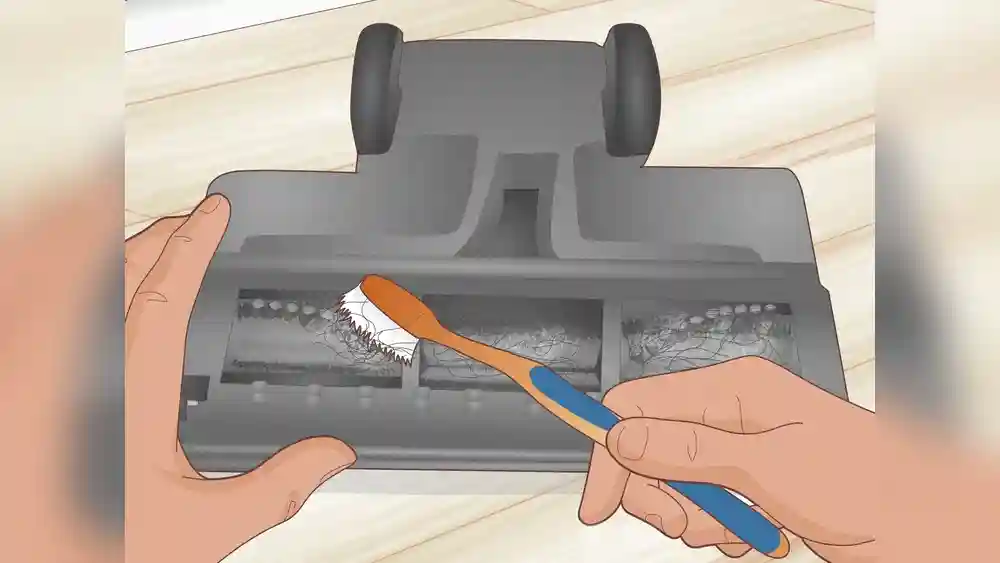
Hair and threads often wrap around the brush roll, blocking openings. Over time, this stops suction from reaching the brush.
- Turn off and unplug the vacuum.
- Remove the brush roll and clean all sides.
- Pay special attention to the ends, where hair can get tightly wrapped.
Some Shark models have a removable plate over the brush. Take it off and remove any trapped debris for better airflow.
3. Belt Issues
The belt connects the motor to the brush roll. If it breaks, the brush roll won’t spin. Sometimes, a stretched or loose belt makes the brush turn slowly or not at all.
- Check if the brush roll spins freely by hand.
- If it’s hard to turn or doesn’t move, the belt could be broken or off-track.
- Replace the belt if needed with a genuine Shark part.
A working belt is key for both suction and agitation, which help lift dirt from carpets and floors.
4. Height Adjustment Problems
Some Shark vacuums have a height adjustment for different floor types. If set too high, the brush may not touch the floor, making it seem like there’s no suction.
- Adjust the height setting for your floor (lower for hard floors, higher for thick carpets).
- Make sure the brush head sits flat on the floor.
This simple step is often missed, especially after vacuuming thick rugs or carpets.
5. Air Leaks
Air leaks happen when the connection between the hose, wand, and brush head isn’t tight. Even a small gap can make suction weak at the brush.
- Check all connections for cracks or loose fittings.
- Make sure all parts are snapped tightly in place.
- Replace worn or broken seals.
Some Shark models have rubber gaskets that wear out over time. Replacing them can restore lost suction.
6. Selector Switch Issues
Many Shark vacuums let you switch between hose and brush mode. If the switch or valve is stuck, all suction might go to the hose.
- Move the selector switch back and forth a few times.
- Listen for a “click” that means it’s in place.
- If the switch is loose or broken, it may need repair.
This is especially common on older models or after frequent switching.

Credit: www.wikihow.com
Step-by-step Troubleshooting Guide
If your Shark vacuum has suction from the hose but not the brush, follow these steps to find the problem:
- Unplug the vacuum for safety.
- Remove the floor head and check for blockages with a flashlight.
- Clean the brush roll and remove all hair and threads.
- Check the belt for tension and damage.
- Inspect all connections for cracks, gaps, or worn seals.
- Test the height adjustment to ensure the brush touches the floor.
- Move the selector switch between modes several times.
- Check the hose for cracks or splits.
Take your time with each step. Most problems are simple, but easy to overlook.
When To Replace Parts Vs. Clean
Knowing when to replace a part or simply clean it saves money and keeps your vacuum working longer.
- Brush roll: If the bristles are worn flat, replace the roll.
- Belt: Replace if stretched, cracked, or broken. Belts are cheap and easy to install.
- Filters: Dirty filters reduce suction everywhere. Clean or replace as the manual suggests.
- Gaskets: Replace if you see cracks or air leaks.
Cleaning is usually enough for blockages and hair buildup. Replacing is needed for damaged or worn parts.
Shark Vacuum Model Differences
Not all Shark vacuums are the same. Some models are more likely to have suction loss at the brush. Let’s compare a few popular types:
| Model | Common Brush Issue | Ease of Repair | Special Features |
|---|---|---|---|
| Navigators | Blockages, belt problems | Easy to open and clean | Lift-away canister |
| Rotator | Air leaks, selector switch | Medium (switch repair is tricky) | Swivel steering |
| DuoClean | Brush roll clogs | Easy (removable brush) | Two brush rolls for all floors |
| Rocket Stick | Hose cracks, brush roll issues | Medium | Lightweight, convertible |
| Vertex | Brush roll cleaning needed often | Easy (self-cleaning brushroll) | Advanced suction |
If you know your model, check the manual for special cleaning or repair steps.
Preventing Suction Loss In The Future
Keeping your Shark vacuum in top shape is easier than you think. Here are ways to prevent the hose-but-not-brush problem:
- Clean the brush roll after every use. Remove hair and threads before they build up.
- Check the belt every few months. Replace at the first sign of wear.
- Inspect connections for cracks and loose fittings.
- Empty the dust bin often. Overfull bins reduce suction everywhere.
- Wash or replace filters as directed.
- Store the vacuum in a dry place to avoid hose and gasket cracking.
Pro tip: Always check the floor head for small toys or objects before vacuuming. These can quickly block the brush pathway.
Real-world Example: Fixing A Shark Navigator
Let’s follow a real-life example. Jane owns a Shark Navigator. She notices the vacuum is strong through the hose but weak on her living room carpet.
- First, Jane checks the brush roll. It’s wrapped with pet hair. She removes the roll, cuts away the hair, and cleans the entry port.
- Next, she checks the belt. It’s a bit loose, so she orders a replacement online and installs it herself.
- Finally, Jane checks the connections. She finds a small crack in the plastic tube connecting the brush head to the body. She seals it with tape as a temporary fix.
- After reassembly, the vacuum works perfectly through the brush.
Jane learned that pet hair and a loose belt were the main causes. She now cleans the brush roll every week and checks the belt monthly.
Advanced Troubleshooting Tips
Sometimes, the problem is not obvious. Here are advanced tips to help:
- Use a mirror to look deep inside the brush pathway.
- Try a flexible drain cleaning tool to remove hidden clogs.
- If your Shark has a self-cleaning brushroll, run it for a few minutes and check for automatic hair removal.
- Listen for air leaks as you run the vacuum. A hissing sound means air is escaping.
- If you replaced a part and the problem remains, check for multiple blockages.
Many users forget to check the small air paths and seals. These are common spots for hidden problems.
Comparing Shark To Other Brands
How does Shark compare to other vacuum brands when it comes to this issue? Here’s a quick comparison.
| Brand | Common Brush Suction Issue | Average Repair Cost | Ease of Maintenance |
|---|---|---|---|
| Shark | Blockages, belt, air leaks | Low | Easy to moderate |
| Dyson | Clogs, complex brush heads | Medium | More complex |
| Bissell | Belt, brush roll, air paths | Low | Easy |
| Hoover | Height adjustment, belt | Low | Easy |
| Eureka | Hose cracks, brush roll | Low | Easy |
Shark vacuums are among the easiest to repair at home, but regular cleaning is important.
Common Mistakes To Avoid
Many users make simple mistakes that keep the problem going. Avoid these:
- Ignoring the brush roll because the hose works fine.
- Forgetting to check the belt when cleaning the brush.
- Not replacing filters on schedule.
- Using the wrong height setting for your floor.
- Overfilling the dust bin, which reduces suction everywhere.
Remember, a vacuum is a system. If one part fails, others won’t work as they should.
How To Know If It’s Time For Professional Repair
Sometimes, a Shark vacuum needs professional help. Here’s when to call an expert:
- The brush roll won’t turn even after cleaning and replacing the belt.
- There are electrical smells or sparks near the brush head.
- The selector switch is stuck or broken inside.
- You see cracks in the main body or motor housing.
- Replacing parts does not solve the problem.
If your vacuum is under warranty, contact Shark support. They may replace or repair your unit free or at low cost.
Cost Of Repairing Shark Vacuum Brush Suction
The cost depends on the problem:
- Cleaning brush roll: Free (your time).
- Belt replacement: $8–$15.
- Replacing brush roll: $20–$40.
- New gasket or seal: $10–$20.
- Professional repair: $50–$100, sometimes more.
If your vacuum is old or repairs are expensive, consider if it’s better to buy a new one. For most hose-but-not-brush issues, DIY repair is affordable.
Insights Beginners Miss
Here are two important points even experienced users often miss:
- Hidden air leaks: Even a tiny crack in a plastic connection or a worn rubber seal can redirect suction away from the brush. Most people only check for big blockages, not small leaks.
- Selector switch wear: If you switch between hose and brush modes often, the internal valve can wear out or stick. This is not visible from outside, but you may hear a faint click or feel extra resistance.
If you check these two areas, you can solve problems others miss.
How To Choose The Right Replacement Parts
If you need new parts, follow these tips:
- Always use genuine Shark parts. Cheaper copies may not fit well.
- Check your vacuum’s model number before ordering.
- Some parts (like belts) fit many models, but brush rolls are often model-specific.
- If you buy online, read reviews and check return policies.
A wrong part wastes time and money. Shark’s website and manuals have lists of compatible parts.

Credit: www.youtube.com
Advanced Maintenance For Long Life
Want your Shark vacuum to last longer? Try these advanced tips:
- Use compressed air to clean hard-to-reach areas inside the brush head.
- Lubricate the brush roll bearings with a drop of machine oil.
- Store the vacuum with the hose hanging straight to avoid kinks.
- Replace seals every 2–3 years, especially if you use the vacuum often.
These steps go beyond basic cleaning and can double the life of your vacuum.
Environmental And Health Benefits
A well-maintained vacuum keeps your home cleaner and your air healthier.
- Good suction picks up dust, allergens, and pet hair.
- Less dust means fewer allergies and asthma symptoms.
- Clean vacuums use less energy, saving money on bills.
According to the U.S. Environmental Protection Agency, regular vacuuming with a HEPA filter reduces indoor pollution. Make sure your Shark vacuum is working at its best.
How Often Should You Service Your Shark Vacuum?
Here’s a good schedule:
- Brush roll: Clean every week if you have pets, every month otherwise.
- Belt: Check every 3 months.
- Filters: Wash every 3 months, replace yearly.
- Dust bin: Empty after every use.
- Full check-up: Every 6 months.
Regular service stops suction problems before they start.
Upgrading Your Shark Vacuum
If you repair the vacuum but still want better performance, consider these upgrades:
- Buy a self-cleaning brush roll if your model supports it.
- Upgrade to a HEPA filter for better air quality.
- Add a flexible hose attachment for easier cleaning under furniture.
These upgrades can make an older Shark vacuum feel new again.
What Not To Do
Some actions can damage your Shark vacuum or make suction problems worse:
- Never use the vacuum on wet surfaces (unless it’s designed for wet use).
- Don’t use sharp objects to clear blockages—they can cut plastic parts.
- Don’t ignore strange sounds from the brush head.
- Don’t force parts back together if they don’t fit.
Treat your vacuum gently and it will last longer.
When To Replace Your Shark Vacuum
Even the best vacuum won’t last forever. Replace your Shark vacuum if:
- The motor is weak or noisy, even after cleaning.
- The body or brush head is cracked beyond repair.
- Replacement parts are hard to find for your model.
- You need features your old vacuum doesn’t have (like self-cleaning brush rolls).
On average, a Shark vacuum lasts 5–8 years with good care.
Credit: www.youtube.com
Frequently Asked Questions
Why Does My Shark Vacuum Have Strong Suction From The Hose But Not From The Brush?
This usually means the main motor is fine, but there’s a blockage, air leak, or broken part between the body and the brush head. Check for blockages, clean the brush roll, and inspect the belt and connections.
How Do I Clean The Brush Roll On My Shark Vacuum?
Unplug the vacuum, remove the brush roll (consult your manual), and cut away hair, threads, and debris. Wash gently if the manual allows. Let it dry completely before reinstalling.
What Part Should I Replace If Cleaning Doesn’t Fix The Problem?
Start with the belt and brush roll. If they are worn or damaged, replace them. If you see cracks in seals or connections, replace those as well. Use only genuine Shark parts for the best fit.
Is It Worth Repairing My Old Shark Vacuum, Or Should I Buy A New One?
If repairs cost less than half the price of a new vacuum, fixing it is usually worth it. If your vacuum is over 8 years old or has several problems, consider replacing it for better performance and features.
How Can I Prevent This Problem In The Future?
Clean the brush roll and check the belt often. Empty the dust bin regularly and replace filters on schedule. Inspect connections for cracks and keep the vacuum stored in a dry place.
A Shark vacuum is a strong tool for keeping your home clean, but only if all parts work together. When suction works at the hose but not at the brush, you now have the knowledge and tools to fix it.
Regular care, smart troubleshooting, and timely repairs will keep your Shark vacuum running like new for years to come.