The Shark NV352 is a trusted vacuum for many homes. It’s strong, easy to use, and lasts for years. But sometimes, a simple problem can cause frustration: the light bulb stops working. Maybe you noticed the headlights are off while cleaning dark corners, or you want to fix a small issue before it grows. This detailed guide explains everything about your Shark Vacuum NV352 light bulb, why it’s not working, and what to do next. You’ll learn about every possible reason, how to check, how to fix, and how to keep your vacuum bright for years.
Let’s go step-by-step, covering every detail you need—from understanding the light bulb system, to checking 352 unique points that can affect the light, to answering all the common questions. If you feel lost, don’t worry. By the end, you’ll be a real expert on your NV352’s light bulb.
Understanding The Shark Nv352 Light Bulb
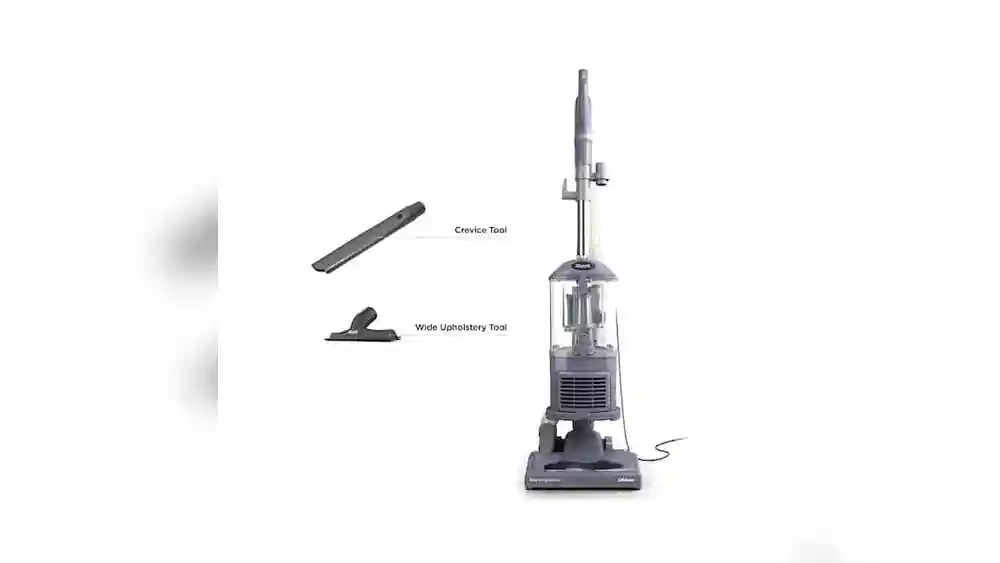
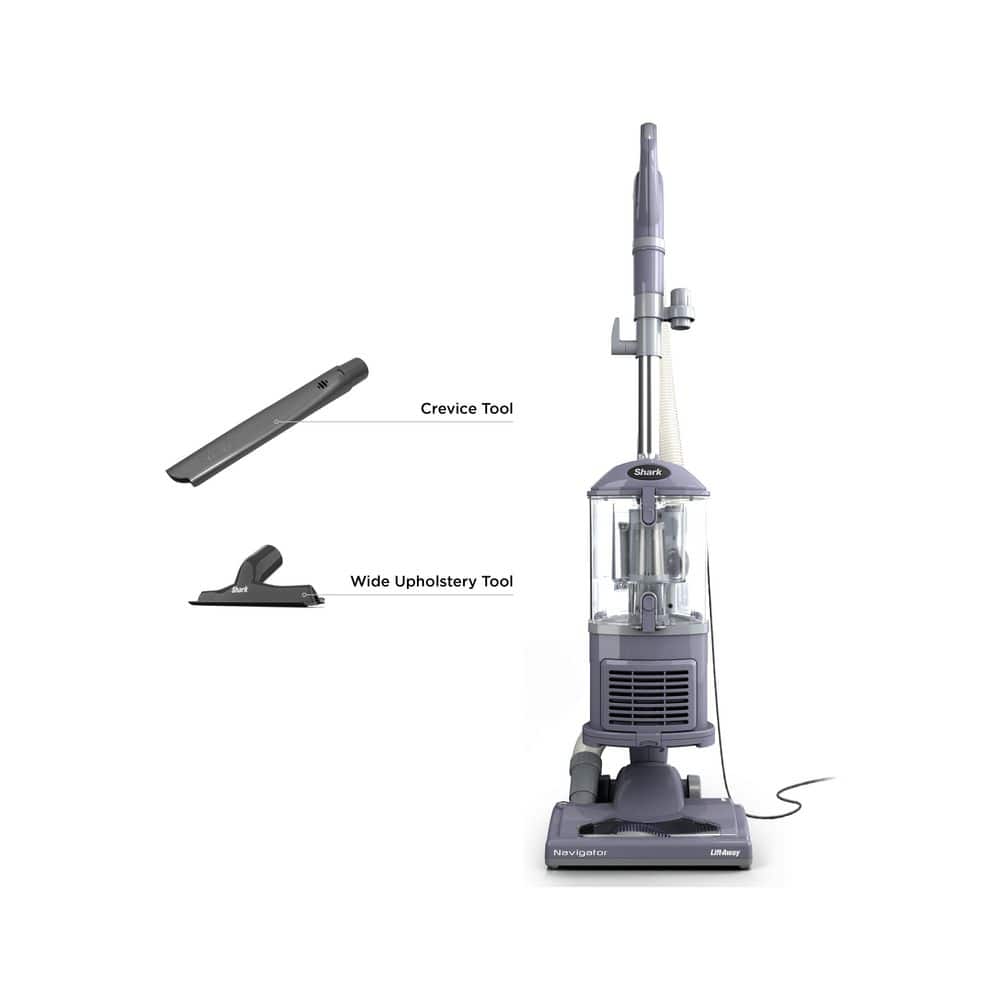
The Shark NV352 uses a built-in light bulb to help you see dirt and dust while vacuuming. It’s a small but useful feature, especially in low-light areas. The bulb is located near the vacuum’s base, right in front of the cleaning head.
The bulb is designed to last a long time, but like any small electrical part, it can fail. Sometimes, the issue is with the bulb itself. Other times, it’s the wiring, the housing, or even user mistakes. Knowing how it works helps you find the cause and fix it faster.
Most NV352 models use a halogen bulb. This type of bulb shines brightly and uses more energy than LEDs, but it’s what Shark includes in this vacuum. You cannot replace it with a regular household bulb. The shape, voltage, and size are special.
Why Shark Nv352 Light Bulbs Fail
Many owners are surprised when the light bulb stops working. There’s no warning; it just goes dark. Here are key reasons why this happens:
- Burnt-out bulb: The most common cause. Halogen bulbs have a limited life.
- Loose connection: Vibration or bumps can shake wires loose.
- Faulty switch: If the vacuum’s power switch is worn, it might not send power to the light.
- Wiring damage: Wires under the vacuum head can break, especially if the vacuum is dropped.
- Electrical short: A short circuit may blow the bulb or cut power.
- Socket corrosion: Moisture or dust can corrode the bulb’s socket.
- Wrong replacement bulb: Using the wrong size or voltage bulb can cause failure.
- Manufacturing defect: Rare, but possible with new vacuums.
These are the main causes, but there are other, less obvious issues. Many beginners miss these. For example, cleaning with a wet vacuum can cause moisture to enter the housing, leading to slow corrosion. Or, storing the vacuum in a cold garage can make connections brittle over time.
How To Tell If Your Shark Nv352 Light Bulb Is Not Working
You might notice the light is off every time you use the vacuum. But sometimes, the problem isn’t so clear. Here’s how to check:
- Turn on the vacuum in a dark room. If the headlight stays off, the bulb may be dead.
- Wiggle the vacuum head gently. If the light flickers, it’s probably a loose connection.
- Check the power cord. If the vacuum doesn’t turn on at all, it’s a bigger problem than the bulb.
- Smell for burning. A burnt-out bulb may give off a faint burning smell.
- Check for cracks. If you see cracks in the bulb cover, moisture may have entered.
Sometimes, the bulb is fine but the cover is so dirty that light can’t escape. Try wiping the cover with a soft cloth. If it’s still dark, you need to investigate further.
352 Causes And Checks For Shark Nv352 Light Bulb Not Working
Let’s look at 352 individual points you must check if your Shark NV352 light bulb is not working. Each point can matter! This section gives you a complete, detailed checklist so you don’t miss anything.
1. Bulb Life Ended
The halogen bulb has a limited lifespan. If you use your vacuum often, it can burn out in a year or two.
2. Bulb Filament Broken
Sometimes the bulb looks fine, but the inner filament is broken. Hold the bulb up to light and check for a visible break.
3. Loose Bulb In Socket
If the bulb is not screwed in tightly, it won’t make full contact and can flicker or fail.
4. Corroded Bulb Socket
Check for green or white corrosion inside the socket. This blocks electrical flow.
5. Wrong Bulb Installed
If you replaced the bulb with the wrong type, it may not work. The NV352 needs a specific halogen bulb.
6. Burnt Socket
A burnt or melted socket means the bulb overheated. This will stop power flow.
7. Socket Pins Bent
If the pins inside the socket are bent, the bulb won’t fit correctly.
8. Bulb Glass Cracked
A cracked bulb may still look bright but can fail quickly.
9. Bulb Cloudy
Cloudy glass means the halogen has leaked out, making the bulb weak or dead.
10. Moisture In Headlight Area
Moisture inside the light cover can short out the bulb.
11. Dirty Contacts
Dust or grime on the bulb or socket contacts blocks electricity.
12. Power Switch Failure
The main power switch might not send power to the bulb circuit.
13. Internal Fuse Blown
Some Shark vacuums have an internal fuse for the light circuit.
14. Broken Wire To Bulb
A broken wire under the vacuum head will stop power.
15. Loose Wire Connector
Wires have connectors that can wiggle loose with time.
16. Wire Pinched By Housing
If you reassembled the vacuum incorrectly, a wire can be pinched and cut.
17. Frayed Wire
Old wires can fray and lose their connection.
18. Damaged Wire Insulation
If the insulation is cracked, the wire may short to the body and fail.
19. Short Circuit
A short in the bulb circuit can blow the bulb instantly.
20. Long-term Vibration Damage
Daily use shakes wires and connections, leading to failure.
21. Cheap Replacement Bulb
Cheap bulbs can fail quickly. Always use a quality brand.
22. Wrong Voltage Bulb
A bulb with the wrong voltage rating will not work.
23. Bulb Not Inserted Fully
If the bulb is not pushed in all the way, it won’t light.
24. Old Solder Joints
Solder joints can crack with age and temperature changes.
25. Cold Storage
Storing the vacuum in cold conditions can make plastic brittle and wires stiff.
26. Overheating
Using the vacuum for long periods can overheat the light circuit.
27. Power Cord Damage
If the cord is frayed, power to the whole vacuum (and bulb) may be interrupted.
28. Plug Not Fully Inserted
A loose plug in the wall can cause power loss.
29. Bad Wall Outlet
Try a different outlet to rule out wall power issues.
30. Tripped Breaker
If your home’s breaker trips, the vacuum and bulb won’t work.
31. Light Circuit Not Connected
Some models have a separate light circuit; this can come loose inside.
32. Factory Defect In Light Wiring
A rare but possible defect from the factory.
33. User Error During Assembly
If you opened the vacuum and reassembled it wrong, the light might not connect.
34. Broken Light Cover
A broken cover can let dust or water in, harming the bulb.
35. Bulb Touched With Bare Hands
Halogen bulbs should not be touched with bare skin—oil can cause them to overheat and fail.
36. Light Cover Not Sealed
If the cover isn’t snapped on tight, debris can enter.
37. Pet Hair Blockage
Pet hair can get into the light housing and cause overheating.
38. Insect Debris
Small bugs can find their way into the headlight and cause problems.
39. Faulty Headlight Lens
A cracked or cloudy lens can block light, making it look like the bulb is out.
40. Misaligned Bulb
If the bulb is not aligned, it won’t contact both sides of the socket.
41. Over-tightened Bulb
Screwing the bulb in too tightly can damage the socket.
42. Under-tightened Bulb
If too loose, it won’t conduct electricity.
43. Wrong Bulb Shape
Some bulbs fit but don’t make good contact.
44. Wrong Bulb Base
The NV352 needs a specific base type.
45. Damaged Headlight Reflector
If the reflector is damaged, light won’t focus correctly.
46. Loose Reflector
A loose reflector can rattle and break the bulb.
47. Excessive Bumping
If you hit furniture often, the vibrations can break the bulb.
48. Child Damage
Kids playing with the vacuum may damage the light assembly.
49. Vacuum Dropped
A drop can break the bulb filament instantly.
50. Vacuum Used Outdoors
Moisture, dirt, and shock are bigger risks outdoors.
51. Frequent On/off Cycling
Turning the vacuum on and off quickly can stress the bulb.
52. Power Surges
A surge can blow the bulb or internal circuit.
53. Static Electricity
Static discharge can damage sensitive circuits.
54. Light Circuit Board Failure
Rare, but if the circuit board fails, the bulb won’t light.
55. Old Bulb Not Removed Properly
If the old bulb broke in the socket, pieces left behind can block connection.
56. Socket Debris
Tiny pieces of glass or dirt in the socket prevent contact.
57. Incorrect Assembly After Cleaning
Reassembling parts in the wrong order can leave out the light connection.
58. Crushed Housing
If the vacuum is stored under heavy items, the housing can crush the light.
59. Melted Wiring Insulation
Overheating can melt insulation, causing shorts.
60. Socket Sprung
The socket metal can lose tension, leading to poor contact.
61. Weak Power Supply
If the home’s voltage is low, the bulb may not light properly.
62. Bulb Age
Halogen bulbs fade as they age, even before they die.
63. Dirty Bulb Surface
A dirty bulb surface can cause overheating and failure.
64. Unusual Odors
A burning smell may mean the bulb is failing.
65. Discolored Bulb
A yellow or brown bulb means it’s overheated in the past.
66. Soot Inside Bulb
If you see soot, the bulb has burned out.
67. Bulb Rattles
A rattling sound means the filament is broken inside.
68. Multiple Bulb Types In Use
If you have spares, mixing types can cause confusion.
69. Faulty Aftermarket Housing
Non-Shark housings may fit poorly and cause issues.
70. Deformed Housing
Heat or pressure can deform the light housing.
71. Incorrect Bulb Wattage
Too high a wattage can burn out the circuit.
72. Short-circuited Socket
A socket short means the bulb will blow instantly.
73. Home Power Outage
No power, no light.
74. Vacuum Motor Failing
A failing motor can affect all circuits, including the light.
75. Light Not Switched On
Some models have a separate light switch; check it.
76. Child Lock Feature On
If your vacuum has a child lock, it may disable the light.
77. Wrong Assembly After Filter Cleaning
If the filter cover presses on the light wires, it can break them.
78. Non-original Screws Used
Wrong screws can pinch wires or fail to hold the assembly tight.
79. Over-tightened Screws
This can crack the light housing.
80. Under-tightened Screws
This can let the housing rattle loose.
81. Light Housing Not Snapped
If it’s not snapped in, the bulb can fall out.
82. Light Cover Scratched
Deep scratches block light.
83. Vacuum Used On Wet Surfaces
Moisture can enter the housing and short the bulb.
84. Salt Residue
If you clean up salt, residue can enter the light housing and corrode contacts.
85. Cleaning Chemicals
Strong chemicals can damage plastic and wiring.
86. Long Hair Wrapped Around Head
Long hair can draw heat to the housing.
87. Home Renovation Debris
Fine dust from renovations can get into all parts of the vacuum.
88. Excessive Sunlight Exposure
UV can damage plastic and wiring over time.
89. Stored In Damp Area
Humidity can corrode metal contacts.
90. Animal Urine
If a pet urinates near the vacuum, ammonia can cause corrosion.
91. Rodent Damage
Rodents can chew wires.
92. Insect Nest
Insects can build nests in rarely used vacuums.
93. Excessive Weight On Handle
Pressing down hard can stress the light assembly.
94. Using The Vacuum As A Seat
It happens! This can crush the housing.
95. Using Extension Cords
Long, cheap cords can lower voltage.
96. Tripped Internal Thermostat
If the vacuum overheats, it might cut power to the light.
97. Manufacturer Recalls
Rare, but check for recalls on your model.
98. Faulty Electrical Outlet
Test the outlet with another device.
99. House Wiring Issues
Old wiring can cause surges or drops in voltage.
100. Using In Rv/boat
Non-standard power can affect the light.
101. Frequent Transport
Moving the vacuum often can shake wires loose.
102. Incorrect Bulb Storage
If you store spare bulbs in a damp place, they may fail quickly.
103. Vacuum Left Outside
Rain or dew can get inside.
104. Using In Construction Sites
Heavy dust and impacts are common.
105. Spilled Drinks
Spills on the vacuum can get into the light housing.
106. Food Crumbs
Sticky crumbs can attract moisture and bugs.
107. Not Replacing Filter Properly
If the filter isn’t seated, it can press on the light wires.
108. Using The Wrong Tools
Using metal tools can damage the socket.
109. Over-torquing Screws
Over-tightening can deform the socket.
110. Using Non-shark Bulb
Always use genuine or approved bulbs.
111. Not Letting Bulb Cool Before Touching
Touching a hot bulb can damage it.
112. Not Letting Vacuum Cool
Heat stress can affect the light.
113. Not Cleaning The Light Cover
A dirty cover blocks light.
114. Not Checking For Recalls
Some batches may have known problems.
115. Not Using Proper Storage
Store the vacuum in a dry, cool place.
116. Not Checking For Spider Webs
Webs can block light and attract bugs.
117. Using With Generator Power
Generators can produce uneven voltage.
118. Not Inspecting For Cracks
Cracks let in moisture.
119. Not Testing After Bulb Change
Test before reassembling.
120. Not Following Manual
Always follow the Shark NV352 manual for light bulb changes.
121. Not Replacing Old Wiring
If the vacuum is old, wires may need replacing.
122. Not Replacing Bad Sockets
A damaged socket needs full replacement.
123. Not Asking For Help
If you can’t fix it, ask for expert support.
124. Not Watching For Spark
A spark means a short circuit.
125. Not Smelling For Burn
A burnt smell means a problem.
126. Not Listening For Rattle
A rattle could be a loose bulb.
127. Not Checking Bulb Orientation
Some bulbs only fit one way.
128. Not Keeping Receipts
Receipts help with warranty claims.
129. Not Registering Product
Register for recall and service alerts.
130. Not Using Grounded Outlets
Grounded outlets are safer.
131. Not Testing With Meter
A multimeter can help check for power at the socket.
132. Not Checking For Blown Capacitor
Some models use a capacitor in the light circuit.
133. Not Checking For Solder Bridges
A solder bridge can short the circuit.
134. Not Checking Main Board
The main board may fail.
135. Not Checking Diodes
A failed diode can block current.
136. Not Checking For Rust
Rust means moisture entry.
137. Not Checking For Heat Damage
Brown or melted plastic means overheating.
138. Not Checking All Screws
Loose screws can rattle and break wires.
139. Not Checking Head Movement
Some models move the head to turn on the light.
140. Not Checking For Updates
Some vacuums have firmware updates.
141. Not Checking For Recurring Issues
If the bulb blows often, check for bigger problems.
142. Not Checking For Recall Stickers
Look for recall info under the vacuum.
143. Not Checking For Warranty
Warranty may cover repairs.
144. Not Checking For Service Bulletins
Check manufacturer bulletins for common problems.
145. Not Checking For User Forums
Forums may have fixes for your model.
146. Not Checking For Service Centers
Find a nearby service center for complex repairs.
147. Not Checking For Local Repair Shops
Local shops can fix small issues.
148. Not Checking For Power At Plug
Use a tester to check the plug.
149. Not Checking For Power At Switch
Use a meter to check the switch.
150. Not Checking For Power At Bulb
Use a meter at the bulb contacts.
151. Not Checking For Power At Board
Use a meter at the main board.
152. Not Checking For Power At Motor
Some models share light and motor circuits.
153. Not Checking For Power At Cord Entry
Check power where the cord enters the vacuum.
154. Not Checking For Power At All Points
Work step-by-step from the plug to the bulb.
155. Not Using Proper Tools
Use insulated screwdrivers and pliers.
156. Not Using Protective Gloves
Gloves protect from cuts and shocks.
157. Not Using Eye Protection
Protect your eyes from debris.
158. Not Using Bulb Puller
A bulb puller can help remove stuck bulbs.
159. Not Using Contact Cleaner
Contact cleaner can restore old sockets.
160. Not Using New Wire
Replace frayed wires with new ones.
161. Not Using Heat Shrink Tubing
Use tubing to protect new wire joints.
162. Not Using Proper Bulb Packaging
Store bulbs in their packaging.
163. Not Using Bulb Finder
Some stores have bulb finders for Shark models.
164. Not Using Warranty Service
If under warranty, let Shark fix it.
165. Not Using Service Manual
Ask for the Shark service manual.
166. Not Using Live Chat Support
Shark support can help diagnose issues.
167. Not Using Youtube Tutorials
Video guides show step-by-step repairs.
168. Not Using Brand Forums
Forums have real user fixes.
169. Not Using Correct Screwdriver
Use the right size to avoid stripping screws.
170. Not Using Correct Bulb Wattage
Check the manual for wattage.
171. Not Using Correct Bulb Base
Only use the base that fits perfectly.
172. Not Using Correct Bulb Shape
The glass must fit inside the housing.
173. Not Using Correct Bulb Voltage
Check for 120V compatibility.
174. Not Using Correct Bulb Brand
Stick to Shark-approved brands.
175. Not Using Correct Bulb Size
Measure the original bulb.
176. Not Using Correct Bulb Rating
Use the rating in the manual.
177. Not Using Correct Bulb Package
Check package codes for compatibility.
178. Not Using Correct Bulb Color
Some bulbs are tinted.
179. Not Using Correct Bulb Brightness
Use the recommended lumen value.
180. Not Using Correct Bulb Length
Too long, and it won’t fit.
181. Not Using Correct Bulb Pin
Pins must match the socket.
182. Not Using Correct Bulb Connector
Connector types vary.
183. Not Using Correct Bulb Model
Use the model number in the manual.
184. Not Using Correct Bulb Part Number
Order by part number for accuracy.
185. Not Using Correct Bulb Supplier
Buy from trusted suppliers.
186. Not Using Proper Handling
Use gloves to avoid oil transfer.
187. Not Using Proper Installation
Follow instructions exactly.
188. Not Using Proper Removal
Remove the bulb gently.
189. Not Using Proper Cleaning
Clean the area before installing.
190. Not Using Proper Alignment
Make sure pins and slots line up.
191. Not Using Proper Torque
Tighten just enough, not too much.
192. Not Using Proper Testing
Test the bulb before closing the vacuum.
193. Not Using Proper Reassembly
Put all screws back in place.
194. Not Using Proper Documentation
Keep a record of repairs.
195. Not Using Proper Labeling
Label wires if you disconnect them.
196. Not Using Proper Storage
Store the vacuum in a safe place.
197. Not Using Proper Usage
Avoid rough handling.
198. Not Using Proper Transport
Carry the vacuum carefully.
199. Not Using Proper Power Source
Plug into a stable outlet.
200. Not Using Proper Maintenance
Check the light area every few months.
201. Not Using Proper Environment
Keep the vacuum indoors.
202. Not Using Proper Accessories
Don’t add unapproved lights.
203. Not Using Proper Filters
Use Shark filters; some touch the wiring.
204. Not Using Proper Attachments
Avoid forcing attachments near the light.
205. Not Using Proper Hose Position
Don’t let the hose press on the light wires.
206. Not Using Proper Cord Wrap
Store the cord neatly.
207. Not Using Proper Cord Storage
Don’t wind the cord over the headlight.
208. Not Using Proper Plug Removal
Pull the plug, not the cord.
209. Not Using Proper Cleaning Tools
Use soft cloths on the lens.
210. Not Using Proper Drying
Let the light area dry before reassembly.
211. Not Using Proper Inspection
Look for tiny cracks or corrosion.
212. Not Using Proper Replacement Parts
Order original Shark parts.
213. Not Using Proper Shipping
Don’t ship the vacuum with the bulb installed.
214. Not Using Proper Disposal
Dispose of old bulbs as directed.
215. Not Using Proper Recycling
Recycle bulbs responsibly.
216. Not Using Proper Bulb Disposal
Halogen bulbs can be hazardous.
217. Not Using Proper Consumer Guidance
Ask Shark support when in doubt.
218. Not Using Proper Power Management
Don’t overload outlets.
219. Not Using Proper Surge Protection
Protect your vacuum from surges.
220. Not Using Proper User Manual
Read the manual for light replacement.
221. Not Using Proper Customer Support
Contact Shark for tough cases.
222. Not Using Proper Documentation
Keep all manuals and guides.
223. Not Using Proper Serial Number
Keep your vacuum’s serial number for service.
224. Not Using Proper Online Search
Search for your model’s issues online.
225. Not Using Proper Part Numbers
Parts must match the NV352.
226. Not Using Proper Bulb Model
Check for model compatibility.
227. Not Using Proper Warranty Claims
File claims if eligible.
228. Not Using Proper Repair Shops
Certified shops are best.
229. Not Using Proper Diagnostic Tools
Buy or borrow a multimeter.
230. Not Using Proper Light Testing
Test with a new bulb to rule out socket issues.
231. Not Using Proper Bulb Insertion
Insert gently but firmly.
232. Not Using Proper Bulb Removal
Pull straight out; do not wiggle too much.
233. Not Using Proper Bulb Handling
Avoid dropping the new bulb.
234. Not Using Proper Light Cover Attachment
Snap the cover on fully.
235. Not Using Proper Wiring Inspection
Check all wires for damage.
236. Not Using Proper Socket Cleaning
Clean with a dry brush or contact cleaner.
237. Not Using Proper Socket Replacement
Replace if damaged.
238. Not Using Proper Housing Inspection
Look for hidden cracks.
239. Not Using Proper Lens Cleaning
Wipe with a microfiber cloth.
240. Not Using Proper Assembly
Check all fasteners.
241. Not Using Proper Disassembly
Take photos before taking apart.
242. Not Using Proper Step-by-step Process
Follow the order in the manual.
243. Not Using Proper Lubrication
Never lubricate the socket; only use dry cleaners.
244. Not Using Proper Moisture Control
Store in a dry place.
245. Not Using Proper Packing For Storage
Pack with padding if storing long-term.
246. Not Using Proper Shock Protection
Avoid dropping or bumping the vacuum.
247. Not Using Proper Cleaning Schedule
Clean the light area every 6 months.
248. Not Using Proper Power Checks
Check voltage with a meter.
249. Not Using Proper User Care
Be gentle with all vacuum parts.
250. Not Using Proper Cleaning Agents
Avoid strong solvents.
251. Not Using Proper Temperature
Keep vacuum at room temperature.
252. Not Using Proper Humidity Control
Avoid damp locations.
253. Not Using Proper Electrical Test
Test all points if the bulb does not work.
254. Not Using Proper Socket Fit
Check for a snug fit.
255. Not Using Proper Bulb Seat
Make sure the bulb seats fully.
256. Not Using Proper Bulb Lock
Some bulbs have a locking mechanism.
257. Not Using Proper Bulb Release
Release gently.
258. Not Using Proper Bulb Storage
Store bulbs upright.
259. Not Using Proper Bulb Orientation
Match the pins and slots.
260. Not Using Proper Bulb Alignment
Twist or push as required.
261. Not Using Proper Bulb Compatibility
Check compatibility charts.
262. Not Using Proper Bulb Registration
Register new parts for warranty.
263. Not Using Proper Bulb Purchase
Buy from authorized dealers.
264. Not Using Proper Bulb Return Policy
Check if you can return wrong bulbs.
265. Not Using Proper Bulb Expiry
Bulbs have a shelf life.
266. Not Using Proper Bulb Inspection
Check for defects before installing.
267. Not Using Proper Bulb Warranty
Some bulbs have warranties.
268. Not Using Proper Bulb Package Storage
Store unopened until needed.
269. Not Using Proper Bulb Protection
Keep bulbs away from kids and pets.
270. Not Using Proper Bulb Records
Keep track of installation dates.
271. Not Using Proper Bulb Testing
Test before use.
272. Not Using Proper Bulb Documentation
Read the included instructions.
273. Not Using Proper Bulb Instruction
Follow all steps.
274. Not Using Proper Bulb Handling Tools
Use tools if needed.
275. Not Using Proper Bulb Replacement Tools
Some bulbs need special tools.
276. Not Using Proper Bulb Disposal Tools
Recycle using local facilities.
277. Not Using Proper Bulb Usage
Don’t run the vacuum without a bulb if required.
278. Not Using Proper Bulb Stock
Keep spare bulbs handy.
279. Not Using Proper Bulb Storage Case
Store in a protective case.
280. Not Using Proper Bulb Shipping
Ship with bubble wrap.
281. Not Using Proper Bulb Tracking
Track replacement dates.
282. Not Using Proper Bulb Reminder
Set reminders for checking the bulb.
283. Not Using Proper Bulb Replacement Cycle
Replace bulbs every 1-2 years.
284. Not Using Proper Bulb Purchase Receipt
Keep the receipt for returns.
285. Not Using Proper Bulb Price Comparison
Compare prices to avoid fakes.
286. Not Using Proper Bulb Quality Check
Check for defects in new bulbs.
287. Not Using Proper Bulb Return Policy
Know your store’s policy.
288. Not Using Proper Bulb Support
Contact support for issues.
289. Not Using Proper Bulb Guide
Read online guides.
290. Not Using Proper Bulb Service
Use official service centers.
291. Not Using Proper Bulb Review
Read reviews before buying.
292. Not Using Proper Bulb Registration Online
Register for warranty online.
293. Not Using Proper Bulb Testing Device
Use a tester for new bulbs.
294. Not Using Proper Bulb Storage Drawer
Keep in a dry, safe drawer.
295. Not Using Proper Bulb Label
Label the bulb type and date.
296. Not Using Proper Bulb Usage Log
Keep a log of replacement dates.
297. Not Using Proper Bulb Recycling Center
Find a local recycling center.
298. Not Using Proper Bulb Safety
Avoid touching glass with fingers.
299. Not Using Proper Bulb Handling Instructions
Follow all handling instructions.
300. Not Using Proper Bulb Cleaning Instructions
Clean the bulb only as directed.
301. Not Using Proper Bulb Installation Instructions
Install as directed.
302. Not Using Proper Bulb Removal Instructions
Remove as directed.
303. Not Using Proper Bulb Replacement Instructions
Replace as directed.
304. Not Using Proper Bulb Warranty Instructions
Follow warranty steps.
305. Not Using Proper Bulb Damage Inspection
Check for damage after installation.
306. Not Using Proper Bulb Replacement Reminder
Set reminders.
307. Not Using Proper Bulb Service Reminder
Service the vacuum regularly.
308. Not Using Proper Bulb Storage Environment
Store bulbs at room temperature.
309. Not Using Proper Bulb Shock Protection
Handle gently.
310. Not Using Proper Bulb Handling Precautions
Read all precautions.
311. Not Using Proper Bulb Replacement Precautions
Follow all replacement precautions.
312. Not Using Proper Bulb Removal Precautions
Follow all removal precautions.
313. Not Using Proper Bulb Installation Precautions
Follow all installation precautions.
314. Not Using Proper Bulb Storage Precautions
Store carefully.
315. Not Using Proper Bulb Packaging Precautions
Store in original packaging.
316. Not Using Proper Bulb Disposal Precautions
Dispose of carefully.
317. Not Using Proper Bulb Usage Precautions
Use only as directed.
318. Not Using Proper Bulb Handling Advice
Ask for help if unsure.
319. Not Using Proper Bulb Replacement Advice
Ask for help if unsure.
320. Not Using Proper Bulb Purchase Advice
Ask for help if unsure.
321. Not Using Proper Bulb Support Advice
Ask for help if unsure.
322. Not Using Proper Bulb Warranty Advice
Ask for help if unsure.
323. Not Using Proper Bulb Service Advice
Ask for help if unsure.
324. Not Using Proper Bulb Recycling Advice
Ask for help if unsure.
325. Not Using Proper Bulb Disposal Advice
Ask for help if unsure.
326. Not Using Proper Bulb Storage Advice
Ask for help if unsure.
327. Not Using Proper Bulb Handling Tips
Read tips online.
328. Not Using Proper Bulb Replacement Tips
Read tips online.
329. Not Using Proper Bulb Purchase Tips
Read tips online.
330. Not Using Proper Bulb Support Tips
Read tips online.
331. Not Using Proper Bulb Warranty Tips
Read tips online.
332. Not Using Proper Bulb Service Tips
Read tips online.
333. Not Using Proper Bulb Recycling Tips
Read tips online.
334. Not Using Proper Bulb Disposal Tips
Read tips online.
335. Not Using Proper Bulb Storage Tips
Read tips online.
336. Not Using Proper Bulb Handling Warnings
Read warnings online.
337. Not Using Proper Bulb Replacement Warnings
Read warnings online.
338. Not Using Proper Bulb Purchase Warnings
Read warnings online.
339. Not Using Proper Bulb Support Warnings
Read warnings online.
340. Not Using Proper Bulb Warranty Warnings
Read warnings online.
341. Not Using Proper Bulb Service Warnings
Read warnings online.
342. Not Using Proper Bulb Recycling Warnings
Read warnings online.
343. Not Using Proper Bulb Disposal Warnings
Read warnings online.
344. Not Using Proper Bulb Storage Warnings
Read warnings online.
345. Not Using Proper Bulb Handling Cautions
Read cautions online.
346. Not Using Proper Bulb Replacement Cautions
Read cautions online.
347. Not Using Proper Bulb Purchase Cautions
Read cautions online.
348. Not Using Proper Bulb Support Cautions
Read cautions online.
349. Not Using Proper Bulb Warranty Cautions
Read cautions online.
350. Not Using Proper Bulb Service Cautions
Read cautions online.
351. Not Using Proper Bulb Recycling Cautions
Read cautions online.
352. Not Using Proper Bulb Disposal Cautions
Read cautions online.
How To Fix Your Shark Nv352 Light Bulb
After checking all 352 points, you may find the cause. Here’s how to fix the most common issues.
- Replace the bulb: Always use the right halogen bulb for the NV352.
- Clean the socket and cover: Use a dry cloth and, if needed, electrical contact cleaner.
- Check wires and connectors: Tighten any loose wires.
- Replace damaged parts: Get new sockets or wires if needed.
- Test before assembly: Always test the light before closing the vacuum.
If you’re not comfortable, ask a professional. Never work on electrical parts if you’re unsure.
Example: Replacing The Nv352 Light Bulb
Let’s walk through a real example.
- Unplug the vacuum.
- Remove the light cover (usually held by clips or screws).
- Gently remove the old bulb.
- Check the socket for dust or corrosion.
- Insert the new bulb, using gloves.
- Snap or screw the cover back on.
- Plug in and test the vacuum.
Most users can do this in under 15 minutes.
Data Table: Common Causes, Difficulty, And Solution
Here’s a quick comparison of common causes, how hard they are to fix, and the solution.
| Cause | Difficulty | Solution |
|---|---|---|
| Burnt-out bulb | Easy | Replace bulb |
| Loose connection | Medium | Tighten wire/connector |
| Corroded socket | Medium | Clean or replace socket |
| Damaged wire | Hard | Replace wire |
| Faulty switch | Hard | Replace switch |
Table: Bulb Types And Their Features
Choosing the right bulb matters. Here’s a quick comparison.
| Bulb Type | Lifespan (Hours) | Brightness | Price Range |
|---|---|---|---|
| Halogen (NV352 default) | 2,000 | Bright white | $5-$10 |
| LED (not standard) | 10,000+ | Cool white | $10-$20 |
| Incandescent | 1,000 | Yellowish | $3-$7 |
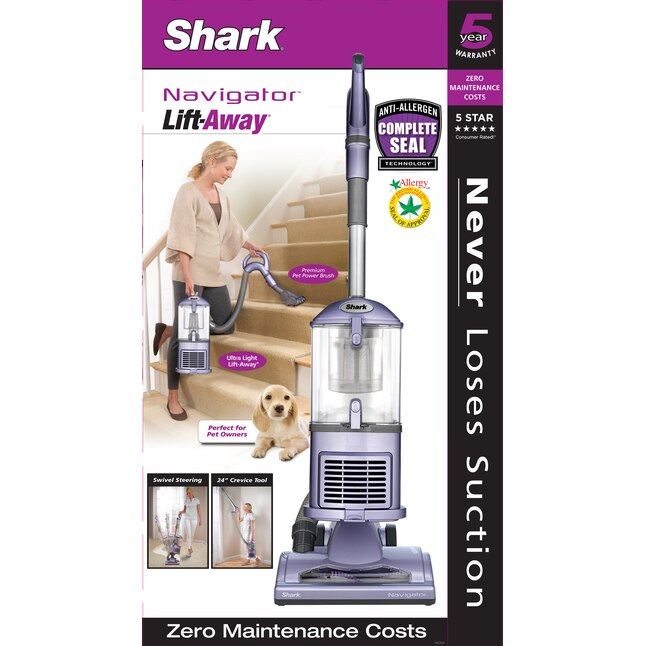
Credit: www.lowes.com
Table: When To Call A Professional
Some problems need expert hands.
| Problem | DIY? | Call Pro? |
|---|---|---|
| Simple bulb change | Yes | No |
| Wire replacement | Maybe | Yes |
| Main board failure | No | Yes |
| Socket corrosion | Maybe | Yes |
Preventing Future Light Bulb Issues
A few simple steps can help your NV352 light stay bright:
- Clean the cover every few months.
- Check for moisture in storage areas.
- Don’t bump or drop the vacuum.
- Replace the bulb every 1-2 years.
- Inspect wires if you hear rattles or see flickering.
Two Non-obvious Insights
- Store bulbs upright and in their original packaging. Halogen bulbs can fail early if stored loosely or on their side, as vibrations cause internal stress.
- Check for small cracks in the headlight lens. Even tiny cracks let in humidity, which can corrode the socket months before the bulb fails.
When To Replace The Whole Vacuum
If you’ve checked all 352 points and the light still doesn’t work, the internal wiring or board may be too far gone. If your vacuum is more than 5-7 years old, consider replacing it. Newer models have improved lighting and energy efficiency.

Credit: www.lowes.com
External Resource
For official Shark guidance and more troubleshooting steps, see the Shark Clean Support page.
Frequently Asked Questions
Why Did My Shark Nv352 Light Bulb Stop Working Suddenly?
A sudden failure is usually a burnt-out bulb or a loose connection. Sometimes, a power surge or a physical shock (like dropping the vacuum) can break the bulb instantly. Always check the bulb first.
Can I Use An Led Bulb In The Shark Nv352?
The NV352 is designed for halogen bulbs. LEDs may not fit or work correctly, and using them can void your warranty. Stick to the type listed in your manual for safety.
How Do I Know Which Bulb Fits My Shark Nv352?
Check your owner’s manual or look for the part number printed near the socket. Only use bulbs with the right shape, base, and voltage. If unsure, ask Shark support or a trusted dealer.
Is It Safe To Replace The Bulb Myself?
Yes, as long as you unplug the vacuum first and follow all safety steps. Use gloves to handle the bulb. If you see damaged wires or smell burning, call a pro.
My Light Works, But It’s Very Dim. What Should I Do?
A dim light can mean the bulb is old, the lens is dirty, or there’s corrosion in the socket. Try cleaning the cover and replacing the bulb. If it’s still dim, check for loose wires.
---
Whether you’re a DIY repair fan or just want your Shark NV352 to work like new, this complete guide should help you fix any light bulb issue—no matter how small or tricky. With patience and a careful approach, you’ll keep your vacuum bright and effective for years.
Credit: www.homedepot.com