Keeping your Shark vacuum working well depends on the health of its filters, especially the HEPA filter. This small part is essential for trapping dust, allergens, and tiny particles. It helps keep your home’s air clean while you vacuum. But over time, the filter can get dirty and even moldy. This reduces suction, spreads bad smells, and can even damage your vacuum. Proper cleaning and drying are vital, but many people forget about one simple fact: a HEPA filter must be fully dry before you put it back in.
If you put a damp filter into your vacuum, you risk mold, bad smells, and even electrical problems. Drying a Shark HEPA filter may look easy, but doing it right makes a big difference. In this guide, you’ll discover step-by-step how to dry your filter safely and effectively, why it matters, and some helpful tips that most people miss.
You’ll also learn how to avoid common mistakes and keep your vacuum working at its best.
Why Drying Your Shark Hepa Filter Matters
Most people know that they need to clean their vacuum filters, but drying is just as important. Moisture trapped inside a HEPA filter can create several problems:
- Mold and mildew: A damp filter is the perfect place for mold to grow.
- Bad smells: Moisture mixes with dust and dirt, leading to unpleasant odors when you vacuum.
- Reduced performance: Wet filters block airflow, making your vacuum weaker.
- Damage to the vacuum: Water can get into the motor or electronics, causing serious damage.
A dry filter keeps your Shark vacuum running strong and your home’s air clean. Taking a little extra time to dry your filter properly will save you money and trouble in the long run.
Understanding Shark Hepa Filters
Before you start, it helps to know what a HEPA filter is and how it works in your Shark vacuum. HEPA stands for High-Efficiency Particulate Air. These filters are made of tightly woven fibers that catch very small particles—like dust mites, pollen, and pet dander. Shark vacuums use HEPA filters to help people with allergies or asthma by trapping particles that make breathing harder.
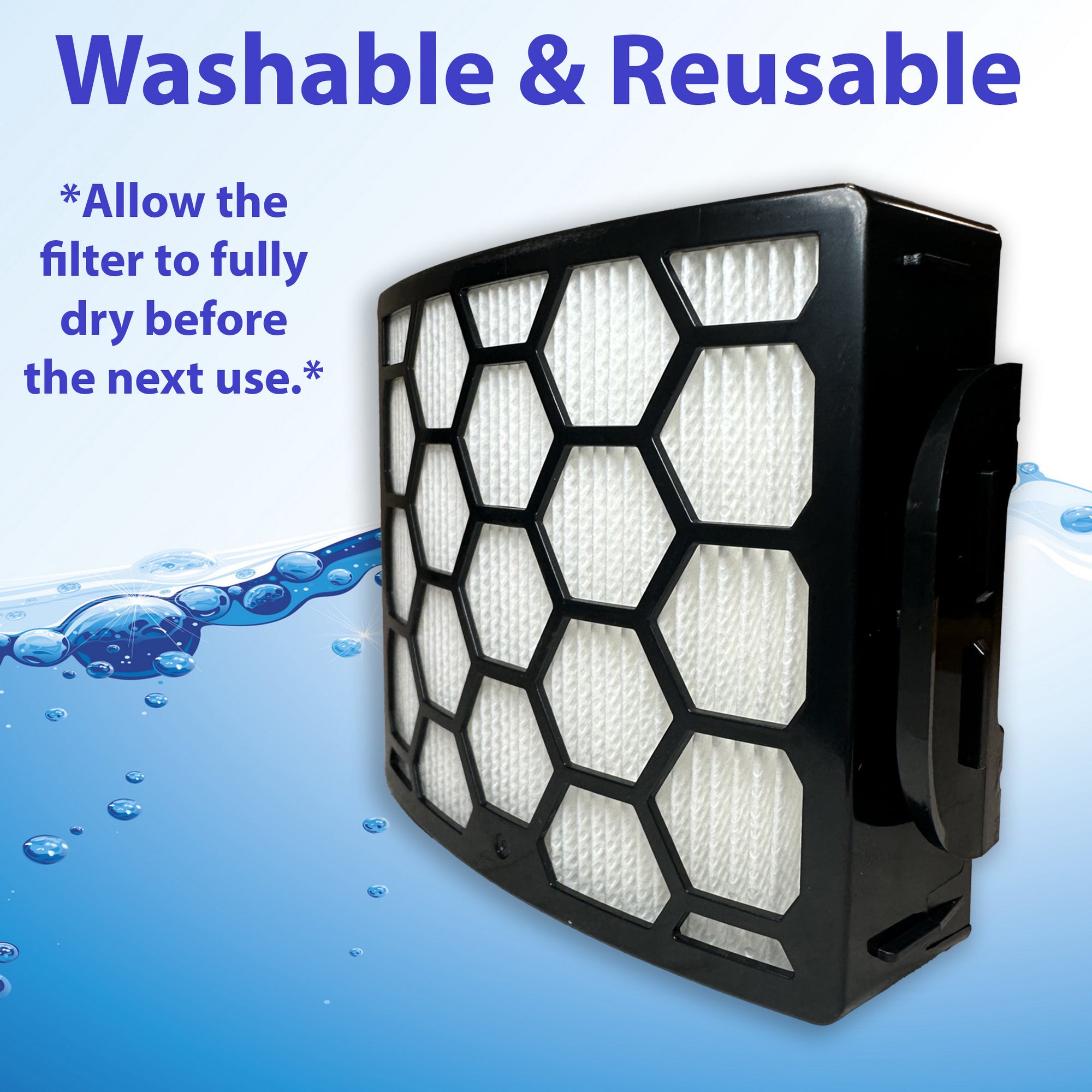
Most Shark HEPA filters are reusable and washable. However, they need to be cleaned and dried properly to keep working well. Each model may look a bit different, but the cleaning and drying steps are similar. Always check your vacuum’s manual for exact instructions.
When Should You Dry Your Shark Hepa Filter?
Not sure when to clean and dry your filter? Here are a few signs:
- Weaker suction than usual
- Musty or unpleasant odors when vacuuming
- Visible dust collecting on the filter
- Allergy symptoms getting worse at home
A good rule is to clean and dry your HEPA filter every 1–3 months for regular use. If you have pets or allergies, monthly cleaning is better. If you vacuum fine dust or hair often, increase the frequency.
Preparing To Dry Your Shark Hepa Filter
Before you can dry your filter, you need to remove and wash it. Here’s what you need to do first:
- Turn off and unplug your vacuum. Safety first—never work on a plugged-in appliance.
- Locate the HEPA filter. Most Shark vacuums have the HEPA filter behind a cover near the dust cup or at the vacuum’s base. Check your model’s manual if you’re unsure.
- Remove the filter gently. Avoid using sharp objects or force, as this can damage the filter or housing.
- Clean the filter. Rinse it under cool running water. Do not use soap, as this can damage the filter fibers. Gently squeeze the filter to remove dirt. Repeat until the water runs clear.
Now, you’re ready to dry it. Never skip the drying step after washing, or you risk damaging your vacuum and spreading allergens.
Step-by-step Guide: How To Dry A Shark Hepa Filter
Drying a Shark HEPA filter is not complicated, but there are some important steps and safety tips to follow. Here’s a detailed process:
Step 1: Shake Off Excess Water
After rinsing, gently shake the filter over a sink to remove as much water as possible. Do not twist or wring it, as this can tear the fibers inside.
Step 2: Blot With A Clean Towel
Place the filter on a clean, absorbent towel. Gently press another towel on top to soak up more water. This step is easy to miss, but it speeds up drying and prevents water from pooling at the bottom of the filter.
Step 3: Air Dry In A Well-ventilated Area
Put the filter in a spot with good airflow. The best places are:
- Near an open window (but not in direct sunlight)
- On a countertop with a small fan blowing nearby
- On a clean dish rack or wire shelf, so air can move around the whole filter
Never use a hair dryer or put the filter in the oven or microwave. High heat can warp or melt the filter material.
Step 4: Let It Dry Completely (24–48 Hours)
Most Shark HEPA filters take at least 24 hours to dry fully. In humid weather, it might take up to 48 hours. Even if the outside feels dry, the inside can still be damp. Be patient—rushing this step can ruin your filter and your vacuum.
To check if the filter is dry:
- Hold it up to a light source and look for any dark, wet spots.
- Squeeze gently—if it feels cool or damp, it needs more time.
Step 5: Reinstall The Filter
Once the filter is bone-dry, place it back in your vacuum. Make sure it fits snugly and the cover is secure. Plug in your vacuum and test it. You should notice better suction and fresher air.
Common Mistakes To Avoid
Even experienced users sometimes make mistakes when drying a Shark HEPA filter. Avoid these errors:
- Using heat sources: Never use a hair dryer, oven, or radiator. High temperatures can damage or shrink the filter.
- Reinstalling too soon: If you put the filter back while it’s still damp, you risk mold and electrical issues.
- Forgetting to blot: Skipping the towel step makes the drying process much longer.
- Drying in direct sunlight: Sunlight can warp the filter’s plastic parts or fade the material.
- Not checking for hidden dampness: The filter may look dry on the outside but still be wet inside.

Credit: www.amazon.com
Natural Vs. Artificial Drying Methods
There are two main ways to dry a Shark HEPA filter: natural air drying and artificial methods. Here’s how they compare:
| Method | Speed | Safety | Effectiveness |
|---|---|---|---|
| Air drying (natural) | 24–48 hours | Very safe | Excellent, recommended |
| Fan drying (no heat) | 12–24 hours | Safe | Very good, if no heat |
| Hair dryer (low heat) | 1–2 hours | Risk of damage | Not recommended |
| Oven or microwave | 30–60 minutes | Very risky | Never use |
Key insight: While fans can speed up drying, always use the no-heat setting. Heat can warp or melt the filter. Never use an oven or microwave—this is dangerous and will ruin your filter.
Advanced Tips For Faster And Better Drying
Drying a HEPA filter can feel slow. These tips help you dry your filter safely and efficiently, without causing damage:
1. Use Two Towels For Extra Absorption
After rinsing, sandwich the filter between two dry towels and press gently. Rotate the filter and repeat. This removes more water than just air drying alone.
2. Stand The Filter Upright
If your filter is flat or round, stand it upright on its edge. Gravity will help water move out of the filter’s core, speeding up drying.
3. Place Near (but Not On) A Heater Vent
If you have central heating, place the filter near a vent, but not directly on it. The warm, moving air helps dry the filter faster without overheating.
4. Use A Dehumidifier
In very humid places, drying can take longer. Set a dehumidifier in the room to lower the air’s moisture, which helps your filter dry faster.
5. Rotate The Filter Every Few Hours
Turn the filter over or change its position every few hours. This exposes all sides to air and prevents wet spots from hiding inside.
How To Tell If Your Filter Is Fully Dry
Many people make the mistake of reinstalling a filter that feels dry outside but is still damp inside. Here’s how to check:
- Weight: A wet filter feels heavier than a dry one. Compare to a spare dry filter if you have one.
- Touch: Squeeze gently. If it feels cool, it might still be damp inside.
- Visual check: Hold up to a light. Look for dark patches or moisture.
If you’re unsure, wait a few more hours. A little patience now prevents big problems later.
What Happens If You Use A Damp Hepa Filter?
You might be tempted to put a slightly damp filter back in the vacuum. Here’s why that’s a bad idea:
- Mold grows quickly inside a moist, dark vacuum.
- Bad smells are almost impossible to remove once they start.
- Dust and allergens stick to a damp filter, making it less effective.
- Moisture can damage the motor or circuit board, leading to expensive repairs.
Real-life example: A study found that vacuums with wet filters released up to 3x more bacteria and mold spores into the air. This can make allergies and asthma worse for sensitive people.
How Often Should You Clean And Dry The Filter?
Usage affects how often you should clean and dry your Shark HEPA filter. Here’s a simple guide:
| Usage Level | Recommended Cleaning/Drying Frequency |
|---|---|
| Light (once a week use, no pets) | Every 3 months |
| Normal (2–3 times a week, some dust/pet hair) | Every 1–2 months |
| Heavy (daily use, pets, allergies) | Monthly |
If you notice a drop in suction or bad smells, clean and dry the filter right away, even if it’s ahead of schedule.
When To Replace Your Shark Hepa Filter
Even the best care won’t make a filter last forever. Over time, HEPA filters lose their ability to trap tiny particles. Here are signs you need a new one:
- Visible tears or holes
- The filter stays dirty or stained even after washing
- Strong odors that do not go away
- Suction stays weak even after cleaning
Most Shark HEPA filters last 12–24 months, depending on use and care. Check your vacuum’s manual for model-specific advice.

Credit: www.amazon.com
Storing A Spare Hepa Filter
Some Shark vacuum owners keep a spare HEPA filter. This is a smart idea—while one filter dries, you can keep cleaning with the other. To store a spare filter:
- Keep it in a clean, dry place
- Use an airtight bag or container to avoid dust buildup
- Never store a damp filter—it will grow mold
Non-obvious insight: Having a second filter saves time and ensures you always have a dry, ready-to-use filter on hand.
What To Do If Your Filter Smells After Drying
Sometimes, even after careful drying, your filter may still smell musty. Here are steps to fix it:
- Rinse again under running water to remove leftover dirt.
- Soak the filter in a mix of water and a teaspoon of baking soda for 15–20 minutes. Do not use soap.
- Rinse thoroughly to remove all baking soda.
- Dry completely following the steps above.
If the smell remains after two tries, it’s time to replace the filter.
Mistakes Beginners Make When Drying Shark Hepa Filters
Even careful people can make these common errors. Watch out for:
- Stacking filters together: This slows drying and can trap moisture between them.
- Leaving the filter in a closed room: Low airflow means longer drying times and possible mold.
- Forgetting to set a timer: It’s easy to forget about your filter. Set a reminder to check it after 24 hours.
Cleaning And Drying Other Shark Filters
Most Shark vacuums use more than one filter. Besides the HEPA filter, there are often foam and felt filters. These filters need regular cleaning and drying too, but the process is a bit different:
- Foam filters: Wash with water, gently squeeze, and air dry for 24 hours.
- Felt filters: Do not wring or twist; blot with a towel and air dry.
Never use soap or strong cleaners unless your manual allows it. Always dry all filters fully before reinstalling.
Credit: nispira.com
Tips For Maintaining Your Shark Vacuum After Drying The Filter
A clean, dry filter is only part of vacuum care. Here are extra steps to keep your Shark vacuum in top shape:
- Empty the dust cup after every use.
- Check for blockages in hoses or brush rolls.
- Wipe the outside of the vacuum with a damp cloth.
- Store the vacuum in a dry place to avoid mold and rust.
Regular care reduces wear and tear, saving you money on repairs.
Comparing Shark Hepa Filters To Other Brands
Are Shark filters different from other brands? Here’s a quick comparison:
| Brand | Filter Type | Washable? | Average Lifespan |
|---|---|---|---|
| Shark | HEPA | Yes (most models) | 12–24 months |
| Dyson | HEPA | Yes | 12–18 months |
| Bissell | HEPA | Some models | 6–12 months |
| Hoover | HEPA | Some models | 6–18 months |
Key insight: Shark’s washable HEPA filters are designed to last, but only if you clean and dry them well. Using the right care methods keeps your filter working longer.
Safety Precautions When Drying Filters
It’s easy to overlook basic safety. Here’s what to remember:
- Unplug the vacuum before removing any filter.
- Do not use sharp tools to pry out the filter.
- Never use cleaning chemicals unless the manual says it’s safe.
- Keep filters away from pets and children while drying.
Many accidents happen because people rush or ignore the manufacturer’s instructions. Take your time and follow the steps for safe, effective drying.
How To Make The Drying Process Easier
Drying a filter doesn’t need to be a chore. Here are ways to make it simpler:
- Schedule filter cleaning on a day you won’t need the vacuum.
- Set reminders on your phone or calendar.
- Keep a backup filter ready for quick swaps.
- Use a drying rack to keep filters off wet surfaces.
With a bit of planning, filter maintenance becomes a quick and easy part of your cleaning routine.
Additional Resources For Shark Filter Care
If you want more information, check your vacuum’s official manual or the Shark official support site. They offer guides, videos, and answers for specific models. Always trust advice from your manufacturer over random online tips.
Frequently Asked Questions
How Long Does It Take To Dry A Shark Hepa Filter Completely?
A Shark HEPA filter usually needs 24 to 48 hours to dry fully, depending on humidity and airflow. Always check for hidden dampness before reinstalling.
Can I Use A Hair Dryer Or Oven To Speed Up Drying?
No, you should never use a hair dryer, oven, or microwave. High heat can damage the filter and make it unsafe for use.
What If My Filter Still Smells After Drying?
If your filter smells musty, rinse it again and soak in water with a little baking soda. If the smell stays after two tries, it’s time to replace the filter.
How Often Should I Clean And Dry My Shark Hepa Filter?
For normal use, clean and dry your filter every 1–3 months. If you have pets or allergies, monthly cleaning is best.
Can I Use My Shark Vacuum Without The Hepa Filter While Drying It?
No, do not use your vacuum without a filter. This can damage the motor and release dust and allergens back into your home.
A clean, dry HEPA filter is one of the best ways to keep your Shark vacuum working well and your home’s air healthy. With careful attention to drying, you’ll enjoy better suction, cleaner air, and fewer repairs. Take the time to dry your filter right—it’s a small step that makes a big difference.