Using a vacuum cleaner is part of daily life for many people. It keeps homes clean and helps control dust and allergens. But what if you notice that the plug on your vacuum cleaner is damaged? Maybe it has a cracked casing, exposed wires, or a bent prong. You might wonder if it's safe to keep using it, or if you should stop right away. This question is more important than most people think, because damaged electrical plugs can lead to serious risks. Understanding what can go wrong, and what you should do next, is essential for keeping your home safe.
In this article, you will find a complete explanation of the dangers, what really happens when a plug is damaged, and how to handle the situation correctly. You will also see comparisons with other home appliances, see what the law says, and get guidance on repairs, maintenance, and best practices. By the end, you will have a clear answer to the question: Is it safe to use a vacuum cleaner with a damaged plug?
Why Plug Condition Matters For Safety
When you plug in your vacuum cleaner, electricity flows from the outlet into the motor. The plug is the first line of defense between you and the high-voltage power in your walls. If the plug is damaged, this protection can fail.
A damaged plug can mean many things:
- Cracks in the plastic case
- Exposed copper wires
- Bent or loose prongs
- Signs of melting or burn marks
- The plug wobbles or fits loosely in the outlet
Each of these problems increases the risk of electric shock, fire, or damage to the vacuum cleaner. The plug is designed to keep the electrical current safe and contained. Once it is damaged, it cannot do its job well.
Common Types Of Plug Damage
Not all damage looks the same. Recognizing the type of damage helps you understand the risk.
1. Cracked Or Broken Casing
The plastic or rubber case protects your fingers from the metal inside. If it cracks or breaks, you might touch live wires.
2. Exposed Wires
Sometimes, the wire covering wears away or gets cut. You may see copper or silver wires. Even a small amount of exposed wire is dangerous.
3. Bent Or Broken Prongs
The metal prongs can bend if you pull the plug out roughly or step on it. Sometimes, one prong breaks off completely. Bent prongs may not fit well and can spark.
4. Loose Or Wobbly Plug
If the plug does not fit tightly in the socket, it can make a poor connection. This leads to overheating.
5. Signs Of Burning Or Melting
You may see black marks or melted plastic. This means the plug has overheated before, and it is already unsafe.
6. Plug Feels Hot
After use, if the plug feels hot to the touch, it could be damaged inside, even if you don't see it.
7. Missing Ground Pin
Some plugs have a third, round pin. If it is missing, the plug cannot protect against electrical faults.

Credit: www.ebay.com
Dangers Of Using A Vacuum Cleaner With A Damaged Plug
Many people ignore small plug problems, thinking they are not important. But the risks are real and serious.
1. Electric Shock
When wires are exposed or the casing is broken, you may touch a live wire by accident. Electric shocks can cause burns, muscle damage, or even death in severe cases. Children and pets are especially at risk because they may not notice the danger.
2. Fire Hazard
Damaged plugs can cause sparks or overheating. In the U.S., the National Fire Protection Association (NFPA) reports that electrical failures or malfunctions are the second leading cause of home fires. A spark from a damaged plug can ignite carpets, curtains, or dust in your home.
3. Vacuum Cleaner Damage
A damaged plug can cause power surges or poor connections. This may harm the vacuum cleaner’s motor or electronics, leading to expensive repairs or a total breakdown.
4. Risk Of Outlet Damage
If you use a plug with bent prongs or loose connections, the wall outlet can also become damaged. This means you may need to repair both the plug and the wall socket.
5. Insurance Problems
If a fire or accident happens because you used a damaged plug, your insurance company may refuse to pay for damages. Most policies require that you use appliances safely and keep them in good condition.
What Do Electrical Safety Guidelines Say?
Electrical safety rules are clear: do not use appliances with damaged plugs. For example, the U.S. Consumer Product Safety Commission (CPSC) and similar authorities in the UK, EU, and Australia all warn against using plugs that are cracked, have exposed wires, or show signs of damage.
Homeowners and renters are expected to check their appliances and stop using them if they see damage. Many workplaces even have legal requirements to unplug and tag out faulty equipment.
Comparing Vacuum Cleaners To Other Appliances
Is a vacuum cleaner more dangerous than, say, a lamp with a damaged plug? The answer is yes—for two main reasons:
- Vacuum cleaners draw more power. Most home vacuums use 600–1800 watts. This is much higher than a lamp or phone charger. Higher power means more heat and a bigger fire risk if something goes wrong.
- Vacuum cleaners move around. You pull and drag them, sometimes around corners or over wires. This increases the chance of making plug damage worse.
Here is a simple comparison of common home appliances and the risks of using them with a damaged plug:
| Appliance | Power (Watts) | Risk with Damaged Plug |
|---|---|---|
| Vacuum Cleaner | 600–1800 | High (fire, shock, appliance damage) |
| Lamp | 40–100 | Medium (shock, fire possible) |
| Phone Charger | 5–20 | Low (shock, less fire risk) |
| Toaster | 800–1500 | High (fire, shock, appliance damage) |
As you can see, vacuum cleaners are among the riskiest appliances to use with a damaged plug.
What Really Happens Inside A Damaged Plug
Some people think that if the vacuum still works, the damage is not serious. This is a mistake. Here’s what can happen inside the plug:
- Short Circuits: Exposed wires or broken insulation can touch, causing sparks. This can create a short circuit, damaging the vacuum and possibly starting a fire.
- Loose Connections: If prongs are bent or loose, electricity may jump across gaps. This is called arcing, and it creates heat and sparks.
- Overheating: Poor contact makes the plug and outlet get hot. This can melt the plug or the wall socket, and even ignite nearby objects.
Even if you do not see sparks, the heat may build up over time. Problems may show up days or weeks later.
Myths About Using Damaged Plugs
Many people believe myths that can put them in danger. Let’s look at the most common:
- “It’s just a small crack, so it’s safe.”
Even a small crack can let moisture or fingers touch live wires.
- “If I tape it up, it’s fine.”
Tape is not a safe repair. It can come loose or catch fire.
- “If the vacuum still works, there’s no problem.”
Damage is often hidden. The real risk is inside the plug, not how the vacuum runs.
- “Only the ground pin is missing, but it works.”
The ground pin is for safety. Without it, you are at higher risk during a fault.
What Should You Do If The Plug Is Damaged?
If you notice any damage to your vacuum cleaner’s plug, do not use it. Here’s what to do next:
1. Unplug Immediately
If the vacuum is plugged in, turn it off and pull the plug out carefully. Do not touch exposed wires.
2. Do Not Attempt To Use Or Repair With Tape
Never wrap the plug in tape or glue. This does not restore safety.
3. Inspect The Plug And Cord
Look for the type of damage. Is it just the plug, or is the cord also damaged?
4. Replace The Plug Or Cord
For small plug damage, you can buy a new plug and have it installed by a qualified electrician. For serious damage or exposed wires, replace the entire cord.
5. Use An Authorized Repair Service
Many vacuum brands have service centers. They can replace the plug safely and check the rest of the vacuum.
6. Check The Warranty
If your vacuum is still under warranty, do not try to fix it yourself. Contact the manufacturer for advice.
7. Do Not Use Until Fixed
Only use the vacuum again once the plug is professionally repaired or replaced.
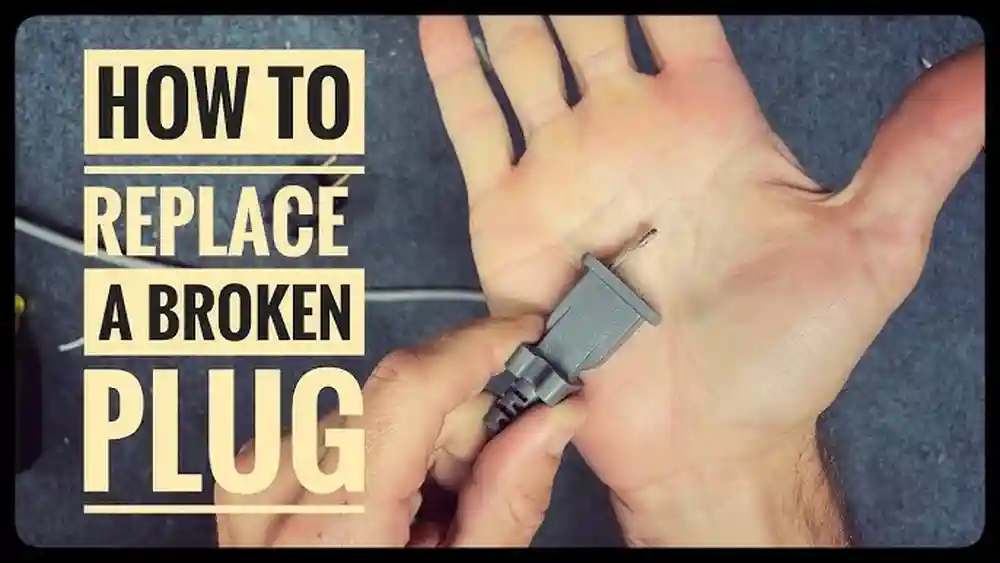
How To Replace A Damaged Plug Safely
If you are comfortable working with basic electrical repairs, you can replace a standard plug with a new one from a hardware store. If not, always use a professional. Here’s a simplified overview:
1. Buy A Compatible Plug
Match the plug type (e. g. , 2-pin or 3-pin) and current rating (usually 13A in the UK, 15A in the US).
2. Cut Off The Old Plug
Use insulated wire cutters. Leave enough cord to work with.
3. Strip The Wire Ends
Carefully remove a small amount of insulation (about 1 cm) from each wire.
4. Connect Wires To New Plug
Match the wire colors and screw them into the correct terminals.
5. Secure The Plug And Test
Close the plug case tightly. If unsure, have an electrician check your work.
Here is a simple comparison of DIY vs. Professional repair:
| Repair Option | Pros | Cons | Recommended For |
|---|---|---|---|
| DIY Plug Replacement | Cheap, quick, convenient | Risk of mistakes, warranty may be voided | People with electrical experience |
| Professional Service | Safe, warranty protected, full check of appliance | May cost more, needs appointment | Most users, especially for complex or warranty appliances |
How To Prevent Plug Damage On Your Vacuum Cleaner
Plug damage is common, but you can prevent it with simple habits:
- Unplug by the Plug, Not the Cord
Always grip the plug, not the cord, when unplugging.
- Avoid Stepping on the Plug
Keep cords tidy and off the floor when not in use.
- Don’t Yank or Twist the Cord
Pulling or twisting can bend prongs or loosen connections.
- Check Regularly for Wear
Every few months, inspect the plug and cord for signs of damage.
- Store Carefully
After use, wrap the cord loosely and avoid sharp bends.
Legal And Insurance Considerations
Many countries have electrical safety laws that require you to keep appliances in good working order. If you cause a fire or injury by ignoring damage, you may be legally responsible.
Insurance companies often refuse to pay claims if they find that:
- The appliance was used with obvious damage
- Repairs were not done by a qualified person
- Home safety rules were ignored
This is why it’s important to act quickly if you see plug damage.
Real-life Examples And Case Studies
There are many real-life stories of accidents caused by damaged plugs. Here are two examples:
Case 1: House Fire in Manchester, UK
A family’s vacuum cleaner had a cracked plug. They wrapped it with tape and kept using it. One afternoon, the plug sparked and caught the carpet on fire. The fire spread quickly, causing £30,000 in damage. The insurance company refused to pay because the plug was obviously unsafe.
Case 2: Electric Shock in Sydney, Australia
A student noticed the vacuum plug was missing its ground pin but used it anyway. When he touched the metal prongs to unplug it, he received a severe shock. He had to go to the hospital for burns on his hand.
These stories show how small damage can lead to big problems.
Non-obvious Insights: What Most People Miss
Here are two things many users do not realize:
1. Damage Can Be Internal
Sometimes, a plug looks fine outside but is cracked or loose inside. If your vacuum keeps losing power or the plug feels hot, there may be hidden damage.
2. Cheap Replacement Plugs Are Not Always Safe
Some replacement plugs sold online do not meet safety standards. Always buy from a trusted store and check for safety certification marks (such as UL, CE, or BSI).
Best Practices For Vacuum Cleaner Safety
To keep your vacuum cleaner safe and extend its life, follow these best practices:
- Always inspect the plug and cord before use.
- If you see any damage, stop using the vacuum immediately.
- Repair or replace damaged plugs only with certified parts and proper tools.
- Keep the vacuum cleaner dry and away from water sources.
- Teach children and others in your home how to use appliances safely.
- Keep a fire extinguisher nearby if you use high-power appliances.

Credit: www.reddit.com
How To Choose A Safe Replacement Plug
When buying a new plug, look for these key features:
- Correct rating: Match voltage and amperage to your vacuum.
- Safety certification: Look for marks like UL, CE, or BSI.
- Solid construction: The plug casing should feel strong, not flimsy.
- Secure wire clamps: Wires should not pull out easily once installed.
What If You Are Renting Your Home?
If you rent, you have a legal duty to report damaged appliances to your landlord. In many places, landlords must provide safe electrical appliances. If you notice a damaged plug on a vacuum supplied by your landlord, tell them immediately and do not use the vacuum until it is fixed.
When To Replace The Entire Cord
Sometimes, plug damage is a sign that the whole cord is worn out. Replace the entire cord if:
- The cord has multiple cracks or cuts
- There are burn marks along the cord
- The plug has melted onto the cord
- The vacuum loses power when the cord is moved
A professional repair shop can fit a new cord safely.
Why Not To Ignore Even Small Damage
Some people keep using a vacuum with a slightly cracked plug for months. But even small damage can get worse quickly. Moisture, dust, and movement all increase the risk of a short circuit or fire. It is never safe to ignore plug damage, no matter how minor it seems.
Summary: Is It Safe To Use A Vacuum Cleaner With A Damaged Plug?
The answer is clear: it is not safe to use a vacuum cleaner with a damaged plug. The risks—electric shock, fire, damage to your vacuum, and possible legal and insurance problems—are too high. Always stop using the vacuum right away, get the plug repaired or replaced, and follow good safety habits in the future.
For more on electrical safety, you can visit the Electrical Safety Foundation International.
Frequently Asked Questions
Can I Use Electrical Tape To Fix A Damaged Vacuum Cleaner Plug?
No, electrical tape is not a safe or permanent solution. Tape can come loose, catch fire, or fail to insulate properly. Always replace the damaged plug instead of taping it.
What If Only The Ground Pin Is Missing? Is It Still Safe?
No, the ground pin is an important safety feature. Without it, you lose protection against electrical faults. Do not use the vacuum until the plug is replaced.
How Do I Know If The Plug Damage Is Serious?
Any crack, exposed wire, burn mark, or loose prong is considered serious damage. If the plug feels hot or the vacuum loses power, there may also be hidden damage inside.
Can I Replace The Plug Myself Or Should I Call A Professional?
If you have experience with electrical repairs and the plug is a standard type, you can replace it yourself. If you are unsure or the vacuum is under warranty, use a qualified electrician or an authorized service center.
Will Using A Vacuum Cleaner With A Damaged Plug Void My Warranty?
Yes, using or repairing an appliance with a damaged plug may void the manufacturer’s warranty. Always follow the instructions in your user manual and contact the manufacturer for advice.
Using a vacuum cleaner with a damaged plug is never worth the risk. By acting quickly and following the steps in this guide, you can keep your home and your family safe from harm.

Credit: www.amazon.com