
A Shark vacuum can make cleaning carpets, floors, and even cars much easier—until the suction drops. You start noticing crumbs left behind, pet hair that won’t budge, and dust collecting in corners. Weak suction is frustrating, but it’s rarely a reason to replace your vacuum.
In fact, most suction problems have clear causes and straightforward solutions. Whether you use a Shark Navigator, Rotator, Rocket, or another model, you can restore strong suction with some basic troubleshooting and regular maintenance.
Many users think they need special skills to fix a Shark vacuum, but the steps are simple and safe for most people. This guide explains every detail—from finding the problem to fixing it for good. You’ll learn why suction fails, how to clean and check each part, and how to prevent issues in the future.
Along the way, you’ll discover a few tips that even experienced users often miss. If you want your Shark vacuum to work like new, this article gives you all the knowledge you need.
Understanding Shark Vacuum Suction Problems
When suction drops in a Shark vacuum, it usually means air is not flowing properly through the system. Shark vacuums use a powerful motor that creates airflow, pulling dust and debris into a sealed chamber. If something blocks the airflow or allows air to escape, suction decreases or disappears entirely.
Common signs of suction problems include:
- Dirt left behind after vacuuming
- Vacuum sounds different than usual (often higher-pitched)
- Loss of “stickiness” to floors or carpets
- Dust escaping from the body or hose
- Attachments not picking up debris
It can be easy to miss the early warning signs. For example, if you notice that your vacuum starts to leave a faint trail of dust behind, or you need to go over the same spot several times, these are signals that the suction is weakening, not just that your floors are extra dirty.
A change in the usual motor sound is another early clue. Sometimes, the vacuum will get louder, or you’ll hear a slight whine. This means the motor is working harder because the air isn’t moving as it should.
Suction loss can happen suddenly, for example, after picking up a sock or large piece of debris, or it can get worse over time as dust builds up in the filters and hoses. Both situations require a methodical approach. Instead of replacing parts at random, it’s best to check each area step by step.
Main Causes Of Suction Loss In Shark Vacuums
Several issues can reduce or block suction. Understanding these helps you find the problem faster.
- Full Dust Cup or Bin
- A full bin means air cannot flow freely, causing pressure to drop.
- Even if the bin looks “not full,” fine dust can clog the filter area.
- Sometimes, debris can get stuck near the entrance of the dust cup, creating a hidden blockage.
- Clogged Filters
- Most Shark vacuums have pre-motor and post-motor filters.
- Dusty or wet filters block airflow.
- Filters can become compacted with fine dust, especially after cleaning renovation dust or pet hair.
- Obstructions in Hoses or Tubes
- Small toys, hair, and dust balls often get stuck in bends or narrow sections.
- Even a small piece of plastic or a large crumb can significantly block airflow, so it’s important to check the entire length of the hose.
- Brush Roll Blockages
- String, hair, or debris can stop the brush from turning, limiting suction at the floor.
- When the brush roll jams, it can also stress the belt or motor, making the problem worse.
- Air Leaks
- Cracks in the hose, broken seals, or loose attachments allow air to escape.
- Even a small leak in a rubber gasket can reduce suction more than you might expect.
- Incorrect Settings
- Using the wrong floor type setting can reduce suction.
- Sometimes, the vacuum might be set to a lower power mode or the wrong carpet height adjustment.
- Motor Issues
- Rare, but a weak or damaged motor can cause permanent suction loss.
- If the motor is overheating, it may shut off or run at lower power.
Each of these problems can be found and fixed with careful inspection and cleaning. Some issues, like hidden blockages or cracked hoses, are often missed by beginners. For example, a hose may look fine from the outside but be blocked inside, or a gasket may look intact but actually be loose enough to let air escape.

Credit: www.wikihow.com
Step-by-step Guide To Fix Suction On Shark Vacuum
Restoring suction in a Shark vacuum is a process. Start with the easiest steps, and only move to complex checks if the problem remains.
1. Unplug And Prepare The Vacuum
Safety first. Always unplug the vacuum before opening parts or cleaning.
- Lay down an old towel in case of dust spills.
- Have a trash bin, small brush, scissors, and mild soap ready.
- Keep your vacuum’s manual nearby if possible.
Working in a well-lit space helps you see dust and debris more clearly. If you don’t have the manual, most can be downloaded from the Shark website.
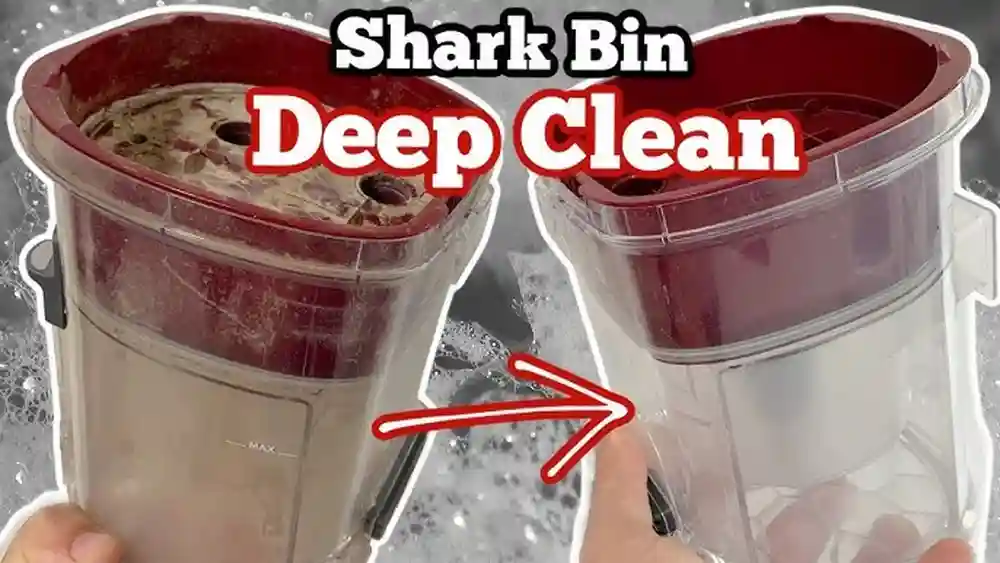
2. Empty And Clean The Dust Cup
A full or dirty dust cup is the most common cause of suction loss.
- Remove the dust cup by pressing the release button.
- Empty all debris into a trash bin.
- Use a damp cloth to wipe dust from inside the cup.
- Check the cup’s seals and gasket. Replace if cracked or missing.
- Let parts dry completely before reassembling.
It’s important to not just empty the visible debris, but to also check for any fine dust stuck in corners or around the inlet. Some models allow you to rinse the dust cup with water—just make sure it’s fully dry before putting it back.
If dust sticks to the walls, a soft brush or even an old toothbrush can help.
Non-obvious tip: If you notice dust stuck to the seals, gently rub them with a damp cloth. Dusty seals can prevent an airtight closure.
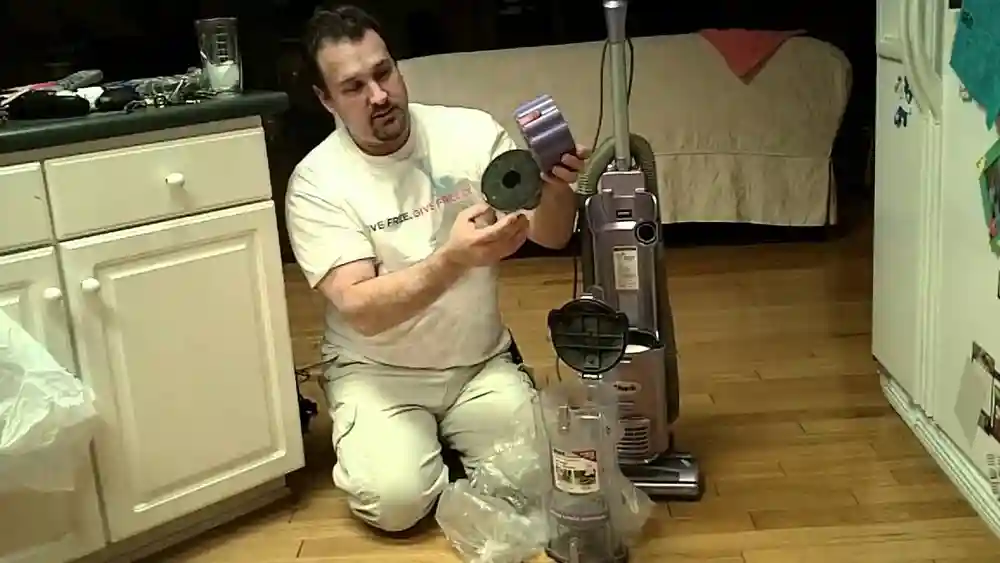
3. Check And Clean Filters
Shark vacuums often have two or three main filters:
- Pre-motor foam filter
- Felt filter
- HEPA filter (post-motor, for fine dust)
Remove each filter following your manual. Tap gently to remove dust. Wash foam and felt filters with water (never use soap for HEPA filters unless manual says so).
- Squeeze out water and let dry 24 hours.
- Never put wet filters back in the vacuum.
When cleaning filters, pay attention to their color and texture. If a foam filter feels hard or looks permanently stained, it’s time to replace it. HEPA filters often look clean on the surface but can be packed with dust inside.
If suction does not improve after washing, replace the filter.
Some users forget there may be more than one filter. Check both pre-motor and post-motor locations. After cleaning, you may notice a fresher smell and quieter operation, as well as better suction.
4. Inspect Hoses And Tubes
A clogged hose is a classic reason for suction loss. Even small items can block airflow.
- Detach the main hose from the vacuum.
- Look inside; use a flashlight if needed.
- Push a straightened wire hanger or broom handle through gently to remove blockages.
- Wash hoses in warm, soapy water. Rinse and let dry fully.
Check all tubes, including the wand and any extension pieces. Even a partial blockage reduces suction.
A trick that often helps: bend the hose gently in several places while looking through it. Sometimes, a clog will only be visible from a certain angle. If you have compressed air, blowing it through the hose can also dislodge stuck debris.
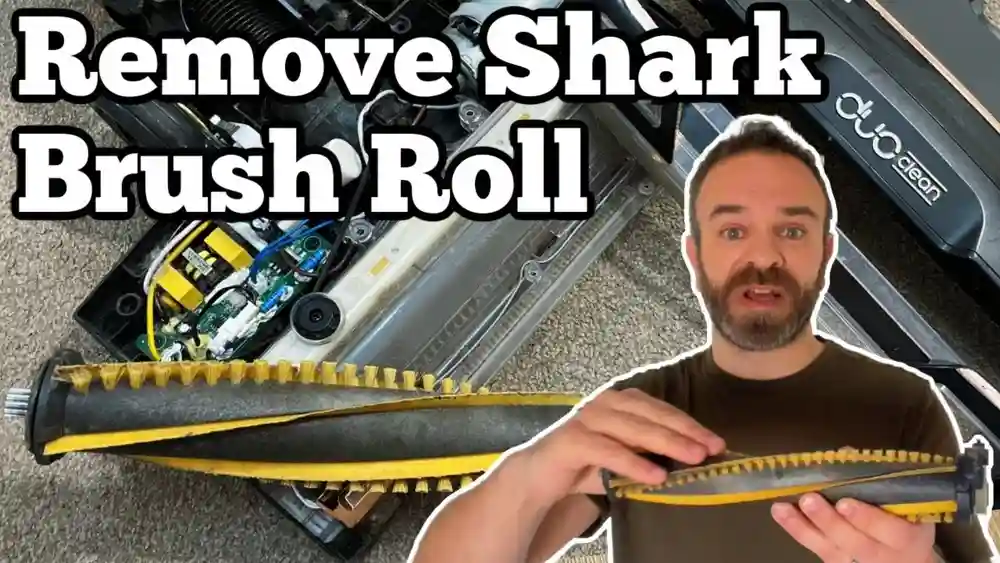
5. Clean The Brush Roll
Pet hair, string, or threads often wrap around the brush roll, stopping it from spinning.
- Turn the vacuum over and remove the brush cover (usually held by clips or screws).
- Cut away hair and threads with scissors or a seam ripper.
- Pull out the brush roll if your model allows. Wipe both ends and remove debris.
Some Shark models have self-cleaning brush rolls, but these can still clog at the ends.
- Check for blockages near the belt or bearings.
Reinstall the brush and cover securely.
If your vacuum has a belt, inspect it for wear or stretching. A worn belt can slip, causing poor brush rotation and weak suction.
Often missed: Brush roll bearings can get hair and dust packed inside, stopping smooth turning. If the ends of the brush roll look dirty or feel rough when spinning by hand, clean them with a toothpick or cotton swab.
6. Examine All Connections And Seals
Air leaks are often overlooked, but they can kill suction even if the motor works well.
- Inspect hoses for cracks or splits. Replace if damaged.
- Make sure all attachments, wands, and tools fit tightly.
- Check the dust cup lid and body for secure closure.
- Look for missing or worn-out rubber gaskets.
If you find leaks, order replacement parts from Shark or a trusted retailer.
Even a tiny gap in a seal can cut suction by half. Run your finger around each connection point to feel for loose spots. When in doubt, assemble the vacuum and listen for whistling sounds, which can indicate escaping air.
7. Adjust Floor Settings
Shark vacuums have settings for different floor types (carpet, hard floor, etc. ). Using the wrong setting can reduce suction.
- Check that the selector is on the right surface.
- For deep carpets, some models lower suction to make pushing easier. Switch to “max” or “high” for best results on hard floors.
If you recently changed floors or bought a new rug, double-check the settings. Sometimes, using the wrong height setting for thick carpet or shag rugs can also make it feel like suction is weak.
8. Test The Motor
If you’ve checked everything above and still have no suction, the motor could be weak.
- Listen for unusual sounds (grinding, whining, or no sound).
- If the motor runs but no air moves, a deep internal clog is possible.
- If the motor is silent, it may need repair or replacement.
Contact Shark support or a professional repair shop for motor issues. Do not try to open the motor housing unless you have experience, as this can void your warranty and cause electric shock.
Advanced Troubleshooting For Persistent Suction Problems
Sometimes, suction loss is not fixed by basic cleaning. These deeper issues need more careful checks.
Checking For Hidden Blockages
Debris can hide in elbows, connectors, or inside the main body.
- Remove all removable parts.
- Shine a flashlight through tubes and openings.
- Use compressed air to blow out stubborn dust.
- For upright vacuums, look inside the main air path (often behind the brush roll).
If you still can’t find the problem, try running the vacuum without any attachments. If suction returns, the blockage is in one of the tools or hoses.
In some rare cases, a small object like a marble or hairpin can lodge in the cyclone assembly or main air duct. Removing it may require patience and sometimes partial disassembly.
Checking The Cyclone Assembly
Some Shark models use a cyclone system (multiple small cones inside the dust bin) to separate dust. If these get clogged with fine dust, suction drops.
- Remove the cyclone assembly if possible.
- Tap gently over a bin to release dust.
- Use a thin brush or compressed air to clean inside cones.
- Do not wash cyclone parts unless the manual says so.
Cyclone assemblies are often overlooked. Even experienced users forget that these cones can trap dust inside. If your vacuum’s suction drops after cleaning up fine powder (like drywall dust or flour), this is a likely culprit.
Checking The Power Cord And Switch
If the vacuum turns off randomly or has weak power, the cord or switch may be faulty.
- Inspect the cord for cuts, kinks, or burn marks.
- Wiggle the cord gently while the vacuum runs (if safe and plugged in) to see if power cuts out.
- Try the power switch several times.
Replace cords or switches only with compatible Shark parts or get professional help. Never use electrical tape as a long-term fix for a damaged cord.
Examining The Exhaust And Hepa Filter Area
Dust buildup behind the HEPA filter can block airflow.
- Remove the post-motor (HEPA) filter.
- Clean dust from the exhaust grill with a brush or soft cloth.
- Replace the HEPA filter if airflow does not improve.
Check for a strong flow of air from the exhaust when the vacuum is running. Weak exhaust airflow usually means a blocked filter or a clog in the motor housing.
Testing With Attachments
Sometimes, suction works with one tool but not another. This helps find where the blockage is.
- Attach each tool and test suction.
- If only one tool is weak, check that tool for clogs.
- If all tools are weak, the problem is deeper.
You can also cover the hose opening with your hand—strong suction will “stick” your palm. Weak or no suction here means the problem is before the hose.

Credit: www.wikihow.com
How To Prevent Suction Loss In The Future
Once you restore suction, regular care keeps your Shark vacuum working well.
Empty The Dust Cup Regularly
Don’t wait for the bin to fill completely. Empty it when debris reaches the “max fill” line, or after every major cleaning session.
Non-obvious tip: If you vacuum a lot of fine dust (for example, after sanding or cleaning up flour), empty the dust cup even if it looks only half full. Fine dust can quickly clog airflow.
Clean Or Replace Filters On Schedule
Most Shark manuals recommend:
- Foam/felt filters: Wash every month.
- HEPA filters: Wash or replace every 6-12 months.
Mark your calendar or set reminders.
Remember, filters can look clean but still be packed with microscopic dust. If you notice a musty smell, that’s a sign to clean or replace them.
Check Hoses And Brush Roll Often
Inspect for hair, string, or debris every week, especially if you have pets or long hair.
If you notice a decrease in brush roll speed or hear it struggling, stop and clean it right away. This prevents belt damage and keeps suction strong.
Store The Vacuum Properly
Keep the vacuum in a dry place. Avoid sharp bends in the hose when storing.
Pro tip: Hang the hose loosely or lay it flat. Sharp bends or “kinks” can cause weak spots or cracks that lead to air leaks over time.
Use The Right Settings
Switch floor types as needed. For thick carpets, use carpet mode; for hard floors, use hard floor mode.
If your model has a suction slider, set it to “max” for deep cleaning and reduce only for delicate rugs or curtains.
Replace Worn Parts
Filters, belts, and hoses wear out. Using old or torn parts reduces suction.
Check the age of your parts if you notice repeated problems. Sometimes, small investments in new filters or hoses make a big difference in performance.
Comparing Shark Vacuum Suction Problems: Models And Features
Below is a comparison of how common suction problems and solutions apply to different Shark vacuum lines.
| Shark Model | Common Suction Issue | Filter Type | Brush Roll Design | Typical Fix |
|---|---|---|---|---|
| Navigator (Upright) | Clogged hose, dirty filters | Foam, felt, HEPA | Standard | Wash filters, clear hose |
| Rotator (Upright) | Brush roll jams, air leaks | Foam, felt, HEPA | Standard/Self-cleaning | Clean brush, check seals |
| Rocket (Stick) | Dust cup overfill, cyclone clog | Foam, felt, HEPA | Standard | Empty cup, clean cyclone |
| Lift-Away | Loose connections | Foam, felt, HEPA | Standard/Self-cleaning | Secure parts, replace gaskets |
Some models, like the Rotator and Lift-Away, have more seals and detachable parts. This makes them flexible, but also increases the chance for air leaks if parts aren’t fitted tightly. Stick models like the Rocket have smaller dust cups and cyclone assemblies, so they require more frequent emptying and cleaning.
Understanding your specific model’s weak points helps you focus your maintenance for best results.
Shark Vacuum Accessories: How They Affect Suction
Many Shark vacuums come with tools like crevice tools, pet brushes, and motorized heads. Each can affect suction if not used or maintained correctly.
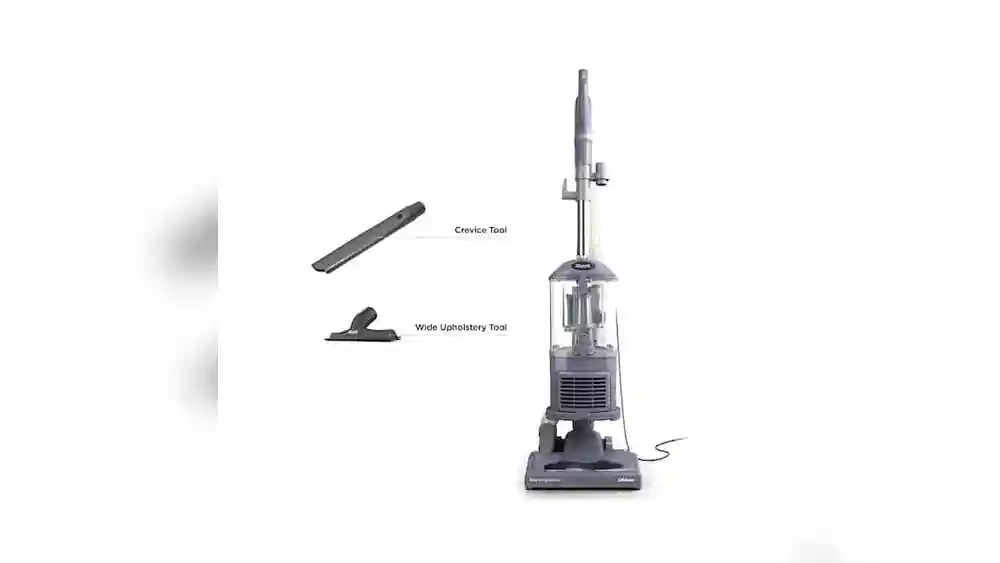
Crevice Tools
Narrow tips give high suction but clog easily with hair or large debris. Clean inside regularly.
A blocked crevice tool is a common cause of “weak spots” in cleaning, especially when vacuuming along baseboards or in car interiors.
Motorized Pet Tools
These have small brush rolls powered by air. Clogs or tangled hair can block both suction and brush movement.
Take apart the tool every few uses to clear hair, especially if you use it on furniture or pet beds.
Flexible Hoses And Extension Wands
Long hoses reduce suction, especially if stretched or damaged. Shorten the hose when possible for best results.
Check the hose for hidden blockages by looking through one end at a light source. If you see a shadow or blockage, clear it before use.
Dusting Brushes
Soft bristles can trap debris. Tap and wash as needed.
After vacuuming bookshelves or blinds, check the brush for dust buildup. A clogged brush reduces overall suction.
When To Replace Shark Vacuum Parts
Some suction problems cannot be fixed by cleaning alone. Watch for these signs:
- Hoses have holes, large cracks, or cannot be cleaned
- Filters do not come clean or are falling apart
- Brush roll is warped or does not spin freely
- Seals and gaskets are missing or no longer flexible
Order official Shark parts for best fit and performance. If you use third-party parts, check reviews and compatibility. The wrong filter or hose can reduce suction or damage the motor.
Sometimes, you can find compatible parts at local stores, but always compare them carefully to your old parts. Even a slightly wrong size can prevent a good seal.
Common Mistakes People Make When Fixing Shark Vacuum Suction
Fixing suction issues is mostly simple, but some mistakes can make things worse.
- Reassembling While Wet
- Putting filters or hoses back before they are fully dry can cause mold or short the motor.
- Even a little moisture can cause musty smells or let bacteria grow inside the vacuum.
- Using Harsh Cleaners
- Bleach, strong soaps, or alcohol can damage filters and seals.
- Stick to mild soap and water unless the manual says otherwise.
- Forcing Tools or Attachments
- Pushing a tool into a clogged hose may damage the walls or seals.
- Instead, work gently and use a long, flexible brush when possible.
- Ignoring Small Cracks
- Even a tiny crack in the hose lets air escape, reducing suction.
- Replace hoses if you see any damage, no matter how small.
- Forgetting to Change Settings
- Leaving the vacuum on the wrong floor setting can make it seem broken.
- Always check the settings before starting, especially if you share the vacuum with others.
- Skipping Regular Maintenance
- Waiting until the vacuum loses suction means deeper cleaning is needed.
- A little care after each use saves hours of troubleshooting later.
How Often Should You Service Your Shark Vacuum?
Regular care keeps suction strong and prevents bigger problems. Here’s a general schedule:
| Maintenance Task | Recommended Frequency | Why It Matters |
|---|---|---|
| Empty dust cup | After each use or when full | Prevents airflow blockages |
| Clean foam/felt filters | Once a month | Keeps airflow strong |
| Replace HEPA filter | Every 6–12 months | Removes fine dust, keeps air clean |
| Check hoses and brush roll | Monthly | Prevents clogs and tangles |
| Check for air leaks | Every 3 months | Maintains suction strength |
If you use your vacuum daily or have a large home, increase the frequency of cleaning. Pet owners and allergy sufferers should also clean more often for best results.

Credit: www.youtube.com
The Importance Of Using Genuine Shark Parts
It’s tempting to buy cheap filters or hoses, but non-official parts can cause problems:
- Poor fit leads to air leaks
- Low-quality filters block airflow or let dust through
- Some third-party brush rolls don’t fit or spin smoothly
Always use genuine Shark parts or high-quality, well-reviewed replacements. For a list of official parts, visit the Shark Clean official website.
Non-obvious insight: Some third-party filters claim to be “universal” but may reduce motor life by blocking airflow too much. If you notice your vacuum running hotter after installing a new filter, switch back to an original.
How Cleaning Habits Affect Vacuum Suction
How you use your Shark vacuum makes a big difference.
- Vacuuming large debris: Pick up big items (coins, paper, toys) by hand before vacuuming. These can block hoses instantly.
- Vacuuming wet material: Never vacuum water or damp messes unless your model is designed for it. Moisture ruins filters and grows mold.
- Vacuuming pet hair: Clean brush rolls and filters more often if you have pets. Hair builds up quickly.
- Vacuuming fine dust (plaster, flour, etc. ): Fine dust can clog filters and cyclone assemblies. Clean more often after heavy use.
Another tip: If you do a deep-cleaning session (such as after a party or renovation), take five minutes to check the filters and dust cup. This small step can prevent a big loss of suction later.
Special Tips For Pet Owners
Shark vacuums are popular with pet owners, but pet hair creates extra work.
- Cut Hair from Brush Roll Weekly: Use scissors to slice hair along the brush roll, then pull off.
- Wash Filters More Often: Pet dander clogs filters quickly. Wash every 2 weeks instead of monthly.
- Check Hoses for Hairballs: Pet hair can form tight clumps that get stuck in elbows and connectors.
- Use Pet Tools Correctly: Clean pet brush attachments after every use.
If your pets shed heavily during certain seasons, increase cleaning frequency. Also, consider vacuuming pet beds and favorite spots often to reduce hair spread.
Dealing With Bad Odors From Your Shark Vacuum
Loss of suction often comes with bad smells. Here’s how to solve both:
- Wash and dry all filters.
- Clean the dust cup with mild soap.
- Check for trapped debris in hoses and brush rolls.
- Sprinkle baking soda in the dust cup before vacuuming to absorb smells (empty after use).
- Replace filters if odor remains.
For stubborn odors, you can place a small dryer sheet in the dust cup (but do not block airflow). If smells return quickly, check for hidden mold or damp spots inside the vacuum.
Knowing When To Call For Professional Help
If you’ve tried all these fixes and still have weak or no suction, it may be time for expert help.
- The motor is silent, smokes, or smells burned.
- You can’t remove a deep blockage.
- The vacuum sparks or trips your breaker.
Contact Shark support for warranty repair, or find a local vacuum repair shop.
A motor that smells burned or runs loudly for a few seconds and then shuts off often has a serious internal problem. Don’t keep running the vacuum, as this can damage the motor beyond repair.
Frequently Asked Questions
Why Does My Shark Vacuum Have No Suction At All?
If there’s no suction, check for a full dust cup, clogged filters, or a major blockage in hoses or the main air path. Also, check for motor failure (no sound or burning smell). Follow the steps above to find and fix the problem. Sometimes, a full blockage can cause the motor to overheat and shut off temporarily—wait 30 minutes and try again.
How Often Should I Clean My Shark Vacuum’s Filters?
Clean foam and felt filters once a month, or more often with heavy use or pets. HEPA filters should be washed or replaced every 6–12 months. Always let filters dry completely before reinstalling. If you notice dust escaping from the vacuum, check the filters immediately.
Can I Use My Shark Vacuum Without A Hepa Filter?
No. Running a Shark vacuum without the HEPA filter can let dust escape into the air and may damage the motor. Always use all filters as designed. The HEPA filter also traps allergens, making the vacuum safer for allergy sufferers.
What Can I Do If I Lost Suction After Picking Up Something Large?
Turn off and unplug the vacuum. Check the hose, wand, and brush roll for a blockage. Use a flashlight and a broom handle to push out any stuck object. Don’t force it, as you could damage the hose. If you can’t remove the blockage, seek professional help.
Are Third-party Filters Safe For Shark Vacuums?
Some third-party filters work well, but low-quality parts can leak dust or block airflow. Always buy from a trusted brand and check reviews for your specific Shark model. If in doubt, start with genuine Shark parts.
A Shark vacuum should last for years with regular care. Most suction problems can be fixed at home with the steps above. By understanding how your vacuum works, cleaning it regularly, and using the right parts, you can keep your Shark running strong and your floors cleaner than ever.
Regular maintenance not only protects your investment but also ensures your home stays fresh and dust-free for the long term.