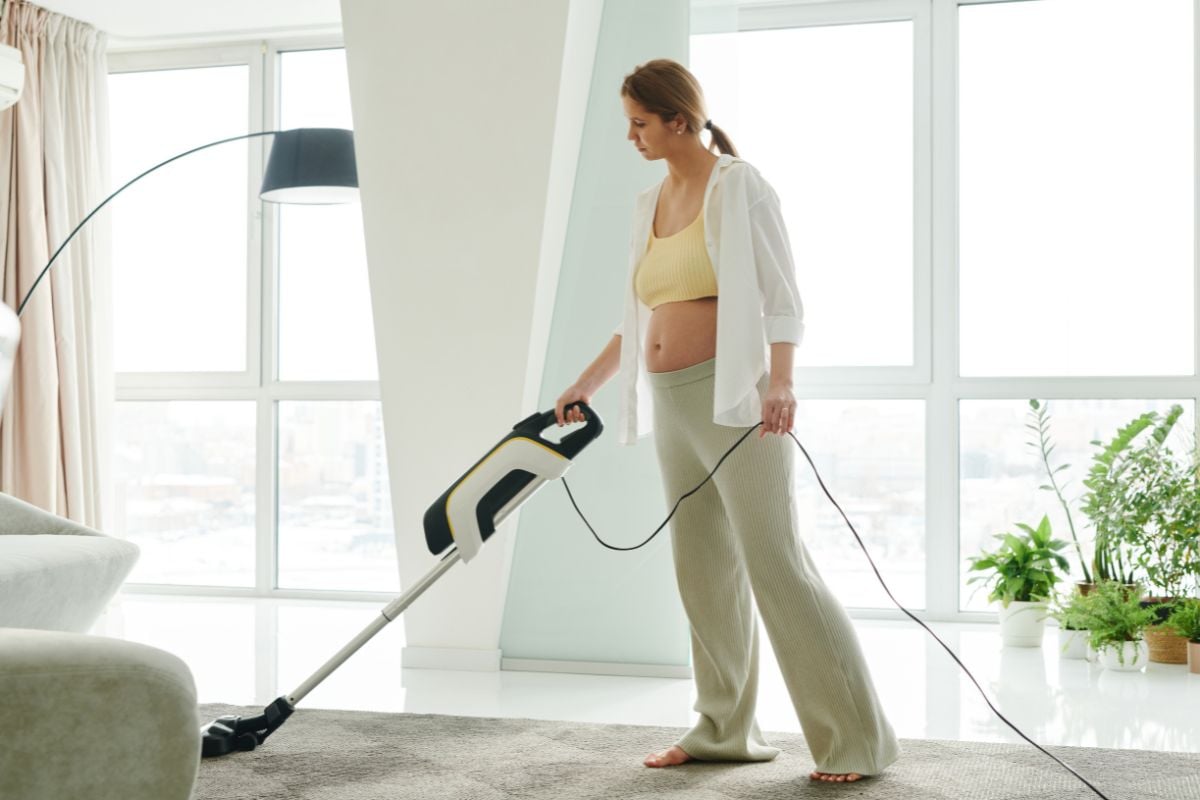
Many expectant mothers wonder about the safety of everyday household chores. One common question is: Is it safe to use a vacuum cleaner during pregnancy? The answer is not as simple as “yes” or “no.” Every pregnancy is unique, and many factors can affect what is safe for you and your baby. While vacuuming might seem harmless, it can sometimes cause discomfort or other problems if not done carefully. Here, you’ll find a detailed look at the risks, benefits, and expert advice about using a vacuum cleaner when you’re pregnant.
This guide is written for real-life situations. Whether you are in your first trimester or nearing your due date, you will find practical advice and answers to common questions. We’ll also cover safety tips, what to avoid, and how to make cleaning easier during pregnancy.
Let’s help you stay healthy and comfortable while keeping your home clean.
Why Pregnant Women Worry About Vacuuming
Pregnancy brings many changes to the body. This can make simple tasks feel much harder. Many women start to question which chores are safe, especially those that involve lifting, bending, or standing for long periods. Vacuuming often requires these actions, so it’s natural to feel concerned.
Some common worries include:
- Physical strain on the back or legs
- Exposure to dust or allergens
- Using heavy or hard-to-move vacuum cleaners
- Loud noise affecting the baby
Doctors usually encourage light activity during pregnancy, but they also warn about overdoing things. Each mother’s situation is different. For example, women with high-risk pregnancies or certain health problems may need to avoid some tasks. Understanding these worries is the first step to making smart choices.
Physical Changes In Pregnancy That Affect Cleaning
Your body goes through many changes during pregnancy. These changes can make housework more tiring or even risky.
Balance And Coordination
As your belly grows, your center of gravity shifts. It becomes easier to lose your balance. This can make pushing or pulling a vacuum cleaner harder, especially on stairs or around furniture.
Joints And Ligaments
Pregnancy hormones like relaxin make your joints looser. This helps your body prepare for birth, but it also means you’re more likely to twist an ankle or hurt your back.
Blood Pressure And Dizziness
Some women experience low blood pressure or dizziness, especially in the first and second trimesters. Standing up quickly or bending over while vacuuming can sometimes cause you to feel faint.
Fatigue
Tiredness is common in pregnancy, especially in the first and third trimesters. Simple tasks can suddenly feel exhausting. It’s important to listen to your body and take breaks as needed.
Is It Safe To Use A Vacuum Cleaner During Pregnancy?
For most healthy pregnancies, vacuuming is generally safe if you follow some basic safety tips. However, there are some exceptions and important things to consider.
When It’s Usually Safe
- Your pregnancy is low-risk
- You do not have pain or bleeding
- You feel steady and comfortable
- You avoid lifting heavy vacuum cleaners up stairs
When To Be Careful Or Avoid Vacuuming
- You have pelvic pain or back problems
- Your doctor has told you to rest or avoid physical activity
- You feel dizzy or unsteady
- You are in your third trimester and your belly makes movement difficult
- You have a history of miscarriage, preterm labor, or other complications
What The Experts Say
Most doctors agree that light household chores are safe during pregnancy. In fact, gentle activity can help you stay healthy. However, they also warn that you should not overexert yourself. According to the American College of Obstetricians and Gynecologists, pregnant women should avoid activities that put them at risk for falls or injuries.
If you ever feel pain, shortness of breath, dizziness, or contractions while vacuuming, stop immediately and call your doctor.
Common Risks Of Vacuuming While Pregnant
Even though vacuuming is not dangerous for most women, there are some risks to keep in mind. Understanding these risks will help you stay safe.
Straining The Back
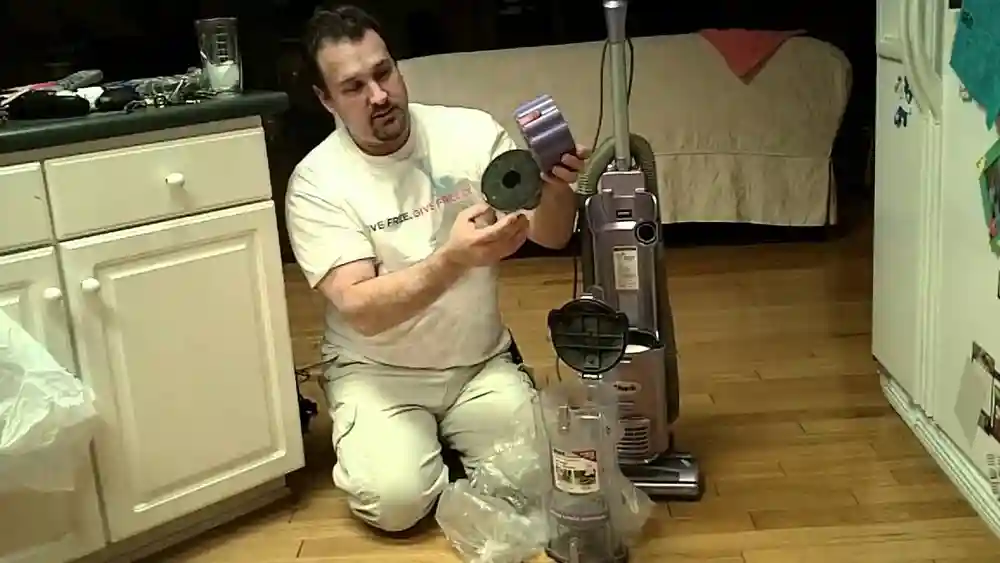
Pregnancy puts extra weight and pressure on your back. Bending or twisting while vacuuming can cause back pain or make it worse. Using a heavy vacuum cleaner increases the risk.
Slips, Trips, And Falls
Your balance is not as good during pregnancy. Vacuum cleaners have long cords that can become tripping hazards. Rugs or uneven floors are also risky.
Overheating And Fatigue
Vacuuming can make you sweat or feel tired, especially in a hot room. Overheating is not good for you or your baby, especially in the first trimester.
Exposure To Dust And Allergens
Vacuuming stirs up dust, pet hair, and sometimes mold. Breathing in these particles can trigger allergies or asthma, which is more common in pregnancy.
Noise
Some research suggests that loud noise can stress the unborn baby. Most vacuum cleaners are not loud enough to cause harm, but if yours is very noisy, you may want to limit use or wear ear protection.
Credit: ireadlabelsforyou.com
Which Vacuum Cleaner Is Best During Pregnancy?
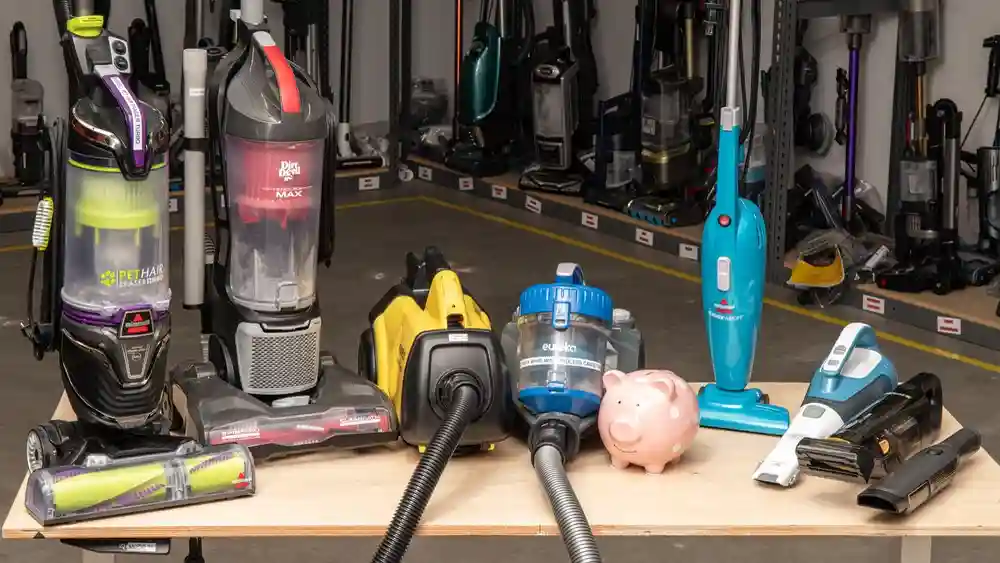
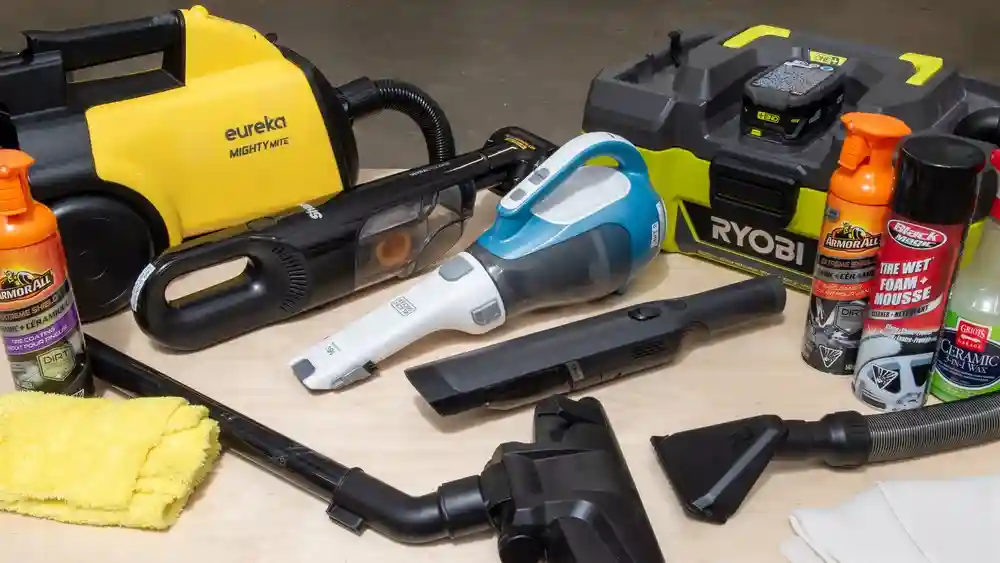
Not all vacuum cleaners are created equal. Some are heavy and hard to push. Others are lightweight and easy to use. Choosing the right vacuum can make a big difference in your comfort and safety.
Here is a comparison of common vacuum types and their suitability for pregnant women:
| Vacuum Type | Weight | Ease of Use | Best For | Possible Issues |
|---|---|---|---|---|
| Upright | 7-10 kg | Moderate | Large carpets | Heavy, hard to lift |
| Stick | 2-4 kg | Easy | Small spaces, quick clean-ups | Battery may run out fast |
| Canister | 5-8 kg | Moderate | Hard floors, stairs | Can be awkward to pull |
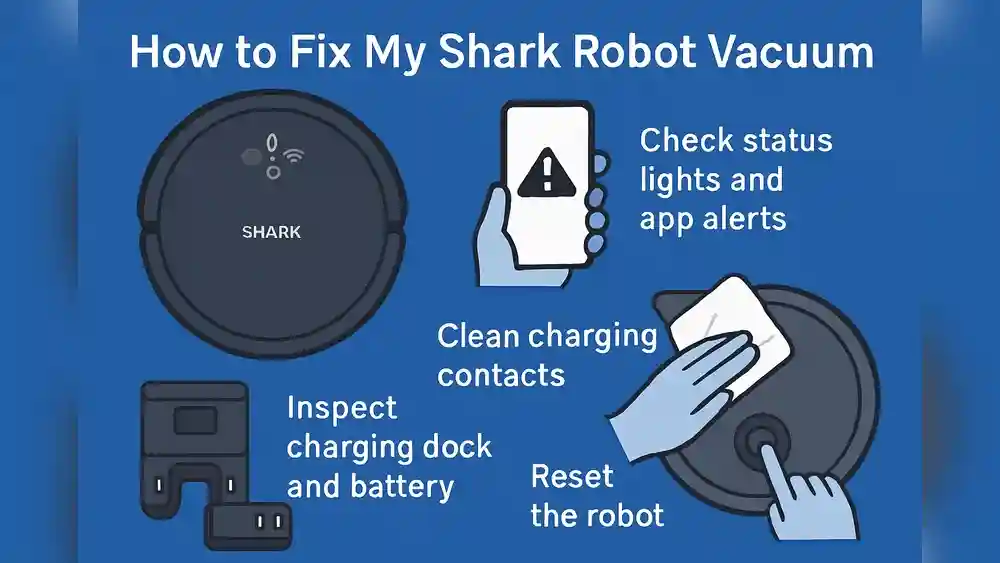
| Robot | 3-4 kg | Very easy | Daily cleaning, hands-free | May miss corners, needs supervision |
| Handheld | 1-2 kg | Very easy | Cars, furniture | Not for whole rooms |
Lightweight stick and robot vacuums are usually the best choices during pregnancy. They are easy to move and require less effort. Avoid heavy upright or canister models, especially if you need to carry them up stairs.
Practical Tips For Safe Vacuuming In Pregnancy
You can make vacuuming much safer and more comfortable by following a few simple tips.
Use The Right Equipment
- Choose a lightweight vacuum cleaner to reduce strain.
- Use a vacuum with a long handle to avoid bending.
- Consider a robot vacuum for daily cleaning.
Clean In Short Sessions
- Break up cleaning into smaller tasks.
- Vacuum one room at a time.
- Take breaks to rest and drink water.
Mind Your Posture
- Stand up straight while vacuuming.
- Avoid bending at the waist; bend your knees if you need to reach down.
- Switch hands to avoid overworking one side of your body.
Watch For Hazards
- Keep cords out of walkways.
- Move slowly to avoid tripping.
- Wear non-slip shoes.
Avoid Lifting
- Do not carry heavy vacuum cleaners up or down stairs.
- Ask someone for help if you need to move furniture.
Ventilate The Room
- Open windows when vacuuming to reduce dust.
- Use a vacuum with a HEPA filter if you have allergies.
Listen To Your Body
- Stop if you feel tired, dizzy, or short of breath.
- Do not push through pain or discomfort.
When To Ask For Help
It’s important to know when you should ask someone else to do the vacuuming. Your health and your baby’s safety should always come first.
You should ask for help if:
- You are on bed rest or restricted activity
- You have high blood pressure or risk of preterm labor
- You have strong back or pelvic pain
- You feel unwell while cleaning
- The vacuum is too heavy for you to lift safely
Many partners, family members, or friends are happy to help. Don’t feel guilty about asking for support.
The Benefits Of Light Housework In Pregnancy
Light physical activity has some benefits during pregnancy, as long as it is done safely.
Keeps You Active
Vacuuming and other chores help you stay physically active. This can improve your mood and energy.
Reduces Stress
A clean home environment can reduce stress and make it easier to relax and sleep.
Prepares Your Body For Labor
Gentle activity helps maintain muscle strength and flexibility, which may make labor and recovery easier.
Supports Healthy Weight
Staying active helps control weight gain and lowers the risk of gestational diabetes.
However, always balance these benefits with your own comfort and doctor’s advice.

Credit: www.euro-maids.com
Myths About Vacuuming And Pregnancy
There are many myths and old wives’ tales about what you can or cannot do when you’re pregnant. Let’s clear up some common misunderstandings.
Myth 1: Vacuuming Can Cause Miscarriage
There is no scientific evidence that vacuuming can cause miscarriage in a healthy pregnancy. The real risks come from overexertion or accidents, not the act of vacuuming itself.
Myth 2: You Should Avoid All Chores
Complete rest is only needed in special medical cases. Light chores can be safe and even helpful. The key is moderation and listening to your body.
Myth 3: Loud Vacuum Cleaners Harm The Baby
Normal household noise, including most vacuums, is not loud enough to harm your baby’s hearing. Very loud or constant noise could be risky, but this is rare in typical homes.
Myth 4: You Must Not Bend During Pregnancy
It’s safe to bend, but do it correctly. Bend at the knees, not the waist, and avoid sudden movements.
Real Stories: Pregnant Women Share Their Experiences
Hearing from other mothers can help you feel less alone in your worries. Here are some real-life experiences about vacuuming during pregnancy.
- Maria, 28 weeks: “I switched to a stick vacuum. It’s so much lighter than my old one. I vacuum one room in the morning and rest before doing more.”
- Lily, 15 weeks: “I felt dizzy once while cleaning, so now my partner does the vacuuming if I’m not feeling 100%. I don’t feel bad about it anymore.”
- Nisha, 36 weeks: “Bending got really hard in the third trimester. I use a robot vacuum for now and do just the edges myself.”
- Sofia, first trimester: “Vacuuming made me tired and brought on nausea. My doctor said to rest and clean only when I had energy.”
These stories show that every pregnancy is different. What works for one person may not work for another.
Vacuum Cleaner Safety Features To Look For
If you are thinking about buying a new vacuum cleaner during pregnancy, look for these helpful features:
- Lightweight design: Makes it easy to carry and push.
- Long, adjustable handle: Reduces bending.
- Swivel steering: Easier to maneuver around furniture.
- HEPA filter: Traps dust and allergens, good for sensitive noses.
- Cordless operation: No tripping over cords.
- Large dustbin: Less emptying, less bending.
- Quiet motor: Less noise for you and your baby.
Here’s a quick overview comparing some popular vacuum features:
| Feature | Why It Matters in Pregnancy | Example Models |
|---|---|---|
| Lightweight body | Reduces risk of muscle strain | Dyson V8, Shark Rocket |
| HEPA filter | Protects from allergens | Miele Complete C3, Eureka Mighty Mite |
| Cordless | No cord to trip over | Tineco A11, Dyson V10 |
| Robot function | Hands-free cleaning | iRobot Roomba, Eufy RoboVac |
Try to test a vacuum in the store if possible. Make sure it feels comfortable and easy for you to use.
Special Considerations By Trimester
Your body and needs change during each stage of pregnancy. Here’s what to keep in mind for each trimester:
First Trimester (weeks 1-12)
- Fatigue and nausea are common. Only clean when you feel well.
- Avoid overheating. Rooms should be cool and well-ventilated.
- Move slowly, especially if you feel dizzy.
Second Trimester (weeks 13-27)
- Energy often improves. This may be the easiest time for chores.
- Your belly starts to grow, so watch your balance.
- Continue to avoid lifting heavy vacuums.
Third Trimester (weeks 28-birth)
- Your belly is much larger and balance is harder.
- Swelling and back pain are common.
- Clean in very short sessions or delegate vacuuming to others.
- Avoid stairs if possible.
Medical Conditions That Require Extra Caution
Some pregnant women need to be extra careful. If you have any of these conditions, check with your doctor before vacuuming:
- Placenta previa: Risk of bleeding with activity
- Cervical insufficiency: Risk of early labor
- Pre-eclampsia: High blood pressure can worsen with physical effort
- Multiple pregnancy: Twins or more increase strain on your body
- History of preterm labor or miscarriage
Your doctor may advise you to avoid certain activities or rest more often.
How To Reduce Dust And Allergens Without Vacuuming
Sometimes, vacuuming is not possible. There are other ways to keep your home clean and healthy, especially if you have allergies or asthma.
- Use a damp mop or cloth to pick up dust without stirring it into the air.
- Remove shoes at the door to prevent dirt from spreading.
- Wash bedding weekly in hot water.
- Keep pets off beds and sofas.
- Run an air purifier with a HEPA filter.
- Ask for help with heavy cleaning jobs.
These steps help reduce dust and allergens, even if you can’t vacuum yourself.
How Partners And Family Can Help
Pregnancy is a team effort. Partners, family, and friends can help by sharing household chores. Here’s how they can support you:
- Do the vacuuming, especially in the third trimester or on stairs
- Carry the vacuum up and down stairs if needed
- Move furniture or lift heavy items
- Clean while you rest or focus on lighter tasks
- Encourage you to take breaks
Accepting help is not a sign of weakness. It’s a smart way to protect your health and your baby’s well-being.
Emotional Impact Of Not Doing Housework
Many women feel guilty or frustrated if they can’t keep up with chores during pregnancy. It’s normal to want a clean home. However, your health is more important than spotless floors.
Try to:
- Focus on what you can do, not what you can’t
- Ask for help without guilt
- Set realistic standards for your home
- Remember, this is only temporary
A little dust is not a danger to your baby. Rest when you need to, and be kind to yourself.

Credit: www.whattoexpect.com
Vacuuming And Other Household Chores: Which Are Riskier?
Vacuuming is just one of many household tasks. Some chores are more risky than others during pregnancy. Here’s a simple comparison:
| Chore | Risk Level | Why |
|---|---|---|
| Vacuuming | Low-Moderate | Risk from lifting, bending, or tripping |
| Mopping | Moderate | Slippery floors, repetitive motion |
| Laundry | Moderate-High | Lifting heavy baskets |
| Window washing | High | Standing on stools, reaching overhead |
| Cooking | Low | Safe, unless prolonged standing |
| Dishwashing | Low | Safe, may cause backache if standing long |
Focus on chores that feel comfortable and safe. Delegate higher-risk tasks whenever possible.
Non-obvious Insights Most Beginners Miss
Many first-time mothers overlook these important details:
- Vacuuming at the wrong time of day—Energy and balance can change during the day. Choose times when you feel your best, such as after a snack or nap.
- Ignoring warning signs—Subtle symptoms like mild dizziness or new pain should not be ignored. These can quickly become serious.
- Using old vacuums with poor filters—Old models can release more dust into the air. A HEPA filter is especially important during pregnancy.
- Trying to do too much at once—Breaking chores into smaller steps helps prevent exhaustion and accidents.
- Forgetting to hydrate—Even light chores can dehydrate you faster during pregnancy.
Paying attention to these small details can make a big difference in your safety and comfort.
Professional Cleaning Services: A Good Idea?
Hiring a professional cleaning service is an option, especially in late pregnancy or for deep cleaning tasks. The main benefits are:
- No physical strain for you
- More time to rest or focus on baby preparation
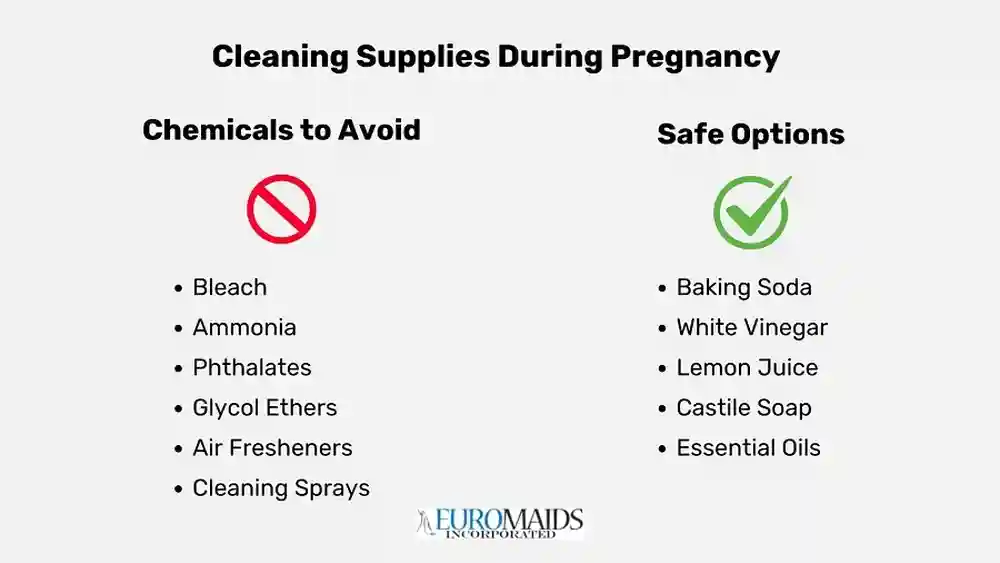
- Reduced exposure to dust and chemicals
Look for services that use eco-friendly and fragrance-free cleaning products. Let them know about your pregnancy so they can take extra precautions. For more on household cleaning safety, see the CDC's guidelines on reproductive health and cleaning.
When To Call Your Doctor
Always listen to your body. Contact your healthcare provider if you experience:
- Vaginal bleeding or fluid leakage
- Severe abdominal pain or cramping
- Dizziness, fainting, or shortness of breath
- Regular contractions or signs of early labor
- Severe back or pelvic pain
It’s better to be safe and check with your doctor than to take risks.
Frequently Asked Questions
Is Vacuuming Safe Throughout All Stages Of Pregnancy?
For most women with healthy pregnancies, vacuuming is safe in all trimesters if you follow basic safety guidelines. However, you may need to adjust your routine as your body changes, and avoid heavy lifting or awkward movements as your belly grows.
Can Vacuuming Cause Miscarriage Or Preterm Labor?
There is no evidence that vacuuming itself causes miscarriage or preterm labor in healthy pregnancies. The main risks are related to overexertion, falls, or ignoring medical advice. Always listen to your body and your doctor.
Should I Avoid Vacuuming If I Have Back Pain?
If you have back pain, it’s best to avoid vacuuming or use a lightweight, easy-to-push model. Ask someone else to help, especially in the third trimester. Do not vacuum if you have severe pain.
Are Robot Vacuum Cleaners Safe To Use During Pregnancy?
Yes, robot vacuum cleaners are a safe option during pregnancy. They clean floors with almost no effort from you. You may need to empty the dustbin occasionally, but this is much easier than traditional vacuuming.
What Should I Do If I Feel Dizzy Or Unwell While Vacuuming?
If you feel dizzy, faint, or unwell while vacuuming, stop immediately, sit down, and drink some water. Rest until you feel better. If symptoms continue, contact your doctor.
Pregnancy is a special time. Keeping your home clean is important, but your health comes first. By following these tips, choosing the right equipment, and asking for help when needed, you can stay safe and comfortable during your pregnancy—even with a vacuum cleaner in hand.
Remember, being gentle with yourself is just as important as a tidy home.