How Many Vacuum Cleaners Are There In The World
It’s easy to take the humble vacuum cleaner for granted. For many, it’s a simple home appliance, quietly working to keep floors clean. But have you ever wondered just how many of these machines exist worldwide? The answer is more complex than you might expect. Understanding the global number of vacuum cleaners involves looking at manufacturing trends, sales data, usage patterns, types, and even the cultural role of cleaning appliances.
This article explores the full picture: the estimated total count, how it’s calculated, why the number changes, and what it reveals about modern life. Whether you’re simply curious or need accurate data for business or study, you’ll find clear explanations and surprising insights. From factories in Asia to homes in Europe and offices in North America, let’s uncover how many vacuum cleaners are in the world—and why that number matters.
What Is A Vacuum Cleaner?
A vacuum cleaner is an electric device that uses suction to remove dust and dirt from floors, carpets, and other surfaces. It’s usually powered by an electric motor, which creates a partial vacuum to draw up debris. The collected dirt is stored in a bag or canister for later disposal.
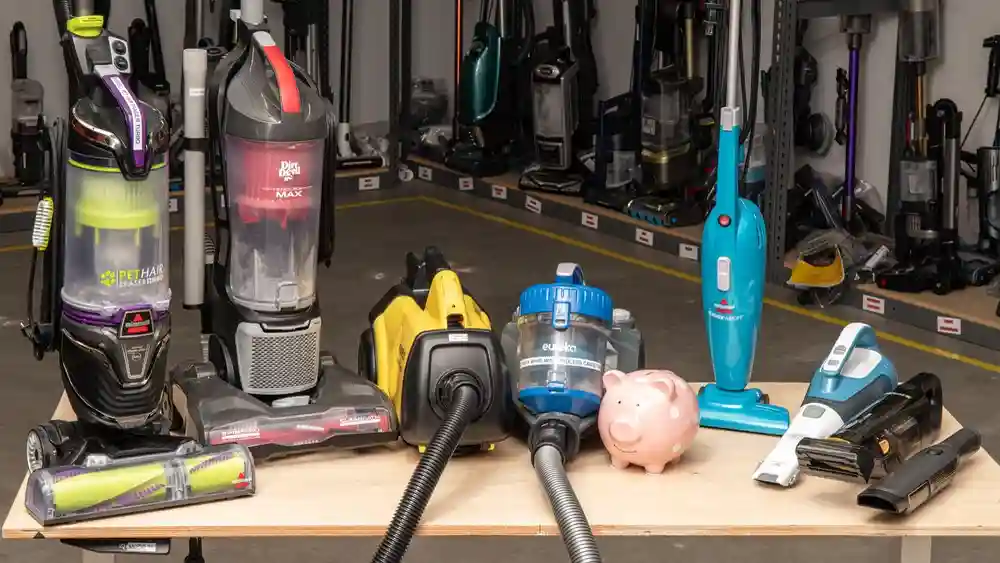
Vacuum cleaners come in various shapes and sizes, each designed for a specific purpose:
- Upright models for large carpeted areas
- Handheld units for small jobs or cars
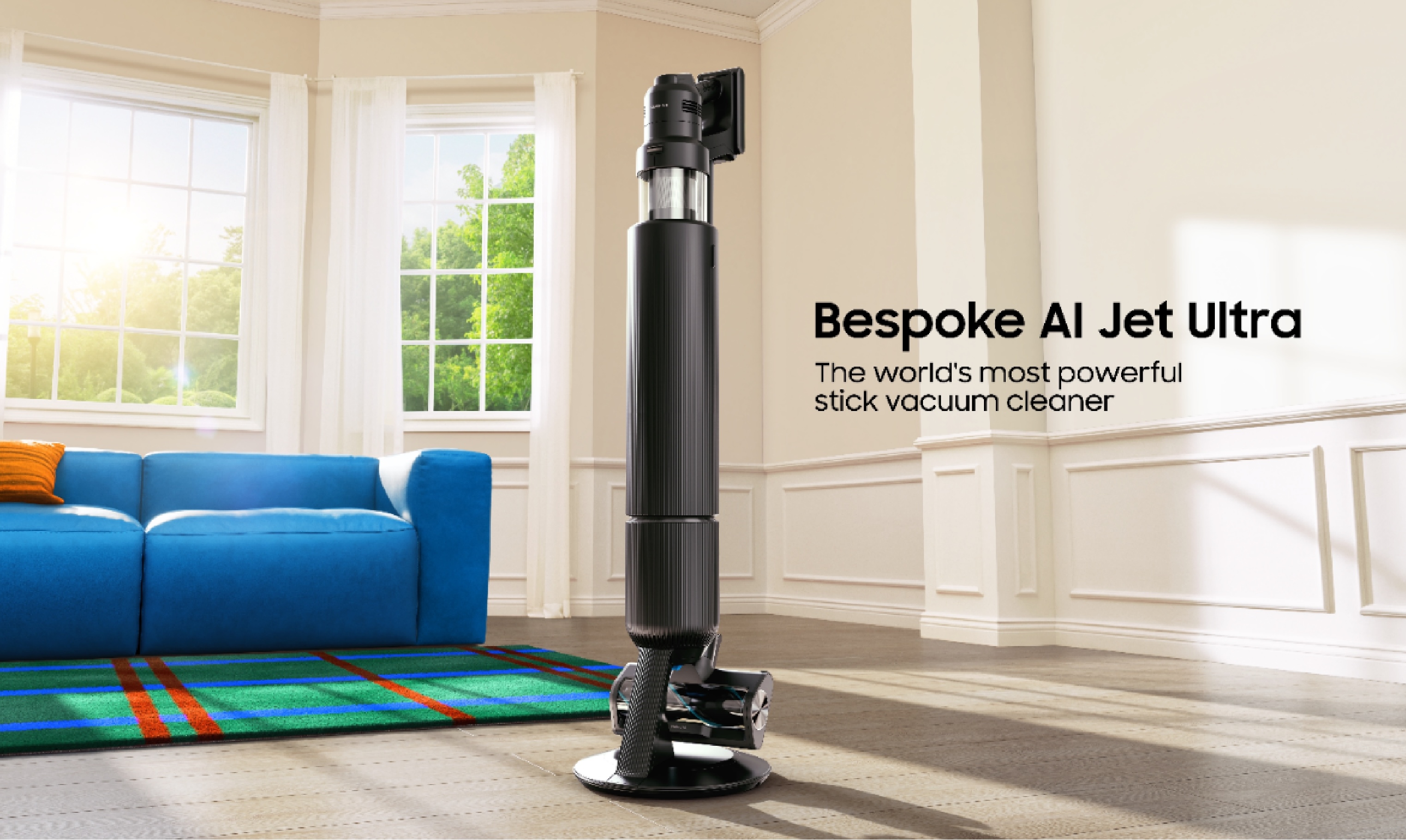
- Stick vacuums for convenience and light cleaning
- Canister types for versatility
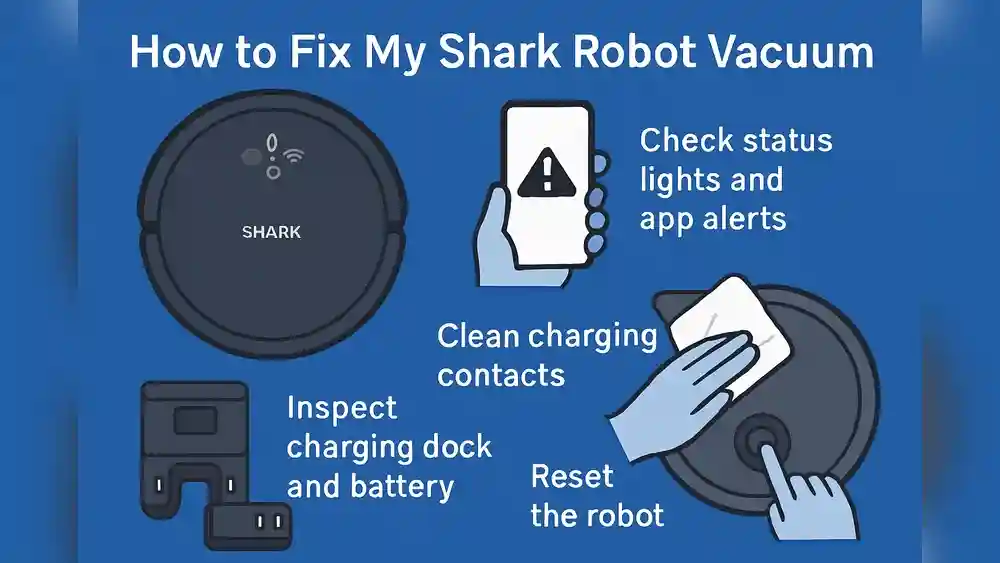
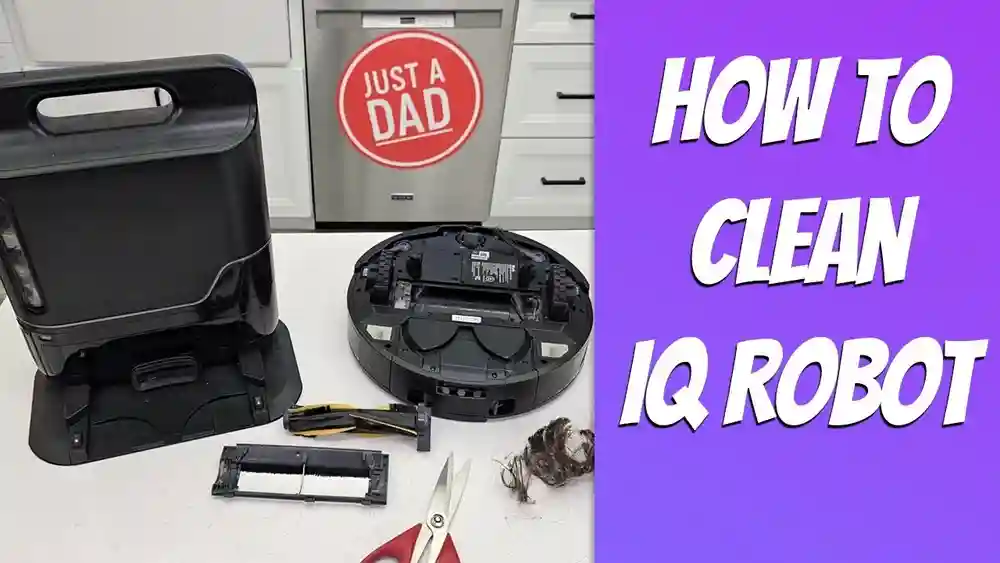
- Robotic vacuums that clean automatically
These machines are now found in almost every modern home, office, hotel, and public space, making them one of the most common household appliances in the world.
Over time, vacuum cleaners have evolved significantly. Early models were large, noisy, and heavy, but modern versions are much lighter, quieter, and easier to use. Some can even be controlled with a smartphone or programmed to clean while you are away.
The basic idea remains the same—use suction to remove dirt—but today’s machines offer more features, better filtration (such as HEPA filters for allergies), and improved energy efficiency.
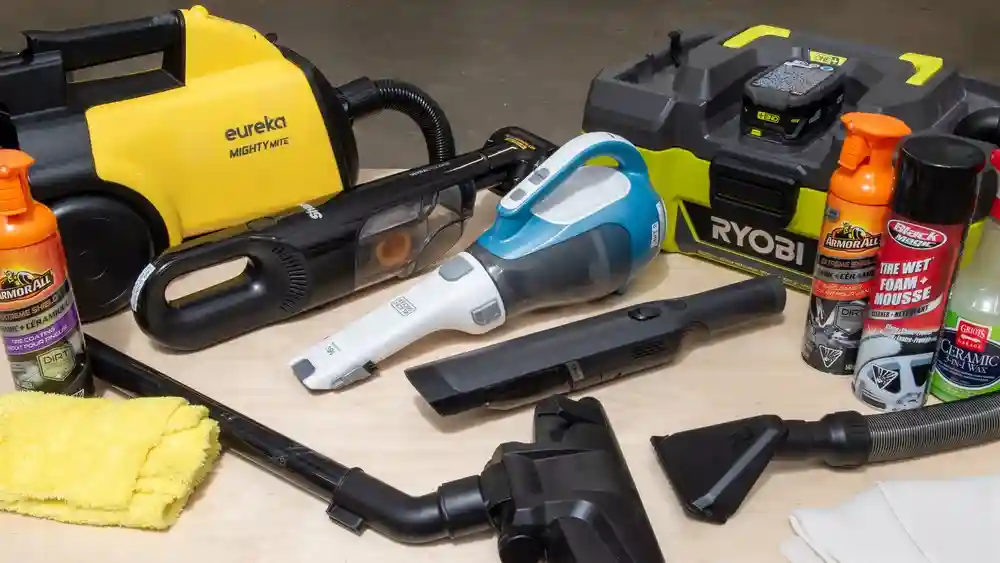
In addition to the main types, there are also specialized vacuums for things like cleaning cars, pool floors, or even removing dust from sensitive electronics. These special-purpose machines add to the global total, showing how the vacuum cleaner has become an essential tool for many cleaning jobs, not just floors.
Estimating The Total Number Of Vacuum Cleaners Worldwide
You might think there’s a simple answer—a single, exact number. But in truth, there is no global registry for vacuum cleaners. Instead, experts use data from production, sales, and household surveys to create estimates.
Global Household Count
The world population reached about 8 billion people in 2023. If we consider the number of households (usually around 2.5 to 4 people per home, depending on the country), there are roughly 2–3 billion households worldwide.
But not every home owns a vacuum. In developed countries, ownership rates are very high—up to 98% in some places like the US, Japan, or Western Europe. In developing countries, the rates are much lower, sometimes below 20%, due to factors like cost, electricity access, and cleaning traditions.
It’s important to note that household size can change how many vacuums are needed. Large families may own several units, while small apartments often make do with one. In some cultures, multi-generational homes may share a single vacuum, while in others, each flat or living area has its own.
Annual Production And Sales
Each year, manufacturers produce and sell tens of millions of vacuum cleaners globally. Industry research shows that about 110–120 million new units are sold every year.
This figure includes all types of vacuums, from full-size uprights to compact handhelds and robots. The numbers are driven by both replacement and first-time purchases, especially in growing economies where more people can now afford modern appliances. It also includes sales through both big retailers and smaller local shops.
Some countries, like the US and China, are especially large markets, with millions of units sold each year. In recent years, demand for cordless and robotic models has pushed sales even higher, as more people look for convenience and smart home features.
Average Lifespan And Replacement
A typical vacuum cleaner lasts about 6–8 years. This means many old units are replaced by new ones, but not all old vacuums are discarded immediately—some are kept as backups, passed to others, or stored.
However, lifespan can vary widely. High-end or commercial models often last longer, while cheaper units may break after only a few years. How well a vacuum is maintained also makes a difference—regular cleaning, replacing filters, and fixing minor problems can add years to a machine’s life.
In some regions, repair services are easy to find and affordable, so people keep their vacuums running for longer. In others, it’s more common to throw away a broken unit and buy a new one. This “repair or replace” choice impacts the overall number of vacuums in circulation.
Calculating The Estimate
To estimate the total number of vacuum cleaners in the world (including those in use, storage, or secondary markets):
- Start with the number of households with vacuums—let’s say about 1.5–2 billion homes.
- Add commercial and industrial units (offices, schools, hotels), which may be another 100–200 million.
- Consider second-hand, unused, and backup vacuums, which could add 10–20% more.
So, as of 2024, a reasonable estimate is 2 to 2.5 billion vacuum cleaners worldwide, including both active and inactive units.
This estimate also factors in vacuums that are no longer used for their original purpose. In some cases, old units are converted for other uses—such as cleaning workshops or garages—or are kept as “just in case” backups in storage rooms and closets.
These machines may not be used every week, but they still count toward the global total.
How The Number Varies By Region
Vacuum cleaner ownership is not the same everywhere. Different regions have unique patterns based on lifestyle, income, and culture.
North America
The United States and Canada have some of the highest ownership rates. Nearly every home has at least one vacuum, and many have two or more (for example, a main unit and a handheld or robot vacuum). High disposable income, large living spaces, and carpeted floors all play a role.
In these countries, vacuum cleaners are seen as an essential tool for housekeeping. Many people even invest in specialty models for pet hair, allergies, or hardwood floors. Rental properties, hotels, and offices also require regular cleaning, increasing the total number of machines in use.
Europe
Western European countries also show high ownership, often between 90–98%. In Eastern Europe, rates are a bit lower but rising. Hard flooring is more common, so canister and stick vacuums are popular.
In Europe, environmental regulations influence product design and disposal. Energy efficiency is a major selling point, and many consumers are willing to pay more for quieter, greener, or longer-lasting vacuums. Shared buildings, such as apartment blocks, may have communal vacuums for hallway cleaning, adding to the total count.
Asia
Ownership rates vary widely. In Japan and South Korea, most homes have a vacuum. In China and India, rates are lower but growing fast as incomes rise and urbanization increases. Many rural areas still use traditional cleaning tools.
Japan’s small living spaces favor compact or cordless vacuums, while in China, rapid urban growth is creating a new market for affordable machines. In wealthy Asian cities, robot vacuums have become a status symbol and are common in tech-friendly homes.
Africa
Most African countries have very low ownership rates, often below 10–20%. Limited electricity, high costs, and different cleaning habits are major reasons.
In urban areas and among wealthier families, vacuums are becoming more popular, but traditional methods like sweeping are still the norm. Where power supply is unreliable, manual tools remain a safer choice. Some NGOs and social enterprises are working to bring more affordable, energy-efficient vacuums to these markets.
Latin America
Rates are moderate, usually 40–70%, higher in cities and among wealthier households.
In countries like Brazil, Chile, and Mexico, rising incomes and urbanization are driving growth in vacuum ownership. Larger homes in suburban areas are more likely to have one or more units, while in smaller city apartments, space-saving stick or handheld models are preferred.
Here’s a summary in a comparison table:
| Region | Estimated Ownership Rate | Notes |
|---|---|---|
| North America | 95–98% | Multiple units common |
| Western Europe | 90–98% | High overall usage |
| Eastern Europe | 70–90% | Rising trends |
| Asia | 20–85% | Very mixed, fast growth |
| Africa | 5–20% | Mostly urban, wealthy |
| Latin America | 40–70% | Urban areas higher |
Extra insight: In some European and Asian countries, cleaning services are very common. These companies often own fleets of vacuums, adding to the regional numbers. In Russia, for example, cleaning companies are driving much of the demand for commercial-grade machines.
Types Of Vacuum Cleaners: Diversity And Market Share
There isn’t just one kind of vacuum cleaner. The global count includes many types, each with a different share of the market.
Upright Vacuum Cleaners
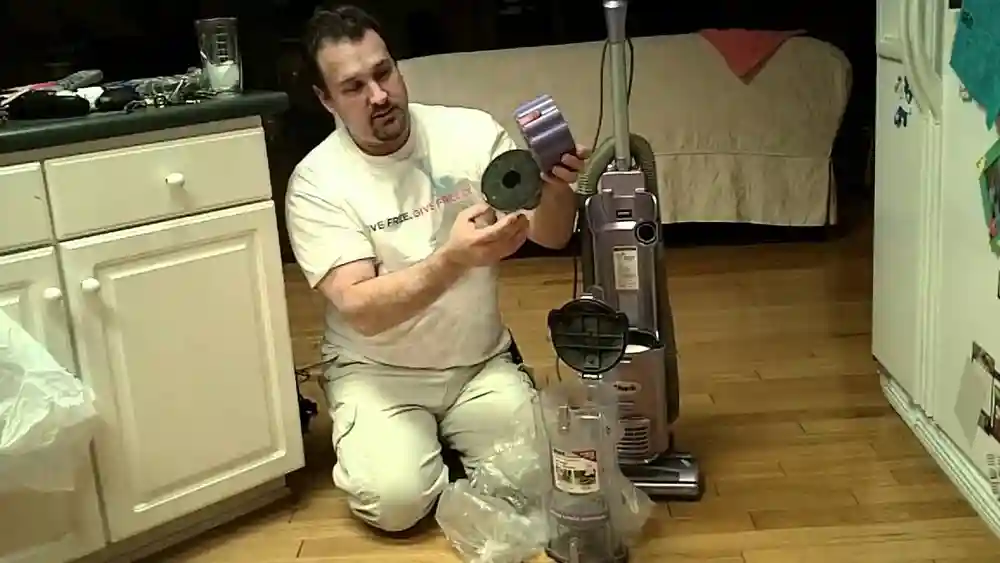
These are the classic, full-size vacuums you see in many American and British homes. They’re powerful and best for carpets.
Uprights often include features like adjustable height, strong suction, and onboard tools for furniture or stairs. They can be heavy, but newer models use lighter materials. Some upright vacuums are now cordless, blurring the line with stick models.
Canister Vacuum Cleaners
Popular in Europe and Asia, these have a separate canister and hose. They’re good for hard floors, stairs, and above-floor cleaning.
Canister vacuums are often quieter and easier to maneuver than uprights, making them a favorite for homes with mixed flooring. They usually have better suction for bare floors and come with a variety of attachments. Some high-end canisters are designed for allergy sufferers, featuring advanced filtration.
Stick And Handheld Vacuums
Lightweight and often cordless, these are ideal for small spaces and quick jobs. They’ve grown in popularity with advances in battery technology.
Stick vacuums are now some of the best-selling models, especially in apartments and homes with little storage space. They’re convenient for daily cleaning and easy to carry between rooms or even outside to a car. Handhelds are perfect for spot cleaning, upholstery, or stairs.
Many stick vacuums can convert into handhelds for extra flexibility.
Robotic Vacuums
The newest trend, robot vacuums use sensors and smart navigation to clean automatically. They’re especially popular in tech-savvy households.
Robots are usually compact and can clean under furniture, reaching spots that traditional vacuums miss. Many models can be programmed from a smartphone and return to their charging dock automatically. Advanced versions can map rooms, avoid obstacles, and even empty their own dustbins.
Their growing popularity is changing how people think about daily cleaning.
Central Vacuum Systems
Installed in homes or buildings, these systems have a central unit connected to wall inlets. They’re rare but valued for their power and convenience.
Central systems are especially common in luxury homes, large offices, or hotels. They reduce noise and keep dust out of living spaces. Although expensive to install, they last a long time and require little maintenance.
Here’s a market share comparison:
| Type | Estimated Share (%) | Main Markets |
|---|---|---|
| Upright | 35% | North America, UK |
| Canister | 30% | Europe, Asia |
| Stick & Handheld | 20% | Global |
| Robotic | 10% | Urban, tech-focused |
| Central Systems | 5% | Luxury homes, offices |
Non-obvious insight: Many homes own more than one type. For example, a family might have a large upright for carpets and a small robot or stick vacuum for daily touch-ups.
Another detail: Some specialized industries, like construction or manufacturing, use heavy-duty vacuums for removing dust, liquids, or hazardous materials. These machines are few in number but add to the diversity of the market.
Growth Trends: Why The Number Keeps Rising
The total number of vacuum cleaners worldwide is not fixed. It grows every year, for several reasons:
Population Growth And Urbanization
As more people move to cities, the need for efficient cleaning rises. Urban homes are more likely to have electricity and buy appliances.
Urban families often live in apartments with less space for sweeping or airing out carpets. This makes vacuums an attractive option. New housing developments sometimes include built-in central vacuum systems, especially in higher-end buildings.
Rising Incomes
As people become wealthier, they’re more willing to buy labor-saving devices. This trend is especially strong in developing countries.
For example, in China and India, millions of first-time buyers enter the market each year. As incomes rise, people shift from manual cleaning tools to powered appliances, often starting with a basic model and later upgrading.
New Technologies
Cordless, robotic, and smart vacuums make cleaning easier and more attractive. Many people upgrade before their old machine breaks.
Smart features—like mapping, voice control, or automatic emptying—are helping vacuums appeal to tech-lovers and busy professionals. Some buyers see a vacuum upgrade as part of modernizing their whole home.
Changing Lifestyles
Busy schedules, more pets, and larger homes all drive demand for multiple or specialized vacuums.
For example, pet owners may buy a vacuum with special brushes for animal hair, while allergy sufferers look for HEPA filtration. Families with young children often need extra cleaning power and convenience.
Environmental Concerns
Some people keep their old vacuum as a backup instead of throwing it away, increasing the total count.
Recycling programs are not available everywhere, so old units sometimes end up in attics or garages. In some countries, informal repair shops keep older machines running for years.
Beginner’s often miss: The second-hand market is significant, especially in developing countries. Used vacuums are sold, donated, or sent abroad, so the total number in use is higher than just new sales would suggest.
Another overlooked point: Some businesses, such as hotels or cleaning companies, routinely buy several new vacuums each year, even if the old ones still work. These surplus units are often resold or reused in smaller businesses.
What Factors Affect The Number Of Vacuum Cleaners?
Several elements shape how many vacuum cleaners exist:
- Technology Adoption: In some regions, traditional brooms are still common. Where technology is slow to spread, vacuum counts are lower.
- Electricity Access: Without reliable power, vacuums are impractical. Off-grid homes rarely own them.
- Cultural Preferences: Some cultures prefer wet cleaning, sweeping, or other methods. In others, the vacuum is a status symbol.
- Environmental Laws: Regulations on disposal, recycling, or energy efficiency can affect sales and lifespan.
- Space and Home Design: Smaller apartments may use stick or handheld models, while large homes often need more powerful machines.
Another factor is marketing and awareness. In some markets, aggressive advertising and easy financing make it easier for people to buy a vacuum cleaner, even if it’s not yet a cultural norm. Seasonal sales events, like Black Friday or Singles’ Day in China, often create spikes in appliance purchases, including vacuums.
In some countries, government programs encourage the use of energy-efficient appliances through rebates or tax incentives. This can boost sales and bring more units into the total count.

Credit: en.wikipedia.org
The Role Of Commercial And Industrial Vacuums
When most people think of vacuums, they imagine home units. But businesses, hotels, hospitals, factories, and schools all use specialized commercial and industrial models.
- Commercial vacuums are built for heavy use, often cleaning large public areas daily.
- Industrial vacuums handle big messes—dust, debris, even hazardous materials in factories.
These units are fewer in number than household models but are critical for public health and safety. They also tend to have longer lifespans, sometimes 10–15 years, but are replaced more often due to wear.
Interesting note: In hotels and offices, it’s common to have a fleet of vacuums—sometimes one per floor or department.
In healthcare, special vacuums are used to control infection by trapping fine dust and microbes. In factories, “shop vacs” clear away metal shavings, sawdust, or even spilled liquids. These machines are often large and powerful, designed for tough jobs that home vacuums cannot handle.
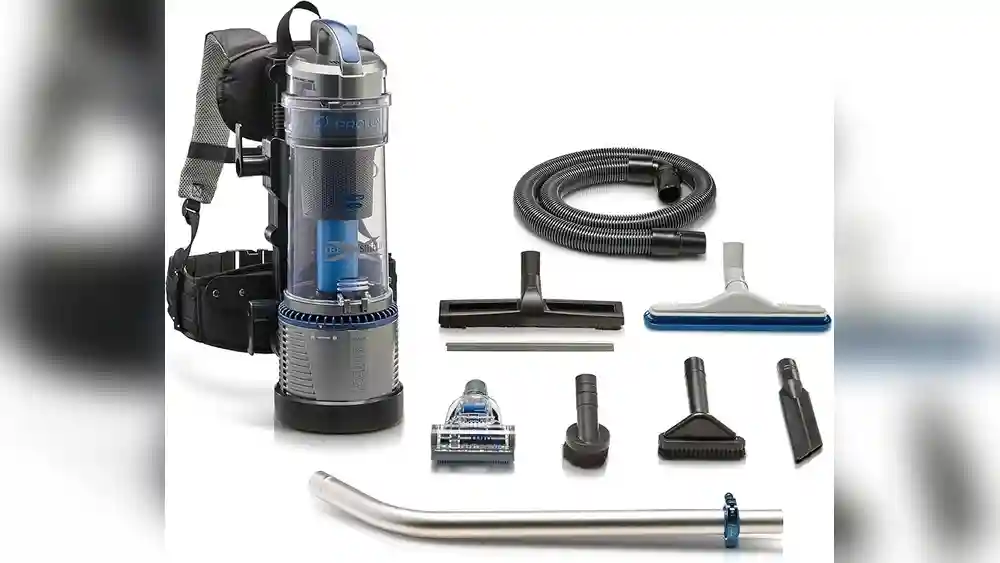
Some commercial vacuums are backpack models, worn by cleaning staff for mobility in tight spaces like airplanes or cinemas. The variety of commercial designs shows the importance of vacuums in maintaining public spaces.
How Accurate Are Global Estimates?
No single organization tracks every vacuum cleaner. Estimates are based on:
- Manufacturer production and shipment data
- Market research reports
- Government and customs statistics
- Household surveys
These sources have limitations. Not all sales are recorded, especially in informal markets. Some vacuums are exported, lost, or scrapped but still counted in old data.
Still, combining different data points gives a solid range. Most experts agree the estimate of 2 to 2.5 billion units is reasonable for 2024.
There is also a “gray market” for vacuums—machines that are imported or resold without official records. This is especially common in Africa and South Asia, where second-hand goods move across borders through informal channels.
Non-obvious insight: The number of vacuums per household is rising in wealthy countries, not just because homes are bigger, but because people want different machines for different cleaning jobs.
Environmental Impact: What Happens To Old Vacuum Cleaners?
With so many vacuums in the world, what happens to all the old ones?
- Many end up in landfills.
- Some are recycled for their motors or plastic.
- Others are resold, donated, or exported.
New laws in Europe and North America encourage recycling and “right to repair. ” Some brands now design their vacuums to be easier to fix or recycle, which could impact future numbers.
Non-obvious insight: In some developing countries, old vacuums are repaired and used for years after they would be discarded elsewhere.
Some vacuums are stripped for parts—motors, hoses, and brushes may be used to fix other machines. This informal recycling helps reduce waste, but most units still end up as landfill. A growing number of brands are experimenting with “circular economy” programs, where old machines are collected, refurbished, and resold.
Another environmental issue is batteries. Cordless and robot vacuums use lithium-ion batteries, which must be disposed of carefully. Some countries have strict rules about battery recycling, but enforcement varies widely.
Key Manufacturers And Brands
A handful of companies produce the majority of the world’s vacuum cleaners. Some focus on innovation; others on affordability.
Major global brands include:
- Dyson (UK)
- Electrolux (Sweden)
- Hoover (US/Europe)
- Miele (Germany)
- Shark/Ninja (US)
- IRobot (US, known for Roomba)
- LG and Samsung (South Korea)
- Philips (Netherlands)
- Panasonic (Japan)
- Bissell (US)
Chinese brands like Xiaomi and Roborock are growing quickly, especially in the robot vacuum segment.
Here’s a manufacturer comparison:
| Brand | Main Markets | Known For |
|---|---|---|
| Dyson | Global | Innovative design, cordless |
| Electrolux | Europe, Asia | Canister vacuums |
| iRobot | Global | Robotic vacuums |
| Shark/Ninja | North America | Affordable uprights and sticks |
| LG/Samsung | Asia, Global | Smart features |
Many of these companies invest heavily in research and development, pushing the boundaries of suction power, battery life, and smart features. Others compete mainly on price, offering basic machines for cost-conscious buyers.
Non-obvious insight: The rise of online shopping has allowed smaller brands to reach new markets quickly, driving up both sales and the total number of vacuum cleaners in circulation.
Surprising Facts About Vacuum Cleaners
- The first vacuum cleaner was invented in 1901 by Hubert Cecil Booth in England.
- In Japan, over 80% of new vacuum sales are now cordless models.
- The robot vacuum market is growing 15–20% per year.
- In some countries, vacuums are given as wedding gifts—a symbol of a “modern home.”
- The world’s largest vacuum cleaner collection (over 1,000 models) is in a museum in Ohio, USA.
Another fun fact: Early vacuum cleaners were so large they were pulled by horses or required several people to operate. Today, a robot vacuum can do the job quietly while you sleep.
In some parts of Europe, vintage vacuum cleaners are collectors’ items, and some rare models are worth thousands of dollars to enthusiasts.
How The Pandemic Changed Vacuum Cleaner Numbers
The COVID-19 pandemic had an unexpected impact:
- Home cleaning became more important, driving record sales in 2020–2021.
- Many people bought extra or specialized vacuums for home offices, pet hair, or allergy control.
- The demand for robot vacuums rose as people spent more time at home.
This surge may have pushed the global total up by 5–8% in just two years.
Many cleaning businesses also upgraded their equipment to meet higher hygiene standards, purchasing more powerful or hospital-grade vacuums. Some schools and public buildings bought additional machines for more frequent cleaning.
Non-obvious insight: The pandemic also increased online research and shopping for vacuums, with buyers paying more attention to features like filtration, noise level, and ease of use.
Credit: news.samsung.com
Future Trends: What’s Next For Vacuum Cleaner Numbers?
Vacuum cleaner numbers will likely keep rising, but the market is changing:
- Smart technology: More vacuums connect to Wi-Fi, offer app control, and use AI.
- Sustainability: Brands are making machines easier to repair and recycle.
- Global expansion: Africa, South Asia, and rural regions offer big growth potential.
- Multiple ownership: It’s becoming normal to have two or more vacuums per household (main unit plus robot or handheld).
New designs, longer life, and greater recycling could slow the increase, but demand remains strong.
Manufacturers are also experimenting with new materials, like recycled plastics, to reduce their environmental footprint. Some are developing vacuum cleaners that use less energy or have replaceable batteries to extend life.
In the future, we may see smart vacuums that work together as a team—robots mapping the house, stick vacuums handling corners, and central systems for deep cleaning. As homes get smarter, so will their cleaning tools.
Why The Global Vacuum Cleaner Count Matters
You might wonder why anyone would care how many vacuum cleaners exist. But this number tells us a lot about the world:
- Economic development: High ownership means rising incomes and changing lifestyles.
- Technology adoption: The spread of vacuums shows how quickly new ideas travel.
- Environmental impact: Billions of machines mean billions of motors, batteries, and plastics.
- Health and hygiene: More vacuums can mean cleaner homes and improved air quality.
For companies, knowing the total count helps plan production, marketing, and after-sales support. For governments and researchers, it reveals trends in living standards and technology.
Non-obvious insight: Tracking vacuum cleaner numbers can even help estimate other trends, such as energy use, waste generation, and the spread of smart home technology.
Common Mistakes When Thinking About Vacuum Cleaner Numbers
Beginners often make some errors:
- Counting only new sales: This ignores old, second-hand, or stored units.
- Assuming every home has one: In reality, ownership varies by region and income.
- Forgetting about commercial use: Schools, hotels, and offices own lots of vacuums too.
- Ignoring different types: From robots to central systems, the variety adds to the total.
Always consider the full picture to understand the real global number.
Another common mistake is underestimating the influence of cultural habits, repair markets, and local regulations on the total number of machines in use.
Frequently Asked Questions
How Many Vacuum Cleaners Are Currently In Use Worldwide?
Experts estimate that about 2 to 2.5 billion vacuum cleaners are in use globally as of 2024. This includes household, commercial, and industrial models, both active and stored units.
Which Country Has The Most Vacuum Cleaners?
The United States likely leads with the highest total number, thanks to its large population, high income, and multiple vacuums per household. Western Europe and Japan also have high ownership rates.
How Often Do People Replace Their Vacuum Cleaners?
On average, people replace their vacuum every 6–8 years. However, many keep old units as backups, donate them, or sell them second-hand, so the total number in homes can be higher than just new sales suggest.
Are Robot Vacuums Included In The Global Count?
Yes, robot vacuums are included. They now make up about 10% of new sales. Their numbers are growing quickly, especially in urban and tech-friendly regions.
Where Can I Find More Data On Vacuum Cleaner Markets And Numbers?
Industry research organizations, appliance trade groups, and international databases (like the Wikipedia Vacuum Cleaner page) provide statistics, trends, and regional comparisons.
In the end, the number of vacuum cleaners in the world is a window into how we live, clean, and adapt to new technologies. From a simple household tool to a symbol of modern life, these machines keep multiplying—one dust bunny at a time.

Credit: store.tineco.com