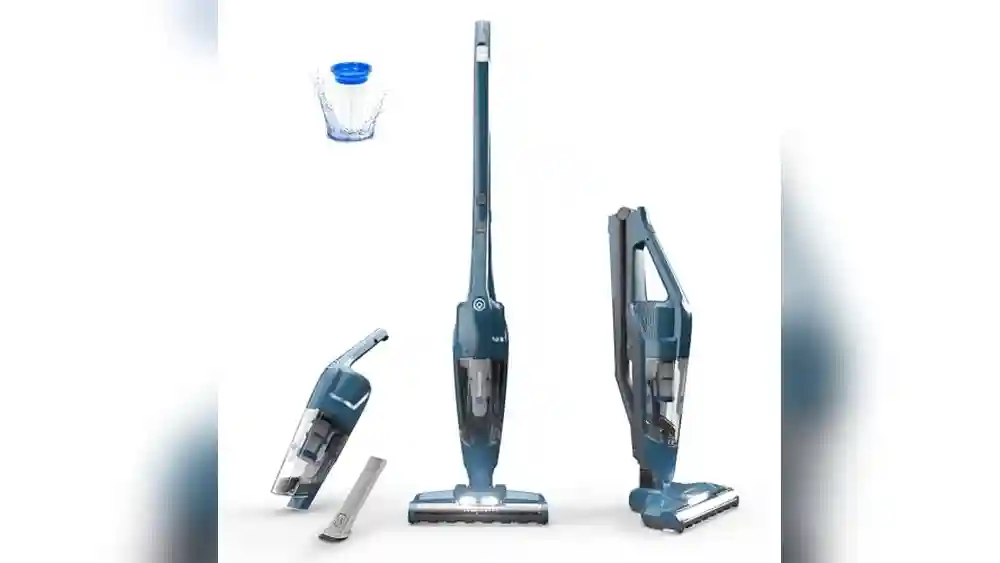
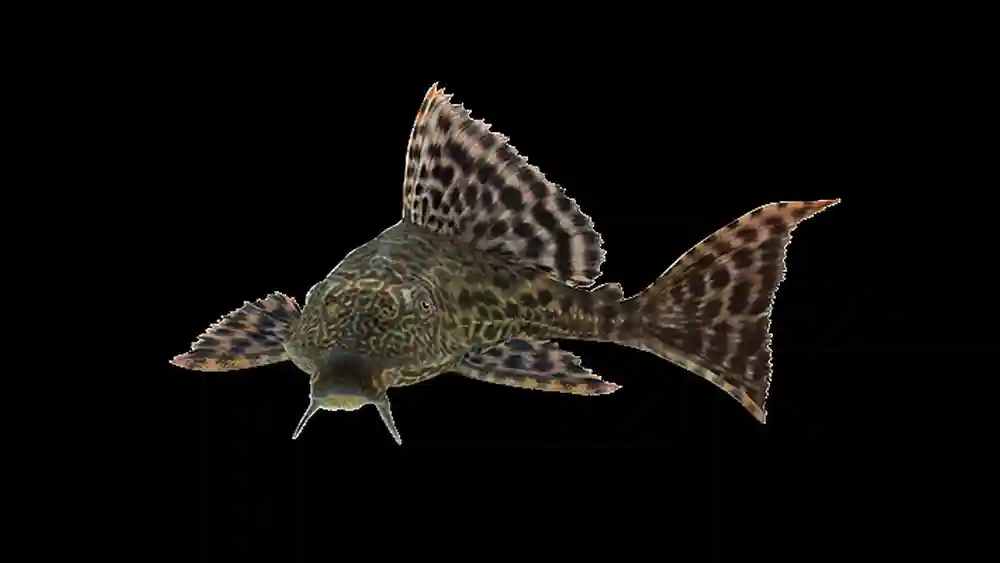
What do a vacuum cleaner and an aquarium have in common? At first, it might sound like a strange question. One is a household cleaning device, and the other is a home for fish. But if you look closer, you’ll find some surprising connections.
Both use similar principles of air and water movement, rely on careful filtration, and play important roles in many homes. Understanding these shared concepts can help you use both more effectively and even appreciate the technology behind them.
Let’s explore the unexpected links between vacuum cleaners and aquariums, from their basic science to the ways they help us create healthier living spaces. Along the way, you’ll see how knowledge from one can improve your experience with the other, whether you’re cleaning carpets or caring for fish.
The Science Of Movement: Air And Water
Both vacuum cleaners and aquariums depend on moving fluids—air for vacuums, water for aquariums. The way they move these fluids is surprisingly similar.
Creating Flow: Suction And Pressure
A vacuum cleaner works by creating suction. Inside the machine, a motor spins a fan, reducing air pressure inside the vacuum. This drop in pressure pulls air—and dust or debris—into the cleaner. The same principle is used in aquariums, but with water. Aquarium filters use pumps to create a flow, pulling water through filter media to trap waste. The key similarity is the use of pressure differences to move a substance (air or water) from one place to another.
Filtration: Removing Unwanted Material
One of the main functions of both devices is filtration. In a vacuum cleaner, filters trap dust, allergens, and even tiny particles, preventing them from blowing back into the room. In an aquarium, filtration is essential for removing fish waste, uneaten food, and other pollutants. Both use a combination of mechanical (physical trapping of debris), chemical (using substances to neutralize harmful compounds), and sometimes biological (using bacteria to break down waste) filtration.
Continuous Circulation
Healthy aquariums and efficient vacuum cleaners both rely on continuous circulation. In aquariums, water must move constantly to keep oxygen levels up and waste from settling. In vacuums, airflow must stay steady so that suction does not drop and cleaning remains effective. If flow is blocked in either system, performance drops quickly.
Design Similarities And Shared Components
While their purposes are different, vacuum cleaners and aquariums often include similar parts and technology.
Motors And Pumps
Both machines use electric motors to create movement. In vacuums, the motor spins a fan to move air. In aquariums, a motor drives a pump to move water. The technology behind small, efficient motors is shared between the two industries. Improvements in one often benefit the other.
Filters And Filter Media
The heart of both systems is the filter. Vacuum cleaners often use HEPA filters, foam, or paper bags. Aquariums use sponges, floss, activated carbon, and bio-media. The design goal is the same: maximize the surface area for trapping debris while allowing fluid (air or water) to pass through.
Hoses And Tubing
Flexible hoses are common in both. Vacuum hoses allow you to reach corners and under furniture. Aquarium hoses move water from the tank to external filters, or for water changes. In both cases, the material must resist kinking and be easy to clean.
Seals And Gaskets
Both devices rely on tight seals to keep fluid movement under control. A leaky vacuum loses suction, while a leaky aquarium filter can cause spills. Rubber gaskets and O-rings are used in both to maintain airtight or watertight connections.
The Role Of Filtration: Health And Cleanliness
Filtration is the most important link between vacuum cleaners and aquariums. Both systems aim to create a clean, healthy environment—one for people, one for aquatic life.
Three Types Of Filtration
- Mechanical filtration traps large debris. In vacuums, this means dust and crumbs; in aquariums, it’s fish waste and uneaten food.
- Chemical filtration removes dissolved impurities. Activated carbon is used in both systems to trap odors and chemicals.
- Biological filtration is unique to aquariums but has a parallel in vacuums with HEPA filters. In aquariums, beneficial bacteria break down harmful ammonia. In vacuums, high-quality filters trap bacteria and allergens, making the air cleaner.
Importance For Health
A well-maintained vacuum keeps your home free of dust mites, allergens, and pet dander, which can trigger asthma and allergies. A good aquarium filter keeps water safe for fish, preventing disease and algae growth. In both, neglecting the filter leads to problems: dirty air or unhealthy water.
Maintenance
Regular maintenance is critical. Vacuum filters must be cleaned or replaced, or suction drops. Aquarium filters clog over time, reducing water flow and harming fish. Many beginners forget this step, leading to poor results with both devices.
Cleaning And Maintenance: Shared Strategies
Keeping both your vacuum and aquarium in top shape is easier if you understand their similarities.
Regular Cleaning Schedules
Just as you should clean or replace your vacuum bag or filter often, aquarium filters need regular attention. Waiting too long leads to clogs, reduced efficiency, and unhealthy environments.
Dealing With Clogs
Blockages are a common issue in both systems. In vacuums, hair and dust can block hoses or brush rolls. In aquariums, plant debris or fish waste can clog filter intakes or impellers. The solution is the same: regular checks and quick action when flow drops.
Signs Of Poor Performance
Both machines show clear signs when something’s wrong. A vacuum with poor suction leaves dirt behind. An aquarium with poor filtration may have cloudy water or sick fish. Learning these signs helps you act before bigger problems start.
Safe Cleaning Methods
Never use harsh chemicals to clean filters for either device. In aquariums, this can kill beneficial bacteria. In vacuums, residue may blow back into the air. Use water or manufacturer-recommended cleaning solutions instead.
Innovation And Technology Exchange
Surprisingly, advances in vacuum cleaner technology have influenced aquariums, and vice versa.
Motor Efficiency And Quiet Operation
Demand for quieter, more energy-efficient vacuums has led to better motors, which are now used in aquarium pumps. The same materials and designs help both run longer with less noise.
Hepa And Advanced Filtration
The development of HEPA filters (High-Efficiency Particulate Air) in vacuums inspired similar fine filters for aquariums. Now, some aquarium systems use HEPA-like media to trap fine debris and even bacteria.
Smart Devices
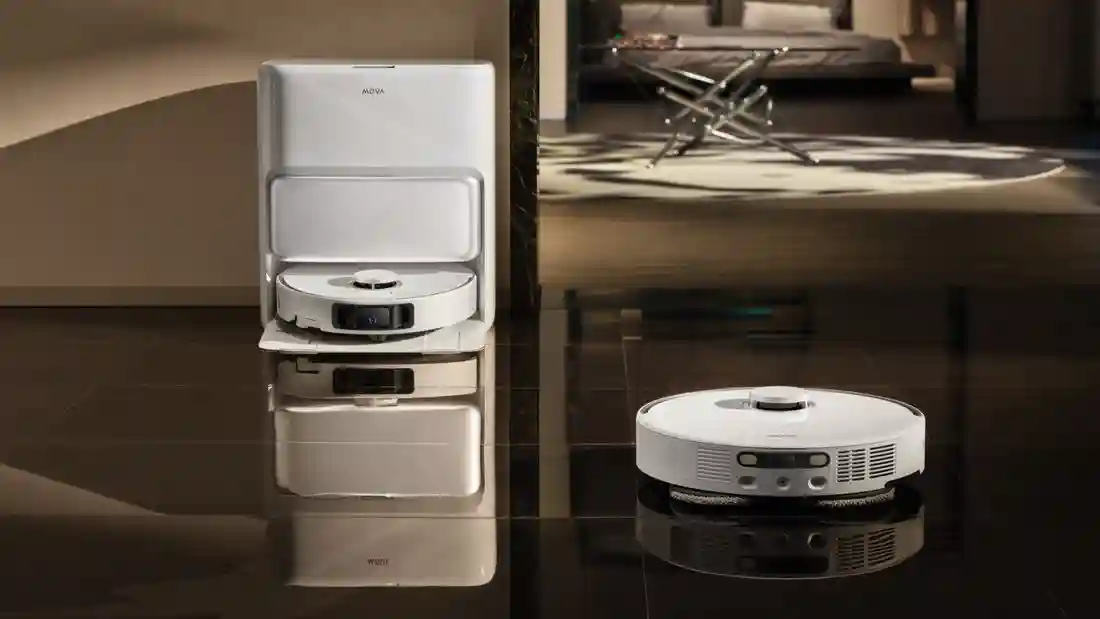
Modern vacuums and aquariums may both include smart technology. You can now buy robot vacuums with automatic scheduling, and aquarium filters with built-in sensors that alert you when maintenance is needed. The trend toward automation in the home covers both areas.
Environmental Impact And Sustainability
Both vacuum cleaners and aquariums affect the environment, and the choices you make can reduce your footprint.
Energy Use
Both devices use electricity. High-efficiency motors and pumps lower your energy bill and help the planet. Choosing models with the Energy Star label or similar certifications is a smart move.
Waste Management
Disposable vacuum bags and filter cartridges for both vacuums and aquariums create waste. Many brands now offer reusable or recyclable options. Some aquariums even use natural materials like sponge filters, which last for years.
Water And Air Quality
A well-maintained vacuum improves indoor air quality, while a healthy aquarium supports clean water and thriving fish. Poorly maintained devices harm both your environment and the planet by requiring more frequent replacements or causing pollution.

Credit: www.aquariumcoop.com
Learning From Each Other: Cross-applications
You might be surprised how knowledge from one device can help you with the other.
Using Vacuum Cleaner Attachments For Aquariums
Many aquarium owners use siphon vacuum attachments to clean gravel. These work much like a regular vacuum, sucking up debris without removing water. Some even attach to household vacuums, but be careful to avoid harming fish or disrupting the tank.
Adapting Aquarium Technology For Vacuums
Aquarium filter designers often use bio-media to trap debris and support beneficial bacteria. Some high-end vacuum filters now use similar technology, including layers for trapping allergens and even anti-microbial coatings.
Cleaning Techniques
The gentle, thorough cleaning style used in aquariums (slow movement, careful handling) can help when vacuuming delicate surfaces like curtains or lampshades.
Common Problems And How To Solve Them
Both devices face similar challenges. Here’s how to handle them, drawing from best practices in both areas.
Loss Of Suction Or Flow
If your vacuum or aquarium filter loses power, check for:
- Clogged filters or hoses
- Full dust bags or filter media
- Blocked intakes or outlets
Regular cleaning prevents these issues.
Unpleasant Odors
A dirty vacuum can spread bad smells, just like a poorly maintained aquarium. Use activated carbon filters to trap odors in both. For vacuums, clean or replace filters often. For aquariums, change water regularly and don’t overfeed fish.
Noise Issues
Both devices can get noisy if something’s wrong. Check for loose parts, worn bearings, or clogs. Lubricate moving parts when recommended by the manufacturer.
Leaks And Spills
A vacuum with a damaged seal may leak dust; an aquarium filter with a poor seal can leak water. Check gaskets and O-rings and replace them if worn.
Comparing Features: Vacuum Cleaners Vs. Aquarium Filters
To help you see the similarities and differences clearly, here’s a direct comparison of key features:
| Feature | Vacuum Cleaner | Aquarium Filter |
|---|---|---|
| Main Fluid | Air | Water |
| Main Function | Remove dust and debris from surfaces | Remove waste and toxins from water |
| Filtration Types | Mechanical, HEPA, sometimes chemical | Mechanical, chemical, biological |
| Power Source | Electric motor | Electric motor (pump) |
| Maintenance Needs | Replace/clean filters, check for clogs | Replace/clean media, check for clogs |
| Household Benefit | Cleaner air, less allergens | Healthier fish, clear water |
Practical Tips For Owners
Whether you have a vacuum, an aquarium, or both, these tips can help you get the best results.
For Vacuum Cleaner Owners
- Check and clean filters every month.
- Use the right attachment for each surface.
- Store hoses carefully to prevent kinks.
- Replace worn gaskets to maintain suction.
For Aquarium Owners
- Rinse filter media in tank water, not tap water, to preserve bacteria.
- Clean hoses and impellers every few months.
- Use a gravel vacuum to remove debris without stressing fish.
- Watch for changes in water flow—this signals maintenance is needed.
For Both
- Keep an eye on performance. If you notice a drop, check for clogs or dirty filters first.
- Don’t ignore strange noises—they can warn of bigger problems.
- Invest in quality replacement parts; cheap filters don’t work as well and can damage your device.
Hidden Insights Most People Miss
Many people don’t realize that the basic physics behind vacuums and aquariums are almost identical—just with different fluids. Understanding suction and pressure can help you troubleshoot both devices more effectively.
Another common oversight is timing. Many users wait until there’s a problem before cleaning filters. It’s better to set a reminder and do it regularly, even if everything seems fine. This prevents most common issues.
Beginners also forget that even clean-looking devices need maintenance. Dust and waste build up out of sight, especially in hoses and filter media. A scheduled check prevents surprises.
Real-world Examples
Let’s look at some situations where understanding these links makes a difference.
Allergy Sufferers
People with allergies often benefit from both a high-quality vacuum and a well-maintained aquarium. Vacuums with HEPA filters reduce dust and pollen. Meanwhile, an aquarium acts as a natural humidifier, which can make breathing easier. But both require regular maintenance—neglecting either can make allergies worse.
Pet Owners
If you have pets, you know how much hair and dander they produce. A vacuum cleaner is essential. But if you also keep fish, you need to be extra careful about cross-contamination. Always wash hands after cleaning one device before handling the other.
Pet hair can clog aquarium filters, just as it does vacuum hoses.
Small Apartments
In small spaces, air and water quality matter more. Keeping your vacuum and aquarium in good shape prevents odors and keeps your home healthy. Smart devices with alerts can be a big help if you’re busy.
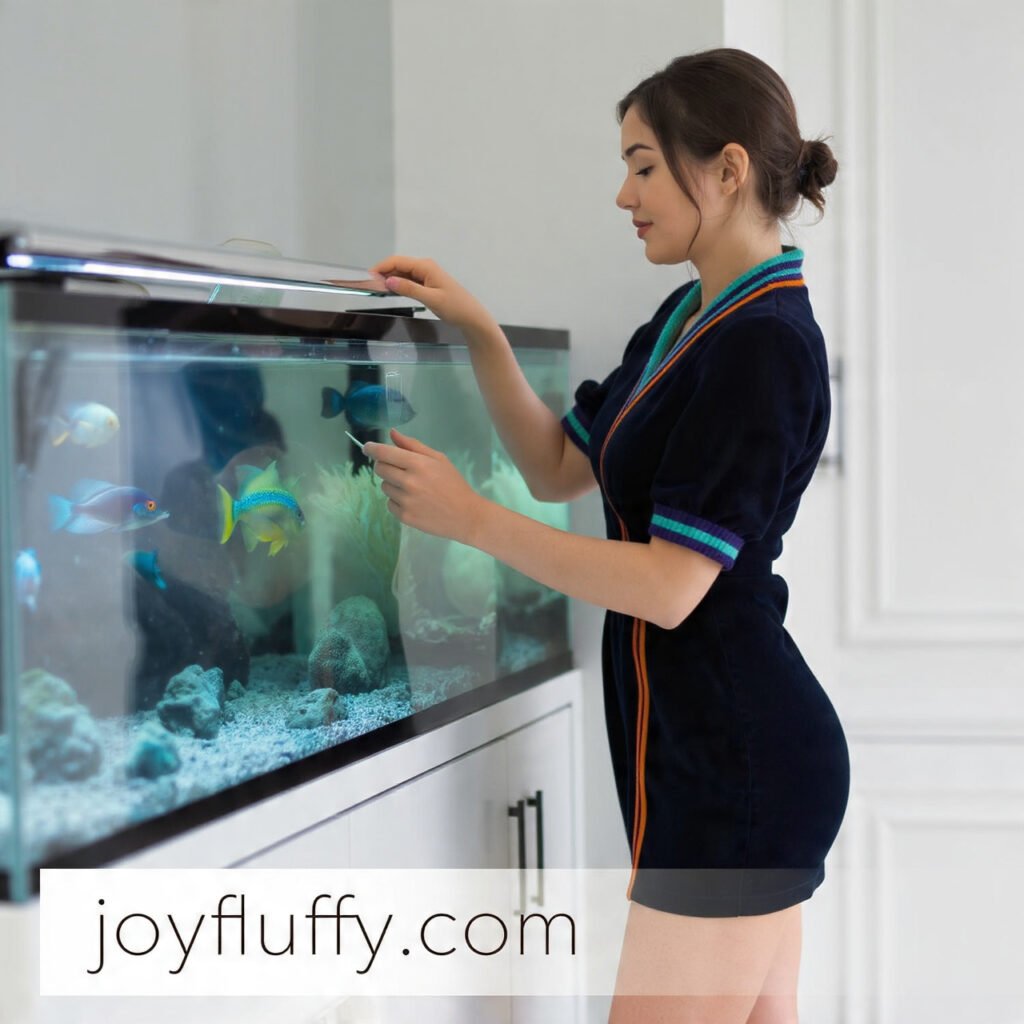
Credit: joyfluffy.com
Technological Progress: A Timeline
Both industries have changed a lot over the years. Here’s a look at how technology has advanced in both areas:
| Year | Vacuum Cleaner Innovation | Aquarium Innovation |
|---|---|---|
| 1901 | First powered vacuum cleaner patented | Simple sponge filters for aquariums |
| 1950s | Disposable vacuum bags introduced | Electric water pumps for home aquariums |
| 1980s | HEPA filtration in home vacuums | External canister filters popularized |
| 2000s | Bagless cyclonic vacuums enter the market | All-in-one aquarium filter systems |
| 2010s | Robot vacuums with smart sensors | Smart filters with water quality sensors |
Environmental And Safety Considerations
Using both devices safely and responsibly protects you and the environment.
Electrical Safety
Both vacuums and aquarium filters use electricity. Always check cords and plugs for damage. Keep water away from outlets and never handle electrical parts with wet hands.
Chemical Use
Avoid harsh chemicals when cleaning either device. For aquariums, residues can kill fish. For vacuums, chemicals can release fumes or damage filters.
Responsible Disposal
Don’t throw away used filters with regular trash if they contain hazardous materials. Many cities have special recycling programs for electronics and filters.
How To Choose The Right Model
Understanding the shared technology can help you choose better devices.
For Vacuums
- Look for strong, consistent suction.
- Choose models with multiple filter layers, including HEPA if possible.
- Check hose flexibility and length.
- Consider energy efficiency.
For Aquariums
- Pick a filter rated for a larger tank than you have (for extra safety).
- Make sure filter media is easy to replace.
- Choose quiet, low-energy pumps.
- Read reviews from experienced fish keepers.
Common Buyer Mistakes
Don’t choose a device just because it’s cheap or popular. Make sure it fits your specific needs. For example, a vacuum designed for hard floors may not work well on thick carpets. An aquarium filter for a 10-gallon tank will struggle in a 20-gallon setup.
The Impact Of Regular Maintenance
Taking care of both your vacuum and aquarium pays off in the long run.
- Longer lifespan: Well-maintained devices last years longer.
- Better performance: You’ll notice cleaner air and water right away.
- Healthier environment: Less dust, fewer allergens, and happier fish.
Many people skip maintenance because they think it’s hard or takes too much time. In reality, most checks take just a few minutes a week.
When To Replace Or Upgrade
Knowing when it’s time to upgrade saves money and trouble.
For Vacuums
- Suction drops even after cleaning filters.
- The motor sounds rough or overheats.
- Replacement parts are hard to find.
For Aquariums
- Water stays cloudy despite regular maintenance.
- The pump becomes noisy or stops often.
- Newer filters offer much better energy savings or features.
Don’t wait for a complete breakdown. Upgrading earlier can prevent damage to your home or loss of fish.
Looking Forward: Future Trends
Both industries are moving toward smarter, more sustainable designs.
Smart Sensors
Expect more vacuums and aquarium filters with built-in sensors. These will automatically alert you to problems, schedule maintenance, or even order new filters.
Eco-friendly Materials
Manufacturers are using more recycled plastics and biodegradable filter media. These changes help reduce environmental impact.
Integration With Smart Homes
You’ll soon be able to control both devices with your phone, voice assistants, or home automation systems.
Frequently Asked Questions
What Is The Main Similarity Between A Vacuum Cleaner And An Aquarium?
Both rely on fluid movement and filtration to remove unwanted substances—dust from air in vacuums, waste from water in aquariums. They use motors, filters, and hoses to create a healthy environment.
Can I Use A Vacuum Cleaner To Clean My Aquarium?
Not directly. Household vacuums are too strong and can harm fish or suck up water too quickly. However, there are gravel vacuum attachments specifically designed for aquariums that use gentle suction to clean the tank safely.
Why Is Filter Maintenance Important In Both Devices?
Filters trap debris and contaminants. If not cleaned or replaced regularly, they clog, reducing suction or water flow. This leads to poor cleaning, unhealthy air, or unsafe water for fish.

Credit: www.amazon.com
Are There Any Risks To Using These Devices Together?
There is a risk if you use the same cleaning tools for both—cross-contamination can occur. Also, keep electrical parts of vacuums away from aquarium water to avoid shocks or damage.
Where Can I Learn More About Filtration Systems?
A good resource is the Wikipedia Filtration page, which explains different filtration methods and their uses in detail.
Bringing It All Together
Looking beyond the surface, vacuum cleaners and aquariums share much more than most people realize. Their use of suction, pressure, filtration, and flow connects them through science and technology. Both make our homes healthier and more enjoyable, but only if we take care of them. By understanding these links, you can make smarter choices, solve problems faster, and get the best from both worlds. Whether you’re fighting dust or caring for fish, a little knowledge goes a long way.